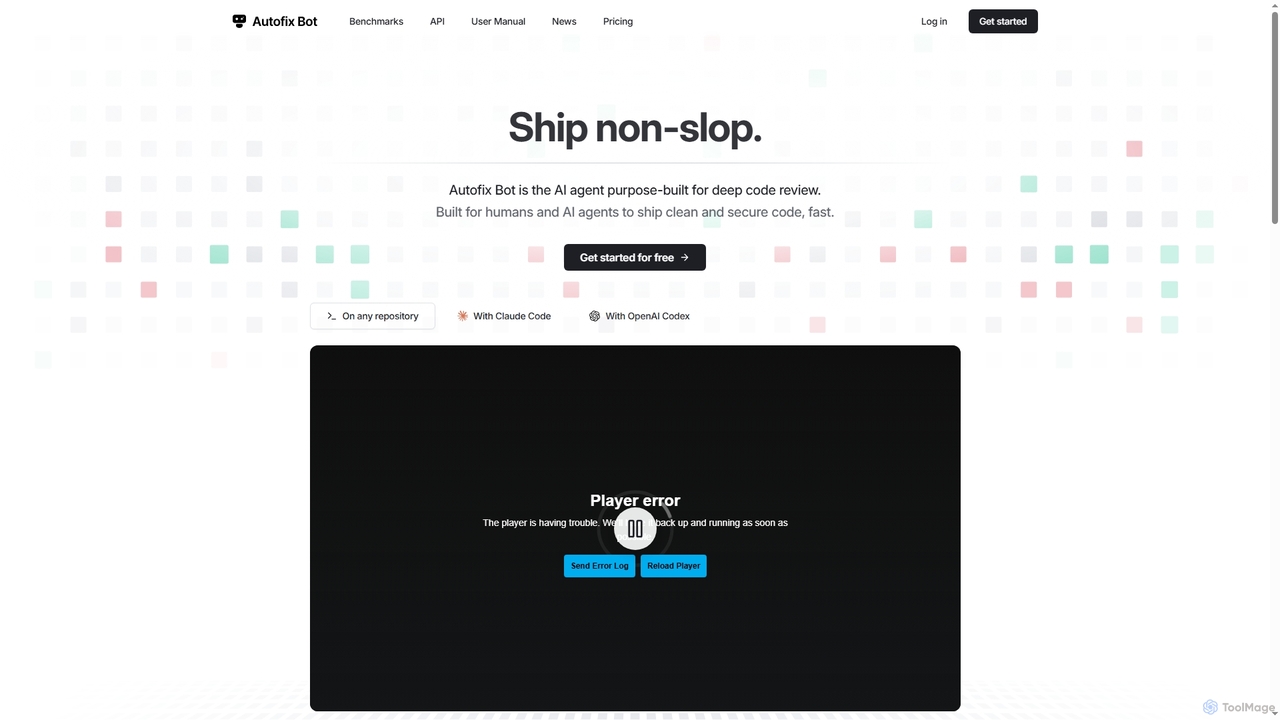
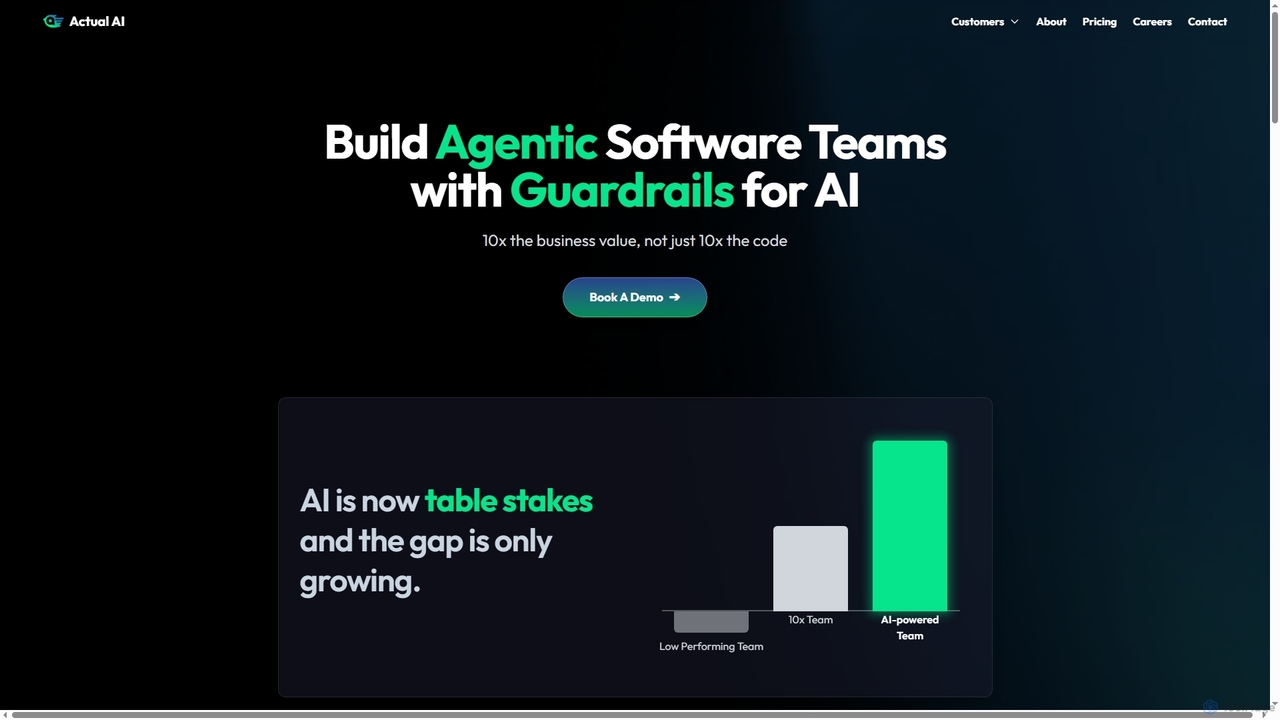
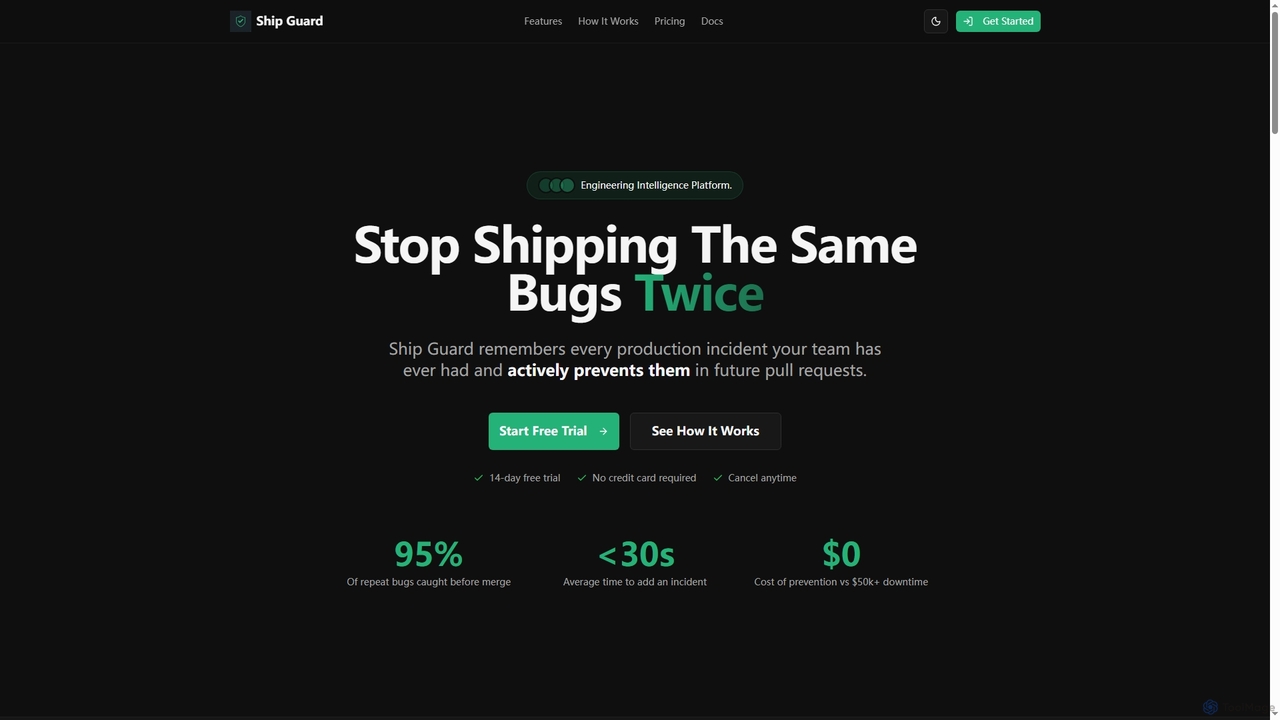
Code Review tools are AI-powered solutions designed to automate and enhance the process of examining source code for errors, vulnerabilities, and adherence to coding standards. Leveraging advanced machine learning and static analysis, these tools identify potential issues more efficiently than manual methods. They significantly improve code quality, reduce technical debt, and accelerate development cycles within software engineering workflows. By providing intelligent suggestions and flagging problematic patterns, they empower developers to write more robust and maintainable code.
Core Features
- Automated Bug Detection: Identifies common programming errors, logical flaws, and runtime issues before deployment, ensuring higher reliability.
- Vulnerability Scanning: Pinpoints security weaknesses, potential exploits, and compliance violations in the codebase, bolstering application security.
- Style & Standard Enforcement: Checks code against predefined style guides and best practices, ensuring consistency and improving team collaboration.
- Performance Optimization Suggestions: Recommends improvements for code efficiency, resource utilization, and overall application speed.
- Readability & Maintainability Analysis: Assesses code complexity, identifies anti-patterns, and suggests refactoring opportunities for easier understanding and future updates.
Applicable Scenarios
These tools are indispensable for modern software development teams, from small startups to large enterprises. They are widely adopted in agile environments to integrate continuous quality checks into CI/CD pipelines, ensuring every code commit meets stringent quality gates. Furthermore, they assist in maintaining high standards in large, collaborative projects, facilitating knowledge transfer and reducing the burden on human reviewers. They are also vital for projects requiring strict regulatory compliance, such as in finance or healthcare, where code integrity and security are paramount.
How to Choose
When selecting an AI Code Review tool, consider its compatibility with your existing technology stack, including supported programming languages and integration capabilities with IDEs, version control systems (e.g., Git), and CI/CD platforms. Evaluate the depth and accuracy of its analysis, looking for features like semantic understanding and context-aware suggestions. Customization options for rulesets, the clarity of its reporting, and the ease of interpreting its suggestions are also crucial. Finally, assess its scalability, pricing model, and community support to ensure it aligns with your team's size and budget.