Devops Best in category 2 results Incident Management AI Tool

Popular AI tools in the Incident Management field of Devops include Ship Guard、smallhours, etc., helping you quickly improve efficiency.

Ship Guard

Ship Guard

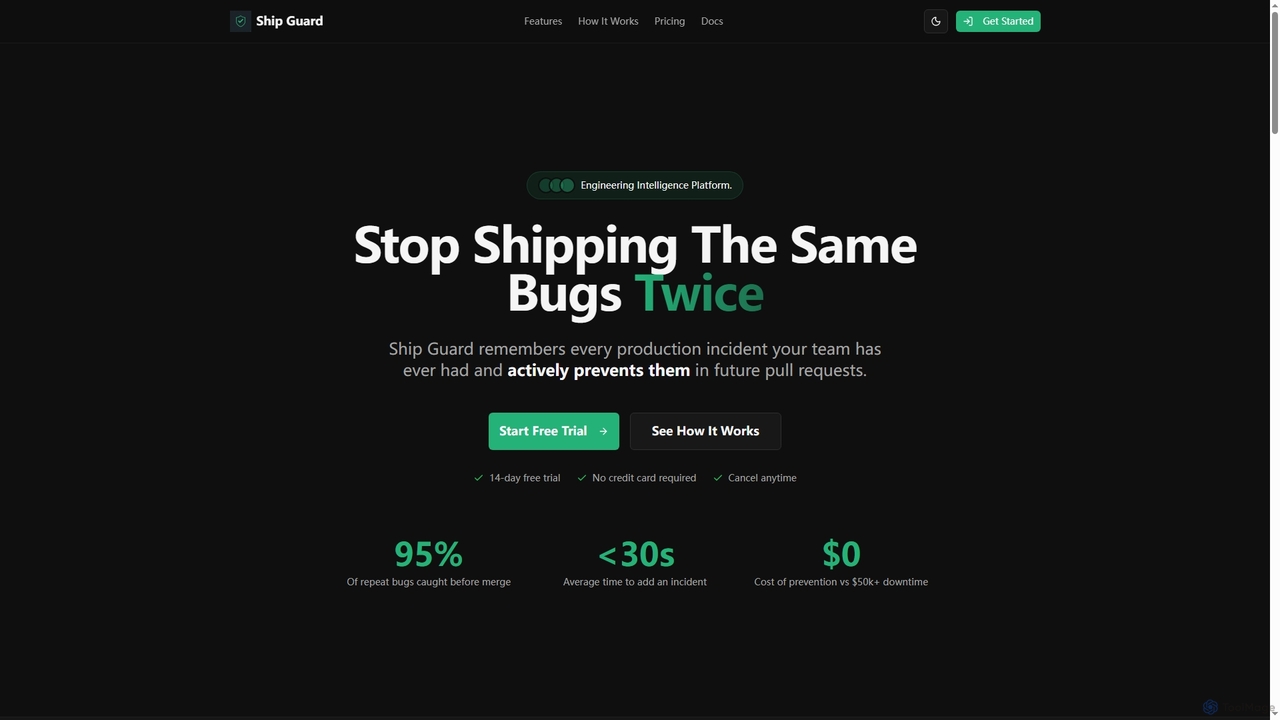
Ship Guard is an engineering intelligence platform that leverages AI with a unique "Incident Memory" feature to prevent …

2.3K
smallhours

smallhours

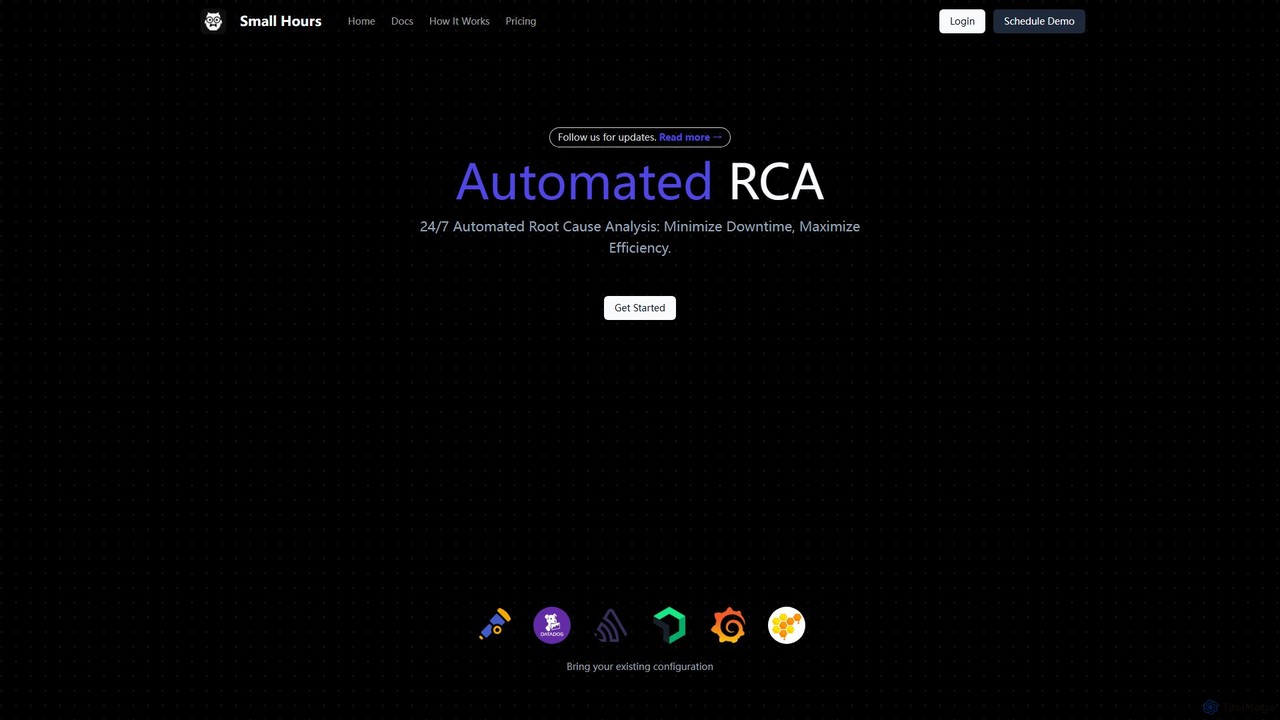
smallhours is an AI-powered platform for developers that automates root cause analysis (RCA) 24/7. It integrates with your …

2.3K

About Incident Management

AI Incident Management tools are platforms designed to streamline the entire lifecycle of an IT service disruption, from detection to resolution and analysis. These tools use AI to automate alert correlation, reduce noise from various monitoring systems, and intelligently route critical issues to the correct on-call engineers. This process significantly accelerates response times, minimizes service downtime, and helps DevOps and SRE teams maintain their service level objectives (SLOs). By providing a unified command center and data-driven insights, they transform reactive firefighting into a proactive, learning-oriented reliability practice.

Core Features

  • AI-Powered Alert Correlation: Automatically groups related alerts from multiple sources into a single, actionable incident to reduce noise.
  • On-Call Management & Escalation: Manages complex on-call schedules and automates escalation policies to ensure the right person is notified promptly.
  • Incident Command Center: Offers a centralized hub for real-time communication, collaboration, and status tracking during an incident.
  • Automated Runbooks: Executes pre-defined diagnostic or remediation scripts to gather context or resolve common issues automatically.
  • Post-Mortem & Analytics: Facilitates blameless post-mortem reporting and provides analytics on incident trends and team performance.

Use Cases

These tools are essential for Site Reliability Engineering (SRE), DevOps, and IT Operations teams in technology companies, e-commerce platforms, and financial services where system uptime is critical. They are used to manage outages in complex microservices architectures and to coordinate responses across multiple distributed teams.

How to Choose

When selecting an AI Incident Management tool, evaluate its integration capabilities with your existing monitoring stack (e.g., Datadog, Prometheus) and communication tools (e.g., Slack, Jira). Assess the sophistication of its AI for alert correlation and noise reduction. Also, consider the usability of its on-call scheduling interface and the reliability of its mobile application for responding to alerts on the go.

Incident ManagementUse Cases

1

Automating On-Call Alerting for a SaaS Platform

An SRE team lead for a SaaS company manages a complex microservices architecture that generates hundreds of alerts per hour, leading to significant alert fatigue. By implementing an AI Incident Management tool, they can ingest alerts from monitoring systems like Prometheus. The AI automatically correlates related alerts—such as high CPU, increased latency, and database errors—into a single, contextualized incident. This reduces alert noise by over 90%, automatically pages the correct on-call engineer based on escalation policies, and cuts Mean Time to Acknowledge (MTTA) by up to 75%.

2

Coordinating a Major Incident Response

During a critical outage of an e-commerce checkout service, an Incident Commander needs to coordinate multiple teams (Dev, Ops, Database). Using the tool's Incident Command Center, they establish a dedicated communication channel, such as a Slack room or video bridge, instantly. The platform allows them to assign tasks, track action items, and post real-time status updates for business stakeholders. This centralized approach eliminates confusion, provides a clear audit trail for the post-mortem, and significantly speeds up the Mean Time to Resolution (MTTR) by ensuring all responders are aligned.

3

Streamlining Blameless Post-Mortem Analysis

After resolving an incident, a DevOps engineer is tasked with conducting a blameless post-mortem to identify the root cause. The Incident Management tool automatically compiles a complete timeline of the event, including all alerts, chat logs from the command center, and key metrics changes. Using a built-in template, the team can collaboratively document the incident's impact, contributing factors, and resolution steps. This saves hours of manual data gathering, enforces a consistent and constructive post-mortem culture, and makes it simple to create and track follow-up action items to prevent recurrence.

4

Executing Automated Diagnostics with Runbooks

An IT Operations specialist frequently deals with a common alert for 'disk space full' on a server, which requires running a standard set of diagnostic commands. They configure an automated runbook within the Incident Management tool. Now, when the alert is triggered, the tool automatically executes a script that checks disk usage, identifies the largest files, and posts the output directly into the incident's communication channel. This provides immediate, actionable context to the on-call engineer, often resolving the issue before manual intervention is even needed and significantly reducing cognitive load.

5

Providing Real-Time Service Status Pages

A product manager needs to ensure customers are kept informed during a service outage to maintain trust and reduce support ticket volume. They integrate their Incident Management tool with a public status page service. When the SRE team declares a major incident, the tool automatically updates the status page with pre-approved templates, communicating the issue and expected resolution time. As the incident progresses, any updates posted by the Incident Commander are also pushed to the status page. This automates customer communication, frees up the support team, and provides a single source of truth for users.

6

Analyzing Incident Trends for Reliability Improvement

The Head of Engineering wants to make data-driven decisions about where to invest resources for system reliability. Using the analytics dashboard of the Incident Management tool, they can generate reports on key metrics like incident frequency by service, MTTR trends over time, and on-call team workload. They identify that a specific payment service is responsible for 40% of all critical incidents. This insight allows them to prioritize a technical debt sprint for that service, justify headcount for a new SRE, and track the impact of these improvements on incident rates in the following quarter.

Incident ManagementFrequently Asked Questions