Devops Best in category 4 results Ci Cd AI Tool

Popular AI tools in the Ci Cd field of Devops include CodeThreat、Exponent、DevBlogs、PloyD, etc., helping you quickly improve efficiency.

PloyD

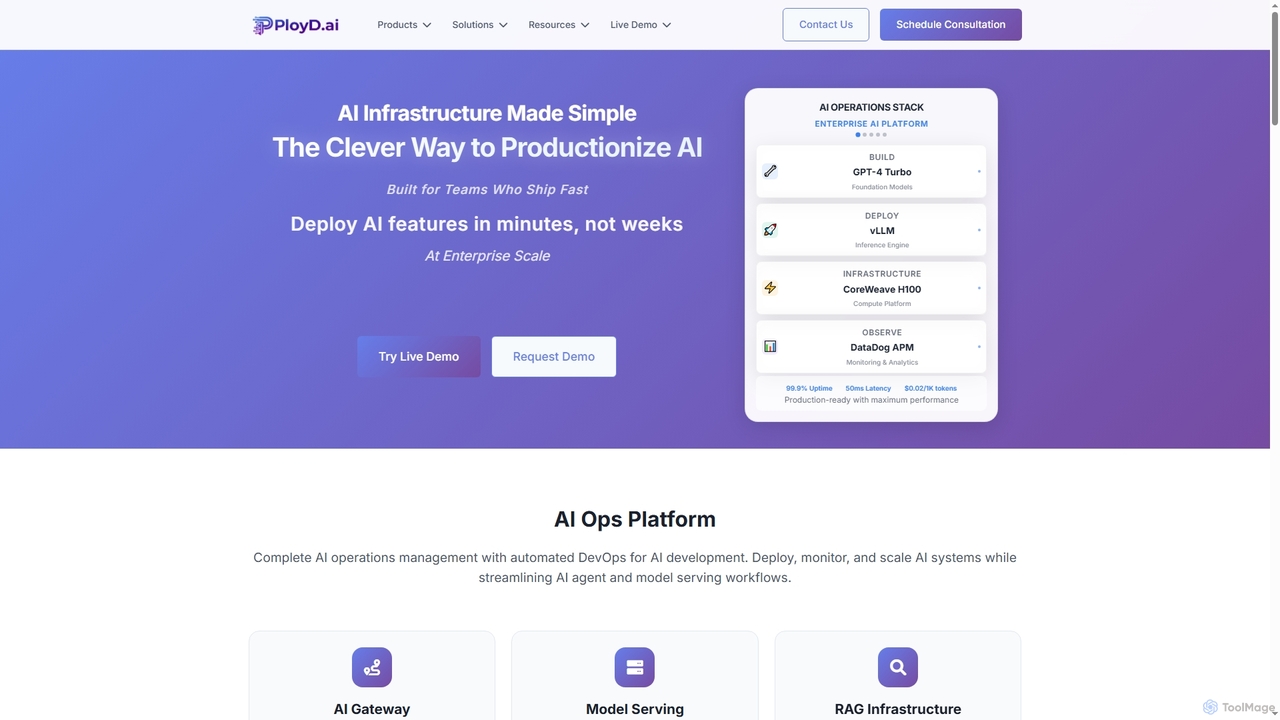
PloyD

PloyD is an enterprise AI operations platform designed to streamline the productionization of AI models and applications. It …

2.1K
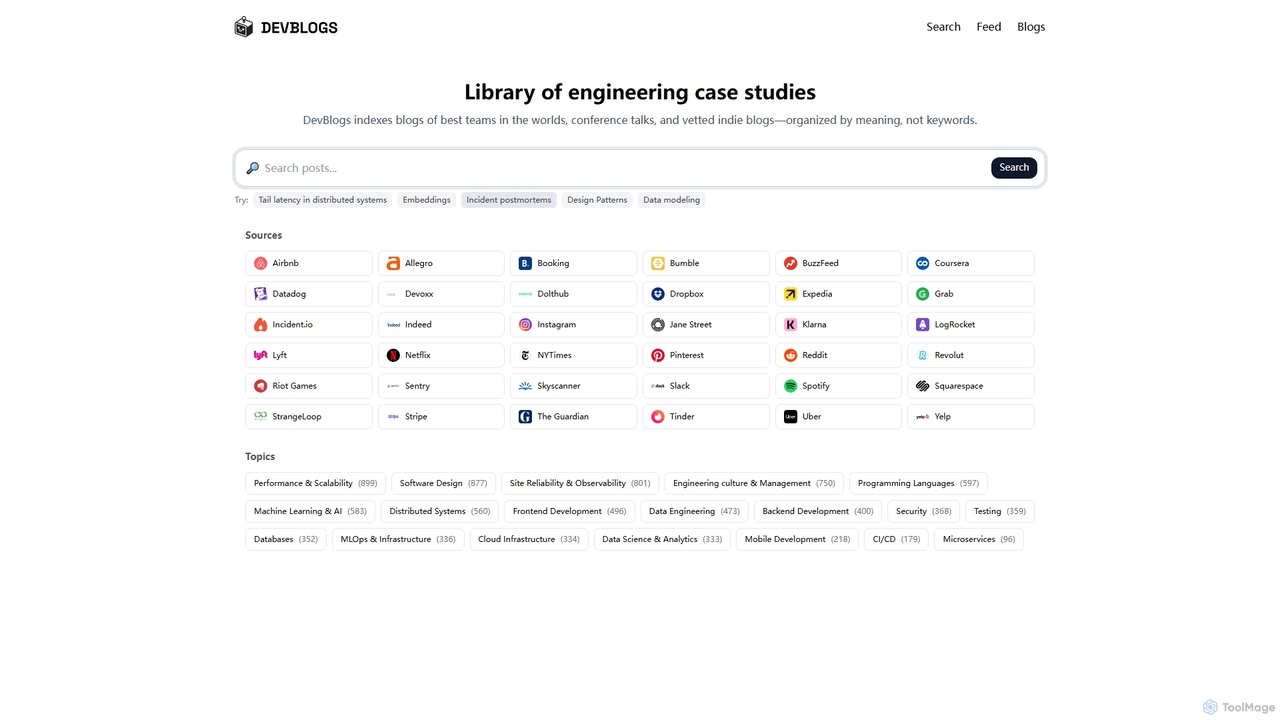
DevBlogs

DevBlogs

DevBlogs is a curated library indexing engineering case studies, tech blogs, and conference talks from leading global teams. …

2.2K
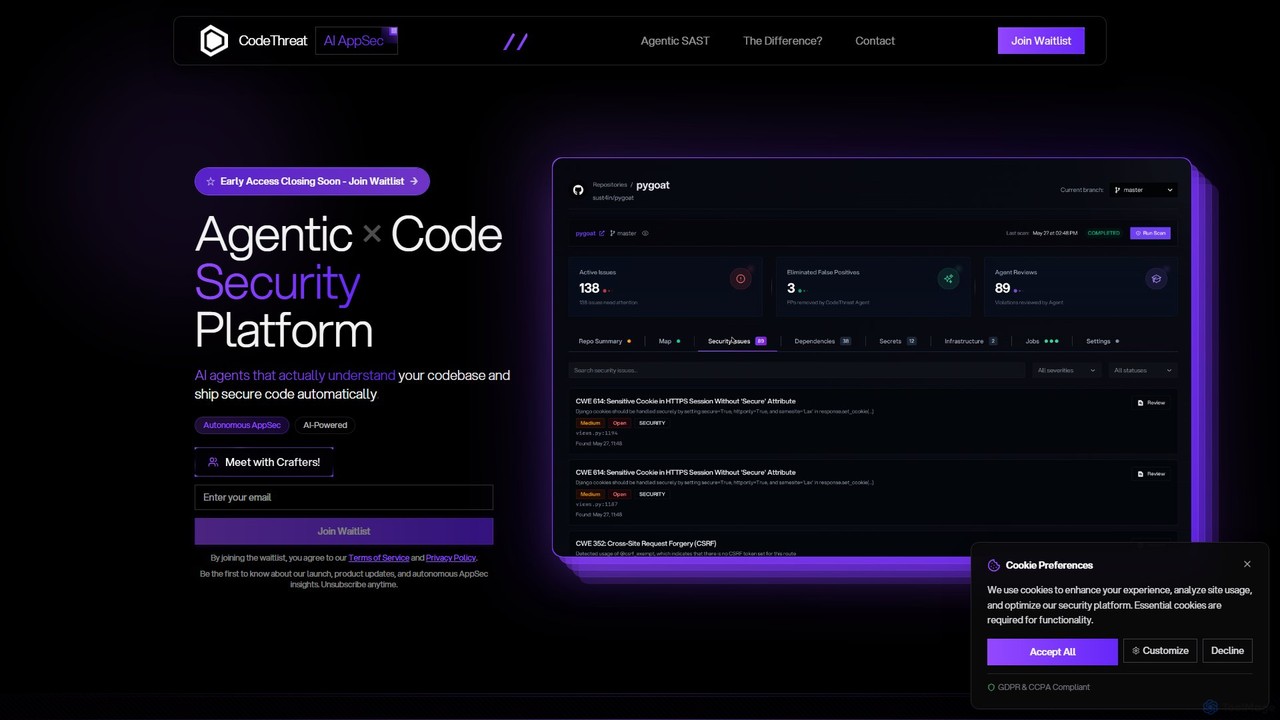
CodeThreat

CodeThreat

CodeThreat is an AI-powered Agentic SAST platform that acts as an autonomous application security engineer. It deeply understands …

2.4K
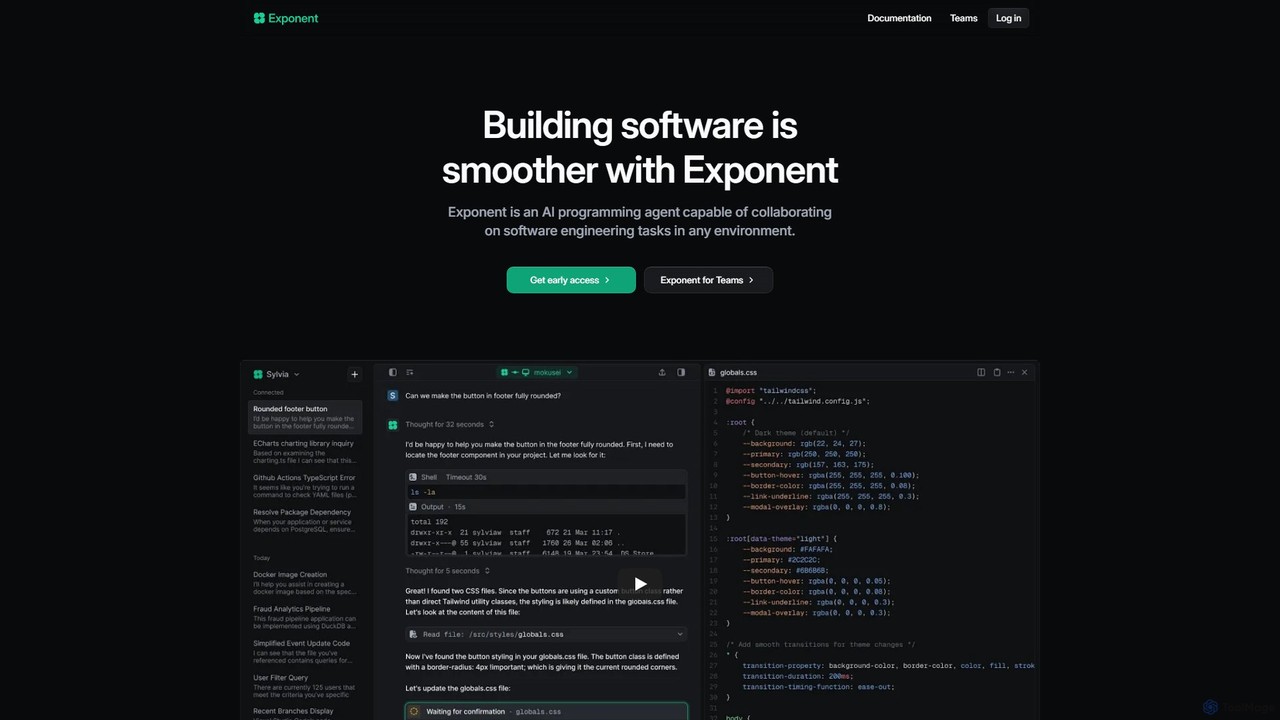
Exponent

Exponent

Exponent is a collaborative AI programming agent designed to assist software engineering teams. It integrates into any environment—shell, …

2.4K

About Ci Cd

CI/CD (Continuous Integration/Continuous Delivery) refers to a set of automated practices in software development that streamline the process of building, testing, and deploying applications. These tools integrate code changes frequently into a central repository, followed by automated builds and tests, ensuring early detection of issues. The primary value lies in accelerating software delivery cycles, improving code quality, and fostering a more reliable release process within a broader DevOps strategy.

Core Features

  • Automated Builds: Automatically compiles code and creates executable artifacts upon every code commit.
  • Automated Testing: Executes unit, integration, and end-to-end tests to validate code functionality and prevent regressions.
  • Continuous Delivery/Deployment: Automates the release of validated code to staging or production environments.
  • Version Control Integration: Tightly integrates with Git or other VCS for trigger-based pipeline execution.
  • Feedback Loops: Provides immediate feedback on build and test failures to developers.

Applicable Scenarios

CI/CD is crucial for modern software development teams, particularly those working on web applications, mobile apps, and microservices. It enables rapid iteration for SaaS products, ensures consistent deployments for enterprise systems, and supports agile methodologies by automating repetitive tasks. Development teams leverage CI/CD to maintain high velocity and quality across their projects.

How to Choose

When selecting a CI/CD tool, consider its integration capabilities with your existing version control system, cloud providers, and testing frameworks. Evaluate its scalability to handle growing project demands, security features for protecting your pipeline, and the flexibility to define custom workflows. Ease of use, community support, and pricing models are also important factors for making an informed decision.

Ci CdUse Cases

1

Automating Web Application Deployment

For development teams building web applications, CI/CD tools automate the entire deployment pipeline from code commit to production. Developers push code to a version control system, triggering automated builds, unit tests, integration tests, and finally, deployment to staging or production environments. This ensures rapid, consistent, and error-free releases, allowing teams to deliver new features to users much faster and with greater confidence.

2

Streamlining Microservices Updates

Organizations adopting microservices architectures benefit immensely from CI/CD by managing independent service deployments. Each microservice can have its own CI/CD pipeline, enabling teams to update and deploy individual services without affecting the entire application. This modular approach enhances agility, reduces deployment risks, and facilitates quicker iteration cycles for complex distributed systems, ensuring continuous delivery of value.

3

Accelerating Mobile App Releases

Mobile app developers use CI/CD to automate the build, test, and distribution processes for iOS and Android applications. After a code commit, the CI/CD pipeline automatically compiles the app for different platforms, runs UI and integration tests, and then distributes beta versions to testers or submits to app stores. This significantly speeds up release cycles, ensures consistent app quality across devices, and reduces the manual effort involved in preparing new versions.

4

Ensuring Code Quality and Security

CI/CD pipelines integrate static code analysis, security scanning, and compliance checks early in the development process. Before code is merged or deployed, automated tools scan for vulnerabilities, coding standard violations, and potential bugs. This proactive approach helps developers identify and fix issues much earlier, reducing the cost of remediation and ensuring that only high-quality, secure code makes it to production, thereby enhancing overall software integrity.

5

Facilitating Infrastructure as Code (IaC)

CI/CD plays a vital role in implementing Infrastructure as Code (IaC) by automating the provisioning and management of infrastructure. Configuration files defining servers, databases, and networks are treated as code and managed in version control. The CI/CD pipeline then automatically applies these configurations to create or update infrastructure, ensuring consistency, repeatability, and reducing manual configuration errors across different environments, from development to production.

6

Enabling Faster Feedback Loops

For developers, CI/CD significantly shortens the feedback loop between writing code and understanding its impact. Automated tests run immediately after code commits, providing instant notification of any broken builds or failed tests. This allows developers to quickly identify and fix issues while the context is still fresh, preventing small problems from escalating into larger, more complex ones, and ultimately leading to higher quality code delivered faster.

Ci CdFrequently Asked Questions