Ai Development Best in category 2 results Rag Systems AI Tool

Popular AI tools in the Rag Systems field of Ai Development include DeConsole、PloyD, etc., helping you quickly improve efficiency.

DeConsole

DeConsole

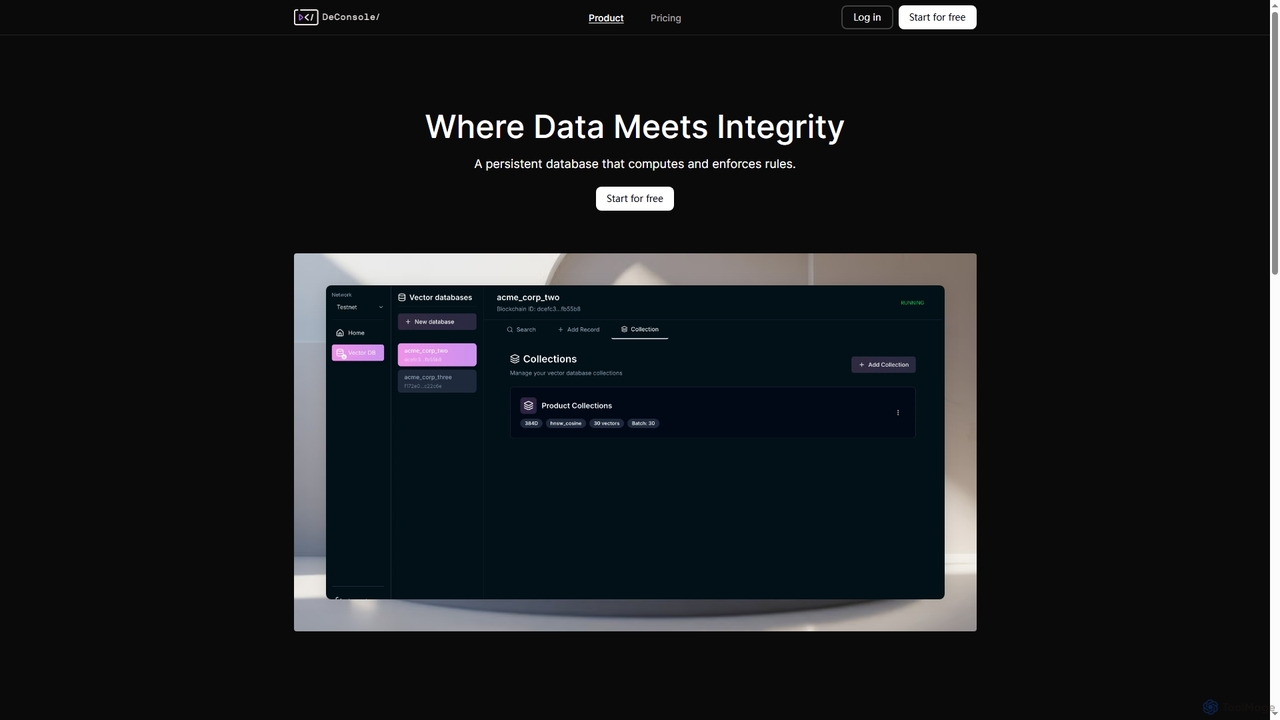
DeConsole is a distributed, persistent, and tamper-resistant database service designed for critical data, offering the simplicity of a …

2.7K
PloyD

PloyD

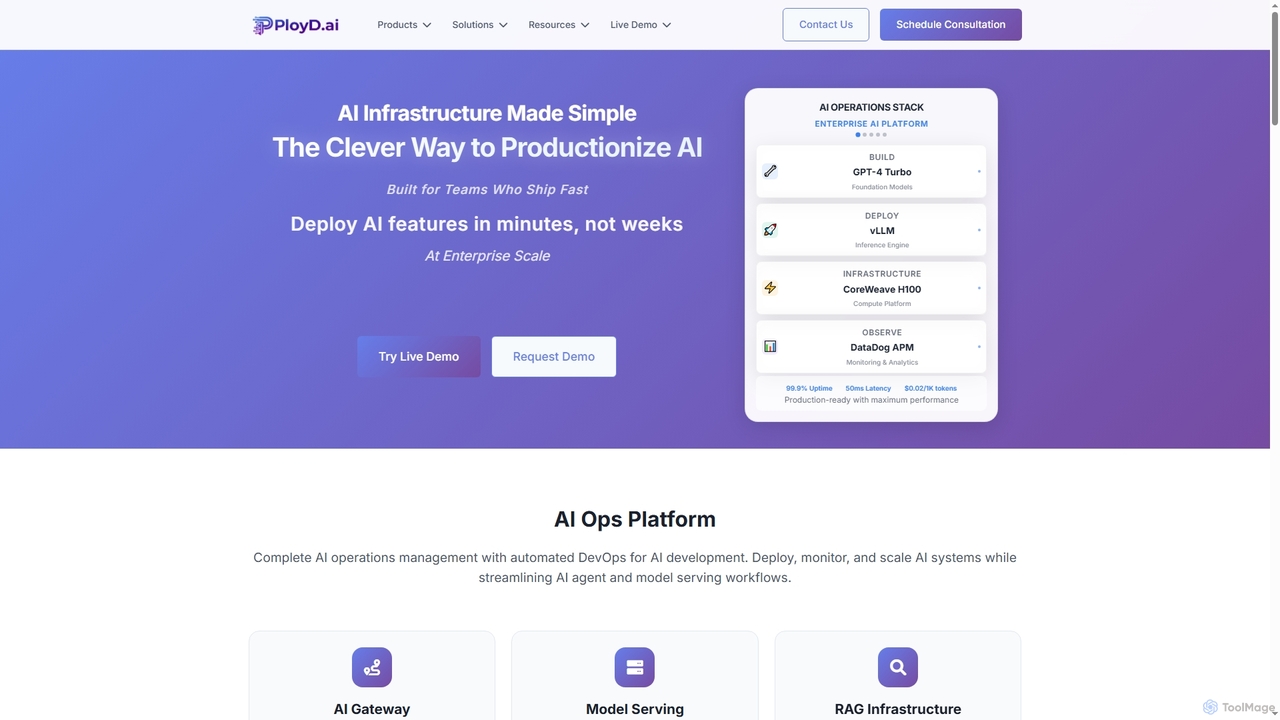
PloyD is an enterprise AI operations platform designed to streamline the productionization of AI models and applications. It …

2.5K

About Rag Systems

RAG Systems are AI-powered tools that enhance large language models (LLMs) by integrating external, up-to-date information. They work by retrieving relevant data from a knowledge base before the LLM generates a response, significantly improving accuracy and reducing hallucinations. This approach allows LLMs to leverage proprietary or domain-specific information, making them more reliable and contextually aware for specialized applications.

Core Features

  • Information Retrieval: Efficiently searches and extracts relevant documents or data snippets from vast external knowledge bases.
  • Contextual Augmentation: Integrates retrieved information directly into the LLM's prompt, providing rich context for generation.
  • Reduced Hallucinations: Grounds LLM responses in factual, verifiable data, minimizing the generation of incorrect or fabricated information.
  • Access to Proprietary Data: Enables LLMs to utilize private, domain-specific, or real-time data sources not included in their original training.
  • Source Citation: Often provides references to the original source documents, enhancing transparency and trustworthiness.

Use Cases

RAG systems are crucial for applications requiring factual accuracy and access to specific knowledge. They are widely adopted in enterprise search, customer support chatbots, legal research, and medical information systems, where precise, verifiable answers are paramount.

How to Choose

When selecting a RAG system, consider the size and complexity of your knowledge base, the required retrieval speed and accuracy, integration capabilities with existing LLMs and data sources, and the ease of managing and updating the retrieved data. Evaluate also the system's ability to handle diverse data formats and its scalability.

Rag SystemsUse Cases

1

Building Enterprise Knowledge Chatbots

Large organizations can deploy RAG systems to power internal chatbots that provide employees with accurate answers from company documents, policies, and internal databases. This reduces the burden on support staff and ensures consistent information dissemination, improving operational efficiency and employee self-service.

2

Enhancing Customer Support with Up-to-Date Information

Customer service departments use RAG systems to equip AI chatbots with real-time product information, troubleshooting guides, and customer history. This allows chatbots to offer precise, personalized support, resolving complex queries quickly and improving customer satisfaction without needing constant LLM retraining.

3

Automating Legal Document Analysis and Query

Legal professionals can leverage RAG systems to query vast libraries of legal precedents, case law, and contracts. The system retrieves relevant clauses or cases, allowing LLMs to summarize findings or answer specific legal questions with high accuracy and proper citation, significantly speeding up research.

4

Developing Personalized Educational Content

Educators and e-learning platforms can use RAG systems to generate tailored explanations or study materials based on specific curricula and student queries. By retrieving relevant textbook sections or academic papers, the system ensures the generated content is accurate, comprehensive, and aligned with learning objectives.

5

Powering Research and Development Information Retrieval

R&D teams in fields like pharmaceuticals or engineering use RAG systems to search and synthesize information from scientific papers, patents, and internal research reports. This helps researchers quickly access cutting-edge findings and avoid redundant efforts, accelerating innovation cycles.

6

Creating Dynamic Content Generation for Marketing

Marketing teams can employ RAG systems to generate highly specific and factual content, such as product descriptions, blog posts, or ad copy, by retrieving details from product specifications, market research, and brand guidelines. This ensures accuracy and consistency across all marketing materials.

Rag SystemsFrequently Asked Questions