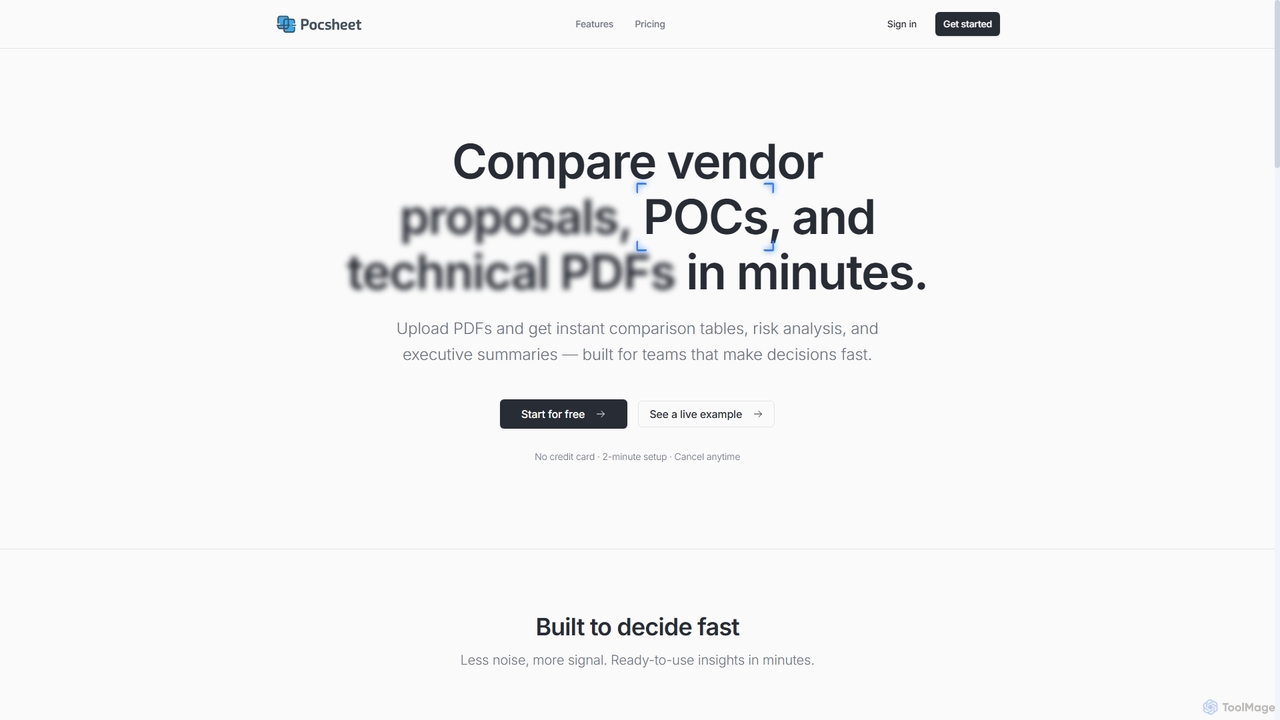
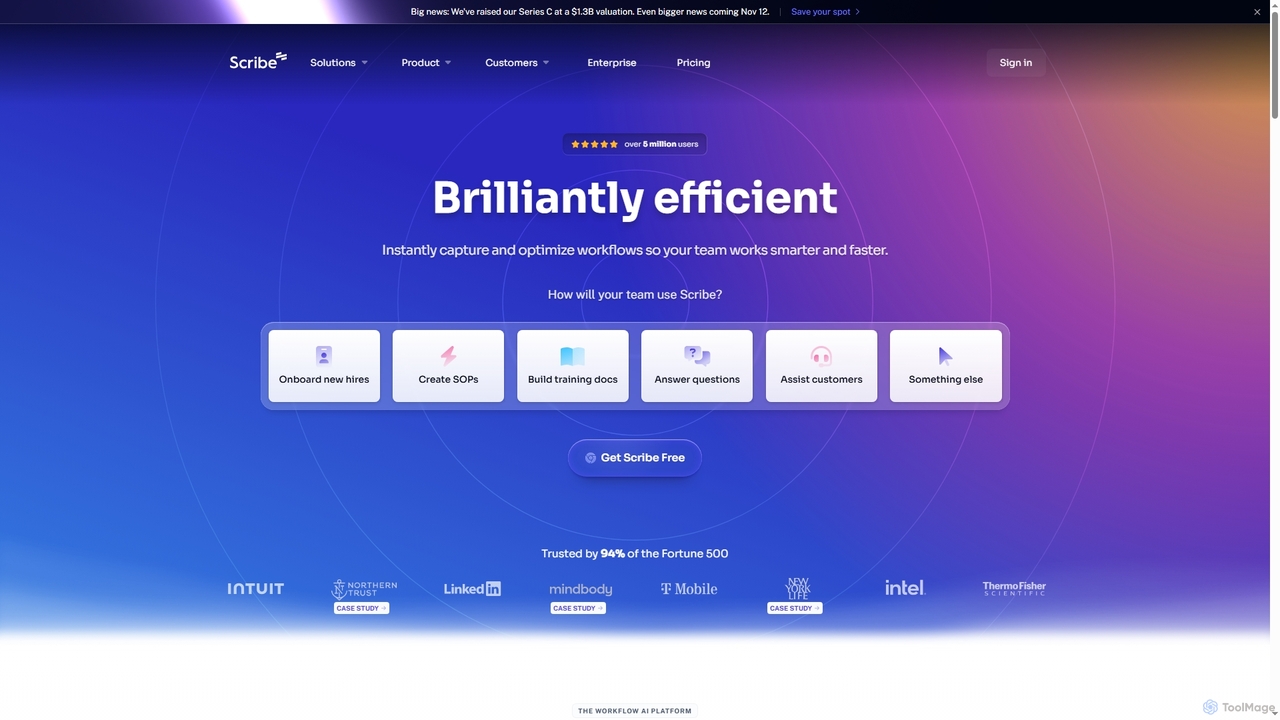
Technical Documentation AI tools are specialized software solutions that leverage artificial intelligence to streamline and enhance the creation, management, and maintenance of technical documents. These tools employ natural language processing (NLP), machine learning, and generative AI to automate content generation, ensure consistency, and improve clarity. They are crucial for software development teams, hardware manufacturers, and IT departments to produce high-quality, accurate, and up-to-date user manuals, API documentation, and system guides. By integrating with existing development workflows, they significantly reduce the manual effort and time traditionally associated with documentation.
Core Features
- Automated Content Generation: Automatically drafts sections, code examples, or entire documents from specifications, codebases, or existing data.
- Consistency & Style Enforcement: Ensures uniform terminology, branding, and writing style across all documentation, identifying and correcting discrepancies.
- Intelligent Search & Retrieval: Provides advanced search capabilities within documentation, allowing users to quickly find relevant information using natural language queries.
- Multilingual Translation & Localization: Translates technical content accurately into multiple languages, adapting it for cultural nuances and specific regional requirements.
- Content Summarization & Simplification: Condenses lengthy documents into concise summaries or simplifies complex technical jargon for non-technical audiences.
Applicable Scenarios
Software development teams use these tools to automatically generate API documentation from source code, ensuring it's always current with code changes. Hardware manufacturers leverage them to create user manuals and troubleshooting guides for new products, accelerating time-to-market. IT departments utilize AI for maintaining internal knowledge bases, making complex system configurations accessible to support staff.
How to Choose
When selecting Technical Documentation AI tools, evaluate their integration capabilities with existing development environments (IDEs, version control systems) and content management systems. Consider the accuracy and quality of AI-generated content, especially for code examples and complex technical concepts. Assess the customization options for style guides and terminology, and the support for multiple languages if global audiences are targeted. Finally, review the security features for handling sensitive technical information.