aikat
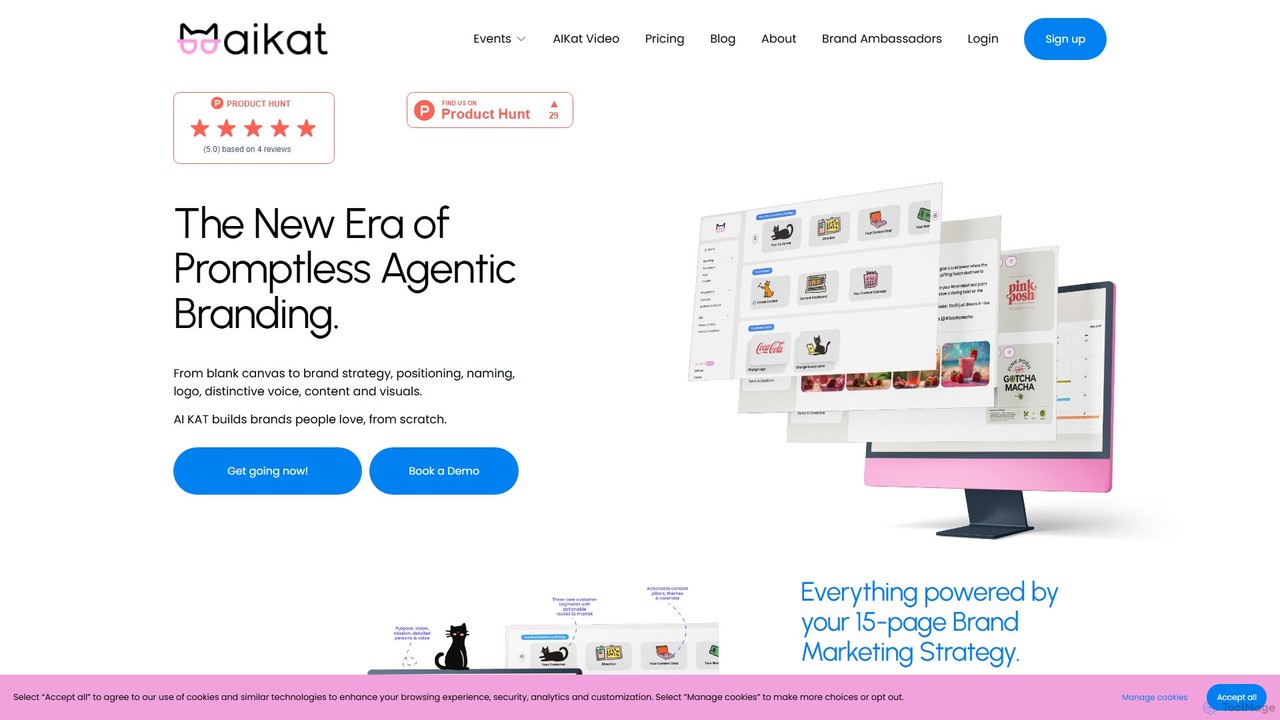
aikat is an AI-powered platform that automates and democratizes professional brand creation. It generates comprehensive brand strategies, logos, …
aikat is an AI-powered platform that automates and democratizes professional brand creation. It generates comprehensive brand strategies, logos, visual identities, brand voice, and on-brand content in minutes, making world-class branding accessible and affordable for startups, marketers, and agencies.
nametly
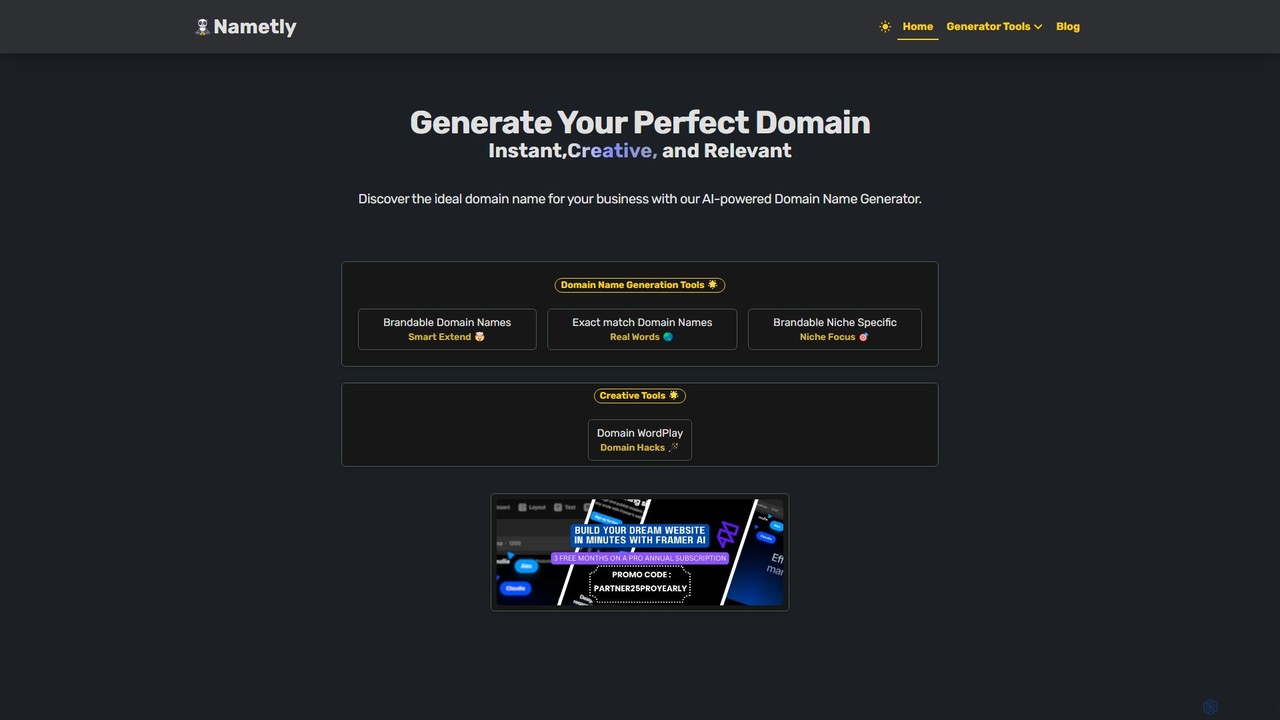
nametly is a free, AI-powered domain and business name generator designed to help startups, businesses, and creators find …
nametly is a free, AI-powered domain and business name generator designed to help startups, businesses, and creators find unique, memorable, and SEO-friendly names. By leveraging advanced AI algorithms, it provides creative suggestions based on keywords, industries, and brand identity, simplifying the process of building a strong online presence.
About Business
AI Business tools are applications designed to automate and optimize core operational functions within an organization. As a specialized category within Startup Tools, they focus on established processes such as finance, human resources, and project management, leveraging AI to analyze data, predict outcomes, and streamline workflows. These tools empower companies to enhance operational efficiency, reduce administrative overhead, and make informed, data-driven decisions for sustainable growth.
Core Features
- Financial Automation: Automates tasks like invoicing, expense tracking, and financial forecasting to improve accuracy and save time.
- HR & Talent Management: Streamlines recruitment by screening candidates, automates onboarding processes, and analyzes employee performance data.
- Project & Workflow Optimization: Intelligently allocates resources, predicts project timelines, and automates routine administrative tasks.
- Legal & Compliance Analysis: Assists in reviewing contracts for risks, monitoring regulatory changes, and managing corporate compliance.
Use Cases
These tools are widely used by operations managers, finance departments, HR specialists, and legal teams in scaling startups and established enterprises. They are particularly valuable for automating repetitive back-office tasks, managing complex projects with multiple dependencies, and ensuring consistent compliance across the organization.
How to Choose
When selecting an AI Business tool, consider its integration capabilities with your existing systems (e.g., ERP, CRM). Evaluate its scalability to grow with your company, the robustness of its data security protocols, and whether it offers industry-specific features. Finally, assess the user interface for ease of use to ensure team adoption.

BusinessUse Cases
Automating Quarterly Financial Reporting
A finance manager at a mid-sized tech company uses an AI business tool to automate the generation of quarterly financial reports. The tool integrates directly with their accounting software and CRM, pulling real-time data on revenue, expenses, and sales pipelines. It automatically categorizes transactions, identifies spending anomalies, and generates predictive cash flow forecasts. This process reduces the time spent on manual data compilation from weeks to hours, improves report accuracy, and provides the leadership team with actionable insights for strategic planning.
Streamlining High-Volume Recruitment
An HR department in a fast-growing retail chain needs to hire hundreds of store associates. They use an AI-powered talent management platform to handle the high volume of applications. The AI screens resumes against predefined criteria, identifying the most qualified candidates. It then automates interview scheduling via email and chatbots, and even conducts initial video screening with sentiment analysis. This allows the small HR team to focus their time on interviewing the top-tier candidates, significantly accelerating the hiring cycle and improving the quality of hires.
Optimizing Complex Project Workflows
A construction company manages multiple large-scale projects simultaneously. A project manager uses an AI business tool to optimize resource allocation and scheduling. The system analyzes project requirements, team member skills, and equipment availability to create the most efficient work plan. It also monitors progress in real-time, using predictive analytics to flag potential delays and suggest corrective actions, such as reallocating a team or ordering materials sooner. This proactive management helps keep projects on budget and on schedule.
AI-Powered Contract Review and Analysis
A corporate legal department is overwhelmed with reviewing hundreds of vendor contracts each month. They implement an AI tool specialized in legal analysis. The legal team uploads contracts to the platform, and the AI instantly scans them, comparing clauses against company policies and legal best practices. It flags non-standard terms, potential risks, and missing clauses, providing a summary report for each contract. This reduces the initial review time by over 80%, allowing lawyers to focus on high-risk issues and negotiation strategy.
Automating Employee Onboarding and Training
A global consulting firm onboards dozens of new analysts each quarter. The HR team uses an AI business platform to create a personalized onboarding journey for each new hire. The system automatically assigns required paperwork, schedules orientation meetings, and delivers role-specific training modules. An AI chatbot is available 24/7 to answer common questions about company policies, benefits, and IT setup. This ensures a consistent and efficient onboarding experience, freeing up HR staff to provide more personalized support and mentorship.
Predictive Analytics for Supply Chain Management
An e-commerce company uses an AI business tool to manage its complex supply chain. The platform analyzes historical sales data, market trends, and external factors like weather patterns to generate highly accurate demand forecasts. Based on these forecasts, it automatically suggests optimal inventory levels for each product and warehouse location. It also monitors shipping routes in real-time to predict potential delays and suggests alternative logistics partners, minimizing stockouts and improving customer satisfaction.