ToolMage
Sign in

Best 3 Creative Writing AI tools for Storytelling

Popular Creative Writing AI tools in Storytelling include Friends & Fables, AIStoryBuilders, and Zora Learning, helping you work more efficiently.

Zora Learning
Freemium

Zora Learning

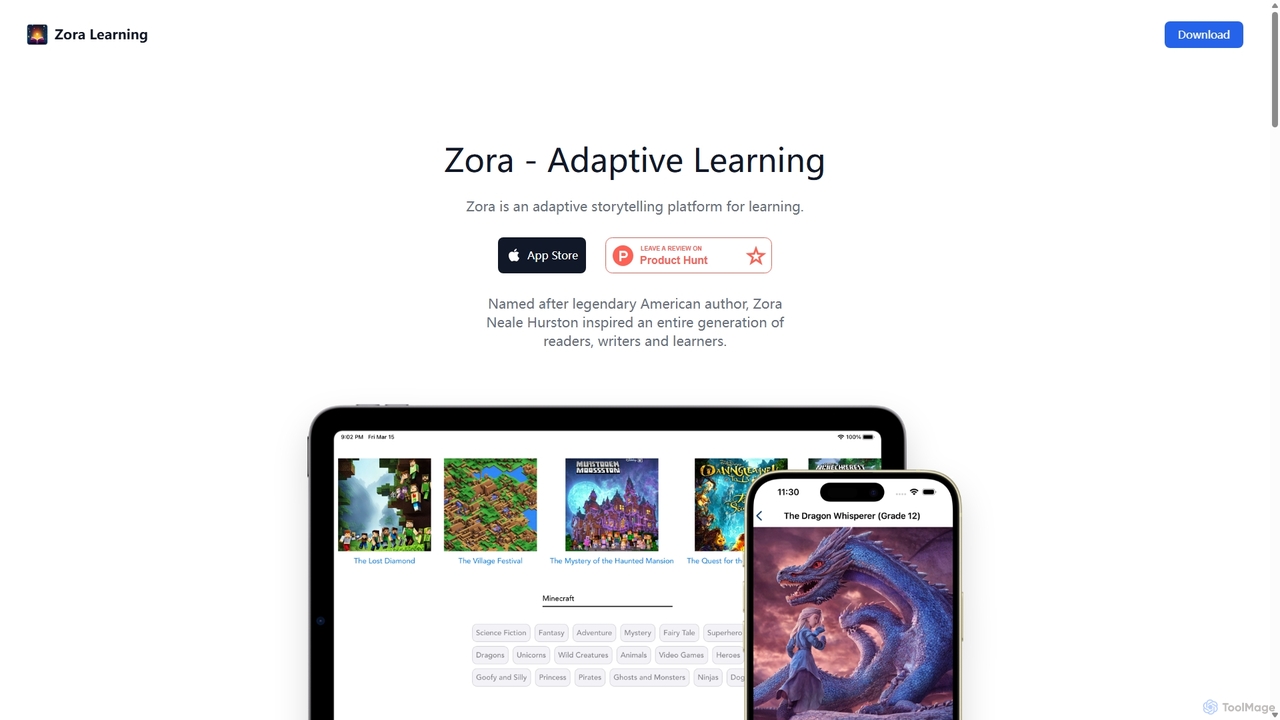
Zora Learning is an AI-powered adaptive storytelling platform designed to make reading fun and effective. It generates personalized stories based on a user's interests and reading level, from K-12 to college. Through gamification and interactive narratives, it helps improve reading comprehension and vocabulary in an engaging way.

Language Learning
Visits 6.4KFavorites 126Likes 129
Friends & Fables
Freemium

Friends & Fables

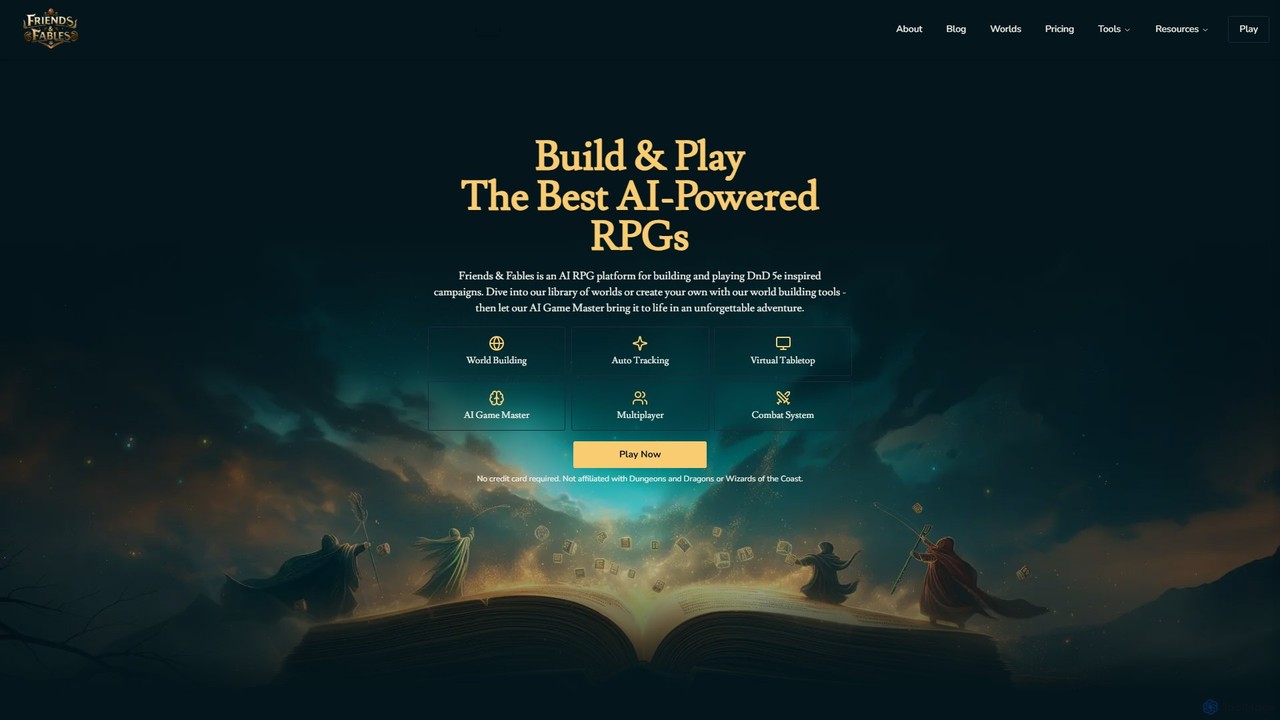
Friends & Fables is an AI-powered platform for creating and playing Dungeons & Dragons (DnD) 5e inspired text-based role-playing games. It features an intelligent AI Game Master, comprehensive world-building tools, and support for both solo and multiplayer adventures.

Role Playing
Visits 497.7KFavorites 122Likes 119
AIStoryBuilders
Freemium

AIStoryBuilders

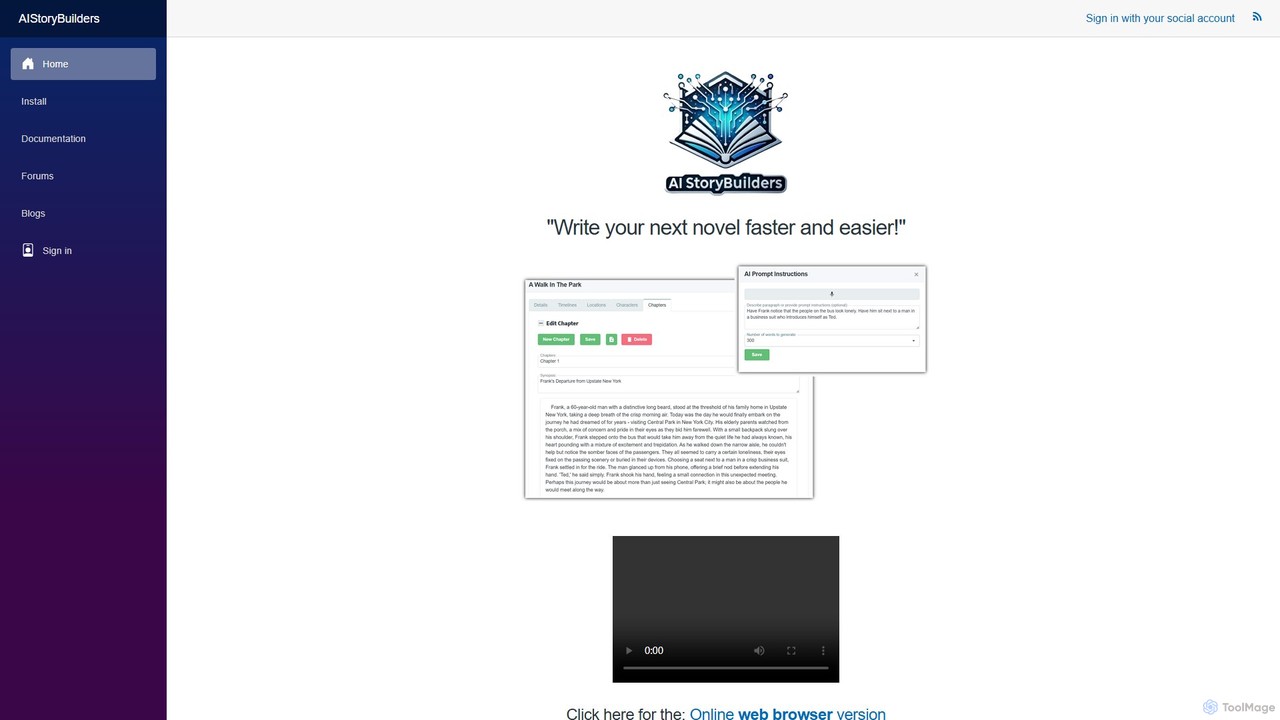
AIStoryBuilders is a specialized AI writing tool for novelists and storytellers. It uses a unique database system for characters, locations, and timelines to ensure contextual consistency in long-form narratives. Available as a web app and a Windows program, it connects to your OpenAI or Azure API key, offering a cost-effective way to write novels faster, overcome writer's block, and manage complex story structures.

Writing
Visits 7.4KFavorites 162Likes 155

About Creative Writing

Creative Writing AI tools are specialized artificial intelligence applications designed to assist and enhance the process of generating original literary content. These tools leverage advanced natural language processing (NLP) and generative AI models to help users brainstorm ideas, develop characters, craft compelling narratives, and refine their prose. They serve as powerful companions for authors, screenwriters, poets, and content creators within the broader domain of Storytelling, offering innovative ways to overcome writer's block and explore new creative avenues.

Core Features

  • Idea Generation: Suggests plot twists, themes, and settings to spark creativity.
  • Character Development: Creates detailed backstories, personality traits, and motivations for fictional characters.
  • Dialogue Generation: Crafts natural-sounding and contextually appropriate conversations between characters.
  • Style Adaptation: Adjusts writing to specific genres, tones, or authorial voices.
  • Plot Outlining: Helps structure narratives with logical progression and key story beats.

Applicable Scenarios

Novelists can use these tools to outline complex plots and develop consistent character arcs across an entire series. Screenwriters benefit from generating scene descriptions and dialogue for various characters, accelerating script development. Poets can explore different linguistic styles, meter, and rhyme schemes, experimenting with new forms.

How to Choose

Consider the tool's genre specialization (e.g., fantasy, sci-fi, romance), the depth of its character and plot development features, and its ability to adapt to your unique writing style. Evaluate the flexibility of its output editing, the user interface for ease of use, and its integration capabilities with your existing writing workflow. Check for features like plagiarism detection and content originality scores.

Creative Writing use cases

1

Drafting Novel Chapters

Novelists and aspiring authors can utilize Creative Writing AI tools to generate initial drafts of novel chapters or scenes based on their plot outlines and character descriptions. By inputting key plot points and character interactions, the AI can produce descriptive passages, dialogue, and narrative flow, significantly reducing the time spent on the initial writing phase and allowing authors to focus more on refining the story and adding their unique voice.

2

Developing Complex Character Backstories

Writers often struggle with creating rich, consistent backstories for their characters. Creative Writing AI tools can assist by taking basic character traits and generating detailed histories, motivations, fears, and aspirations. This helps ensure character depth and consistency across a narrative, providing a solid foundation for character-driven plots and authentic dialogue, saving hours of manual brainstorming and research.

3

Brainstorming Plot Twists and Story Arcs

Screenwriters and novelists can leverage AI to overcome creative blocks by generating innovative plot twists, subplots, and alternative story arcs. By feeding the AI existing story elements, it can suggest unexpected developments or explore different narrative directions, helping creators to inject fresh ideas into their work and ensure their stories remain engaging and unpredictable for the audience.

4

Crafting Engaging Dialogue for Scripts

Playwrights, screenwriters, and game writers can use Creative Writing AI to generate realistic and engaging dialogue for their characters. By providing character profiles and scene contexts, the AI can produce conversations that reflect individual personalities, advance the plot, and maintain a consistent tone. This streamlines the scriptwriting process, allowing creators to quickly iterate on dialogue options and ensure authenticity.

5

Generating Poetry in Specific Styles

Poets and lyricists can experiment with Creative Writing AI tools to generate verses that adhere to specific poetic forms, meters, or rhyme schemes. By inputting themes, keywords, or desired structures, the AI can produce creative text that explores different linguistic styles and emotional tones, offering a unique way to overcome creative blocks and discover new poetic expressions.

6

Adapting Content for Different Audiences

Content creators, marketers, and educators can use Creative Writing AI to adapt existing stories, articles, or educational materials for various target audiences. By specifying a desired tone, reading level, or cultural context, the AI can rewrite content to be more engaging for children, technical for experts, or casual for social media, ensuring broader appeal while maintaining the core message.

Creative Writing FAQ

What are Creative Writing AI tools?

Creative Writing AI tools are artificial intelligence applications specifically designed to assist in the generation and enhancement of original literary content. They leverage advanced natural language processing (NLP) and generative models to help users with tasks like brainstorming, character development, plot outlining, and dialogue creation. These tools aim to augment human creativity rather than replace it, offering new perspectives and accelerating the writing process for various forms of storytelling.

How do Creative Writing AI tools differ from general AI writing assistants?

While general AI writing assistants focus on improving grammar, spelling, clarity, and conciseness for various types of content (e.g., emails, reports), Creative Writing AI tools are specifically tailored for imaginative and narrative tasks. They excel at generating original ideas, developing fictional elements like characters and plots, crafting evocative descriptions, and adapting to specific literary styles. Their core function is to spark and support the creative process, rather than merely refining existing text.

What are the main benefits of using AI for creative writing?

Using AI for creative writing offers several key benefits. It can help overcome writer's block by generating fresh ideas and prompts, accelerate the drafting process by producing initial content quickly, and enhance consistency in character development and plot progression. AI tools also allow writers to experiment with different styles and genres, explore alternative narrative paths, and refine their prose more efficiently, ultimately boosting productivity and expanding creative possibilities.

Can Creative Writing AI tools help with writer's block?

Yes, Creative Writing AI tools are highly effective in combating writer's block. They can generate prompts, suggest plot developments, create character profiles, or even draft initial sentences and paragraphs based on minimal input. This provides a starting point or a fresh perspective, helping writers to break through mental barriers and reignite their creative flow. By offering diverse ideas and content variations, AI acts as a powerful brainstorming partner.

What should I look for when choosing a Creative Writing AI tool?

When selecting a Creative Writing AI tool, consider several factors. First, evaluate its genre specialization and the depth of its features for character and plot development. Look for flexibility in output editing and the ability to adapt to your unique writing style. User interface and ease of integration with your existing workflow are also crucial. Additionally, check for features like plagiarism detection, content originality scores, and the tool's capacity to handle long-form content generation, ensuring it meets your specific creative needs.