ToolMage
Sign in

Best 8 Interactive Fiction AI tools for Storytelling

Popular Interactive Fiction AI tools in Storytelling include AI Game Master, Hidden Door, ArcaneLand, Mythia, My Adventures, PlotPilot, Questas, and MythicMyth, helping you work more efficiently.

Questas
Freemium

Questas

Questas is an innovative AI-powered platform designed to create immersive, interactive choose-your-own-adventure stories. It features an intuitive visual editor for building complex branching narratives, enhanced with AI-generated images and videos, making storytelling accessible to everyone without coding or design skills.

Visual Storytelling
Visits 5.7KFavorites 127Likes 139
Hidden Door

Hidden Door

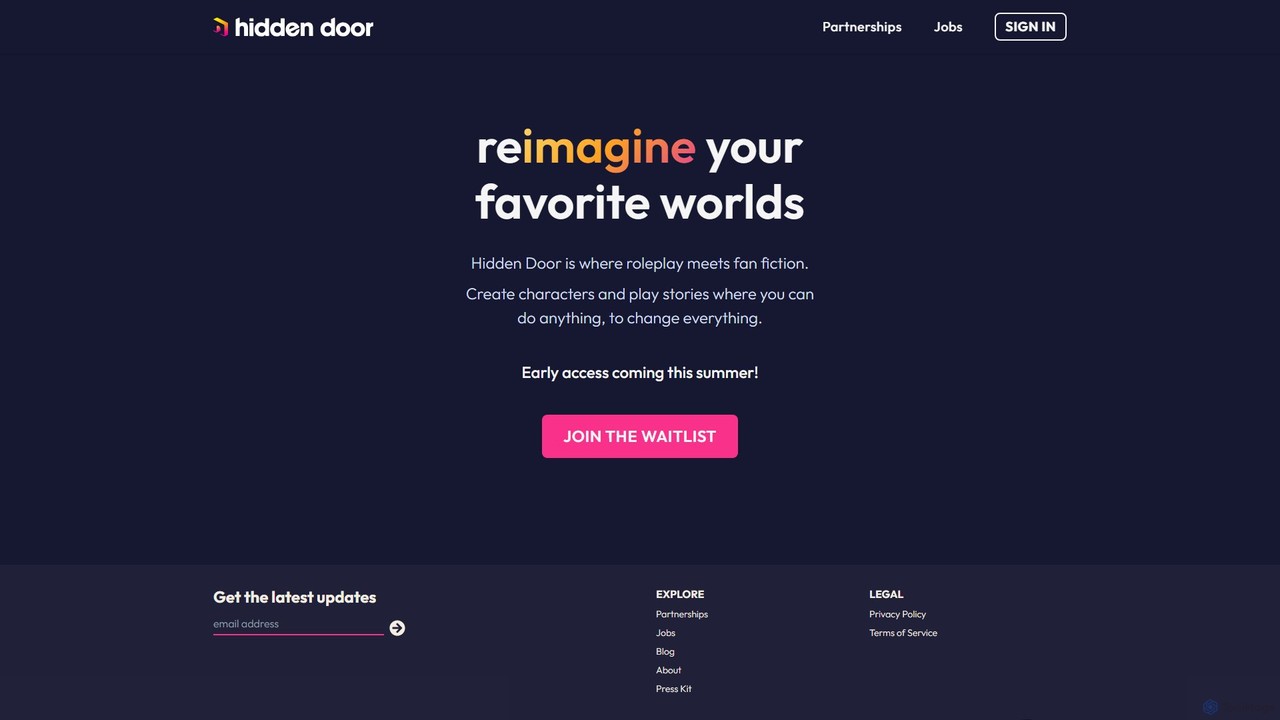
Hidden Door is an AI-powered social role-playing platform that transforms your favorite books, movies, and comics into immersive, interactive story games. Create characters, team up with friends, and explore beloved worlds where your choices truly change the narrative.

Fan Communities
Visits 15.1KFavorites 113Likes 124
ArcaneLand
Freemium

ArcaneLand

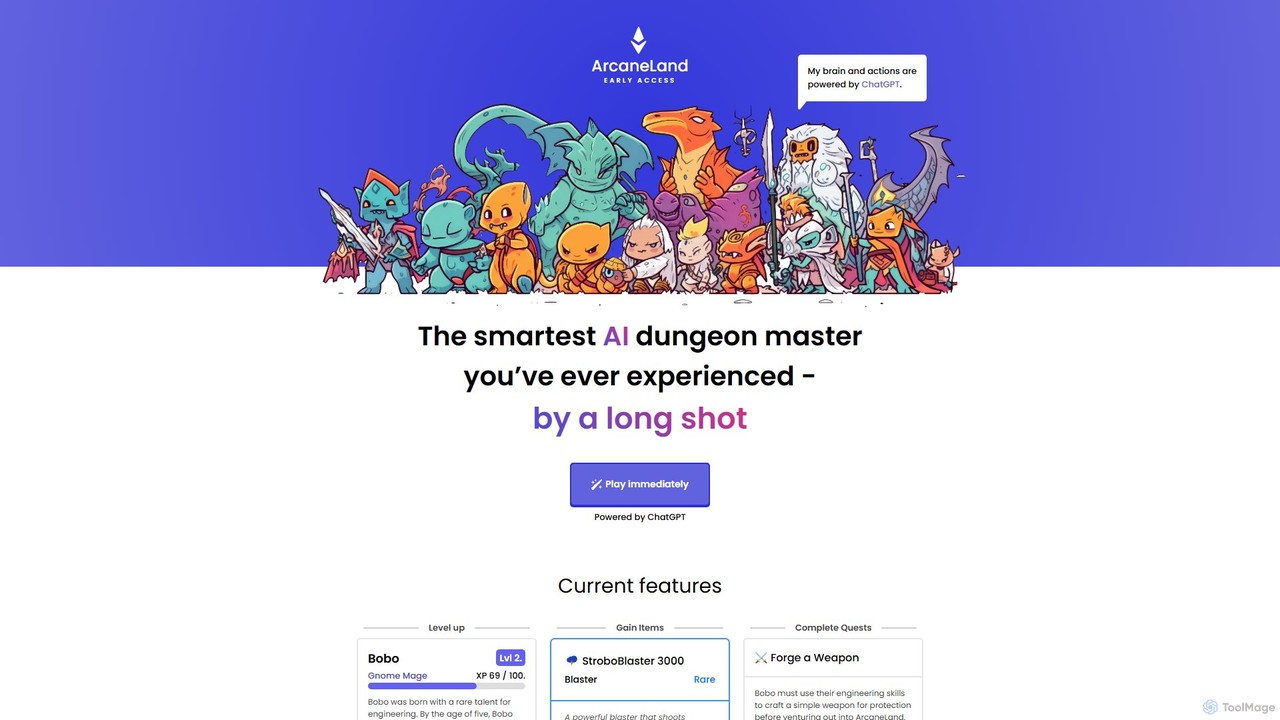
ArcaneLand is an AI-powered text-based adventure game that casts you as the hero in a limitless story. Powered by ChatGPT, it acts as an intelligent Dungeon Master, enabling you to create any character, explore infinite worlds, level up, gain items, and complete dynamic quests in a narrative that evolves with your choices.

Role Playing
Visits 9.9KFavorites 105Likes 97
MythicMyth
Freemium

MythicMyth

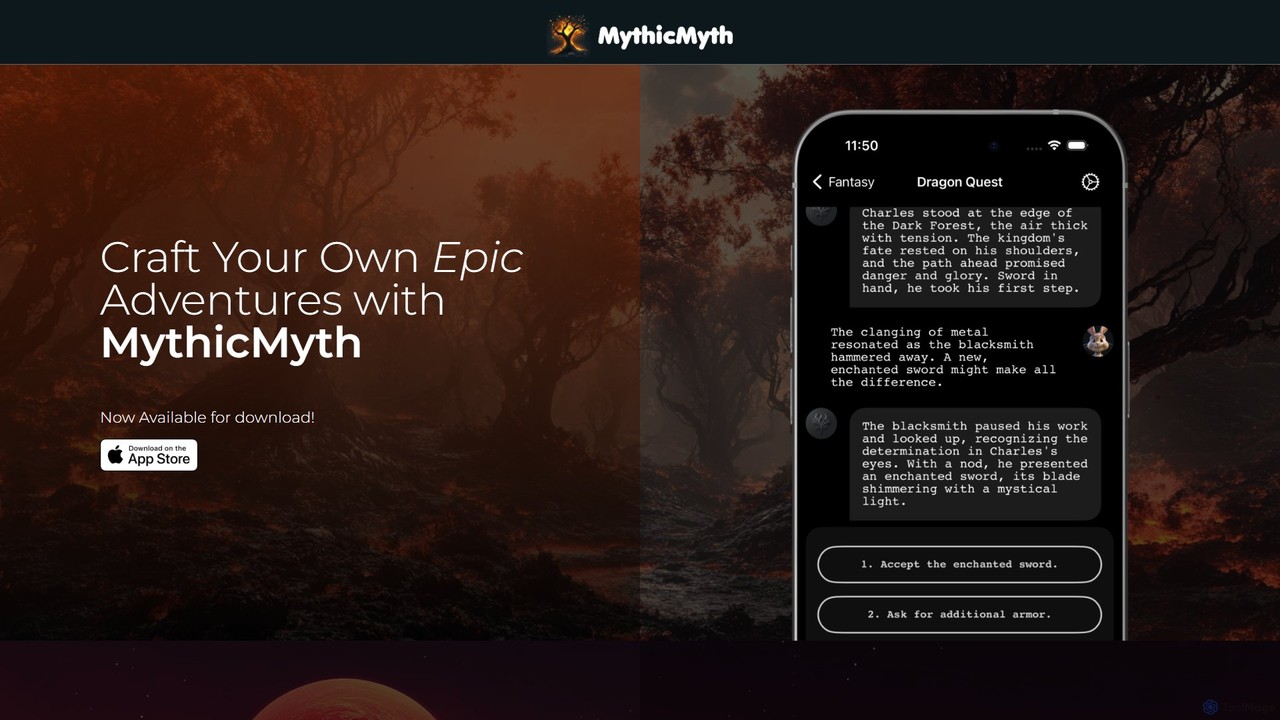
MythicMyth is an AI-powered interactive storytelling platform that generates unique, captivating adventures based on your choices. Explore diverse scenarios, from romance to entrepreneurship, and shape your own epic saga with extensive personalization options.

Writing
Visits 5.6KFavorites 144Likes 150
Mythia
Freemium

Mythia

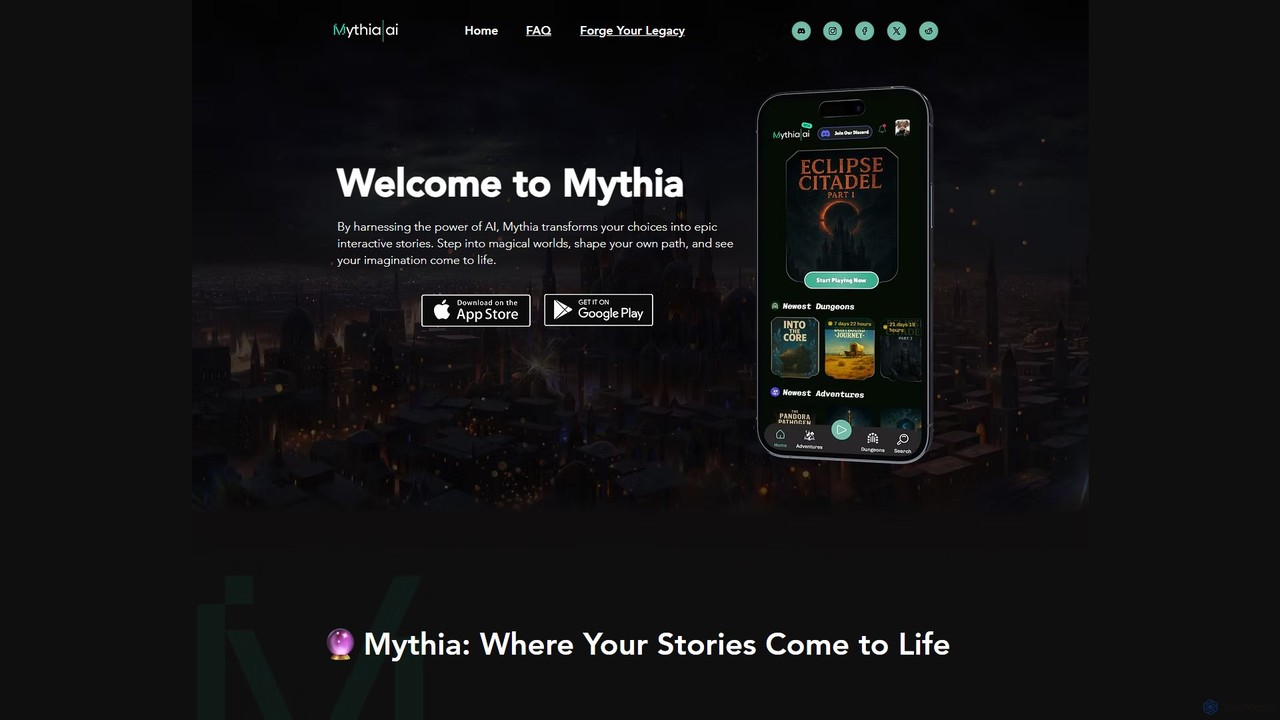
Mythia is an AI-powered platform that transforms your choices into epic interactive stories. Explore immersive worlds, shape your own path in dynamic adventures, or test your skills in tactical dungeons. It's a unique fusion of storytelling, creativity, and role-playing.

Entertainment
Visits 9.5KFavorites 152Likes 178
My Adventures
Freemium

My Adventures

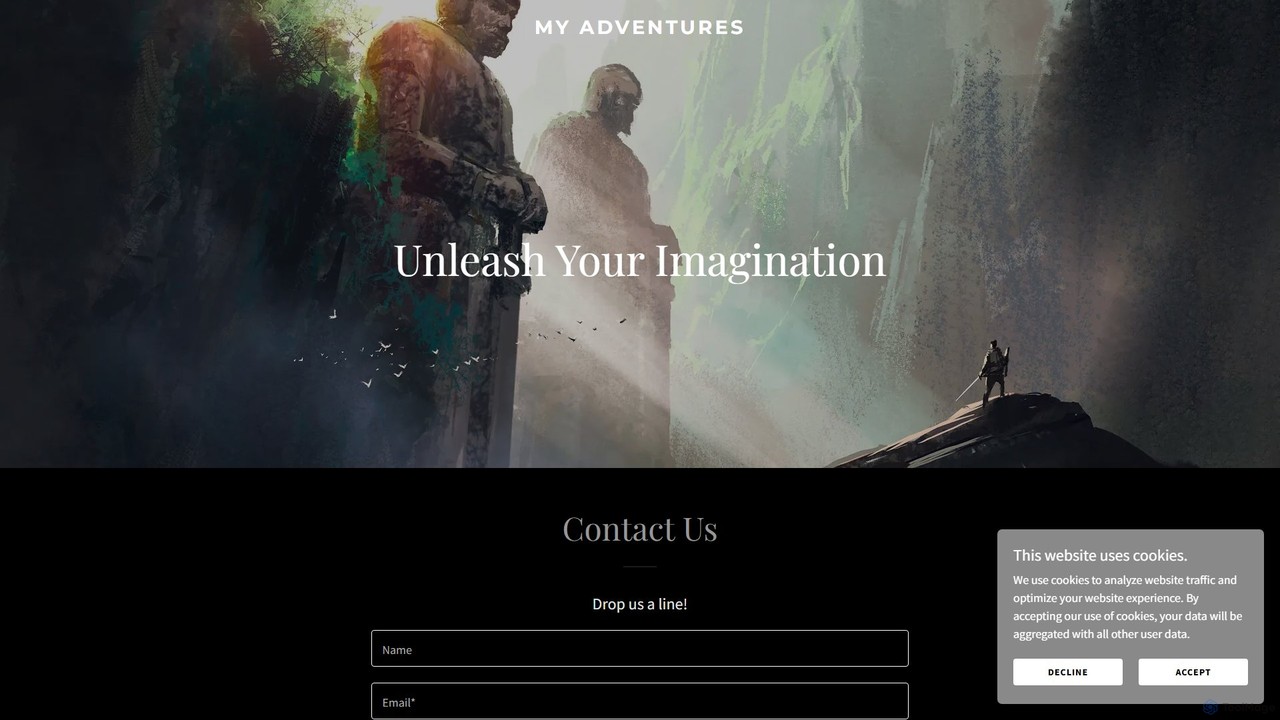
An AI-powered platform for creating and playing unique, interactive text-based adventures. Unleash your imagination by crafting dynamic stories, developing characters, and exploring infinite worlds generated in real-time based on your choices. Perfect for writers, gamers, and creative minds.

Writing Assistant
Visits 6.2KFavorites 111Likes 96
AI Game Master
Freemium

AI Game Master

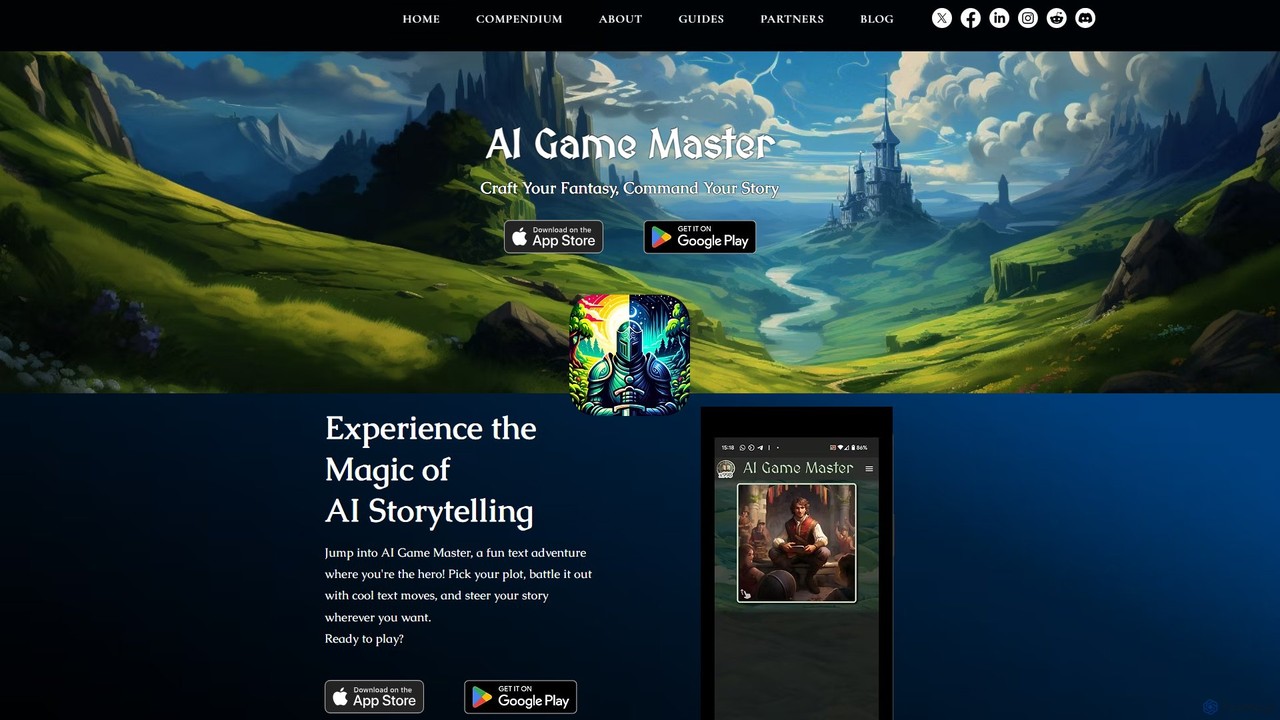
AI Game Master is an AI-powered text adventure platform where you create your own fantasy RPG stories. It features a unique free-text combat system, limitless character creation, and collaborative multiplayer adventures. The AI acts as your personal Dungeon Master, adapting the narrative to your choices in real-time.

Games
Visits 21.4KFavorites 151Likes 143
PlotPilot
Freemium

PlotPilot

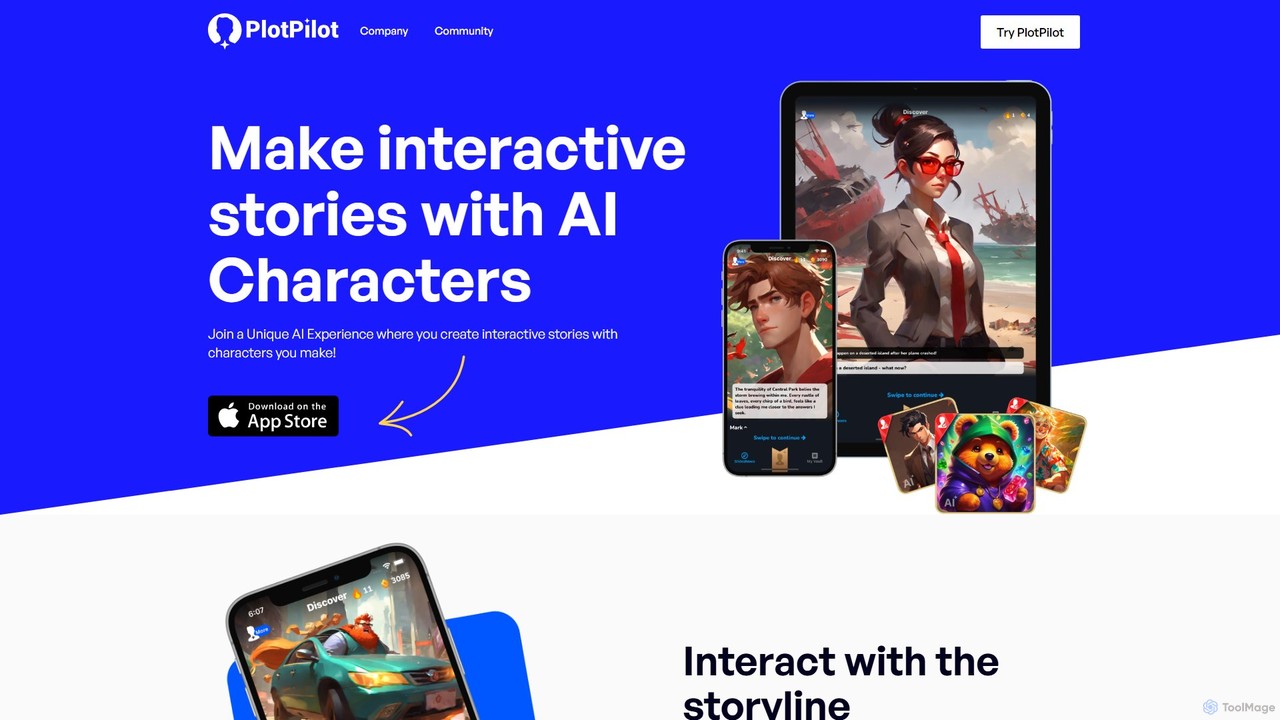
PlotPilot is an AI-powered mobile app for creating and experiencing interactive stories. Design unique characters, generate vivid scenes with AI visuals and audio, and direct the plot with your choices. It's a unique platform where you become the master of your own narrative, crafting and sharing immersive tales with a global community of creators.

Image Generation
Visits 5.7KFavorites 104Likes 114

About Interactive Fiction

Interactive Fiction (IF) tools are a specialized category of AI storytelling software that enables the creation of dynamic, choice-based narratives. These tools leverage AI to manage complex branching paths, generate responsive text, and create characters that react to player decisions. This empowers creators to build immersive experiences where the audience is not just a reader, but a participant shaping the outcome. Unlike linear storytelling aids, AI-powered IF platforms can generate novel story branches or character dialogues in real-time, adding depth and replayability.

Core Features

  • Branching Narrative Design: Visually map out story paths, decision points, and multiple endings in a structured way.
  • AI-Powered Content Generation: Automatically generate descriptive text, character dialogue, or plot twists based on creator prompts.
  • State & Variable Management: Track player choices, inventory, and relationship scores to influence future events and create a personalized story.
  • Natural Language Input: Allow players to interact by typing commands or questions, offering a deeper level of immersion beyond clicking options.
  • Multi-platform Export: Publish the finished interactive story to various formats, such as web pages, standalone apps, or game engine assets.

Use Cases

Interactive Fiction tools are primarily used in game development for text-based adventures, visual novels, and RPGs. They are also valuable in education for creating decision-making simulations and in marketing for building engaging, story-driven customer experiences. Any field that benefits from audience participation can leverage these tools.

How to Choose

When selecting an Interactive Fiction tool, consider the complexity of logic your story requires—simple choices versus complex variable tracking. Evaluate the quality and coherence of the AI-generated text. Assess the user interface: is it a no-code visual editor suited for writers, or does it require scripting knowledge for developers? Finally, check the available export options to ensure they match your intended publishing platform.

Interactive Fiction use cases

1

Developing a Visual Novel Game

An indie game developer uses an AI Interactive Fiction tool to create a visual novel. They design the main plot points and character arcs, then use the AI to generate branching dialogue options and descriptive scene text for different player choices. The tool's variable management system tracks the player's relationship with each character, unlocking unique story paths and endings. This significantly reduces the writing workload and allows for a more complex, reactive story than could be manually scripted in the same timeframe.

2

Creating Corporate Compliance Training

A corporate trainer designs an interactive simulation to teach employees about ethical decision-making. Using an IF tool, they create realistic workplace scenarios where employees must make choices. The AI generates consequences and feedback based on their decisions, explaining the real-world impact. This active learning approach improves knowledge retention compared to passive video lectures, as employees directly experience the outcomes of their actions in a safe, controlled environment.

3

Building an Interactive Marketing Campaign

A marketing team for a new product creates a 'choose your own adventure' experience on their website. Visitors interact with a story related to the product, making decisions that lead them through an engaging narrative. The AI tool helps generate unique paths and personalized outcomes, making each user's journey feel unique. This gamified approach increases user engagement, time spent on the site, and creates a memorable brand interaction that can lead to higher conversion rates.

4

Prototyping Game Narrative and Quests

A narrative designer for an RPG studio uses an AI Interactive Fiction tool for rapid prototyping. Instead of writing full scripts, they outline quest structures and key dialogue moments. The AI then fleshes out the conversations and environmental descriptions, allowing the team to quickly playtest the flow and feel of a quest. This helps identify plot holes and pacing issues early in development, saving significant time before committing to expensive voice acting and animation.

5

Personalized Educational Storytelling

An educator creates an interactive story for young learners to practice reading and problem-solving. The story's difficulty and vocabulary adapt based on the child's choices and answers to embedded questions. The AI can generate new, simpler story branches if the child struggles with a concept, or introduce more complex challenges if they are excelling. This creates a personalized learning path that keeps the child engaged and appropriately challenged, improving educational outcomes.

6

Authoring Interactive Fan Fiction

A fan fiction author uses a user-friendly IF tool to convert their linear story into a branching narrative. Readers can now make choices for the main character, exploring 'what if' scenarios that deviate from the original plot. The AI assists by generating descriptive text for the new branches, maintaining the tone of the source material while allowing the author to explore creative possibilities without writing every single word from scratch. This creates a more immersive and replayable experience for the fan community.

Interactive Fiction FAQ

What are AI Interactive Fiction tools?

AI Interactive Fiction (IF) tools are software applications that help creators build stories where the audience's choices affect the outcome. They use AI to manage complex branching narratives, generate dynamic text or dialogue, and create responsive story worlds. Unlike traditional writing software, these tools are specifically designed for non-linear storytelling, enabling the creation of everything from text-based adventure games to complex training simulations where user agency is key.

How do I choose the right Interactive Fiction tool?

Choosing the right tool depends on your project's needs. Consider these factors:

  • Technical Skill: Do you need a no-code, visual editor, or are you comfortable with a scripting language for more control?
  • Narrative Complexity: Does your story require simple branches or complex logic with variables, conditions, and state tracking?
  • AI Features: Do you need AI for generating text and dialogue, or primarily for managing story logic and branching?
  • Platform Support: Where do you plan to publish your story (web, mobile, PC)? Ensure the tool can export to your target format.

Evaluate tools based on how well they align with these requirements.

What's the difference between Interactive Fiction and general AI Storytelling tools?

Interactive Fiction (IF) tools are a specific subset of AI Storytelling tools focused on creating choice-based, branching narratives. The core feature is enabling player agency to influence the story's direction. General AI Storytelling tools have a broader scope; they might generate a complete linear story from a prompt, create character backstories, brainstorm plot ideas, or act as a writing assistant for a static narrative. In short, IF tools are for building playable, interactive experiences, while broader storytelling tools are often for assisting in the creation of non-interactive content.

Do I need to be a programmer to use these tools?

Not necessarily. Many modern AI Interactive Fiction tools offer no-code or low-code interfaces with visual editors. These allow you to create branching paths, write content, and manage variables using drag-and-drop systems or simple forms, making them accessible to writers and designers. However, more advanced platforms might offer scripting capabilities (like Python or JavaScript) for creators who want finer control over game mechanics and complex logic. There is a tool for nearly every skill level.

What kind of stories can be created with these tools?

The possibilities are vast. Common genres in entertainment include text-based adventure games, mystery and detective stories, visual novels, and role-playing games (RPGs). Beyond entertainment, they are widely used for creating:

  • Educational Content: Interactive lessons and historical simulations.
  • Corporate Training: Scenarios for sales, customer service, and compliance training.
  • Marketing Materials: Engaging product demos and brand stories.
  • Therapeutic Tools: Guided narratives for mental health exercises.

Any narrative that can be enhanced by reader choice is a good candidate for an Interactive Fiction tool.