Entertainment Best in category 13 results Games AI Tool

Popular AI tools in the Games field of Entertainment include tarotap、Truth or Dare AI、AI Game Master、Pikant、Tarot Master、askquin、myaitarot、Playoff Bracket Maker、EpicMusicQuiz、Tarot Card Art, etc., helping you quickly improve efficiency.

Pikant

Pikant

Pikant is an AI-powered app designed for committed couples to deepen intimacy, strengthen connection, and reignite passion. It …

5.6K
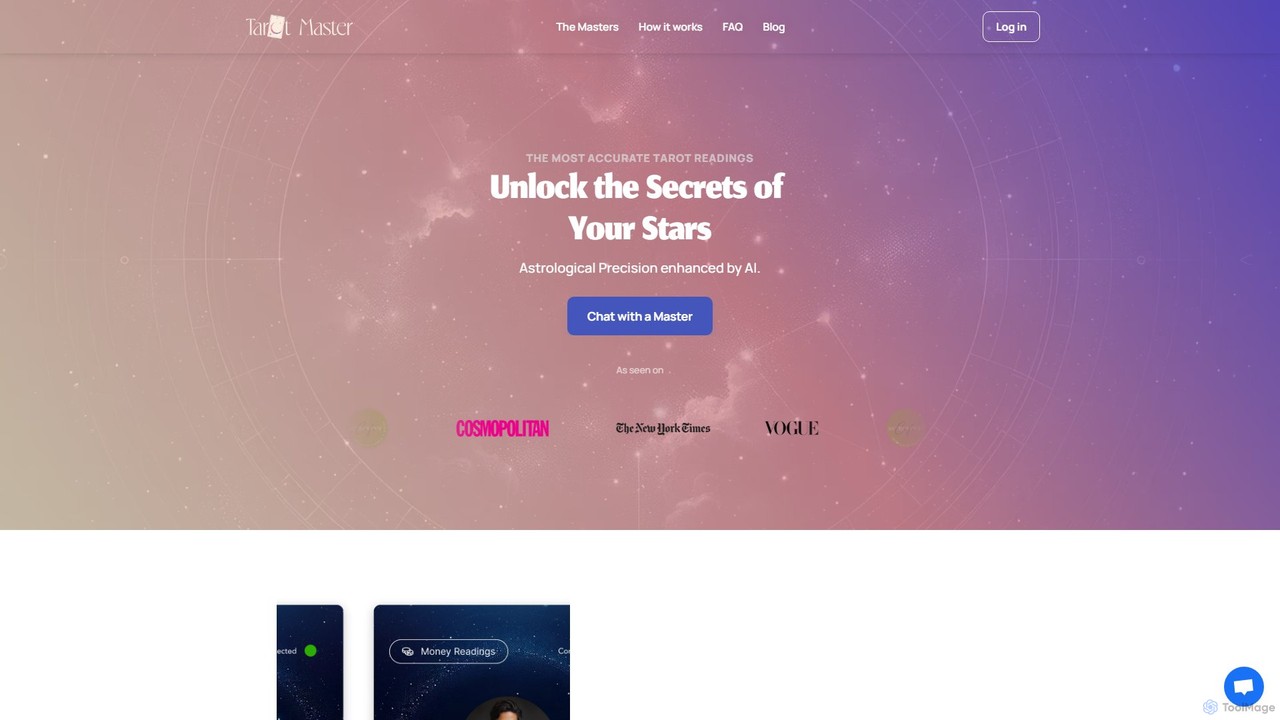
Tarot Master

Tarot Master

Tarot Master is an AI-powered platform that combines the mystical wisdom of Tarot with the precision of Astrology. …

4.9K
Free
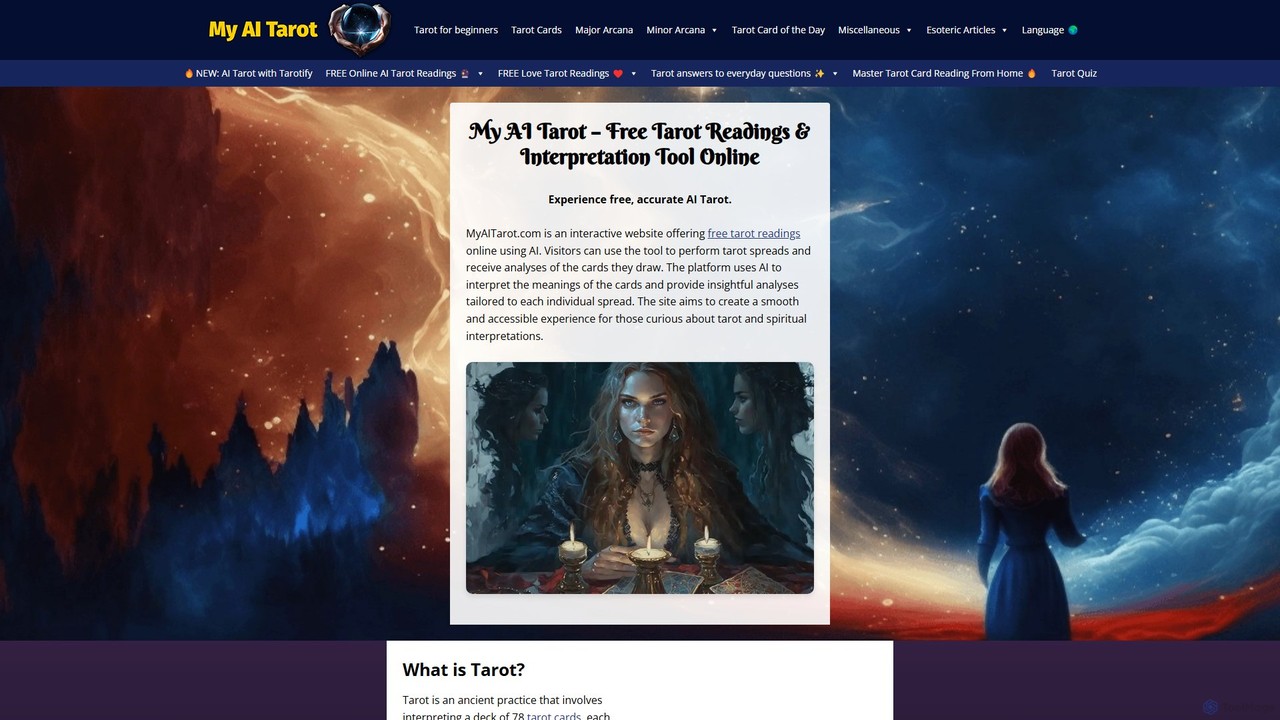
myaitarot

myaitarot

myaitarot is a free, AI-powered online tarot reading tool offering a wide range of spreads for insight, self-reflection, …

2.8K
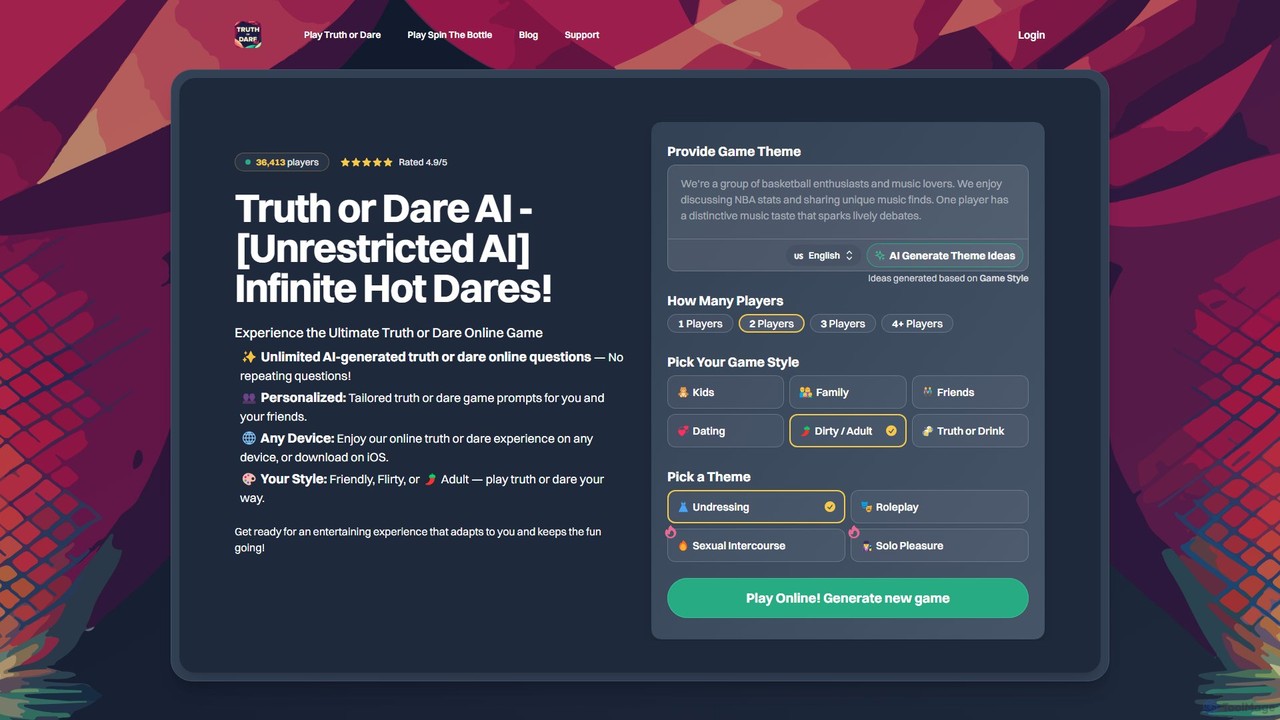
Truth or Dare AI

Truth or Dare AI

Truth or Dare AI revolutionizes the classic party game with unlimited, AI-generated questions and dares. It offers customizable …

20.0K
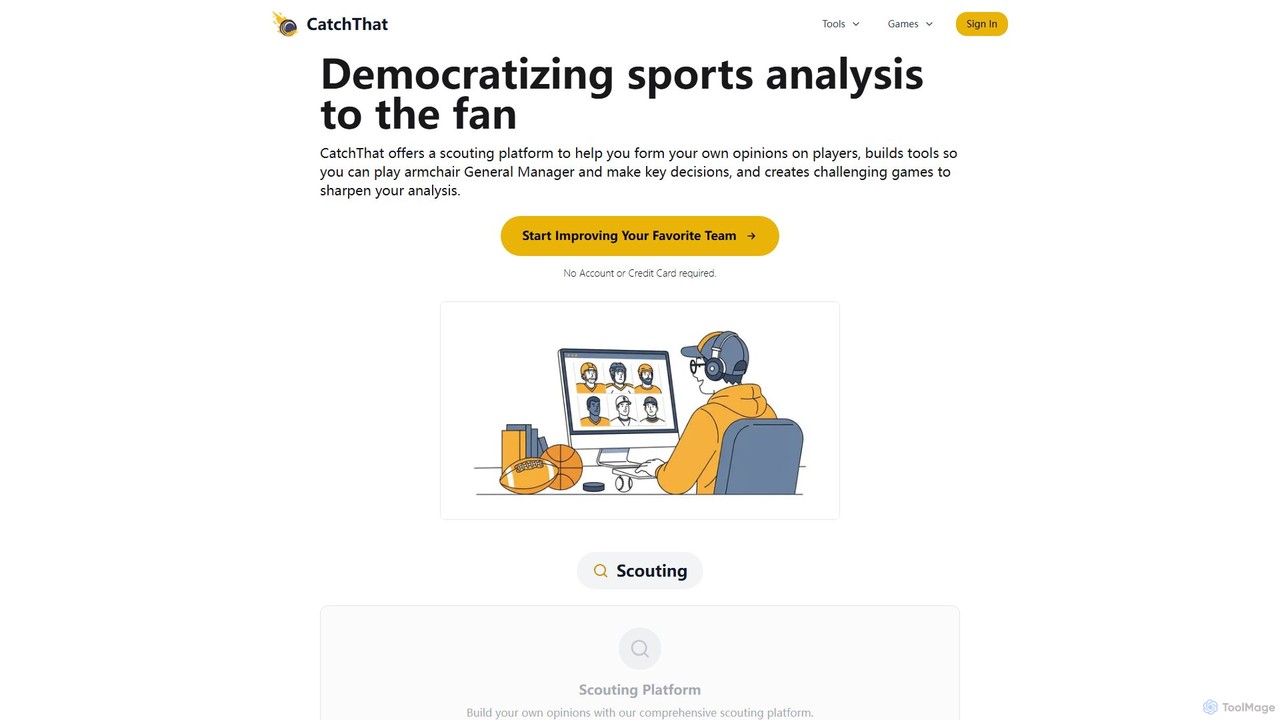
CatchThat

CatchThat

CatchThat is a platform for sports fans, offering tools and games to democratize sports analysis. Act as an …

2.7K
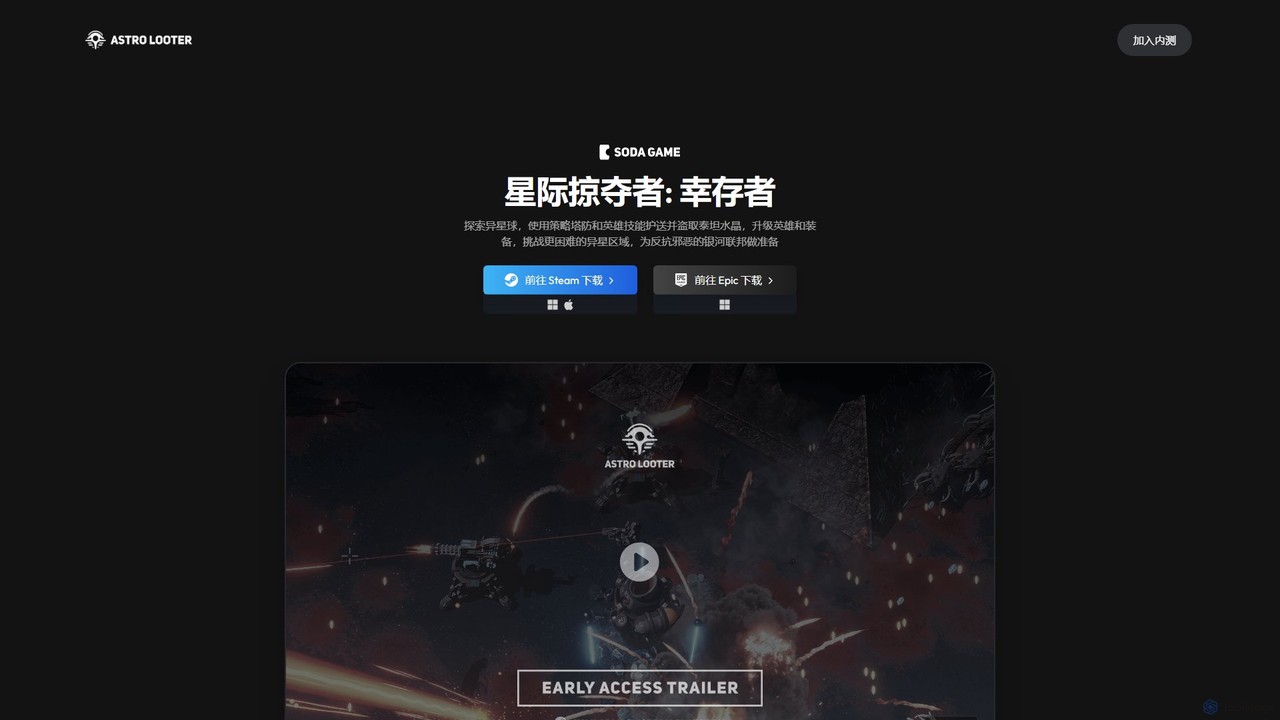
Astro Looter

Astro Looter

Astro Looter is an intense action roguelike game blending top-down shooter and tower-defense elements. As an elite looter, …

2.8K
Free
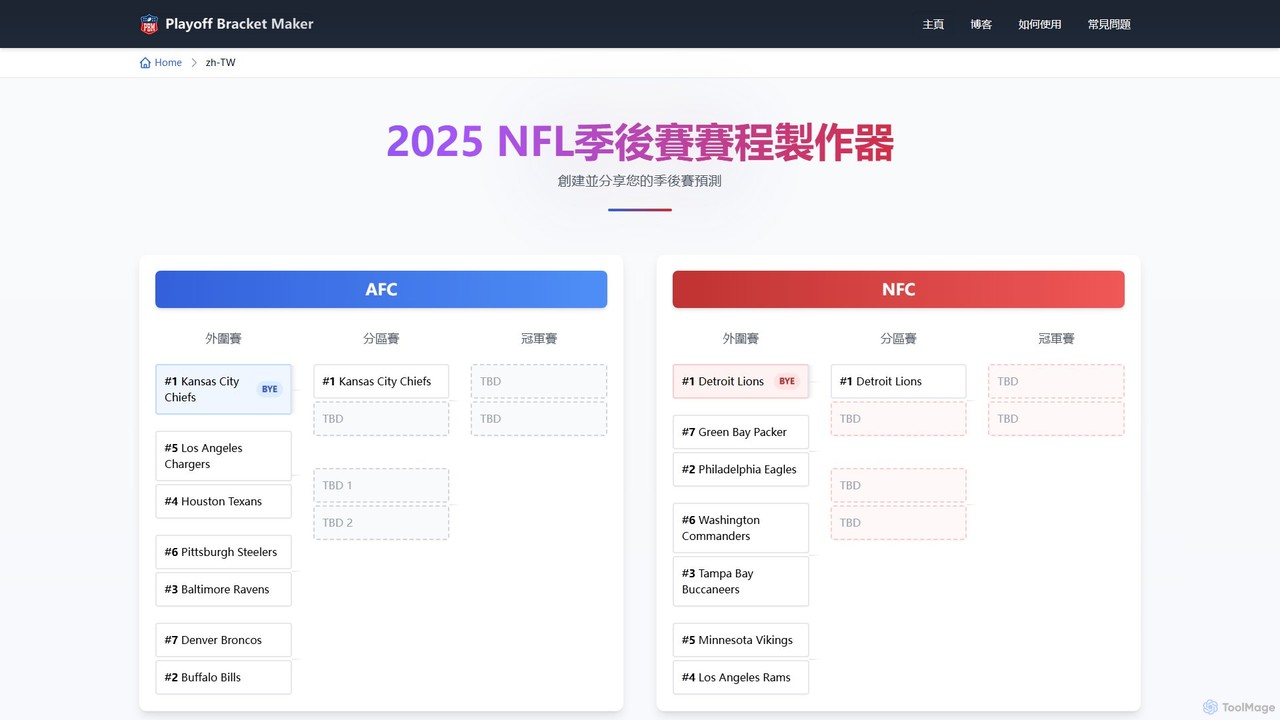
Playoff Bracket Maker

Playoff Bracket Maker

A free, interactive web tool for NFL fans to create, visualize, and share their playoff predictions. Easily click …

2.8K
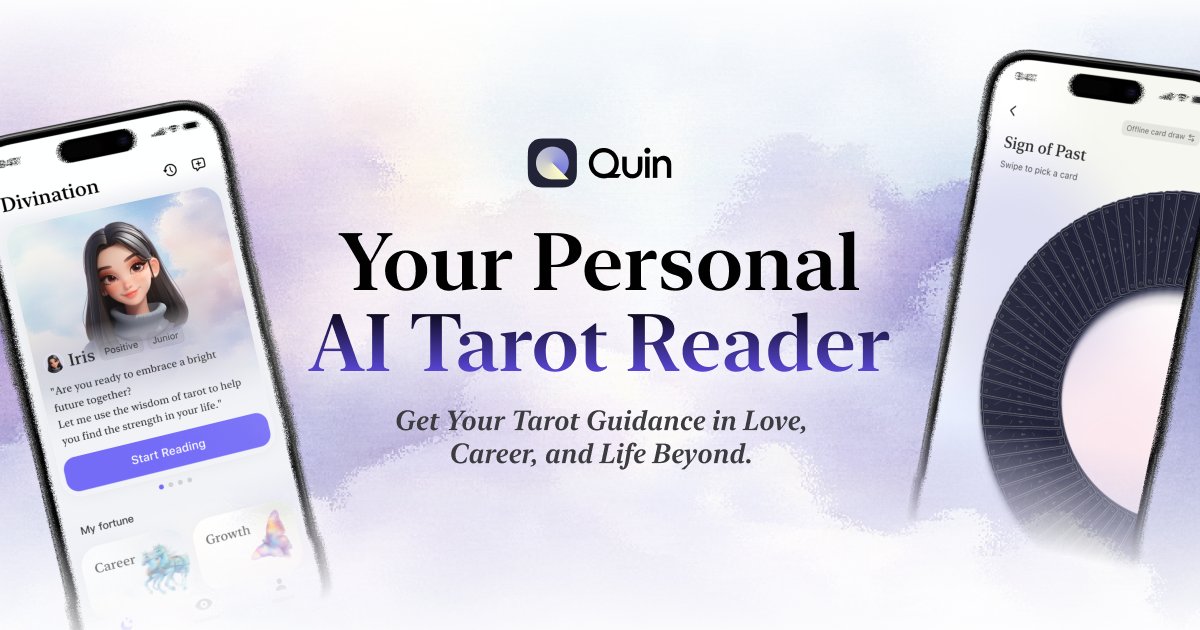
askquin

askquin

askquin is your personal AI tarot reader, offering precise and empathetic guidance for love, career, and life's challenges. …

4.1K
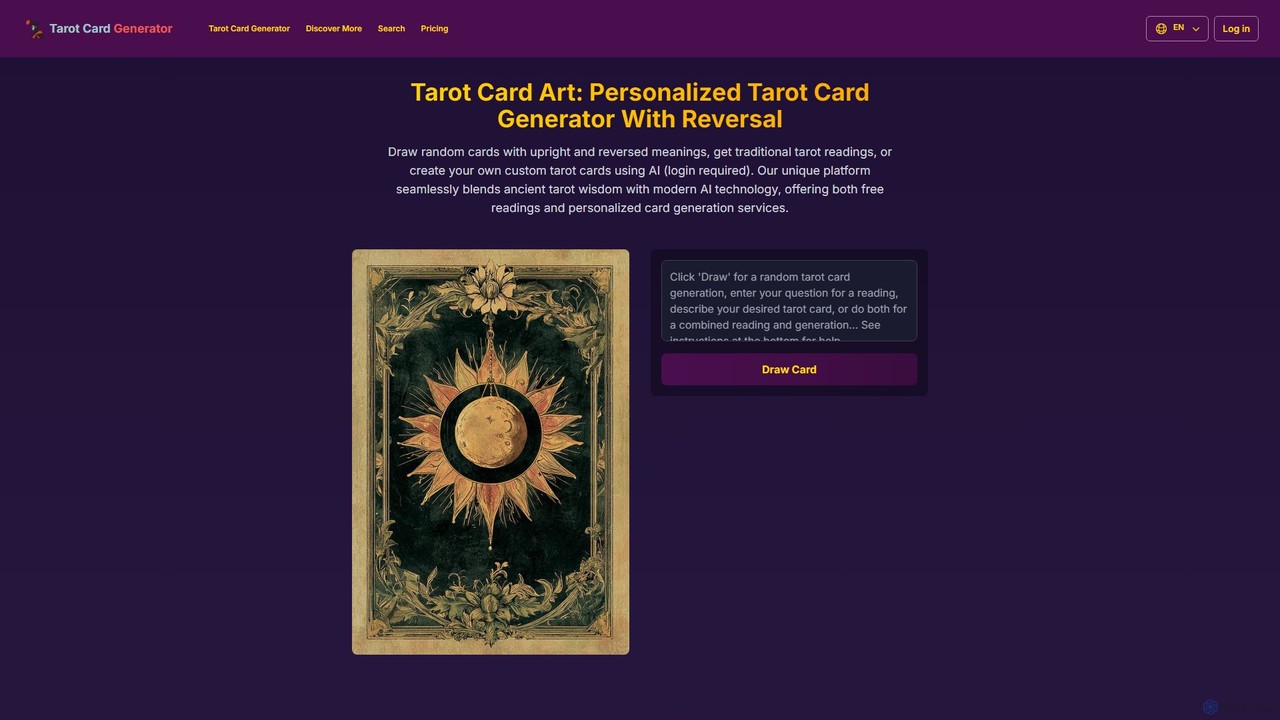
Tarot Card Art

Tarot Card Art

Tarot Card Art is an AI-powered platform that blends ancient mysticism with modern technology. It allows users to …

2.8K
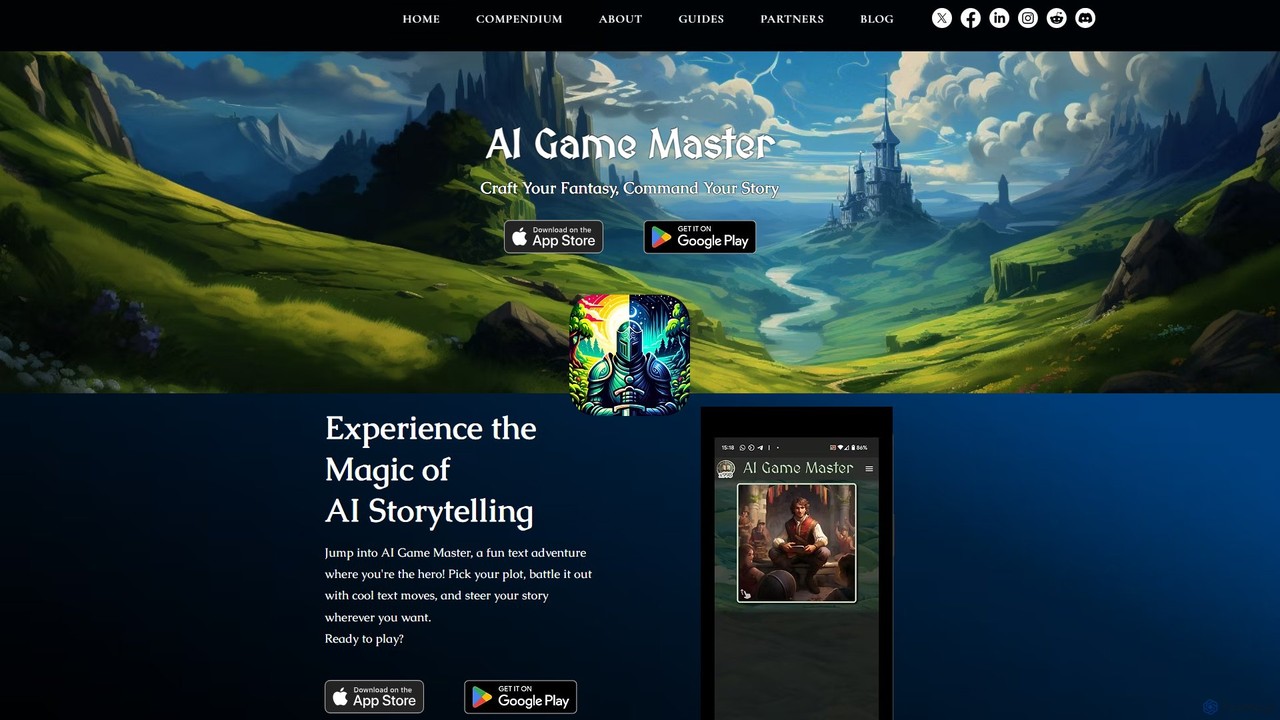
AI Game Master

AI Game Master

AI Game Master is an AI-powered text adventure platform where you create your own fantasy RPG stories. It …

19.6K
Free
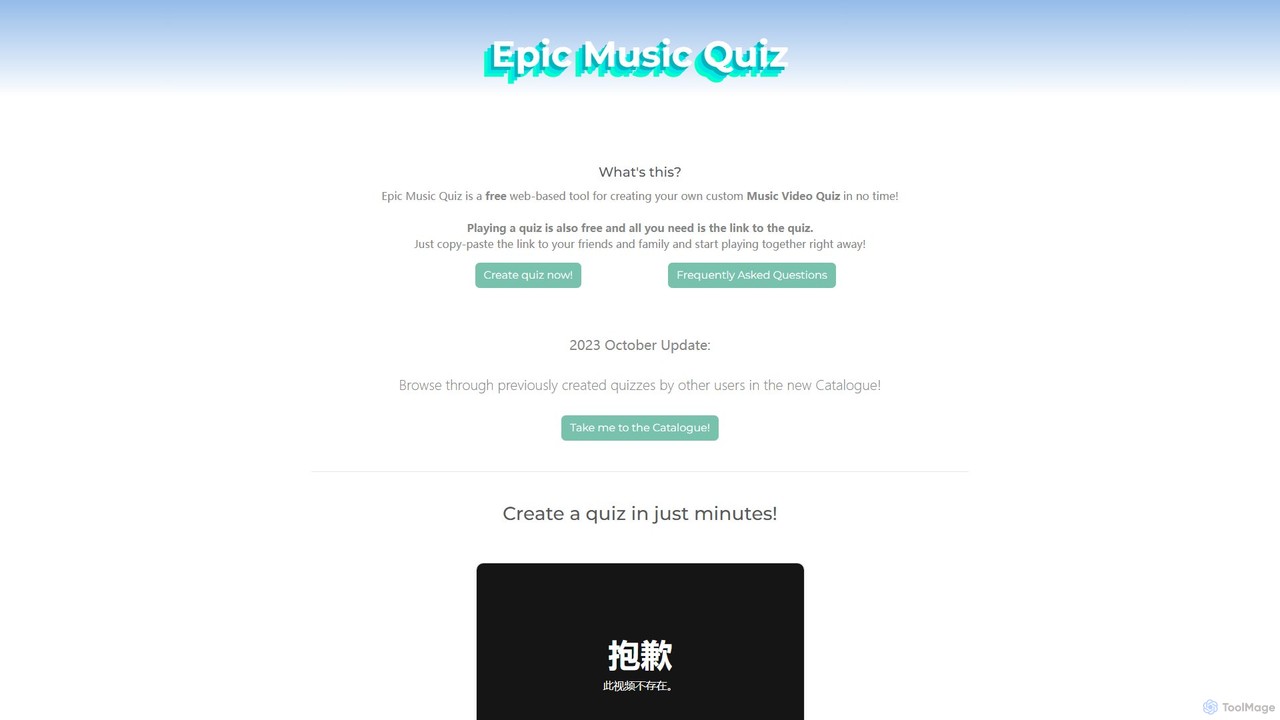
EpicMusicQuiz

EpicMusicQuiz

A free, web-based tool for creating and playing custom music video quizzes. Easily add multiple videos, share with …

2.8K
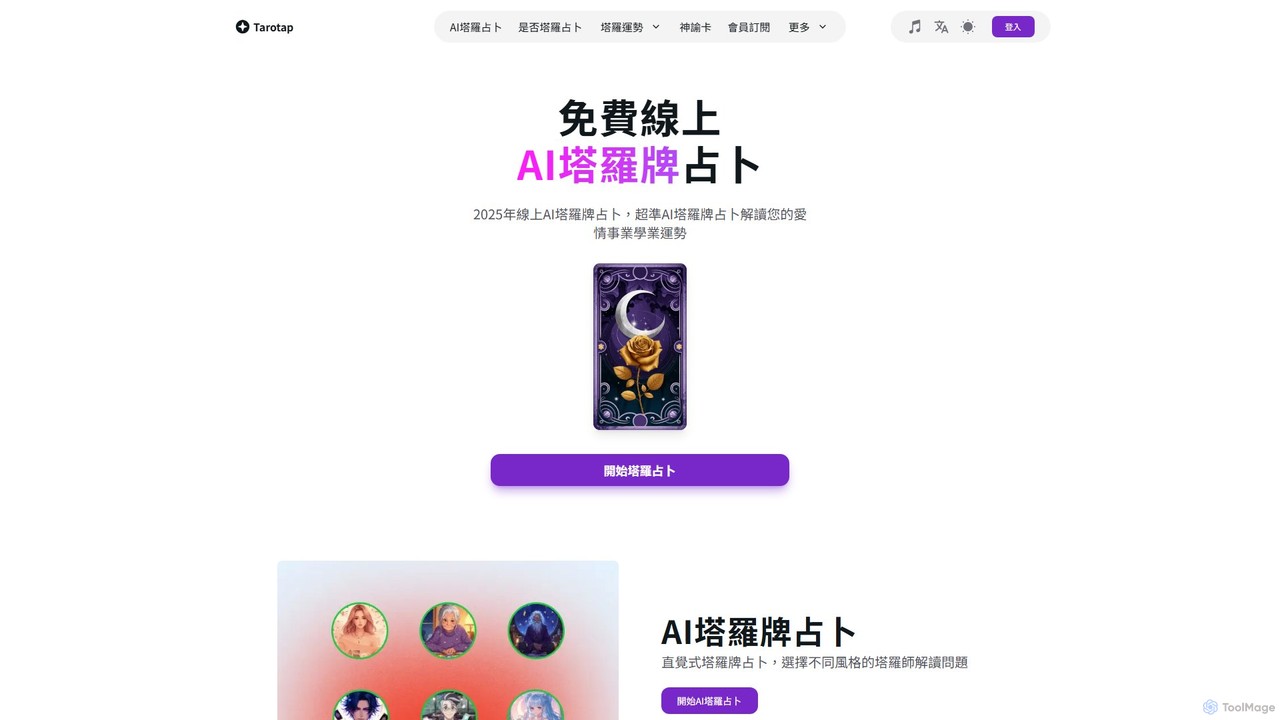
tarotap

tarotap

Tarotap is an AI-powered online platform for Tarot and Oracle card readings. It offers personalized interpretations for love, …

2.0M
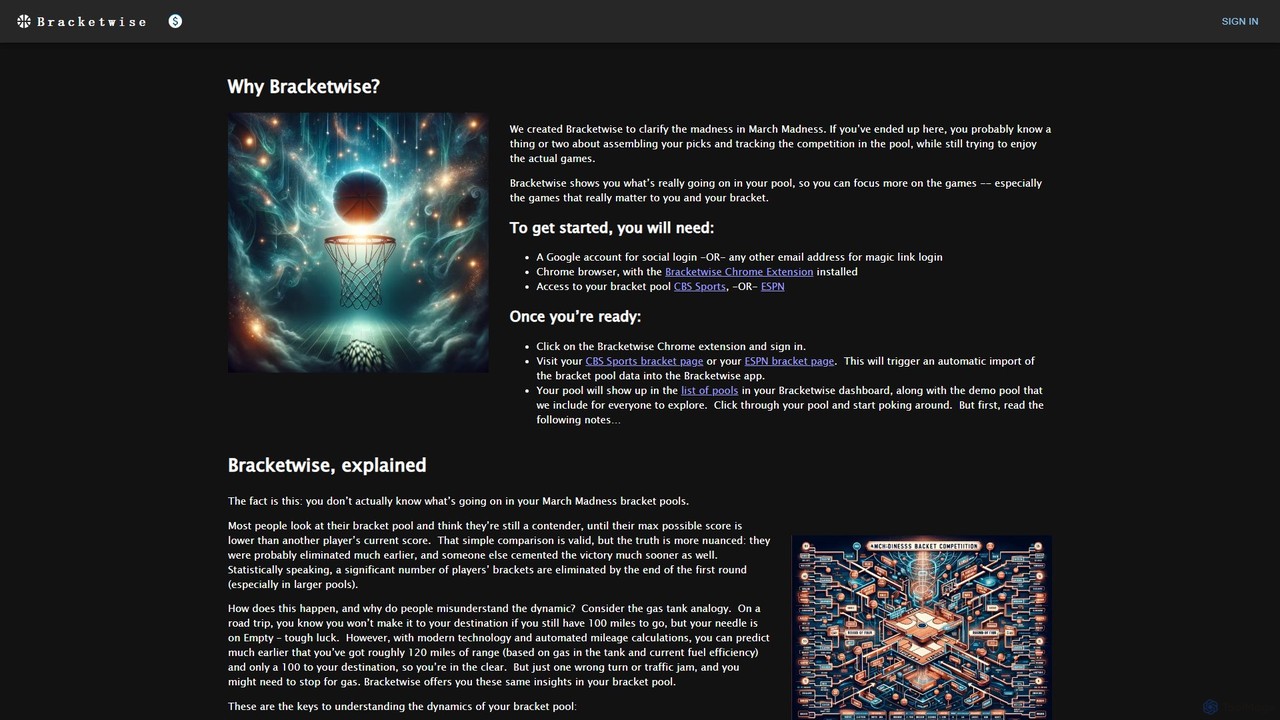
Bracketwise

Bracketwise

An advanced analytics tool for March Madness bracket pools. Bracketwise imports your pool data from ESPN or CBS …

2.7K

About Games

AI Games tools are specialized artificial intelligence applications designed to enhance, create, and manage various aspects of the gaming industry. These tools leverage advanced algorithms, machine learning, and generative AI to automate development processes, enrich player experiences, and optimize game operations. They offer innovative solutions for everything from procedural content generation and intelligent NPC behavior to personalized gameplay and automated testing, significantly transforming how games are made and played within the broader entertainment landscape.

Core Features

  • Procedural Content Generation: Automatically creates game levels, assets, textures, and scenarios, reducing manual design effort.
  • Intelligent NPC Behavior: Develops sophisticated non-player character AI that learns, adapts, and provides dynamic challenges or interactions.
  • Personalized Player Experience: Adapts game difficulty, narrative, or content based on individual player performance and preferences.
  • Automated Game Testing: Utilizes AI agents to playtest games, identify bugs, and analyze gameplay balance more efficiently than human testers.
  • Game Design & Prototyping: Assists designers in rapidly generating concept art, character models, and initial game mechanics.

Use Cases

Game developers, designers, and studios utilize AI Games tools to streamline their workflows and innovate. For instance, indie developers can use AI for rapid prototyping and asset creation, while larger studios employ it for complex NPC AI development and extensive automated quality assurance. These tools are crucial for creating more immersive, dynamic, and engaging interactive entertainment experiences.

How to Choose

When selecting AI Games tools, consider the specific development stage (e.g., concept, production, testing) and the desired AI functionality (e.g., content generation, NPC AI, analytics). Evaluate the tool's integration capabilities with existing game engines (Unity, Unreal), its learning curve, pricing model, and the quality of its output. Scalability and community support are also vital for long-term project success.

GamesUse Cases

1

Automating Game Level Design

Game designers can leverage AI tools to procedurally generate diverse and complex game levels, maps, or environments. By inputting parameters like theme, difficulty, and desired elements, the AI can rapidly create multiple unique layouts, significantly accelerating the prototyping phase and providing fresh challenges for players without extensive manual effort. This allows designers to focus on refining gameplay mechanics rather than repetitive level construction.

2

Enhancing Non-Player Character (NPC) Intelligence

Developers use AI to create more realistic and adaptive NPC behaviors. Instead of scripted responses, AI-powered NPCs can learn from player actions, make strategic decisions, and engage in dynamic interactions, offering a more immersive and unpredictable gaming experience. This is particularly valuable in open-world games or simulations where complex character interactions are key to player engagement.

3

Personalized In-Game Content Delivery

AI tools analyze player data, preferences, and playstyle to deliver personalized content, such as adaptive difficulty scaling, tailored quest lines, or customized cosmetic item recommendations. This ensures that each player's experience feels unique and engaging, increasing retention and satisfaction by continuously adapting the game world to their individual journey.

4

Rapid Game Asset Generation

Artists and developers can utilize generative AI to quickly create a wide array of game assets, including textures, 3D models, character variations, and sound effects. By providing text prompts or reference images, the AI can produce high-quality assets in various styles, drastically reducing the time and resources required for asset production and enabling faster iteration in game development.

5

Efficient Game Quality Assurance and Testing

AI-driven testing platforms deploy intelligent agents to autonomously play through games, identifying bugs, glitches, and balance issues far more efficiently than human testers. These AI agents can simulate various player behaviors and stress-test game systems, providing comprehensive reports that help developers pinpoint and resolve critical issues before release, ensuring a smoother player experience.

6

Dynamic Storytelling and Narrative Generation

AI tools can assist writers and designers in generating dynamic narratives, branching storylines, and dialogue options that adapt to player choices and in-game events. This allows for more emergent storytelling, where the plot evolves based on player agency, creating deeply personal and replayable narrative experiences that are difficult to achieve with purely handcrafted content.

GamesFrequently Asked Questions