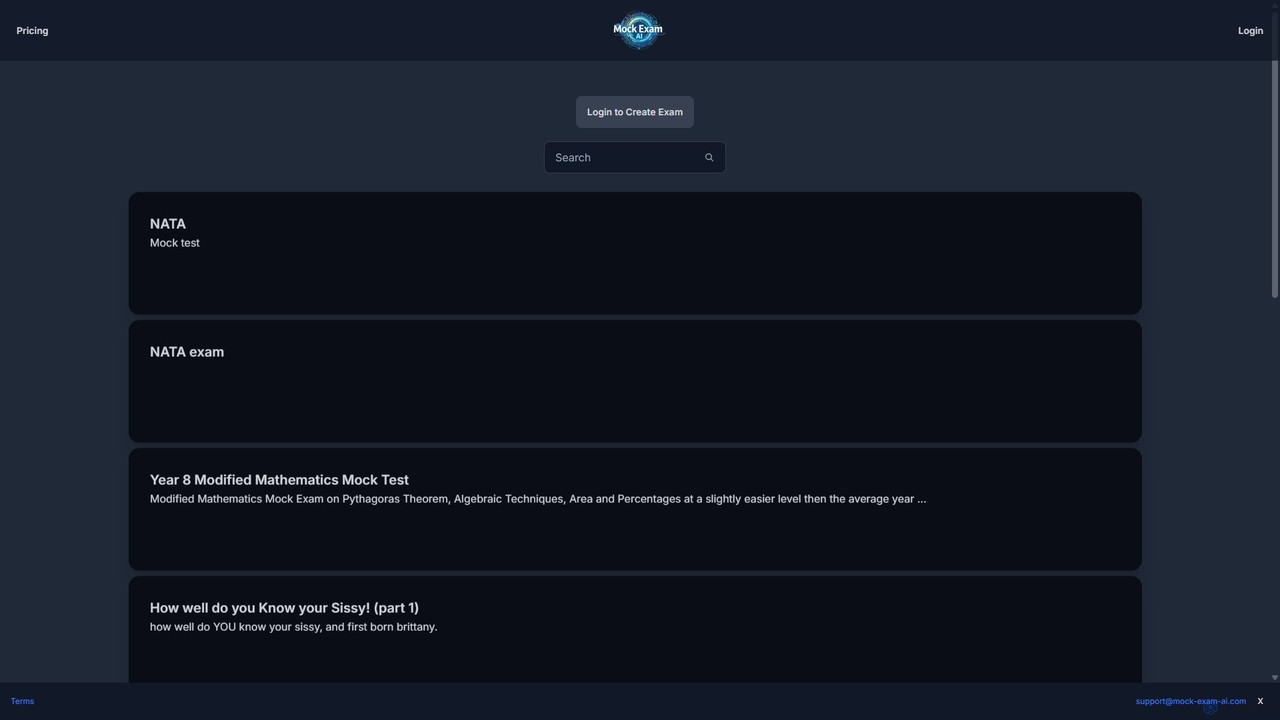
AI Assessment tools are AI-powered platforms designed to evaluate learning, skills, or performance across various educational and professional contexts. These tools leverage machine learning, natural language processing, and data analytics to automate grading, provide personalized feedback, and offer deep insights into individual and group progress. Their primary value lies in streamlining assessment processes, enhancing objectivity, and enabling adaptive learning experiences that go beyond traditional evaluation methods.
Core Features
- Automated Grading: Automatically scores diverse assignment types, from multiple-choice to essays and coding tasks.
- Personalized Feedback: Generates specific, constructive feedback tailored to individual student performance and learning gaps.
- Plagiarism Detection: Identifies instances of unoriginal work by comparing submissions against vast databases and online sources.
- Performance Analytics: Tracks and visualizes student progress over time, highlighting strengths, weaknesses, and learning trends.
- Adaptive Testing: Dynamically adjusts the difficulty and type of questions based on a student's real-time responses and mastery level.
Applicable Scenarios
These tools are widely adopted in K-12 education, higher education, corporate training, and professional certification programs. They are invaluable for teachers seeking to reduce grading workload, instructors aiming to provide targeted feedback, HR managers assessing employee skills, and course developers designing adaptive learning paths.
How to Choose
When selecting an AI assessment tool, consider the types of assessments it supports (e.g., formative, summative, skill-based), its integration capabilities with existing Learning Management Systems (LMS), the depth and personalization of its automated feedback, and its adherence to data security and privacy regulations like FERPA or GDPR.