ToolMage
Sign in

Best 1 Research Hub AI tools for Technology

Popular Research Hub AI tools in Technology include Prg.ai, helping you work more efficiently.

Prg.ai

Prg.ai

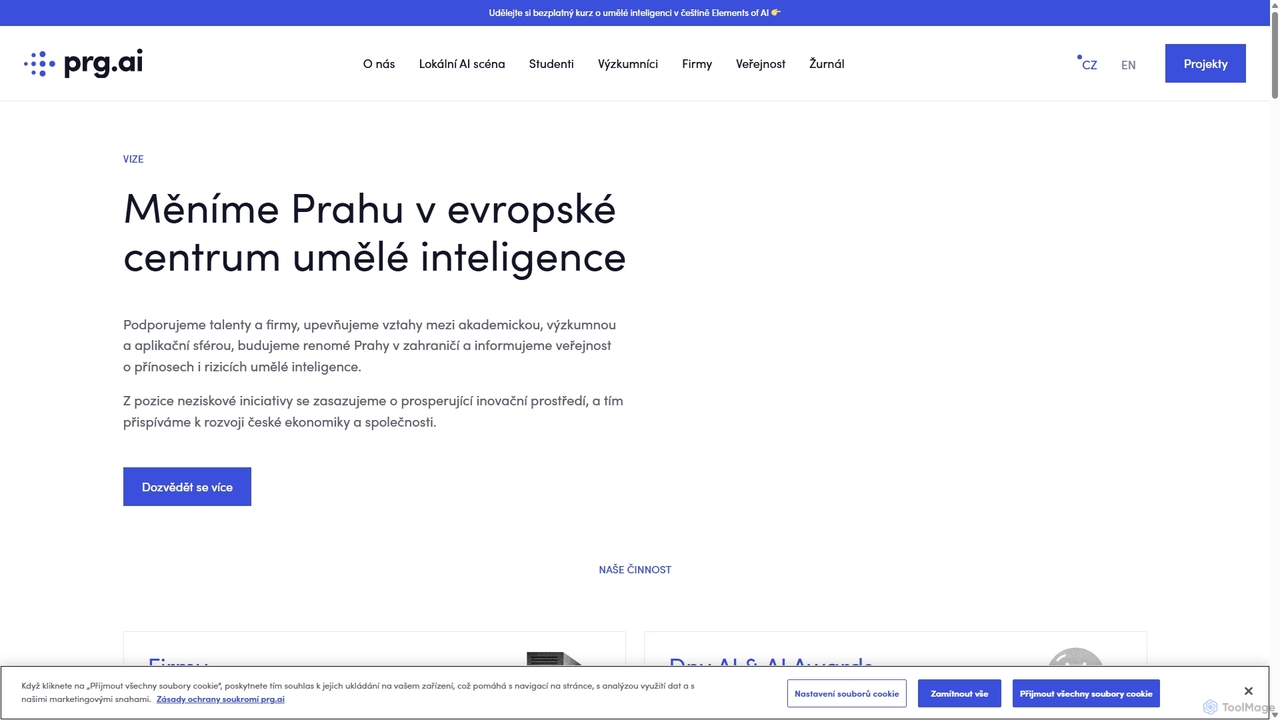
Prg.ai is a non-profit initiative dedicated to transforming Prague into a world-class AI hub. It connects companies, academic institutions, and researchers to foster talent, support innovation, and build a thriving artificial intelligence ecosystem. Through educational programs, community events, and industry collaboration, Prg.ai aims to advance the Czech economy and society.

Networking
Visits 16.7KFavorites 127Likes 120

About Research Hub

Research Hub tools are AI-powered platforms designed to significantly streamline and enhance the entire research workflow. Leveraging advanced artificial intelligence, these tools automate data collection, analyze complex information, and synthesize findings from vast datasets. They empower academics, market analysts, and business professionals to discover insights faster, manage references efficiently, and generate comprehensive reports with unprecedented accuracy.

Core Features

  • Automated Data Collection: Gathers relevant information from diverse sources like academic papers, web articles, and databases.
  • Semantic Search & Extraction: Understands context to find precise information and extract key data points from unstructured text.
  • Intelligent Summarization: Condenses lengthy documents, articles, or reports into concise, digestible summaries.
  • Citation & Reference Management: Organizes sources, generates citations in various styles, and helps manage bibliographies.
  • Insight Generation: Identifies patterns, trends, and correlations within collected data to reveal deeper insights.

Use Cases

Academics and students utilize Research Hub tools for literature reviews, thesis writing, and staying updated on new publications. Market researchers employ them to analyze consumer trends, competitor strategies, and industry reports. Business intelligence teams leverage these platforms to synthesize vast amounts of market data, identify emerging opportunities, and support strategic decision-making.

How to Choose

When selecting a Research Hub tool, consider its data source breadth (academic databases, web, proprietary data), the sophistication of its AI for semantic understanding and summarization, and its integration capabilities with existing research tools. Evaluate its output formats, citation management features, and pricing model based on your specific research needs and team size.

Research Hub use cases

1

Automating Academic Literature Reviews

An academic researcher needs to conduct a comprehensive literature review for a new study. Using a Research Hub tool, they input keywords and research questions. The AI automatically scans thousands of relevant papers, identifies key themes, extracts methodologies, and summarizes findings, significantly reducing the manual effort and time required to synthesize existing knowledge.

2

Analyzing Market Trends for Business Strategy

A market analyst at a tech company needs to understand emerging trends in the AI industry. They use a Research Hub platform to collect and analyze news articles, industry reports, and social media discussions. The tool identifies key players, sentiment shifts, and technological advancements, providing actionable insights that inform product development and marketing strategies.

3

Expediting Scientific Data Synthesis

A scientist working on a drug discovery project needs to synthesize findings from numerous clinical trials and research papers. The Research Hub tool helps them extract specific data points, identify correlations between different studies, and visualize complex relationships, accelerating the process of hypothesis generation and experimental design.

4

Enhancing Competitive Intelligence Gathering

A business development team wants to monitor competitor activities and product launches. They configure a Research Hub tool to track competitor websites, press releases, and patent filings. The AI automatically flags significant updates, summarizes competitive advantages, and generates alerts, ensuring the team stays informed and can react quickly to market changes.

5

Streamlining Content Creation Research

A content creator needs to write an in-depth article on a niche topic. Instead of manually searching and sifting through countless web pages, they use a Research Hub tool to gather factual information, statistics, and expert opinions from credible sources. The tool provides summarized insights and relevant quotes, making the content creation process faster and more accurate.

6

Managing Citations and Bibliographies for Publications

A graduate student is preparing their thesis and needs to manage hundreds of citations in a specific style. A Research Hub tool integrates with their writing process, automatically generating citations as they write, organizing their bibliography, and ensuring consistency and accuracy across all references, saving significant time and preventing errors.

Research Hub FAQ

What are AI Research Hub tools?

AI Research Hub tools are advanced software platforms that leverage artificial intelligence to automate and enhance various stages of the research process. They are designed to collect, analyze, synthesize, and manage information from diverse sources, providing researchers with deeper insights and significantly improving efficiency. These tools often incorporate natural language processing (NLP) and machine learning to understand and process complex data.

How do Research Hub tools differ from traditional search engines?

While traditional search engines retrieve information based on keywords, Research Hub tools go further by understanding the semantic context and relationships within data. They can perform deep analysis, extract specific entities, summarize content, identify patterns, and manage citations, offering a more integrated and intelligent approach to research beyond simple information retrieval. They focus on insight generation, not just data access.

Who benefits most from using Research Hub tools?

A wide range of professionals benefit, including academics, university students, market researchers, data analysts, scientists, business intelligence teams, and content creators. Anyone who regularly deals with large volumes of information, needs to synthesize complex data, or requires efficient citation management will find these tools invaluable for saving time and improving the quality of their output.

What are the key features to look for in a Research Hub tool?

Key features include robust data collection capabilities (covering various sources), advanced semantic search and information extraction, intelligent summarization, and efficient citation/reference management. Also consider its ability to identify trends and generate insights, integration with other tools (like writing software), user-friendliness, and the accuracy of its AI algorithms in processing and presenting information.

Can Research Hub tools help with data analysis and visualization?

Yes, many advanced Research Hub tools offer capabilities beyond just information gathering. They can analyze collected data to identify patterns, correlations, and anomalies, often presenting these findings through integrated data visualization features. This helps users quickly grasp complex relationships and communicate their research results more effectively, transforming raw data into actionable insights.