BaoBrain
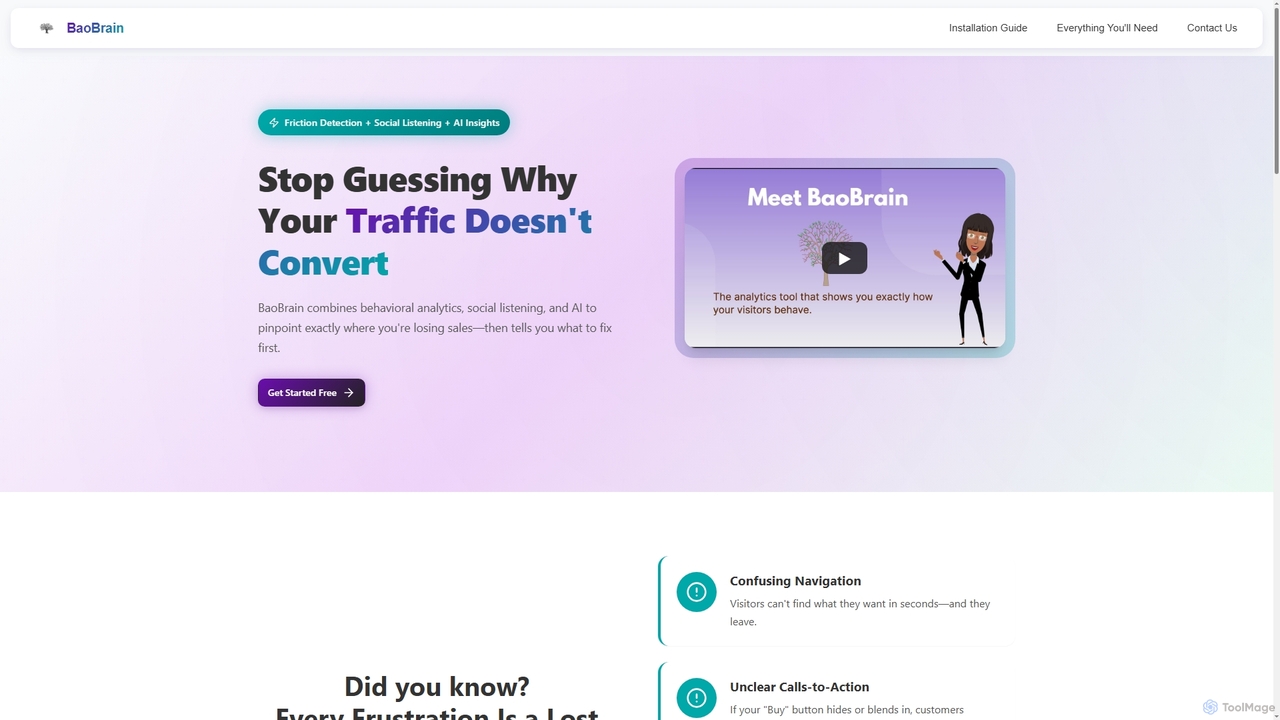
BaoBrain is an AI-powered analytics platform that combines behavioral analytics and social listening to identify friction points on …
BaoBrain is an AI-powered analytics platform that combines behavioral analytics and social listening to identify friction points on e-commerce websites. It pinpoints where visitors get stuck and lose sales, then provides prioritized, actionable recommendations to improve conversion rates and user experience.
Exdera
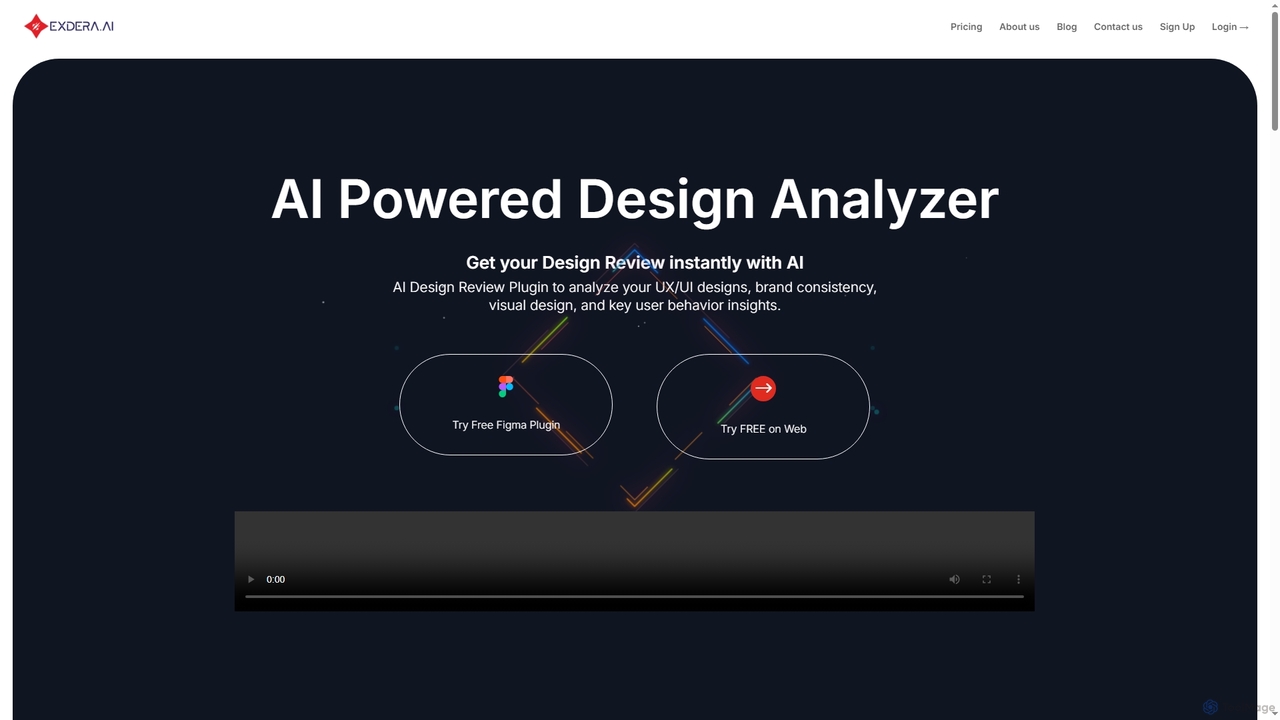
Exdera is an AI-powered design review tool available as a Figma plugin and web application. It instantly analyzes …
Exdera is an AI-powered design review tool available as a Figma plugin and web application. It instantly analyzes UX/UI designs, brand consistency, visual elements, and user behavior, providing actionable insights to optimize designs for better engagement and conversions without guesswork.
Zuko
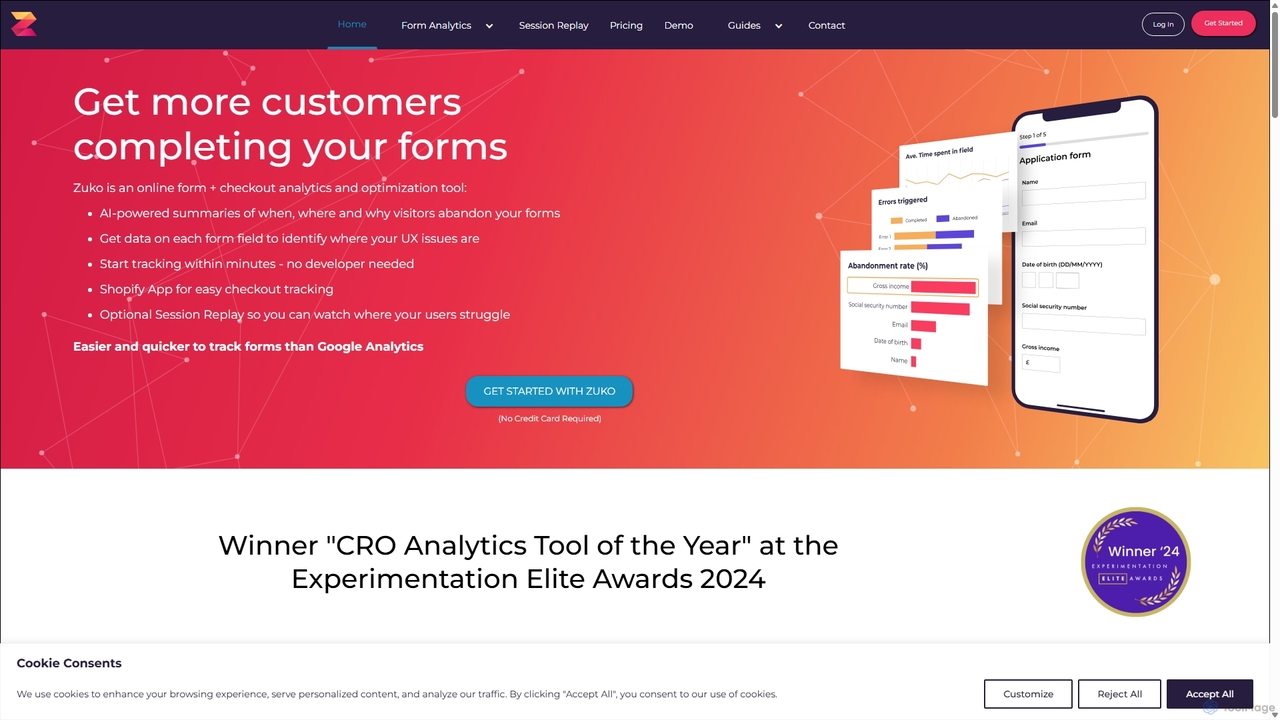
Zuko is a powerful form analytics and optimization tool that helps businesses understand user behavior in online forms …
Zuko is a powerful form analytics and optimization tool that helps businesses understand user behavior in online forms and checkouts. By tracking detailed interactions like field returns, abandonment rates, and time spent, Zuko provides actionable insights to identify friction points, reduce form abandonment, and ultimately increase conversion rates. It's an essential tool for marketers, UX designers, and product managers looking to optimize their digital journeys.
WEVO
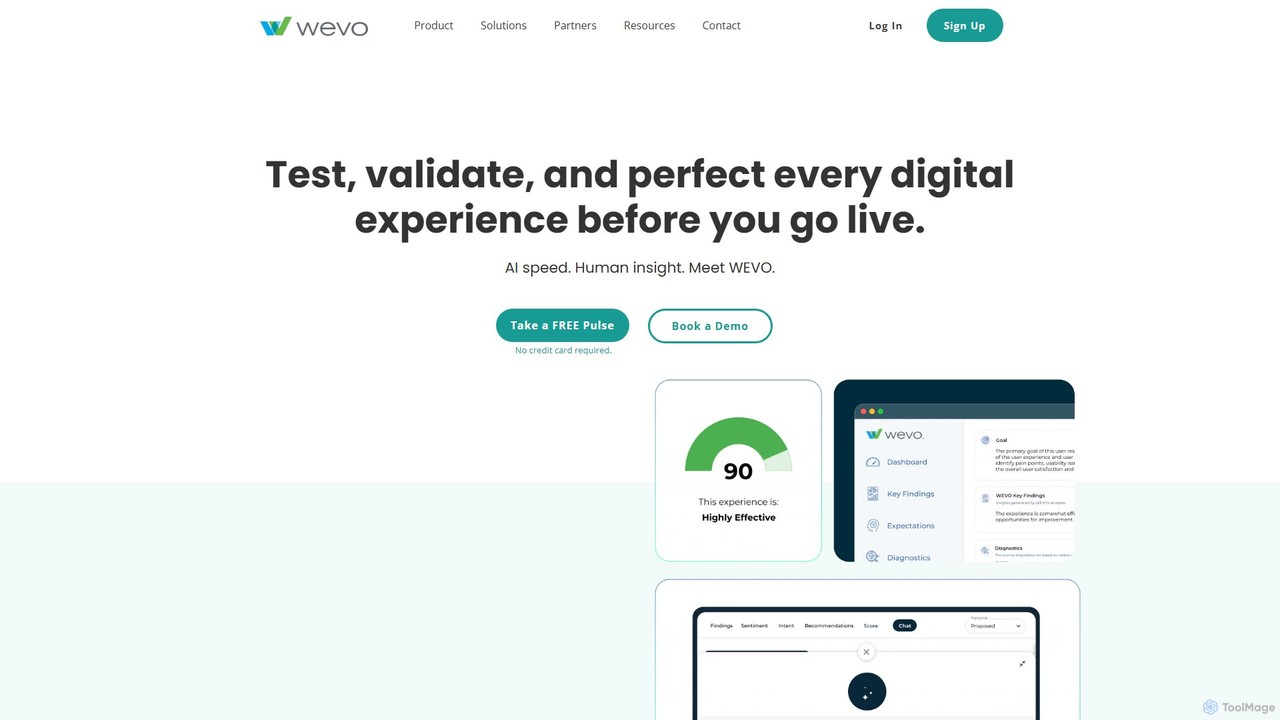
WEVO is an AI-powered UX research platform that combines artificial intelligence with human insight to test, validate, and …
WEVO is an AI-powered UX research platform that combines artificial intelligence with human insight to test, validate, and perfect digital experiences before they go live. It enables teams to get rapid, actionable feedback, benchmark against competitors, and increase conversion rates with confidence.
About User Experience
User Experience (UX) AI tools are a category of artificial intelligence-powered solutions designed to enhance, automate, and optimize various aspects of the user experience lifecycle. These tools leverage advanced machine learning, natural language processing, and computer vision to analyze user behavior, predict preferences, and generate design insights. Their primary value lies in streamlining user research, personalizing interfaces, improving accessibility, and facilitating data-driven design decisions, ultimately leading to more intuitive, engaging, and effective digital products.
Core Features
- Automated User Research: AI analyzes qualitative data (interviews, surveys, reviews) to identify themes, sentiment, and pain points.
- Personalized UI/UX: Dynamically adapts interface elements, content, and navigation based on individual user behavior and preferences.
- Predictive A/B Testing: Simulates user interactions and predicts the performance of different design variations before live deployment.
- Accessibility Analysis: Scans digital interfaces for compliance with accessibility standards and suggests improvements.
- Design Concept Generation: Creates initial wireframes, mockups, or design variations from textual prompts or existing design systems.
Applicable Scenarios
UX AI tools are invaluable for product teams, UX designers, marketers, and developers aiming to create superior digital experiences. They are used in iterative design processes, for scaling personalization efforts across large user bases, and for rapidly analyzing vast amounts of user feedback to inform product development. These tools empower teams to move beyond manual, time-consuming tasks, focusing instead on strategic design and innovation.
How to Choose
When selecting a User Experience AI tool, consider its data integration capabilities with your existing platforms, the sophistication and accuracy of its underlying AI models, and the level of customization it offers for your specific design needs. Evaluate its ethical implications regarding data privacy and bias, and assess its cost-effectiveness relative to the insights and automation it provides. User-friendliness and the ability to integrate into current workflows are also crucial.
User ExperienceUse Cases
Automating User Research & Insight Generation
UX researchers and product managers often face the challenge of sifting through vast amounts of qualitative data from interviews, surveys, and user reviews. AI-powered UX tools can automatically process this data, identifying recurring themes, sentiment patterns, and critical pain points. By leveraging natural language processing, these tools transform unstructured feedback into actionable insights, significantly reducing the manual effort and time required for analysis, allowing teams to make faster, data-driven decisions about product improvements.
Personalized User Interface Adaptation
Product designers and developers can utilize AI to create highly personalized digital experiences. These tools analyze individual user behavior, preferences, and contextual data (like device, location, time) to dynamically adapt UI elements, content recommendations, or navigation paths. This real-time personalization ensures that each user encounters an interface optimized for their specific needs and journey, leading to increased engagement, improved conversion rates, and a more tailored and satisfying user experience across various platforms.
Predictive A/B Testing & Design Optimization
Growth marketers and UX optimizers can employ AI to predict the performance of different design variations without the need for extensive live A/B testing. AI models simulate user interactions with various UI layouts, button placements, or content versions, providing insights into which design is likely to perform best. This capability accelerates the optimization cycle, reduces the risks associated with deploying untested changes, and enables teams to make data-backed design choices more efficiently, leading to faster improvements in key metrics.
Enhancing Digital Accessibility Compliance
Accessibility specialists and web developers use AI-driven tools to ensure digital products are inclusive and usable by individuals with disabilities. These tools can automatically scan websites and applications for common accessibility issues, such as insufficient color contrast, missing alt text for images, keyboard navigation problems, or screen reader compatibility. They provide detailed reports and suggest specific fixes, helping organizations comply with standards like WCAG and fostering a more inclusive online environment for all users, expanding market reach.
Real-time User Feedback & Sentiment Analysis
Customer support managers and product owners can leverage AI to monitor and analyze user feedback across diverse channels, including app store reviews, social media, and support tickets. AI tools categorize feedback, identify emerging issues, and gauge overall sentiment in real-time. This allows teams to proactively address critical problems, understand user satisfaction trends, and prioritize product backlog items based on actual user needs and emotional responses, leading to continuous product improvement and enhanced customer loyalty.
AI-Assisted Design Concept Generation
UX/UI designers can use AI to rapidly generate initial design concepts, wireframes, or mockups. By inputting textual prompts describing desired features, user flows, or aesthetic styles, designers can receive multiple visual variations in moments. This capability significantly accelerates the ideation phase, allowing designers to explore a broader range of creative solutions and iterate more quickly. It reduces the manual effort involved in creating initial drafts, freeing up designers to focus on refining and perfecting the user experience.