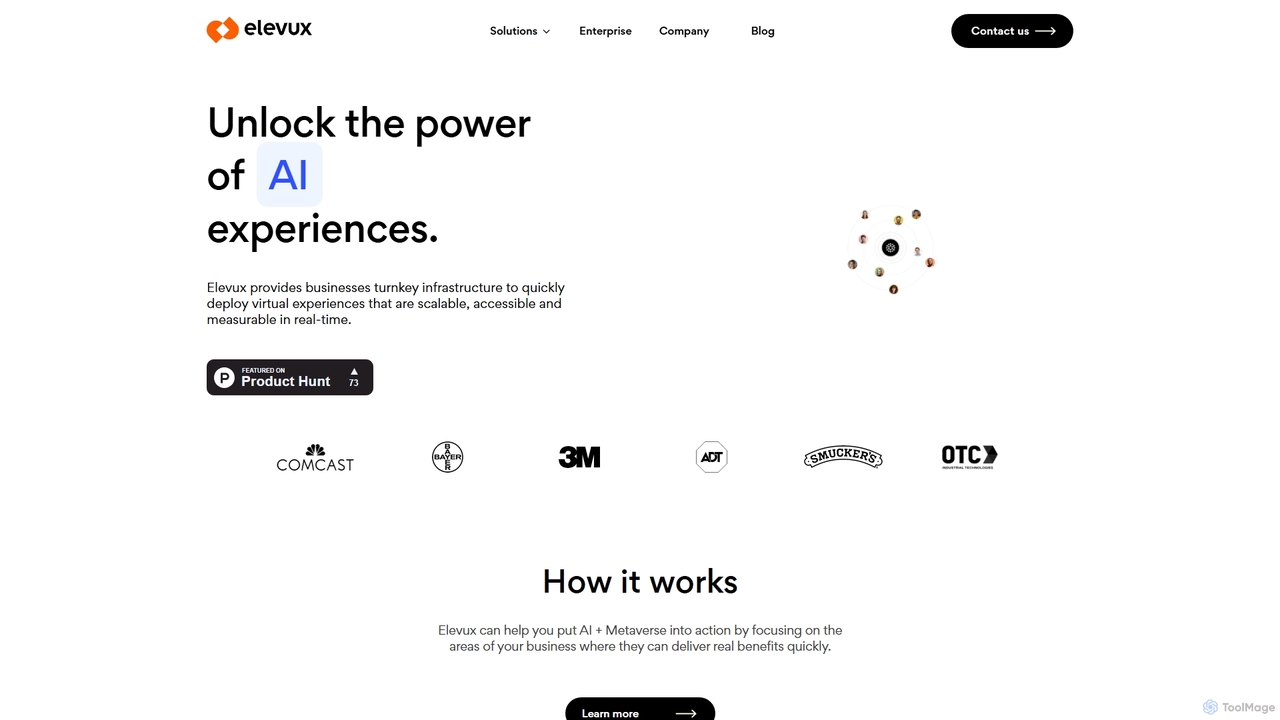
Metaverse Platforms are persistent, shared virtual spaces where users can interact with each other, digital assets, and AI-driven entities in real-time. These platforms leverage advanced technologies, including virtual reality (VR) and augmented reality (AR), to create deeply immersive and interactive digital worlds that extend beyond traditional gaming. They enable a wide spectrum of activities, from social gatherings, entertainment, and remote collaboration to digital commerce and user-generated content creation, fostering new forms of digital economy, community, and identity. Users can explore, build, own, and monetize experiences within these expansive and evolving digital ecosystems, blurring the lines between physical and virtual existence.
Core Features
- Avatar Customization: Users can create highly personalized digital representations of themselves, known as avatars, which serve as their identity and means of interaction within the metaverse. This includes detailed appearance, clothing, and accessories.
- Virtual Land & Asset Ownership: Enables users to acquire, develop, and trade digital property (virtual land) and unique digital items (e.g., wearables, art, vehicles), often secured and verified using non-fungible tokens (NFTs) on blockchain.
- Social Interaction Tools: Provides robust communication features such as real-time voice chat, text messaging, expressive gestures, and shared activities, facilitating rich social connections and community building among users.
- Content Creation & Monetization: Offers intuitive tools and SDKs for users to design, build, and publish their own experiences, games, art installations, or virtual objects, and then monetize these creations through in-platform economies.
- Interoperability & Portability: Aims to allow seamless transfer of user avatars, digital assets, and identities across different metaverse platforms and virtual environments, enhancing user freedom and digital ownership.
Applicable Scenarios
Metaverse Platforms are transforming how individuals and organizations engage digitally. Businesses utilize these platforms to host immersive virtual product launches, interactive brand experiences, and virtual storefronts, allowing global audiences to explore and purchase digital or physical goods. Remote teams leverage virtual offices and collaboration spaces for more engaging meetings and brainstorming sessions, fostering a stronger sense of presence. Educators create highly interactive learning environments for students, offering hands-on simulations, virtual field trips, and collaborative project spaces that enhance traditional teaching methods. Artists and creators showcase and sell digital art as NFTs in virtual galleries, reaching a global collector base and enabling new forms of artistic expression and monetization.
How to Choose
When selecting a Metaverse Platform, several key factors should guide your decision. First, consider the platform's primary focus and community—whether it's geared towards gaming, social interaction, enterprise solutions, or creative expression. Evaluate its economic model, including support for NFTs, cryptocurrencies, and the ease of monetizing user-generated content, which impacts long-term value. Assess the platform's technical foundation, such as the quality of its VR/AR integration, graphics capabilities, and development tools for content creation. Finally, examine its commitment to interoperability and data privacy, ensuring your digital assets and identity can potentially move across different virtual worlds and are securely managed.