
Pastok
Pastok is an AI-powered personal assistant app designed to effortlessly capture and organize important moments from your daily …
Pastok is an AI-powered personal assistant app designed to effortlessly capture and organize important moments from your daily life, whether for work, personal tasks, or learning. It transforms conversations and thoughts into actionable insights, reminders, and clear next steps, integrating seamlessly with your Apple Watch for hands-free convenience.
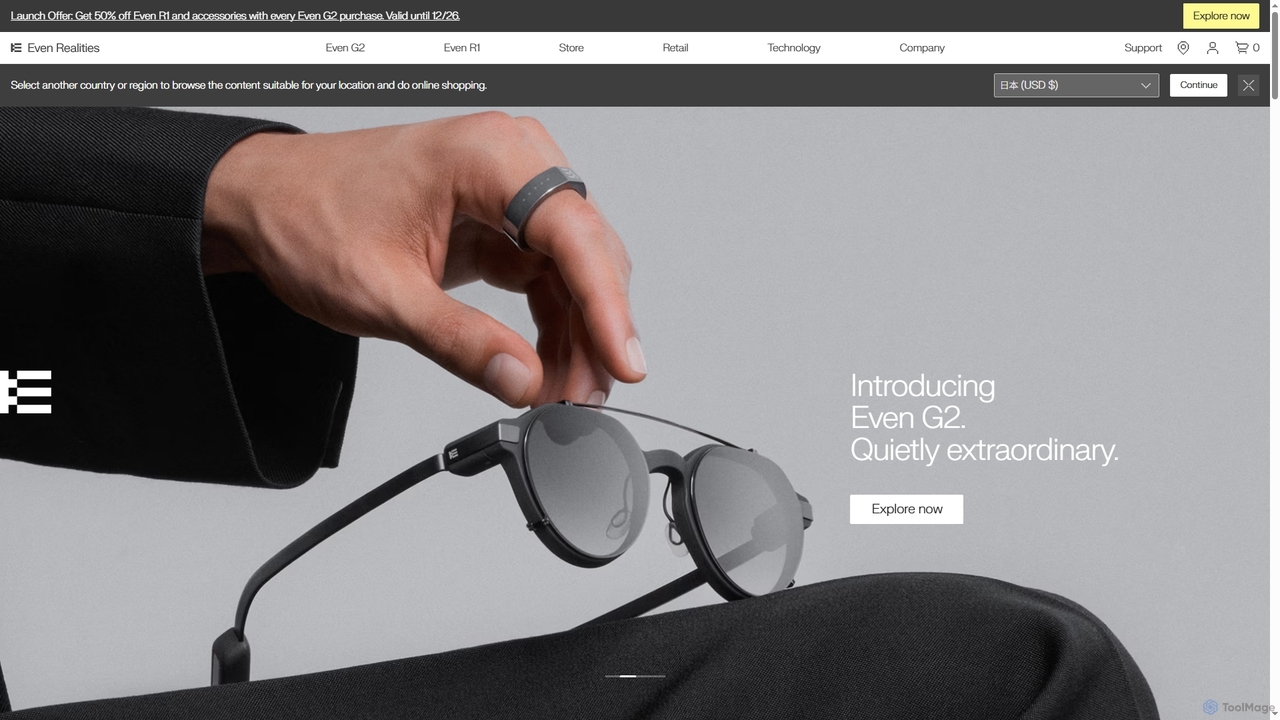
Even Realities
Even Realities offers AI-powered smart glasses (Even G2) and a companion smart ring (Even R1) designed to enhance …
Even Realities offers AI-powered smart glasses (Even G2) and a companion smart ring (Even R1) designed to enhance daily productivity, communication, and well-being. Experience discreet, hands-free interaction, real-time information display, and comprehensive health tracking, all integrated into stylish wearable technology.

Sandbar
Sandbar is an interface company that developed the Stream Ring, a voice-first smart ring for capturing thoughts, building …
Sandbar is an interface company that developed the Stream Ring, a voice-first smart ring for capturing thoughts, building ideas through conversational AI, and controlling music. It acts as a seamless extension of your mind for instant, private, and effortless interaction.
About Wearable Technology
Wearable Technology refers to AI-powered electronic devices designed to be worn on the body, seamlessly integrating into daily life for continuous interaction and data collection. These innovative gadgets leverage advanced sensors, artificial intelligence, and connectivity to monitor physiological metrics, track activities, and provide real-time contextual information. They offer personalized insights, enhance communication, and deliver a wide range of functionalities, from comprehensive health monitoring and fitness tracking to augmented reality experiences and smart notifications, transforming how we interact with technology and our surroundings.
Core Features
- Physiological Monitoring: Continuously track vital signs like heart rate, blood oxygen, and sleep patterns for health insights.
- Activity Tracking: Accurately record steps, calories burned, distance, and various workout metrics.
- Smart Notifications: Deliver alerts, messages, and calendar reminders directly to the wearer's wrist or field of vision.
- Location & Navigation: Utilize GPS for precise location tracking, route guidance, and safety features.
- Contextual Awareness: Employ AI to understand user behavior and environmental factors, providing proactive assistance.
Use Cases
Wearable technology finds extensive application across various domains. In personal health management, individuals use smartwatches and fitness trackers to monitor vital signs, sleep quality, and activity levels, aiding in preventive care and chronic disease management. For professional athletes, advanced wearables provide detailed performance analytics, recovery insights, and injury prevention warnings during training. Furthermore, in industrial settings, smart helmets or vests can monitor environmental hazards and worker biometrics, enhancing safety and operational efficiency.
How to Choose
When selecting wearable technology, consider its primary purpose, whether for health, fitness, communication, or specialized tasks like AR. Evaluate the accuracy and reliability of its sensors and data tracking, as this is crucial for meaningful insights. Battery life is another critical factor, impacting daily convenience and continuous monitoring capabilities. Ensure compatibility with your existing smartphone and other smart devices, and finally, prioritize comfort, design, and durability for long-term wearability.
Wearable TechnologyUse Cases
AI-Powered Personalized Fitness Coaching
Fitness enthusiasts use smartwatches and AI-driven apps to receive real-time feedback on their workout form, intensity, and recovery needs. The wearable collects biometric data, which AI analyzes to suggest personalized training plans, optimize performance, and prevent overtraining, leading to more effective and safer fitness journeys.
Proactive Health Monitoring for Seniors
Elderly individuals wear smart devices that continuously monitor vital signs like heart rate, blood pressure, and fall detection. AI algorithms analyze these patterns to detect anomalies or potential health risks early, automatically alerting caregivers or medical professionals in emergencies. This provides peace of mind and enables timely intervention, enhancing senior safety and well-being.
Enhanced Worker Safety in Hazardous Environments
Industrial workers in construction or mining wear smart helmets or vests equipped with environmental sensors and biometric trackers. These wearables monitor exposure to toxic gases, extreme temperatures, or excessive noise, while also tracking worker fatigue or stress levels. AI processes this data to issue real-time warnings, preventing accidents and ensuring compliance with safety regulations.
Immersive Augmented Reality Experiences
Users wear AR smart glasses to overlay digital information onto their real-world view. For example, a technician can see repair instructions projected directly onto a machine, or a tourist can view historical facts about landmarks as they walk by. AI enhances these experiences by understanding context, gestures, and voice commands, making interactions intuitive and hands-free.
Optimizing Sleep Quality and Recovery
Individuals utilize smart rings or sleep trackers to meticulously monitor sleep stages, duration, and disturbances. AI analyzes this comprehensive sleep data, along with heart rate variability and breathing patterns, to provide personalized recommendations for improving sleep hygiene, adjusting bedtime routines, and enhancing overall recovery, leading to better daytime performance and well-being.
Seamless Contactless Payments and Access
Commuters and shoppers use smart rings, watches, or even specialized apparel embedded with NFC technology for quick and secure contactless payments. These wearables also facilitate keyless entry to homes, offices, or public transport systems. AI-driven security features ensure transactions are authenticated and personal data remains protected, offering unparalleled convenience and efficiency.