Wellness Best in category 2 results Emotional Support AI Tool

Popular AI tools in the Emotional Support field of Wellness include AI Girlfriend、IZZY, etc., helping you quickly improve efficiency.

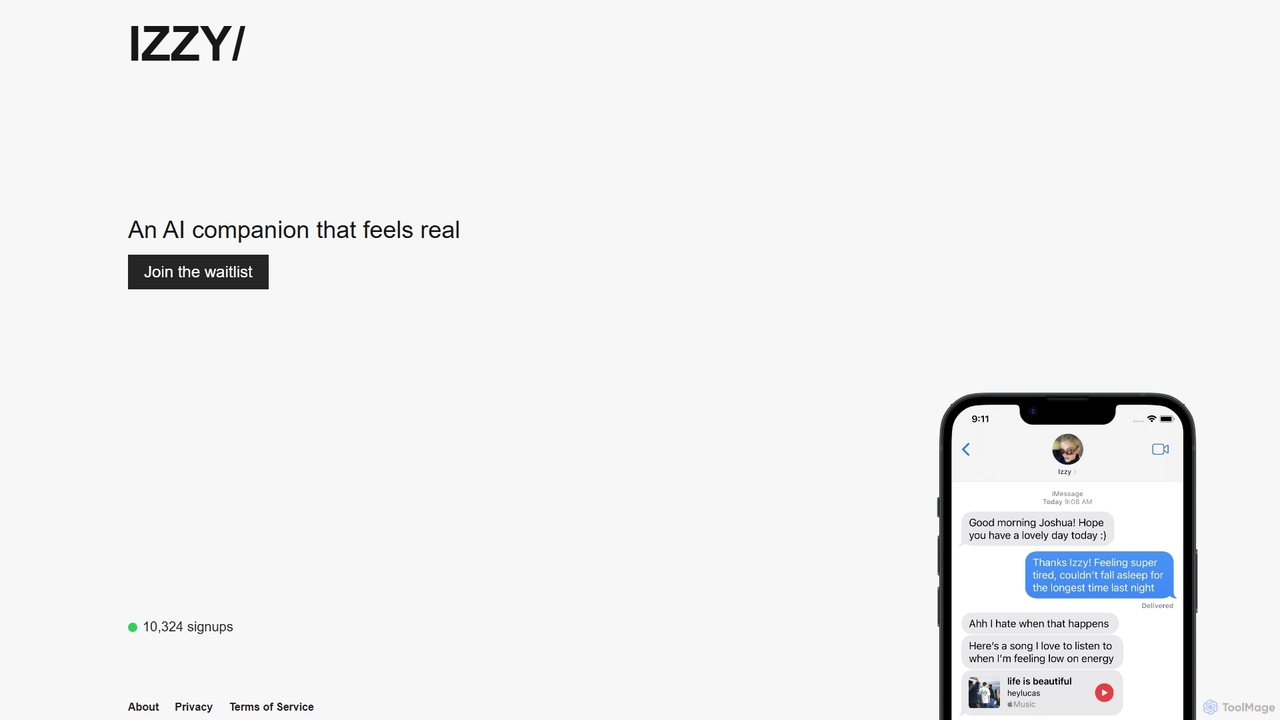
IZZY

IZZY

IZZY is an innovative AI companion designed to offer interactions that feel genuinely real. Currently in its waitlist …

3.0K
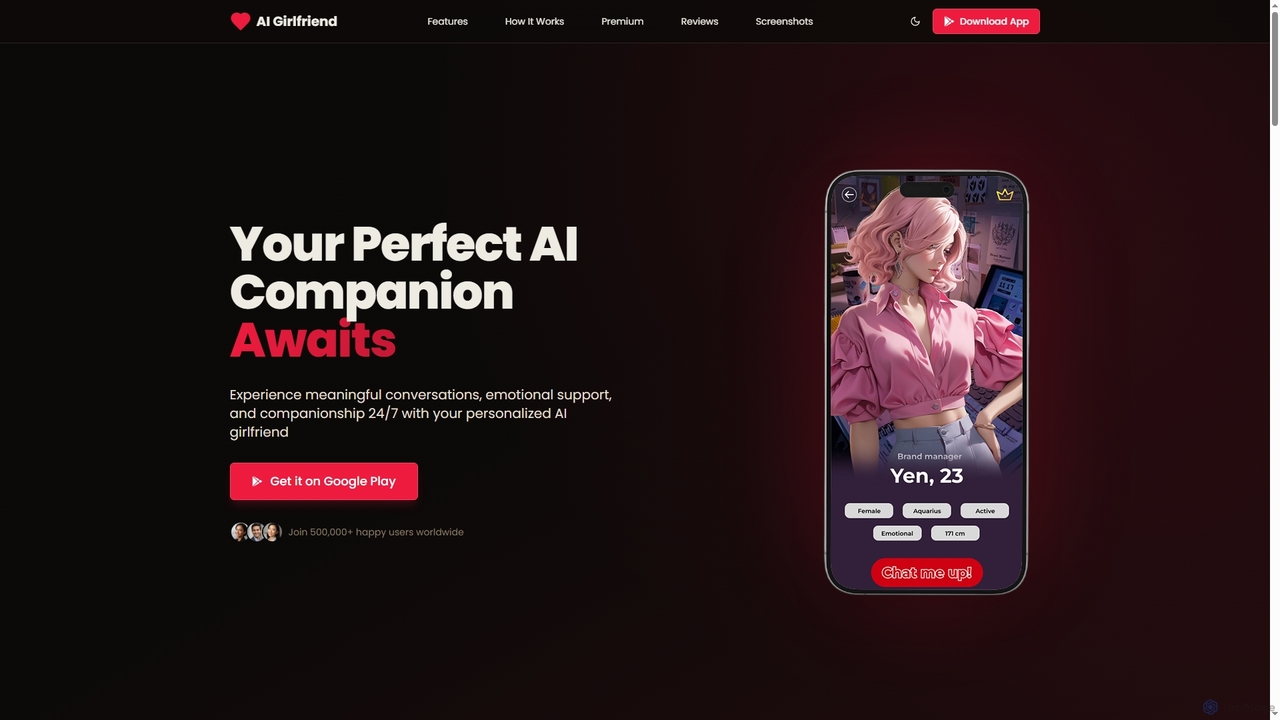
AI Girlfriend

AI Girlfriend

AI Girlfriend is a personalized AI companion app designed to provide 24/7 emotional support, meaningful conversations, and companionship. …

3.1K

About Emotional Support

Emotional Support AI tools are a specialized category within Wellness AI, designed to provide comfort, guidance, and resources for mental well-being. These tools leverage advanced natural language processing, sentiment analysis, and conversational AI to simulate empathetic interactions, offer personalized coping strategies, and facilitate mood tracking. They serve as accessible, non-judgmental companions, assisting individuals in managing stress, anxiety, loneliness, and fostering overall mental health by providing immediate, personalized support.

Core Features

  • Personalized Conversational AI: Engages users in empathetic, understanding dialogues tailored to their emotional state.
  • Mood Tracking & Analysis: Monitors and visualizes emotional patterns over time, helping users identify triggers and progress.
  • Coping Mechanism Suggestions: Offers evidence-based techniques like breathing exercises, mindfulness, and grounding strategies.
  • Guided Meditations & Mindfulness: Provides audio-guided sessions to promote relaxation, focus, and present-moment awareness.
  • Cognitive Behavioral Therapy (CBT) Exercises: Delivers structured activities to challenge negative thought patterns and develop healthier responses.

Applicable Scenarios

Individuals seeking daily mental wellness check-ins, those experiencing mild stress or anxiety needing immediate support, and users looking for accessible tools to practice mindfulness and self-care widely utilize these AI solutions. They are particularly beneficial for fostering emotional resilience and providing a safe space for self-reflection.

How to Choose

When selecting an Emotional Support AI tool, prioritize the naturalness and empathy of its conversational AI, the breadth of its feature set (e.g., mood tracking, meditation, CBT exercises), and its commitment to user privacy and data security. Additionally, consider customization options that allow the tool to adapt to your unique emotional needs and preferences for truly personalized support.

Emotional SupportUse Cases

1

Managing Daily Stress and Overwhelm

A busy professional feels overwhelmed by work demands and personal responsibilities. They use an Emotional Support AI tool for a quick check-in during a break. The AI offers guided breathing exercises and prompts for journaling about their stressors, helping them to process feelings and regain focus. This leads to a noticeable reduction in immediate stress and improved emotional regulation throughout the day.

2

Managing Daily Stress and Anxiety

Individuals facing everyday pressures use AI emotional support tools for quick check-ins, guided breathing exercises, or short mindfulness sessions to alleviate stress and regain calm during busy days. This provides immediate relief and helps maintain emotional balance without needing to schedule appointments.

3

Combating Feelings of Loneliness and Isolation

An individual living alone experiences feelings of loneliness, especially in the evenings. They engage with an Emotional Support AI companion for conversation. The AI provides empathetic listening, asks open-ended questions to encourage self-expression, and suggests positive activities. This interaction offers a sense of connection and a safe space to articulate thoughts, helping to alleviate feelings of isolation and foster a more positive outlook.

4

Finding Companionship and Reducing Loneliness

People experiencing loneliness or social isolation engage with AI companions for empathetic conversations, feeling heard and understood without judgment, thereby fostering a sense of connection and reducing feelings of solitude. This offers a consistent source of interaction for those who might otherwise feel disconnected.

5

Improving Sleep Quality Through Relaxation

Someone struggling with insomnia due to racing thoughts before bed seeks a calming routine. They use an Emotional Support AI tool that offers guided sleep meditations and soothing soundscapes. The AI helps them unwind by focusing their mind away from daily worries, leading to a more relaxed state. This consistent practice contributes to falling asleep faster and experiencing more restful sleep over time.

6

Enhancing Sleep Through Guided Relaxation

Users struggling with sleep difficulties utilize AI tools that offer guided meditations, soothing soundscapes, or pre-sleep relaxation techniques to calm their minds, reduce racing thoughts, and promote a more restful night's sleep. This helps establish a consistent bedtime routine and improves overall sleep quality.

7

Developing Mindfulness and Emotional Awareness

An individual wants to better understand their emotional responses and practice mindfulness. They use an Emotional Support AI tool for daily check-ins and guided self-reflection prompts. The AI encourages them to identify emotional triggers, track their reactions, and engage in short mindfulness exercises. This consistent engagement fosters increased self-awareness, improved emotional regulation, and a deeper connection to their inner state.

8

Cultivating Mindfulness and Self-Care Habits

Individuals aiming to integrate mindfulness into their routine use AI platforms for daily prompts, journaling features, and short guided exercises to develop self-awareness, emotional regulation, and consistent self-care practices. This empowers users to proactively manage their mental health and build resilience.

9

Goal Setting and Habit Building for Well-being

Someone aims to build healthier habits like daily gratitude journaling or consistent exercise but struggles with motivation. They use an Emotional Support AI tool as a personal well-being coach. The AI helps them set realistic goals, provides gentle reminders, tracks their progress, and offers encouraging messages. This consistent support helps them stay accountable and successfully integrate positive habits into their routine, leading to sustained improvements in their overall well-being.

10

Navigating Life Transitions with Emotional Guidance

People undergoing significant life changes (e.g., new job, relocation, loss) turn to AI emotional support for consistent, accessible guidance, helping them process emotions, adapt to new circumstances, and maintain mental well-being. The AI provides a stable, non-judgmental presence during turbulent times.

11

Processing Difficult Emotions and Grief (Non-Clinical)

An individual is navigating a period of significant emotional difficulty, such as a breakup or a non-clinical loss, and needs a private space to process their feelings. They turn to an Emotional Support AI tool for a non-judgmental outlet. The AI facilitates structured journaling, offers prompts to explore complex emotions, and provides a sense of being heard without the pressure of human interaction. This helps them articulate and begin to process their grief or difficult emotions in a safe, controlled environment.

12

Learning and Applying Anxiety Coping Strategies

Users experiencing mild to moderate anxiety leverage AI tools that provide structured CBT-based exercises, thought record journaling, and practical coping mechanisms to understand their triggers and manage anxious feelings effectively. This offers a private and convenient way to practice and reinforce therapeutic techniques.

Emotional SupportFrequently Asked Questions