Wellness Best in category 1 results Emotional Intelligence AI Tool

Popular AI tools in the Emotional Intelligence field of Wellness include EmolyTicks, etc., helping you quickly improve efficiency.

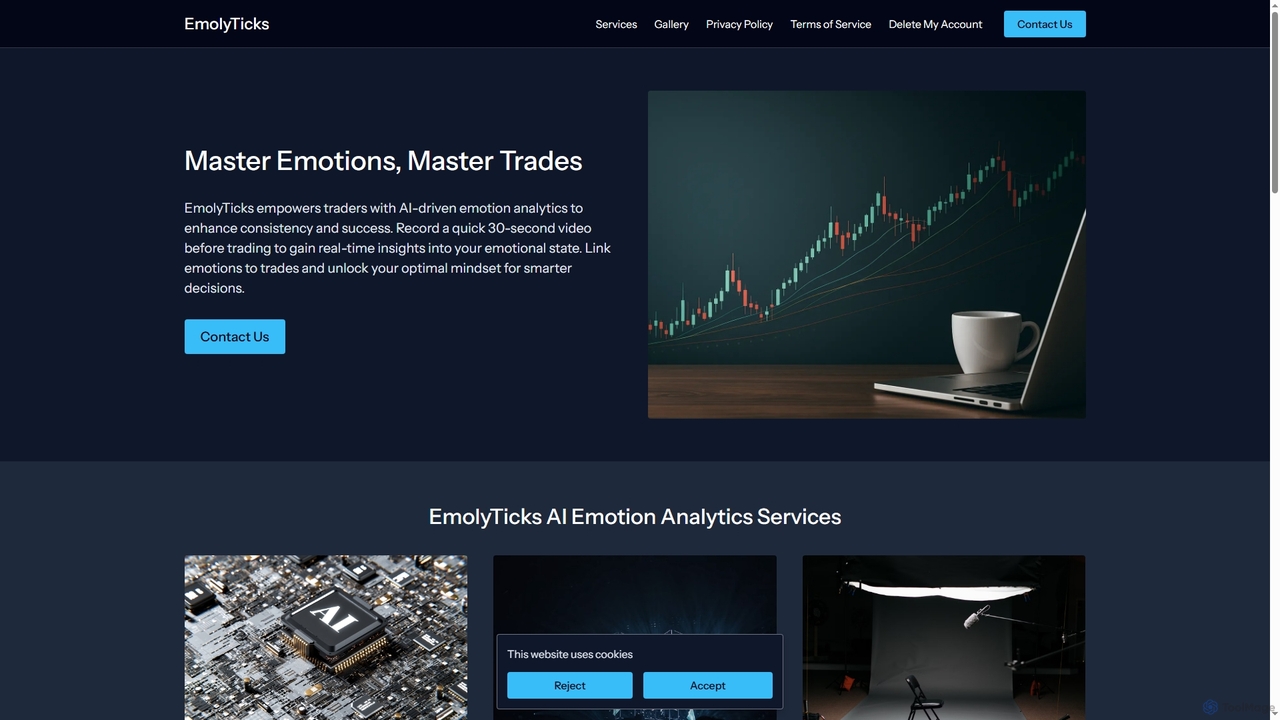
EmolyTicks

EmolyTicks

EmolyTicks is an AI-driven emotion analytics tool empowering traders to master their emotional states for enhanced consistency and …

2.9K

About Emotional Intelligence

Emotional Intelligence AI tools are a specialized category within the broader Wellness domain, designed to understand, interpret, and respond to human emotions. Leveraging advanced AI techniques like natural language processing, sentiment analysis, and sometimes biometric data analysis, these tools can detect emotional states from various inputs. They offer personalized insights and support, helping users enhance self-awareness, improve communication, and manage emotional responses more effectively, thereby contributing to overall mental and emotional well-being.

Core Features

  • Sentiment Analysis: Detects and interprets emotional tone in text, speech, or facial expressions to gauge user sentiment.
  • Emotional Coaching: Provides personalized guidance, exercises, and strategies for emotional regulation and development.
  • Stress Detection: Identifies signs of stress or anxiety through behavioral patterns, voice analysis, or physiological data.
  • Empathy Simulation: Offers interactive scenarios to practice and improve empathetic responses in communication.
  • Personalized Feedback: Delivers tailored insights into emotional patterns and actionable suggestions for self-improvement.

Applicable Scenarios

These tools are invaluable for individuals seeking personal growth in emotional management, professionals aiming to refine their interpersonal communication, and mental health practitioners looking for supplementary support. For instance, a user might employ an AI coach to manage daily stress and anxiety, or a team leader could utilize an AI tool to anonymously gauge team sentiment and foster a more positive work environment.

How to Choose

When selecting an Emotional Intelligence AI tool, consider its accuracy in emotion detection, the range and depth of emotional support features offered, and its data privacy and security protocols. Evaluate the scientific basis of its methodologies, its integration capabilities with existing wellness platforms, and overall user-friendliness to ensure it aligns with your specific emotional development goals.

Emotional IntelligenceUse Cases

1

Enhancing Personal Emotional Regulation

Individuals struggling with stress, anxiety, or mood fluctuations can use AI emotional coaches to track mood patterns, receive real-time feedback on emotional responses, and practice mindfulness exercises. The AI analyzes user input, such as journal entries or voice tone, to suggest personalized coping strategies, helping to build emotional resilience and improve overall well-being.

2

Improving Interpersonal Communication Skills

Professionals or individuals can utilize AI tools to analyze their communication style and emotional impact during conversations, presentations, or written exchanges. The AI provides constructive feedback on tone, word choice, and non-verbal cues, helping users develop more empathetic and effective communication strategies for both personal and professional relationships.

3

Supporting Mental Health and Early Detection

Mental health practitioners or individuals can leverage AI tools for early detection of emotional distress or significant changes in mood. By analyzing speech patterns, text input, or even biometric data from wearables, these tools can flag potential issues, providing valuable insights that complement professional therapy or encourage timely intervention for mental wellness.

4

Training Customer Service for Empathy

Customer service teams can employ AI-powered simulations to practice responding empathetically to a wide range of customer emotional states. The AI provides immediate, objective feedback on their verbal and non-verbal responses, helping agents develop better emotional intelligence to de-escalate challenging situations and significantly improve customer satisfaction.

5

Personalized Emotional Learning Paths

Educational platforms or corporate training programs can integrate Emotional Intelligence AI to offer highly personalized learning paths. The AI assesses a learner's emotional state, engagement levels, and learning style, adapting content and delivery to optimize comprehension and retention, particularly for subjects requiring emotional understanding or self-management skills.

6

Analyzing Team Emotional Dynamics

Team leaders or HR professionals can use AI tools to anonymously gauge the emotional climate and sentiment within a team. By analyzing communication patterns in team chats or meeting transcripts (with appropriate consent), the AI can identify potential conflicts, stress points, or areas for improved collaboration, fostering a healthier and more productive work environment.

Emotional IntelligenceFrequently Asked Questions