
ToolMage
Sign in

Best 1 Longevity AI tools for Wellness

Popular Longevity AI tools in Wellness include Mito Health, helping you work more efficiently.

Mito Health
Paid

Mito Health

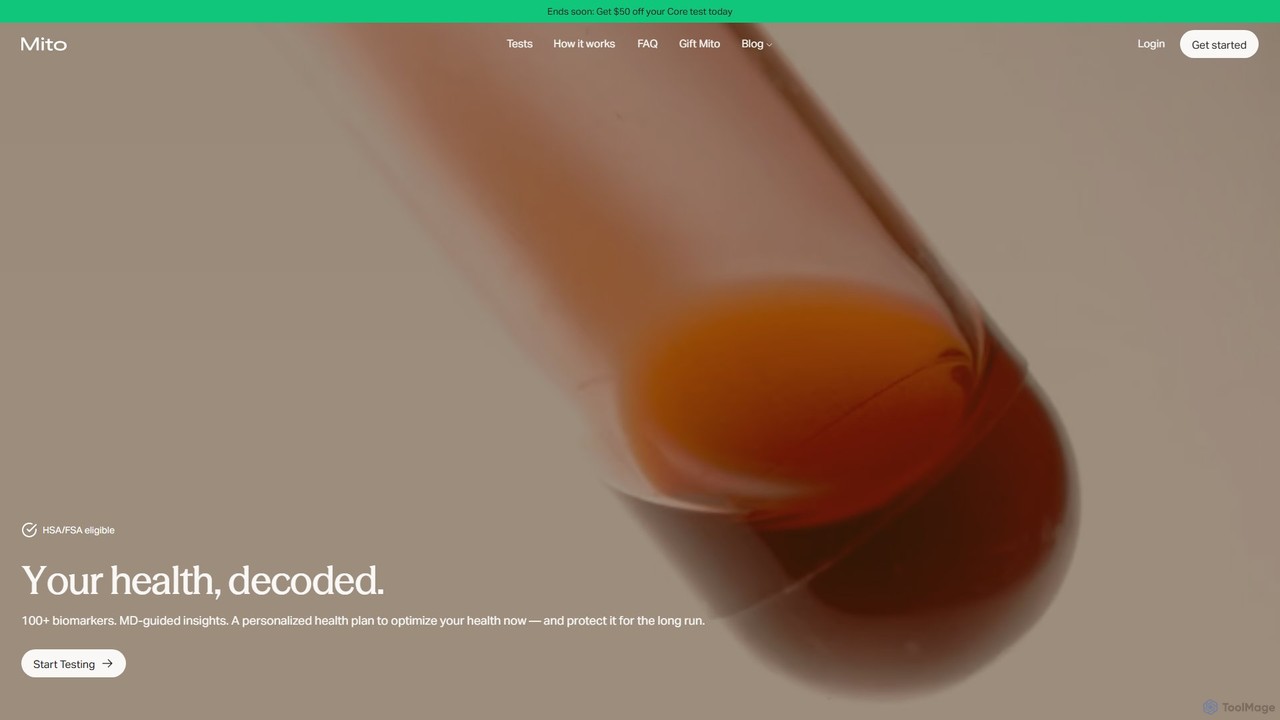
Mito Health is a proactive health platform offering comprehensive blood tests analyzing 100+ biomarkers. It combines AI-powered analysis with doctor-led insights to provide a personalized action plan for optimizing health and longevity. The service includes a 1:1 clinician consultation and health coaching to help you feel better and live longer.

Personalized Medicine
Visits 159.1KFavorites 88Likes 101

About Longevity

AI Longevity tools are a specialized category of health applications that use artificial intelligence to analyze personal biological data for extending healthspan and lifespan. These platforms process complex datasets, including genetic markers, blood biomarkers, and wearable data, to generate predictive insights and personalized health recommendations. The primary goal is to move beyond reactive healthcare towards a proactive, data-driven approach to managing the aging process. Unlike general wellness apps, they focus specifically on identifying and mitigating age-related decline at a cellular level.

Core Features

  • Biomarker Analysis: Interprets data from blood tests and wearables to track key indicators of aging and health.
  • Personalized Recommendations: Generates tailored diet, supplement, and lifestyle plans based on an individual's unique biology.
  • Biological Age Calculation: Utilizes AI models (aging clocks) to estimate your body's age versus its chronological age.
  • Genetic Risk Assessment: Analyzes DNA data to identify predispositions to age-related conditions and offers preventative strategies.
  • Long-term Progress Tracking: Monitors how interventions and lifestyle changes impact health metrics over time.

Use Cases

These tools are primarily used by health-conscious individuals and biohackers aiming for optimal aging, functional medicine practitioners creating preventative care plans for patients, and researchers studying the mechanisms of aging. They are valuable for anyone seeking to understand their health on a deeper level and make informed decisions to improve their long-term well-being.

How to Choose

When selecting an AI Longevity tool, consider the data sources it supports (e.g., compatibility with your DNA test or wearable device). Evaluate the scientific validity of its algorithms and recommendations. Scrutinize its data privacy policy to understand how your sensitive health information is protected. Finally, assess the actionability of its insights—the best tools translate complex data into clear, practical steps.

Featured tool rankings

Longevity use cases

1

Creating a Personalized Anti-Aging Plan

A health-conscious individual uploads their recent blood test results, genetic data from a service like 23andMe, and continuous glucose monitor data. The AI Longevity tool analyzes this multi-source information to identify suboptimal biomarkers, genetic predispositions, and metabolic inefficiencies. It then generates a detailed daily protocol, including specific supplement dosages (e.g., CoQ10, Vitamin D), dietary adjustments like increasing polyphenol intake, and targeted exercise routines to improve cellular health and lower their calculated biological age.

2

Tracking Biological Age Over Time

A user wants to objectively measure the impact of their new intermittent fasting protocol. They establish a baseline biological age using the AI tool by inputting their initial blood panel data. After three months of consistent fasting, they perform another blood test and upload the new results. The tool recalculates their biological age, providing a clear, quantifiable metric (e.g., 'Your biological age has decreased by 1.5 years') to validate the effectiveness of their lifestyle change, motivating them to maintain the habit.

3

Optimizing Diet Based on Genetic Profile

After connecting their genetic testing service, a user discovers they have a common variant of the MTHFR gene, which can impair folate metabolism. The AI Longevity tool flags this and recommends specific dietary changes, such as increasing intake of leafy greens (a natural source of folate) and suggests considering a methylated B-vitamin supplement instead of standard folic acid. This highly personalized advice helps the user bypass a genetic bottleneck to support crucial cellular processes like DNA repair.

4

Proactive Health Risk Assessment for Clinicians

A functional medicine practitioner uses an AI Longevity platform with their patients. By aggregating a patient's lab results, lifestyle questionnaires, and genetic data, the tool's algorithm identifies elevated long-term risks for conditions like insulin resistance or cardiovascular disease, even when individual markers are still within the standard 'normal' range. This enables the practitioner to design a highly targeted, preventative protocol with diet and lifestyle changes, addressing potential issues years before they would typically be diagnosed.

5

Evaluating the Impact of a New Supplement

A biohacker decides to test the effectiveness of a new supplement, such as NMN or Resveratrol. Before starting, they use an AI Longevity tool to establish a baseline of relevant biomarkers, like inflammation levels (hs-CRP) and NAD+ levels. After taking the supplement for three months, they re-test. The tool provides a clear before-and-after comparison, visualizing the percentage change in key markers. This data-driven feedback allows the user to make an informed decision about whether the supplement is providing a tangible benefit and is worth continuing.

6

Managing Sleep for Optimal Recovery

A user integrates their wearable sleep tracker with an AI Longevity tool. The AI doesn't just report sleep duration; it correlates sleep stages (deep, REM) with next-day recovery scores, heart rate variability (HRV), and blood glucose levels. It might identify that consuming a large meal within two hours of bedtime consistently disrupts deep sleep and elevates fasting glucose. Based on this pattern, it provides a specific, actionable recommendation: 'Try finishing your last meal 3 hours before sleep to improve deep sleep by an estimated 15%.'

Longevity FAQ

What are AI Longevity tools?

AI Longevity tools are specialized software applications that use artificial intelligence to analyze your personal health data with the goal of extending your healthspan (healthy years) and lifespan. They go beyond simple tracking by integrating complex data sources like blood biomarkers, genetic tests, and wearable data to provide personalized, actionable recommendations on diet, supplements, and lifestyle to optimize your aging process.

How do AI Longevity tools differ from general fitness apps?

General fitness apps primarily focus on tracking activity, calories, and workouts for short-term goals like weight loss or muscle gain. AI Longevity tools take a long-term, preventative approach. They analyze deeper biological data (like blood markers and genetics) to assess cellular health and predict future health risks. Their goal is not just fitness, but optimizing the underlying biology of aging to extend one's healthspan.

How do these tools calculate 'biological age'?

They use AI models known as 'aging clocks'. These models are trained on large datasets containing health markers (like blood test results) from thousands of people and their chronological ages. By analyzing your specific set of biomarkers, the AI can predict what age a person with similar markers would typically be. This result is your 'biological age', which can be higher or lower than your actual age and reflects your overall health status.

What kind of data do I need to use a Longevity tool effectively?

To get the most value, you'll need more than just activity data. The most effective use involves providing a combination of the following:

  • Blood Biomarkers: A comprehensive blood test including markers for inflammation, metabolic health, and nutrient levels.
  • Genetic Data: Results from a consumer DNA test (e.g., 23andMe, AncestryDNA).
  • Wearable Data: Consistent data from a device that tracks sleep, heart rate variability (HRV), and activity.
While you can start with just one data source, combining them provides the AI with a more holistic view of your health for more accurate insights.

Is my sensitive health data safe with these tools?

Data security is a critical consideration. Reputable AI Longevity tools should use strong encryption for your data both in transit and at rest. Before signing up, carefully review the platform's privacy policy. Look for transparency about how your data is used, especially if it's anonymized for research. Choosing services that are compliant with health data regulations like HIPAA (in the US) or GDPR (in Europe) can provide an additional layer of assurance.