ToolMage
Sign in

Best 4 Mindfulness AI tools for Wellness

Popular Mindfulness AI tools in Wellness include centered, Soul Zone, Ultra Attention, and TaraTok, helping you work more efficiently.

TaraTok
Freemium

TaraTok

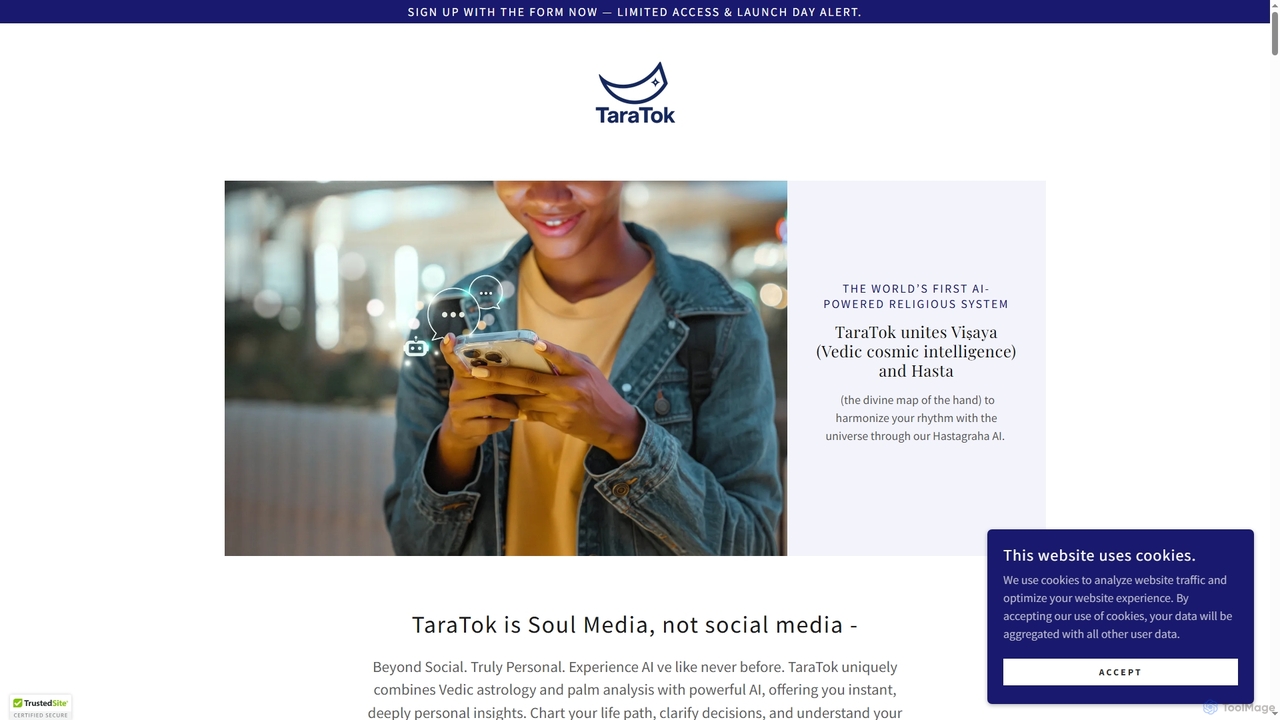
TaraTok is the world's first AI-powered religious intelligence platform, fusing ancient Vedic cosmic intelligence (Viṣaya) and palm wisdom (Hasta) with modern AI. It offers deeply personal spiritual guidance, life path insights, and karmic alignment to harmonize your rhythm with the universe.

Personalized Guidance
Visits 5.4KFavorites 113Likes 123
Ultra Attention
Paid

Ultra Attention

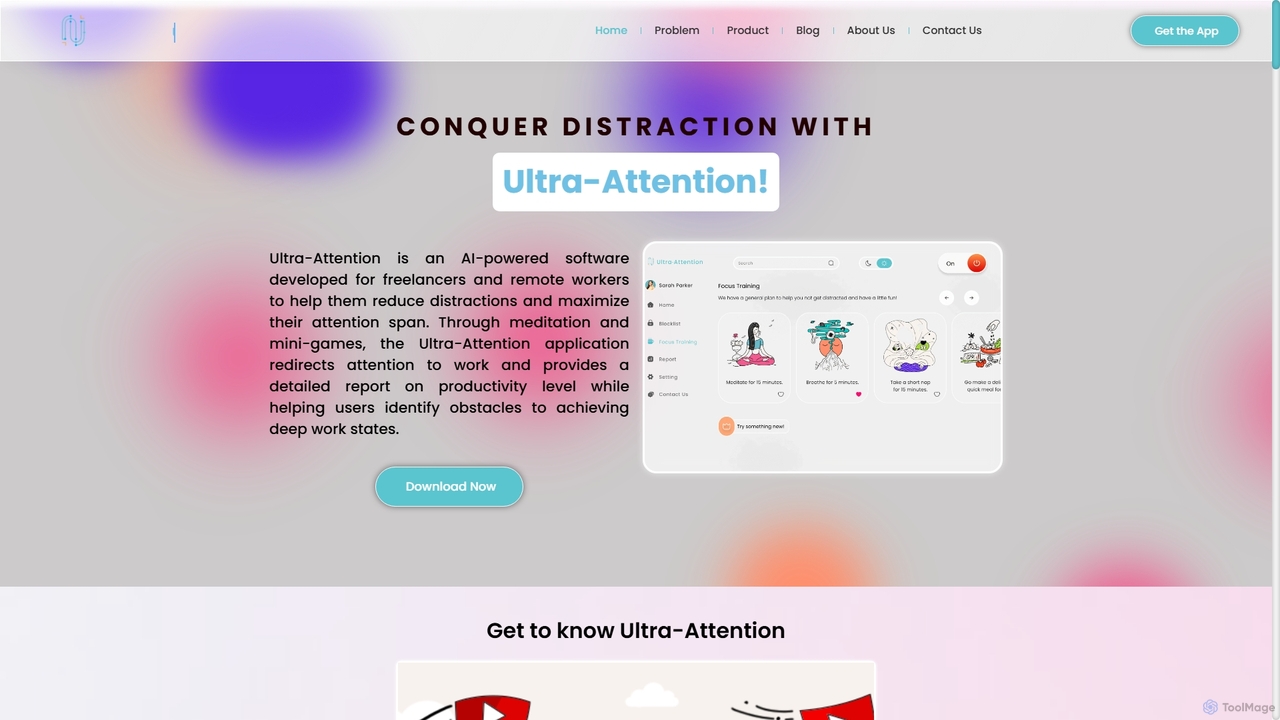
Ultra-Attention is an AI-powered desktop application designed for freelancers and remote workers to combat distractions. It uses webcam-based eye tracking and machine learning to detect loss of focus, providing real-time alerts, app blocking, and focus-training exercises to help users achieve deep work states and boost productivity.

Time Tracking
Visits 5.7KFavorites 133Likes 116
centered
Freemium

centered

centered is an AI-powered focus and productivity app designed to help users achieve a 'flow state'. It combines a task manager, session timer, and distraction blocker with a unique AI coach named Noah, who guides users through their work. With curated music and community features, it's built for remote workers, students, and anyone looking to eliminate distractions and accomplish deep work.

Focus
Visits 28.6KFavorites 162Likes 164
Soul Zone
Freemium

Soul Zone

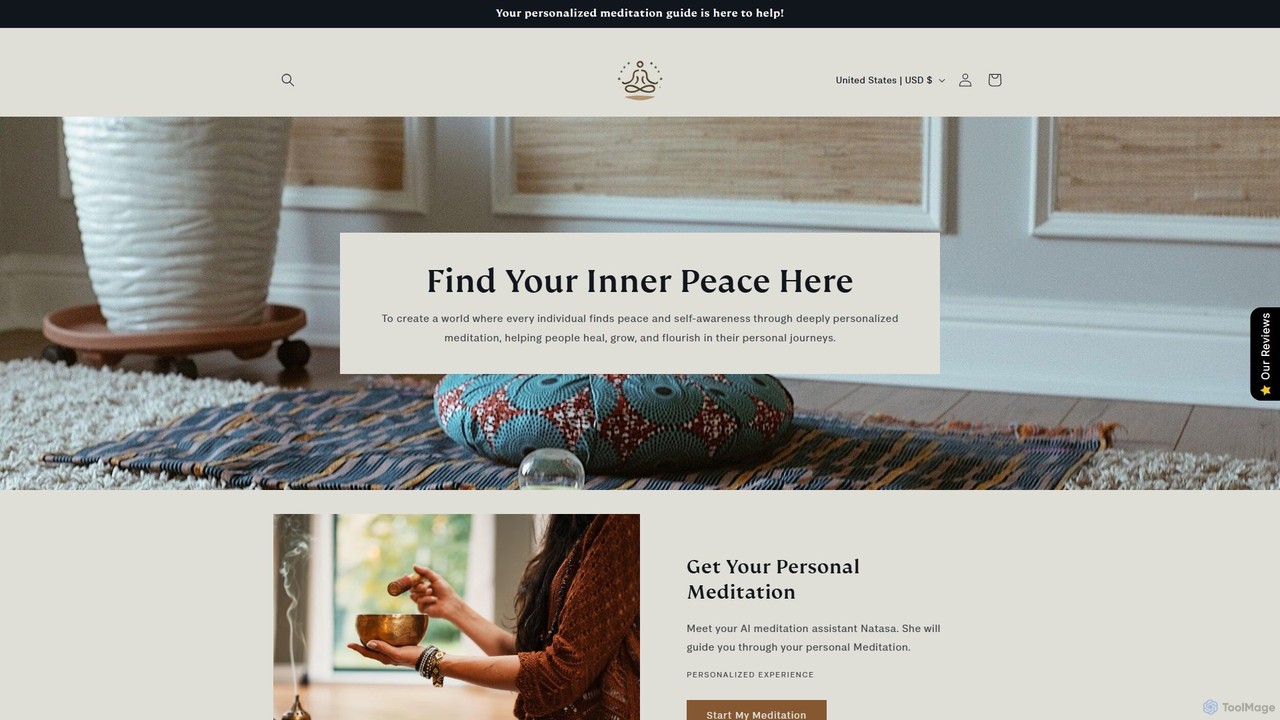
Soul Zone is a unique AI platform that creates deeply personalized meditation guides based on your personal stories. It also features a curated shop with wellness products to support your mindfulness journey, aiming to help you find inner peace and self-awareness.

Wellness Products
Visits 6KFavorites 122Likes 117

About Mindfulness

Mindfulness AI tools are applications and platforms that leverage artificial intelligence to support and enhance mindfulness practices. These tools utilize AI algorithms to personalize guided meditations, track emotional states, and offer tailored exercises. They help individuals cultivate mental clarity, reduce stress, improve focus, and promote overall emotional well-being through adaptive and data-driven approaches.

Core Features

  • Personalized Guided Meditations: AI adapts meditation sessions based on user mood, goals, and progress for a tailored experience.
  • Stress & Mood Tracking: Monitors user input and, in some cases, biometric data to provide insights into stress levels and emotional states.
  • Mindfulness Exercises & Prompts: Offers a variety of breathing exercises, body scans, and reflective prompts to deepen practice.
  • Progress Analytics: Visualizes meditation streaks, duration, and reported well-being changes over time to show improvement.
  • Soundscapes & Ambient Music: Generates calming audio environments to aid relaxation, concentration, and sleep.

Applicable Scenarios

Individuals seeking to integrate mindfulness into their daily lives for stress reduction, improved focus, or better sleep can greatly benefit. Professionals managing high-pressure environments, students facing academic stress, and anyone looking to enhance emotional regulation will find these tools valuable for cultivating inner peace and resilience.

How to Choose

When selecting a Mindfulness AI tool, consider the depth of its personalization capabilities, ensuring it adapts effectively to your unique needs. Evaluate the variety and quality of guided content, exercises, and soundscapes offered. Look for robust tracking and analytics features that provide actionable insights into your progress. Finally, assess the user interface for ease of use, intuitive design, and a calming aesthetic that supports your practice.

Mindfulness use cases

1

Personalized Daily Meditation for Stress Relief

A busy professional uses an AI mindfulness app to receive a 10-minute guided meditation session tailored to their current stress level and available time. The AI analyzes their mood input and past practice data to select the most effective meditation, helping them start the day with mental clarity and reduced anxiety, ultimately improving their overall productivity and well-being.

2

Enhancing Focus for Creative Professionals

A content creator employs an AI mindfulness tool to generate ambient focus music and integrate short mindfulness breaks during long work sessions. The AI learns their optimal focus patterns and suggests breaks when attention wanes, helping them maintain concentration, reduce mental fatigue, and boost creative output without feeling overwhelmed by distractions.

3

Improving Sleep Quality with AI-Guided Relaxation

An individual struggling with insomnia uses an AI mindfulness app to generate personalized calming soundscapes and pre-sleep meditations. The AI adapts the audio and guidance based on their reported sleep quality and preferences, helping them establish a consistent wind-down routine, reduce racing thoughts, and track improvements in sleep patterns over time for better restorative rest.

4

Emotional Regulation for Parents and Caregivers

A parent uses an AI mindfulness app's quick emotional check-ins and short guided exercises to manage moments of overwhelm or frustration. The AI provides immediate, context-aware prompts for breathing or a brief body scan, fostering a more patient and present approach to parenting and improving their ability to respond calmly to challenging situations with their children.

5

Workplace Well-being and Resilience Programs

Companies integrate AI mindfulness tools into their employee wellness initiatives to offer personalized stress management and resilience-building resources. Employees can access tailored meditations and exercises during work breaks, helping to reduce burnout, improve focus, and enhance emotional intelligence. This leads to a more engaged and productive workforce, fostering a positive organizational culture.

6

Managing Anxiety and Overwhelm in Daily Life

An individual experiencing general anxiety uses an AI mindfulness tool to access on-demand breathing exercises and short guided meditations during moments of heightened stress. The AI can suggest specific techniques based on their real-time emotional input, providing immediate relief and helping them develop coping mechanisms to navigate daily challenges with greater calm and emotional stability.

Mindfulness FAQ

What are AI Mindfulness tools?

AI Mindfulness tools are digital applications or platforms that use artificial intelligence to facilitate and enhance mindfulness practices. They offer personalized guided meditations, stress tracking, breathing exercises, and soundscapes, adapting to individual user needs and progress. Their core purpose is to help users cultivate mental clarity, reduce stress, improve focus, and promote overall emotional well-being through adaptive and data-driven approaches.

How do AI Mindfulness tools personalize experiences?

These tools use AI algorithms to analyze various data points, including user input (such as reported mood, goals, and preferences), historical practice data, and sometimes even biometric feedback from wearable devices. Based on this analysis, the AI dynamically adjusts meditation scripts, suggests relevant exercises, or creates personalized sound environments. This ensures the content is most effective and tailored to the individual's current state and long-term progress, making the experience highly responsive and adaptive.

What are the benefits of using AI for mindfulness?

Using AI for mindfulness offers several distinct benefits. It provides enhanced personalization, adapting content to individual needs and progress in real-time. These tools offer unparalleled accessibility, making mindfulness practices available anytime, anywhere. Users also benefit from objective progress tracking and data-driven insights, which can motivate consistent practice. Furthermore, AI can generate a wider variety of content tailored to specific needs, helping users establish consistent practice, reduce stress, improve focus, and cultivate emotional resilience more effectively than traditional static apps.

How do AI Mindfulness tools differ from traditional meditation apps?

While traditional meditation apps often provide a static library of pre-recorded sessions, AI Mindfulness tools go a significant step further by offering dynamic and adaptive content. The key difference lies in AI's ability to personalize recommendations, track subtle changes in user well-being, and even generate unique content on the fly. This makes the experience more responsive and tailored to the individual's real-time needs and progress, rather than simply offering a one-size-fits-all approach from a fixed collection.

Who can benefit from using AI Mindfulness tools?

Anyone looking to improve their mental well-being can benefit from AI Mindfulness tools. This includes individuals experiencing stress, anxiety, or burnout, those seeking to enhance focus and productivity in their professional or academic lives, and people wanting to improve sleep quality. From beginners interested in starting a mindfulness practice to experienced practitioners looking for personalized insights and advanced techniques, these tools offer valuable support for cultivating a more present and mindful approach to daily life.