Best of the Year 7 results Ai Art AI Tools

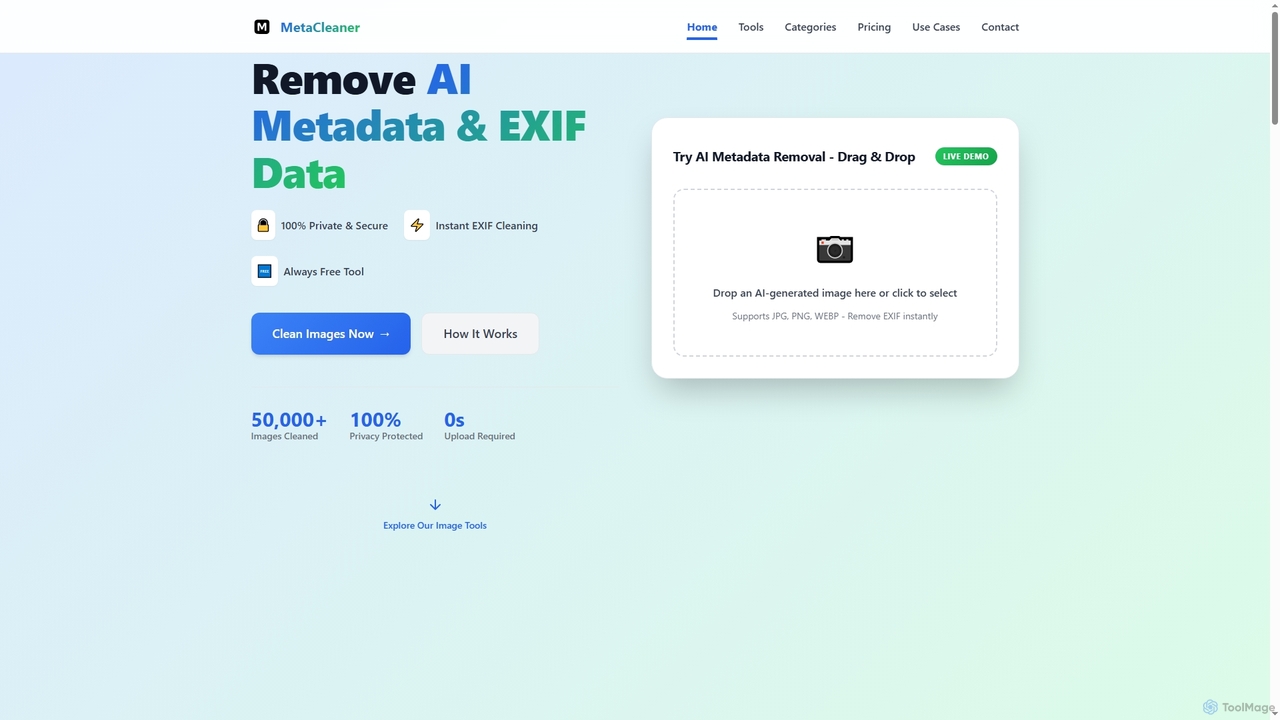
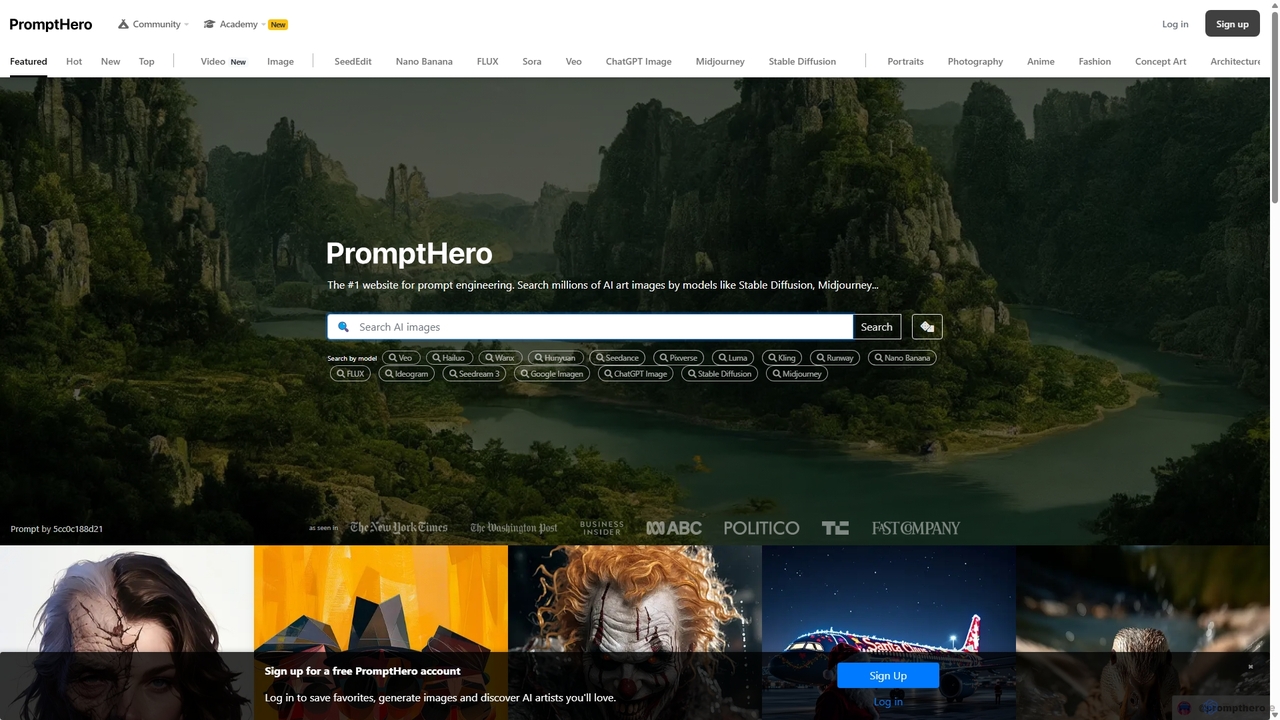
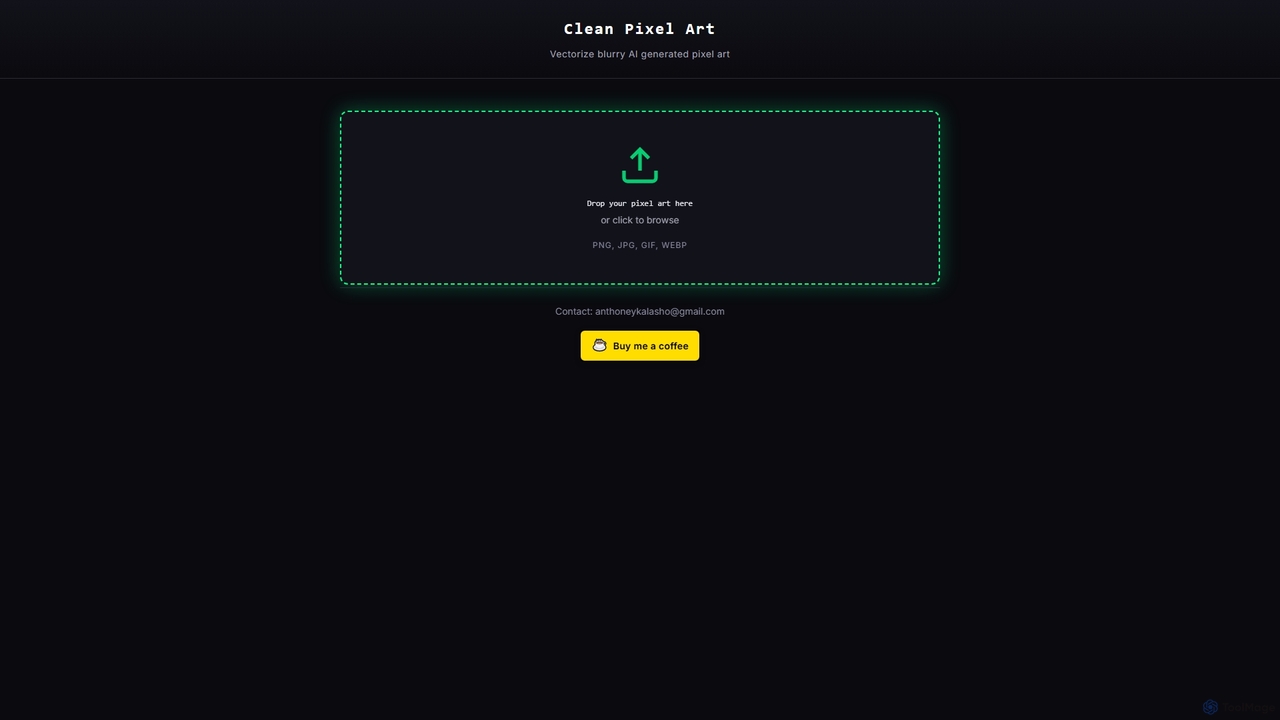
Popular AI tools in the Ai Art field include PromptHero、Monet、Nanobananainpaint、Aimodified、ImgtoPrompt、Clean Pixel Art、StickrSnap, etc., helping you quickly improve efficiency.

Clean Pixel Art

Clean Pixel Art

Clean Pixel Art is an online AI-powered tool designed to transform blurry, AI-generated pixel art into crisp, scalable …

2.7K
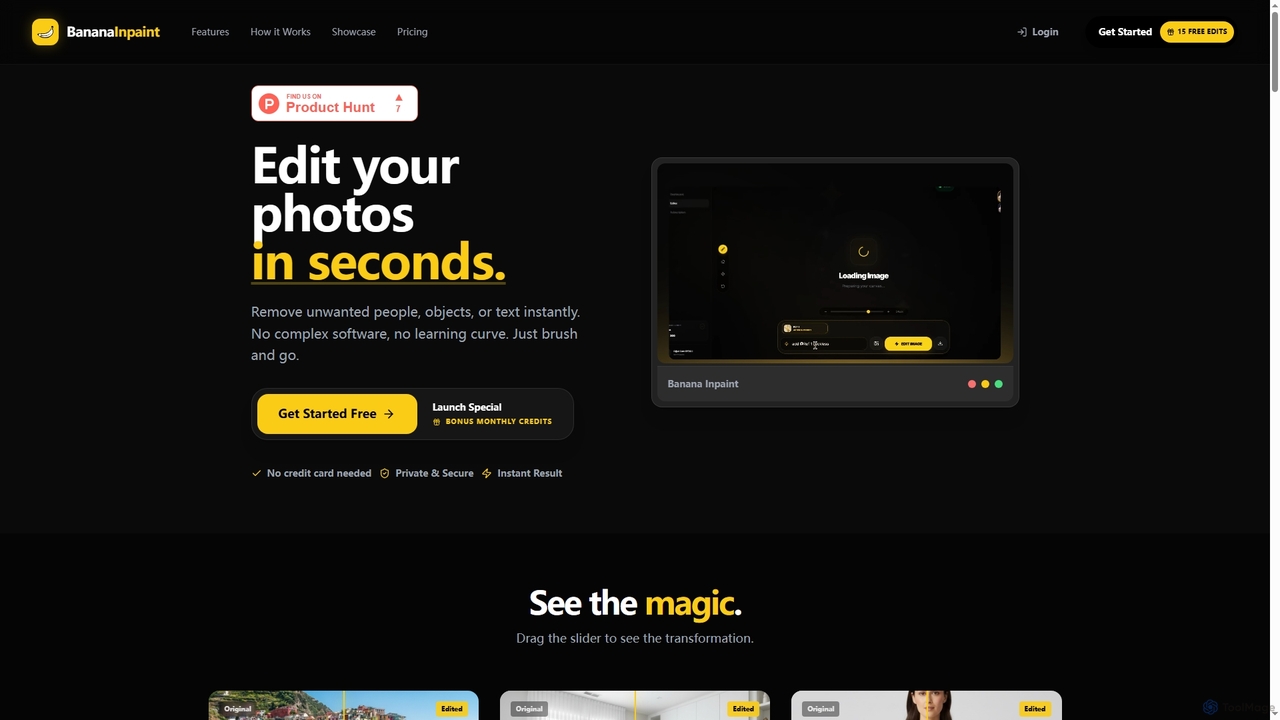
Nanobananainpaint

Nanobananainpaint

Nanobananainpaint is an AI-powered online photo editor that allows users to effortlessly remove unwanted objects, people, or text …

3.1K
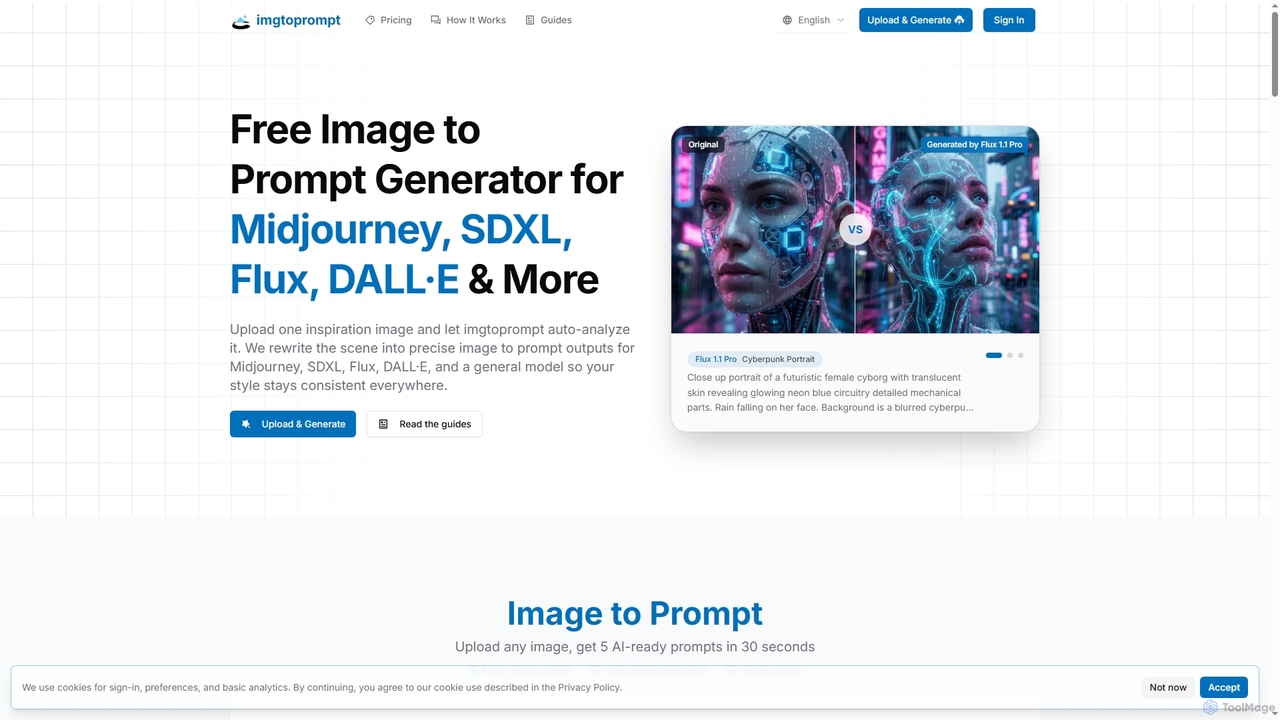
ImgtoPrompt

ImgtoPrompt

ImgtoPrompt is an AI-powered image-to-prompt generator that transforms inspiration images into precise, optimized prompts for leading AI art …

2.9K
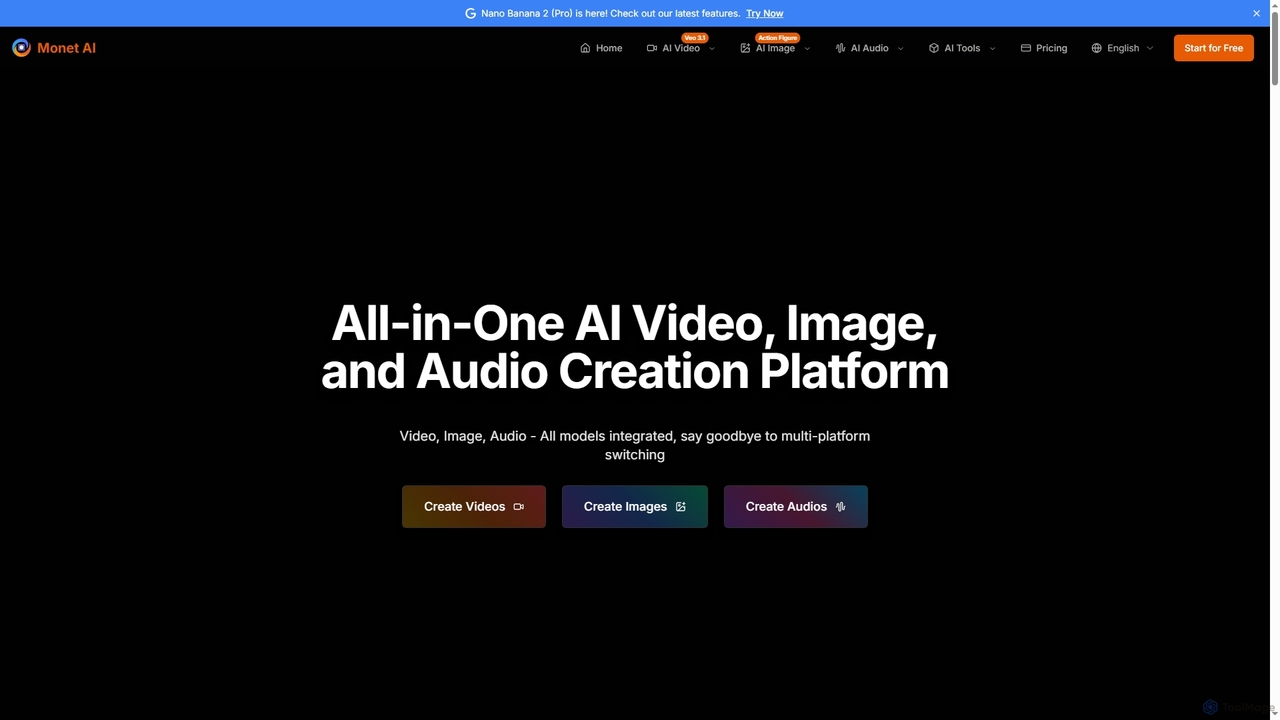
Monet

Monet

Monet is an all-in-one AI creation platform that integrates leading AI models for generating high-quality videos, images, and …

235.4K
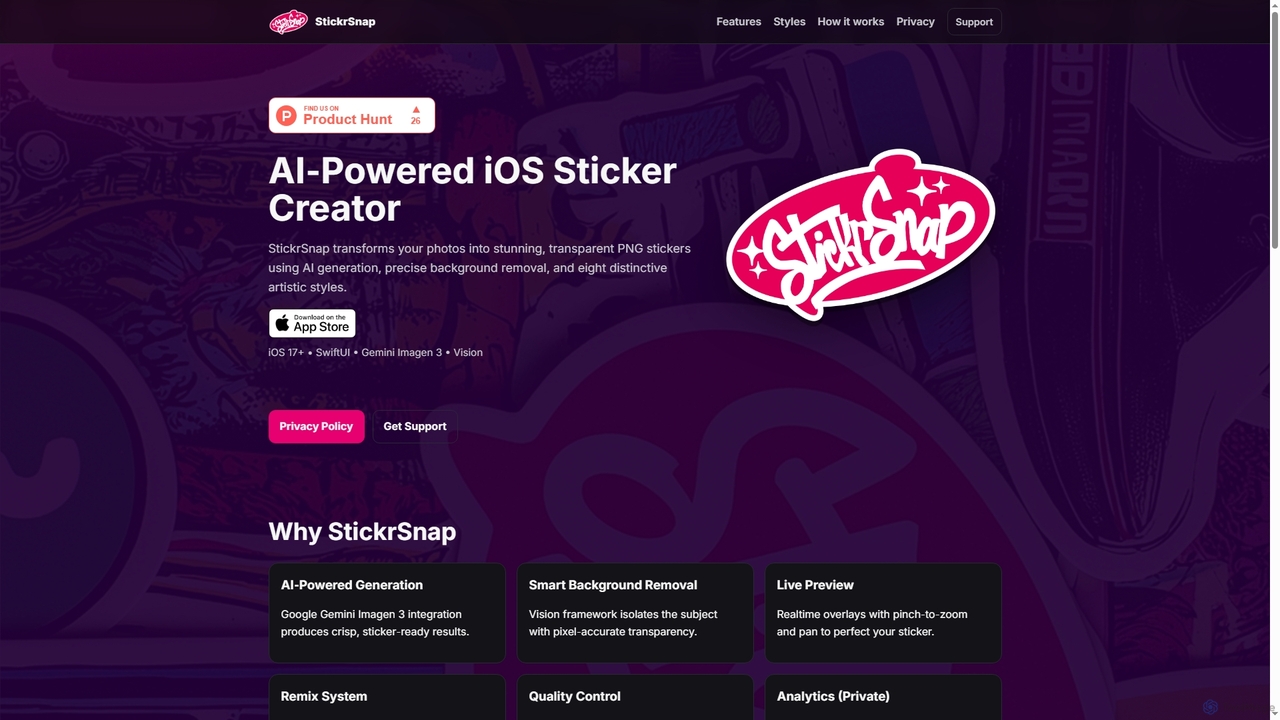
StickrSnap

StickrSnap

StickrSnap is an AI-powered iOS app that effortlessly transforms your photos into unique, transparent PNG stickers. Leveraging Google …

2.6K
Free
Aimodified

Aimodified

Aimodified is a free, browser-based tool designed to remove AI-generated metadata and EXIF data from images. It ensures …

3.0K
PromptHero

PromptHero

PromptHero is a leading search engine for AI prompts, catering to models like Stable Diffusion, Midjourney, and ChatGPT. …

683.3K

About Ai Art

AI Art tools are AI-powered platforms that enable users to generate, transform, and enhance visual content through artificial intelligence. These tools leverage advanced machine learning models, such as generative adversarial networks (GANs) and diffusion models, to interpret text prompts, image inputs, or other data and produce unique artistic outputs. They empower artists, designers, marketers, and enthusiasts to explore new creative frontiers, automate visual asset creation, and personalize digital content with unprecedented speed and flexibility.

Core Features

  • Text-to-Image Generation: Create diverse images from descriptive text prompts.
  • Image-to-Image Transformation: Modify existing images or apply new styles based on input images and prompts.
  • Style Transfer: Apply the artistic style of one image to the content of another.
  • Upscaling & Enhancement: Improve image resolution and detail without loss of quality.
  • 3D Asset Creation: Generate textures, models, or concept art for 3D environments.

Use Cases

AI Art tools are widely adopted across various creative and commercial sectors. Graphic designers utilize them for rapid ideation and generating unique visual elements for branding. Game developers leverage AI for creating concept art, textures, and character variations, significantly accelerating the design pipeline. Marketers use these tools to produce engaging, customized visuals for campaigns and social media, reducing reliance on stock photography and enhancing brand storytelling.

How to Choose

When selecting an AI Art tool, consider the range of generative models and artistic styles it supports, as this impacts creative flexibility. Evaluate the ease of use and user interface, especially for beginners. Assess the quality and consistency of the output, along with customization options like inpainting or control features. Finally, compare pricing models, community support, and integration capabilities with existing creative workflows to ensure it meets your specific project requirements.

Ai ArtUse Cases

1

Concept Art for Game Development

Game artists and concept designers utilize AI Art tools to rapidly generate diverse visual ideas for characters, environments, and props. By inputting text prompts and reference images, they can explore countless stylistic variations and design iterations in minutes, significantly accelerating the initial ideation phase of game development and fostering greater creative exploration.

2

Marketing & Advertising Visuals

Marketing specialists and advertisers leverage AI Art to create unique, eye-catching images for campaigns, social media, and digital ads. These tools allow them to generate visuals tailored to specific brand guidelines, product descriptions, and target audiences, producing high-quality, customized content quickly and reducing the time and cost associated with traditional graphic design or stock photography.

3

Personalized Digital Portraits & Avatars

Individual users and social media influencers employ AI Art tools to transform personal photos into various artistic styles or create unique digital avatars. By uploading a photo and selecting a desired style (e.g., anime, oil painting, cyberpunk), they can express individuality and enhance their online presence with distinctive, personalized digital art that stands out.

4

Interior Design & Architectural Visualization

Interior designers and architects use AI Art to visualize design concepts for rooms, buildings, and landscapes. By inputting floor plans, material preferences, and style descriptions, they can generate realistic or stylized renderings. This capability allows them to quickly present multiple design options to clients and iterate on ideas without the need for time-consuming manual rendering processes.

5

Storyboarding & Comic Creation

Filmmakers, comic artists, and content creators utilize AI Art tools to generate visual sequences for storyboards, comic panels, or animated shorts. By describing scenes, characters, and actions through text prompts, they can produce consistent visual narratives. This streamlines the pre-production phase, helping to visualize narrative flow and refine storytelling efficiently before full production begins.

6

Fashion Design & Textile Patterns

Fashion designers and textile artists employ AI Art to create new garment designs, fabric patterns, or mood boards. By inputting design inspirations, color palettes, and garment types, they can generate unique fashion concepts and explore innovative patterns. This accelerates the design process, allowing for rapid visualization of collections and experimental textile creations.

Ai ArtFrequently Asked Questions