ToolMage
Sign in

Best 3 Ai For Good AI tools

Popular Ai For Good AI tools include Kunduz, Reading Coach, and reallife3d, helping you work more efficiently.

Kunduz
Freemium

Kunduz

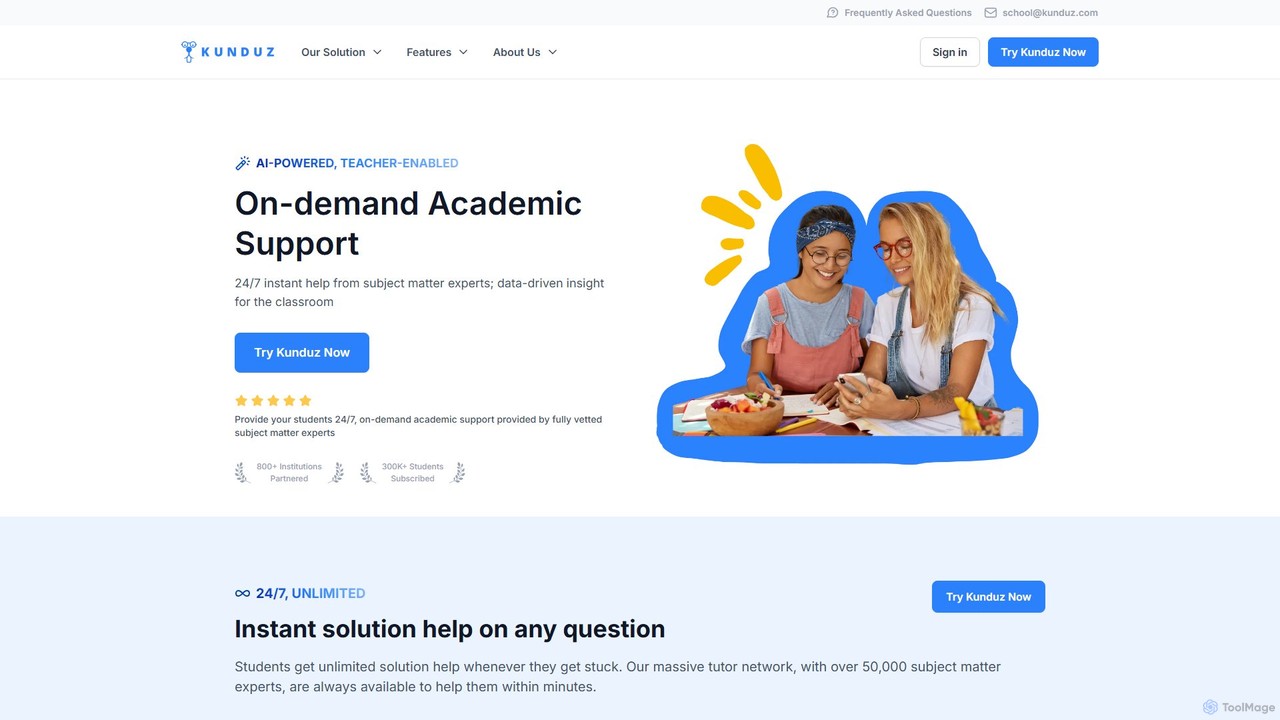
Kunduz is an AI-powered, teacher-enabled educational platform providing 24/7 on-demand academic support. It connects students with over 50,000 expert tutors for instant homework help and problem-solving. For educators and institutions, Kunduz offers a data-driven dashboard to track student progress and personalize learning, making quality education accessible anytime, anywhere.

Social Impact
Visits 469.2KFavorites 97Likes 110
reallife3d
Paid

reallife3d

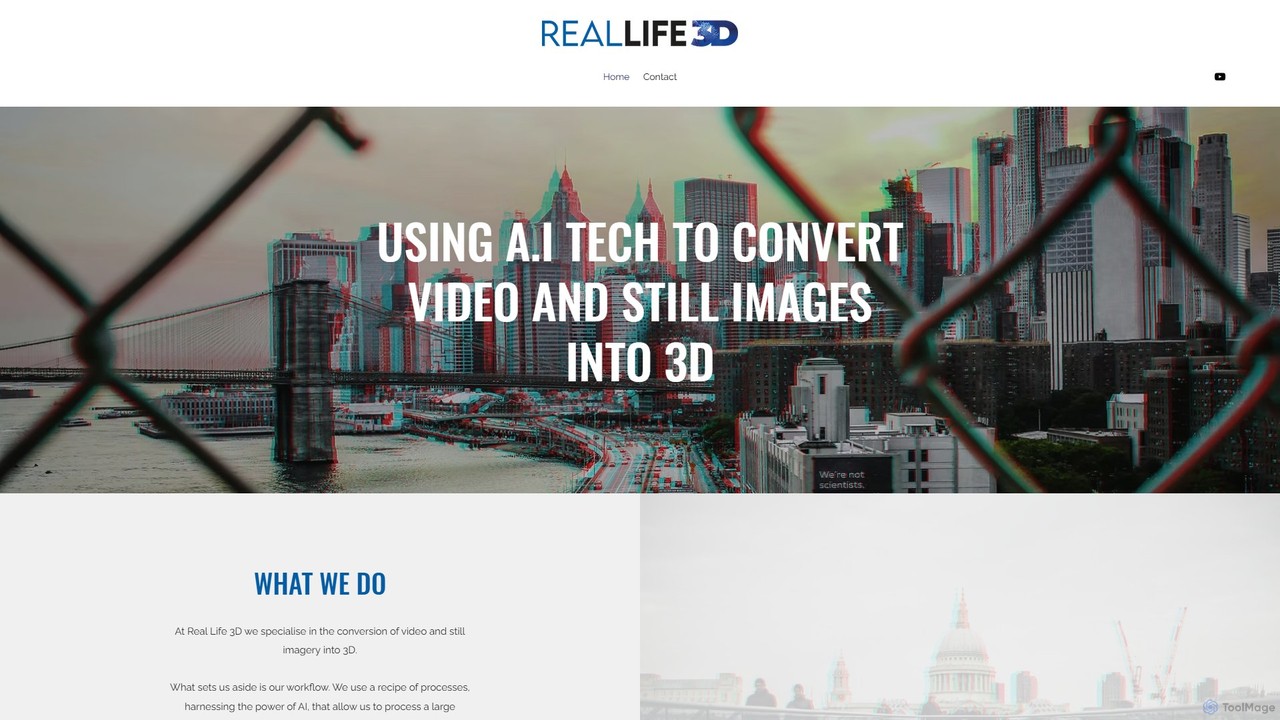
reallife3d is a specialized service that uses a proprietary AI-powered workflow to convert standard 2D videos and still images into immersive stereoscopic 3D. It offers a fast, cost-effective solution for creators to produce content for 3D and VR platforms like YouTubeVR, supporting formats such as side-by-side, VR180, and anaglyph.

Cultural Heritage
Visits 5.6KFavorites 118Likes 113
Reading Coach
Free

Reading Coach

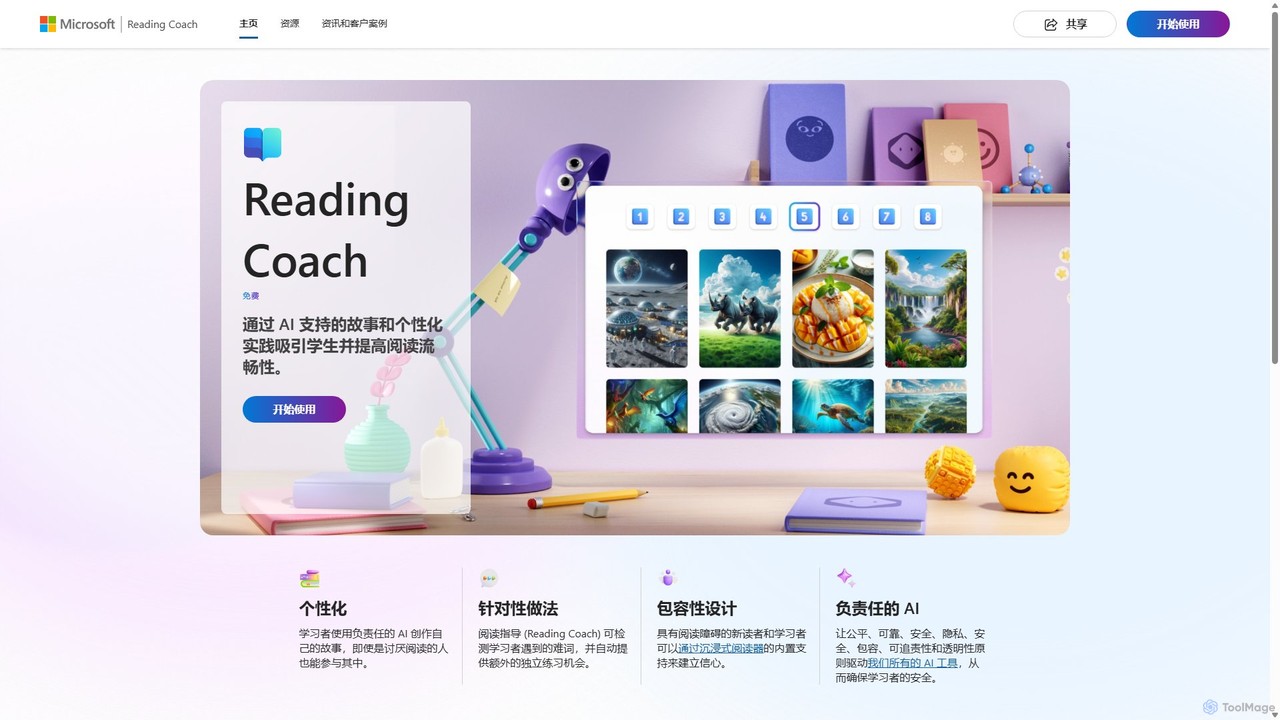
Reading Coach is a free AI-powered tool from Microsoft designed to improve reading fluency and confidence. It engages learners through personalized, AI-generated stories and provides real-time feedback on pronunciation. With targeted practice for challenging words and integration with Immersive Reader, it offers an inclusive and motivating learning experience for students, teachers, and parents.

Accessibility
Visits 130KFavorites 154Likes 145

About Ai For Good

Ai For Good tools are AI-powered solutions specifically designed to address pressing societal challenges, promote human well-being, and foster a sustainable future. These innovative tools leverage advanced artificial intelligence techniques, including machine learning, natural language processing, and computer vision, to create positive social and environmental impact. They aim to solve complex problems in areas like healthcare, education, environmental protection, and humanitarian aid, ultimately contributing to a more equitable and resilient world.

Core Features

  • Impact Measurement & Reporting: Quantifies the social and environmental outcomes of projects, providing data-driven insights for accountability and improvement.
  • Predictive Analytics for Crisis Prevention: Utilizes AI to forecast potential disasters, disease outbreaks, or social unrest, enabling proactive intervention.
  • Personalized Support & Accessibility: Delivers tailored educational content, healthcare advice, or assistive technologies to individuals, especially vulnerable populations.
  • Resource Optimization for Sustainability: Applies AI to manage energy, water, and waste more efficiently, supporting environmental conservation efforts.
  • Bias Detection & Fairness: Identifies and mitigates algorithmic biases in systems to ensure equitable outcomes and promote social justice.

Use Cases

These tools are employed by NGOs, government agencies, research institutions, and socially conscious enterprises. They assist in areas such as monitoring deforestation, optimizing humanitarian logistics, providing remote medical diagnostics in underserved regions, and developing adaptive learning platforms for students with diverse needs.

How to Choose

When selecting Ai For Good tools, prioritize solutions with transparent ethical frameworks, robust data privacy measures, and proven impact metrics. Consider the tool's scalability, integration capabilities with existing systems, and the level of community involvement in its development and deployment. Evaluate the long-term sustainability and maintenance support provided by the developer.

Ai For Good use cases

1

Enhancing Early Warning Systems for Natural Disasters

Humanitarian organizations and government agencies utilize Ai For Good tools to analyze vast datasets from weather patterns, seismic activity, and social media. By applying machine learning algorithms, these tools can predict the likelihood and severity of natural disasters like floods, earthquakes, or wildfires with greater accuracy. This enables timely evacuation orders, pre-positioning of aid, and more effective resource allocation, significantly reducing casualties and property damage in vulnerable communities.

2

Personalizing Education for Underserved Students

Educators and non-profits deploy Ai For Good platforms to create adaptive learning experiences for students in remote or under-resourced areas. These AI tutors assess individual learning styles, knowledge gaps, and progress, then deliver personalized content, exercises, and feedback. This approach helps bridge educational disparities, improves learning outcomes, and keeps students engaged, offering quality education that might otherwise be inaccessible.

3

Monitoring Deforestation and Wildlife Poaching

Environmental conservation groups leverage Ai For Good solutions equipped with satellite imagery analysis and acoustic monitoring. AI algorithms process vast amounts of data to detect illegal logging activities, track wildlife movements, and identify poaching hotspots in real-time. This allows rangers and authorities to intervene swiftly, protecting endangered species and preserving critical ecosystems, contributing to global biodiversity efforts.

4

Improving Healthcare Access in Remote Areas

Medical professionals and public health initiatives use Ai For Good tools for remote diagnostics and health management. AI-powered image analysis can assist in detecting diseases like retinopathy or skin cancer from patient photos, while natural language processing helps interpret symptoms from patient descriptions. This technology extends specialized medical care to populations without easy access to clinics or doctors, improving health outcomes and reducing diagnostic delays.

5

Detecting and Mitigating Bias in Public Services

Government bodies and advocacy groups employ Ai For Good tools to audit algorithmic decision-making systems used in areas like criminal justice, loan applications, or social welfare distribution. These tools identify potential biases in data or algorithms that could lead to discriminatory outcomes against certain demographic groups. By highlighting and helping to correct these biases, they promote fairness, equity, and trust in public services.

6

Optimizing Humanitarian Aid Logistics and Distribution

Disaster relief organizations utilize Ai For Good platforms to enhance the efficiency of aid delivery. AI algorithms analyze real-time data on road conditions, population needs, available resources, and logistical constraints to optimize routes and distribution points for food, water, and medical supplies. This ensures that aid reaches those most in need faster and more effectively, minimizing waste and maximizing impact during emergencies.

Ai For Good FAQ

What is Ai For Good?

Ai For Good refers to the application of artificial intelligence technologies to solve global challenges and create positive social and environmental impact. These tools leverage AI to address issues in areas such as healthcare, education, climate change, poverty reduction, and humanitarian aid. Their core purpose is to harness AI's power for the betterment of humanity and the planet, ensuring technology serves ethical and sustainable goals.

How do Ai For Good tools contribute to sustainability?

Ai For Good tools contribute to sustainability by optimizing resource usage, monitoring environmental changes, and promoting eco-friendly practices. For example, AI can manage smart grids to reduce energy waste, analyze satellite data to track deforestation, or predict climate patterns to inform sustainable agriculture. By providing data-driven insights and automating efficient processes, these tools help mitigate environmental impact and foster a more sustainable future.

What ethical considerations are crucial for Ai For Good?

Ethical considerations are paramount for Ai For Good. Key aspects include ensuring data privacy and security, preventing algorithmic bias and discrimination, maintaining transparency in AI decision-making, and ensuring accountability for AI's impact. It's crucial that these tools are developed and deployed responsibly, with human oversight, and in alignment with universal ethical principles to avoid unintended harm and build trust.

Who benefits most from Ai For Good initiatives?

Ai For Good initiatives primarily benefit vulnerable populations, underserved communities, and the environment. This includes individuals in remote areas gaining access to healthcare or education, communities at risk from natural disasters receiving early warnings, and ecosystems benefiting from advanced monitoring and conservation efforts. Ultimately, these initiatives aim to create a more equitable, healthy, and sustainable world for everyone.

What are some common applications of Ai For Good in healthcare?

In healthcare, Ai For Good tools are used for various impactful applications. They can assist in early disease detection, particularly in regions with limited medical infrastructure, through AI-powered image analysis or symptom checkers. Other applications include optimizing vaccine distribution, personalizing treatment plans for rare diseases, and developing accessible mental health support systems. These tools aim to improve health outcomes and expand access to quality care globally.