Assisterr AI
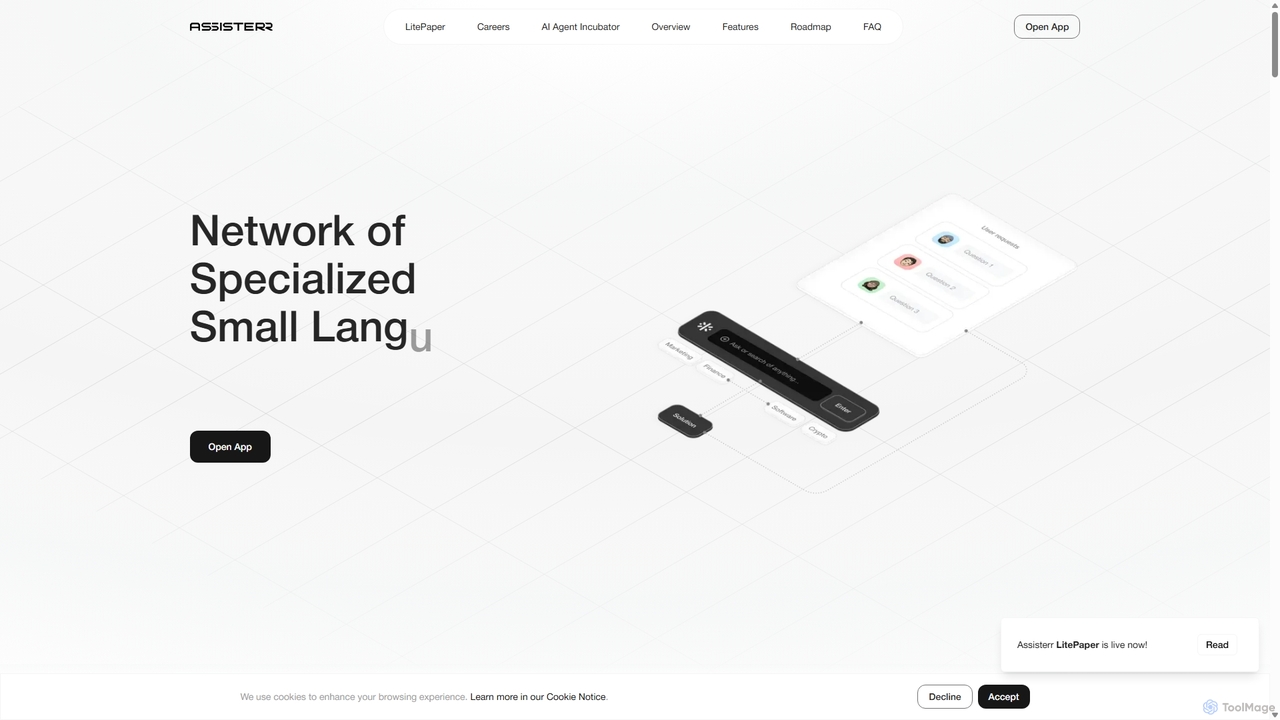
Assisterr AI is a decentralized platform that empowers users to create, own, and monetize specialized Small Language Models …
Assisterr AI is a decentralized platform that empowers users to create, own, and monetize specialized Small Language Models (SLMs) and AI agents without coding. It leverages blockchain technology for transparency and provides a complete ecosystem including a no-code builder, a marketplace for models, a data market, and an incubator for AI innovators.
dreamlook.ai
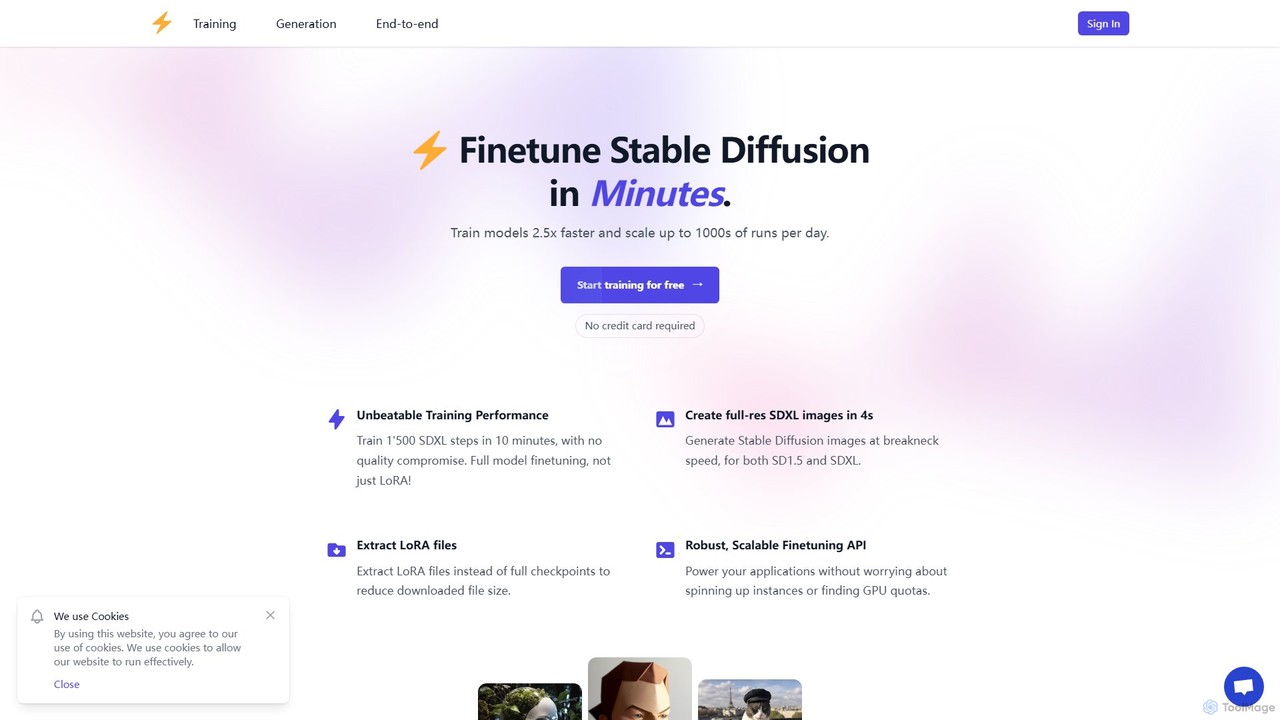
dreamlook.ai is a high-speed platform for fine-tuning Stable Diffusion models (SD1.5 & SDXL). Train custom models on your …
dreamlook.ai is a high-speed platform for fine-tuning Stable Diffusion models (SD1.5 & SDXL). Train custom models on your own images in minutes, not hours. It offers full model fine-tuning, LoRA extraction, and a robust API for developers to integrate custom AI image generation into their applications, all with competitive, token-based pricing.
Stable Diffusion API
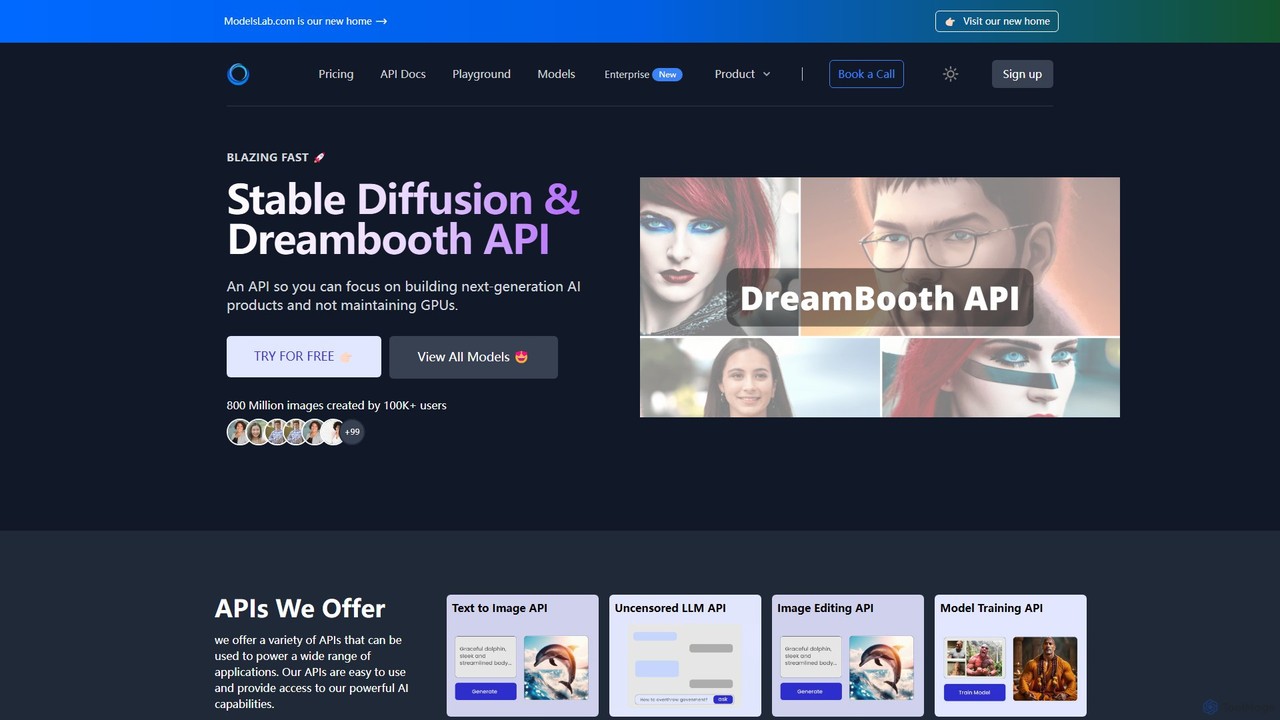
A developer-focused API platform providing blazing-fast access to Stable Diffusion, Dreambooth, SDXL, and over 1000 other AI models. …
A developer-focused API platform providing blazing-fast access to Stable Diffusion, Dreambooth, SDXL, and over 1000 other AI models. Easily integrate text-to-image, model training, image editing, and more into your applications without managing GPU infrastructure.
Assisterr
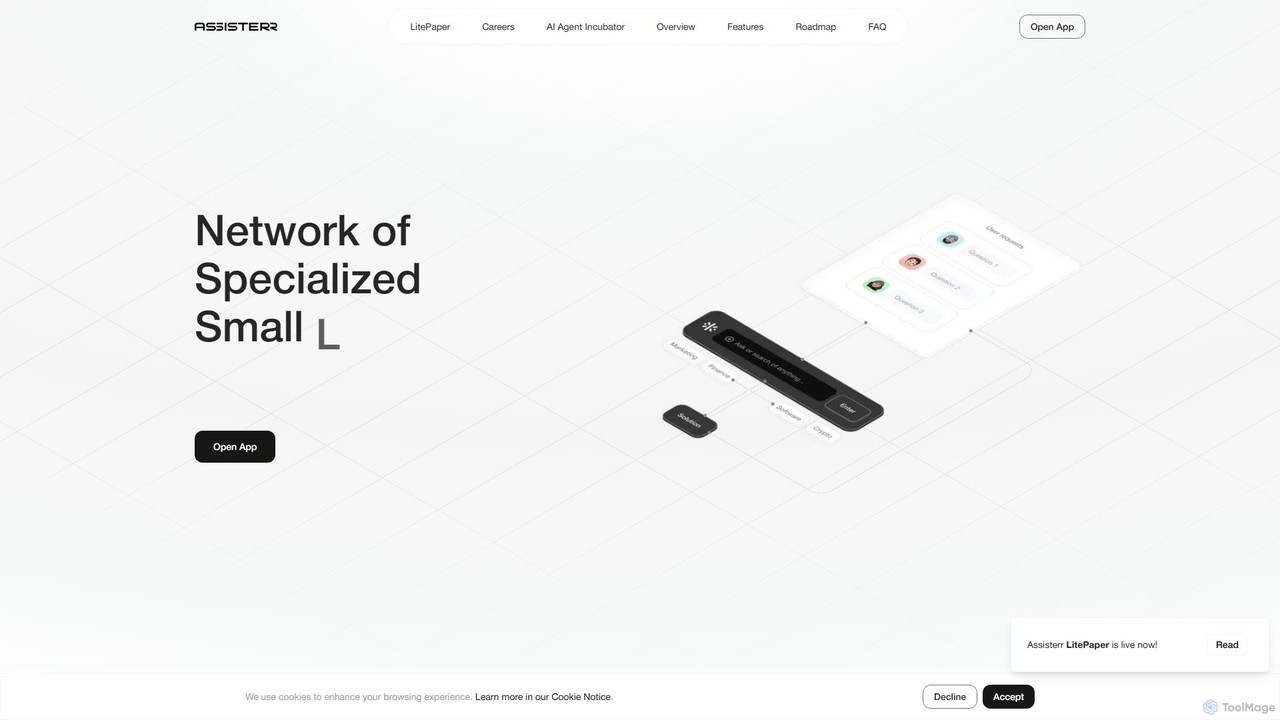
Assisterr is a decentralized platform for creating, owning, and monetizing specialized Small Language Models (SLMs) using no-code tools. …
Assisterr is a decentralized platform for creating, owning, and monetizing specialized Small Language Models (SLMs) using no-code tools. It leverages blockchain technology to build a community-driven ecosystem where users can collaborate, launch AI agents on a marketplace, and earn rewards, making advanced AI accessible to both individuals and businesses without technical expertise.
Leap
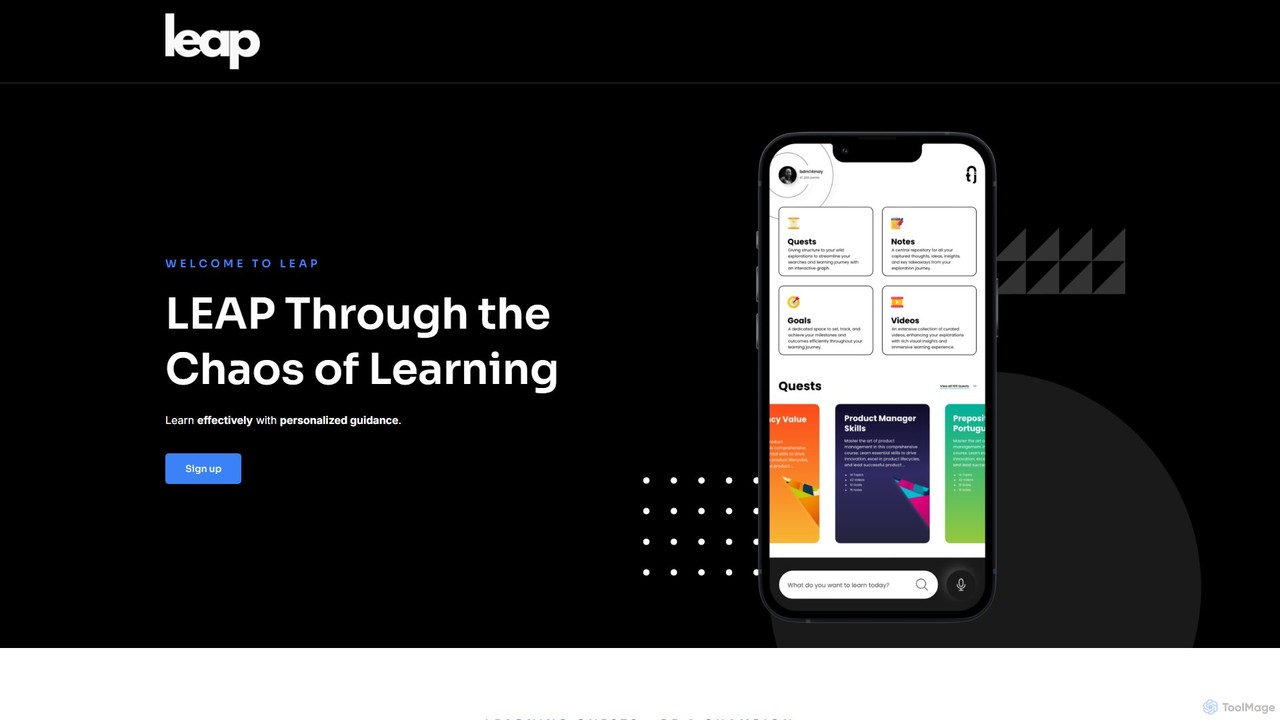
A developer-first platform offering a suite of generative AI APIs for image generation, model fine-tuning, and more. Easily …
A developer-first platform offering a suite of generative AI APIs for image generation, model fine-tuning, and more. Easily integrate powerful AI capabilities like text-to-image and custom model training into your applications with scalable and easy-to-use tools.
xTuring
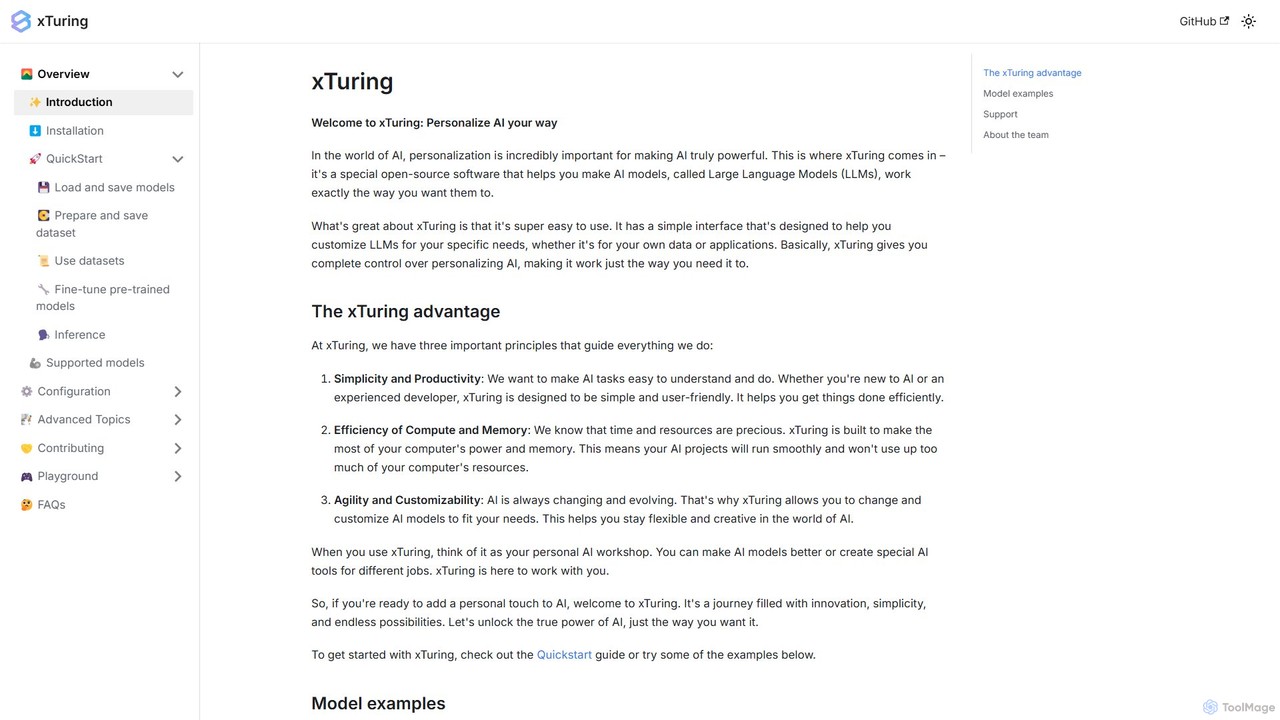
xTuring is an open-source Python library designed to simplify the process of building, fine-tuning, and controlling Large Language …
xTuring is an open-source Python library designed to simplify the process of building, fine-tuning, and controlling Large Language Models (LLMs). It provides a user-friendly interface for developers and researchers to personalize AI models for specific data and applications with high efficiency and customizability.
About Model Training
Model Training tools provide the platforms and frameworks for creating or refining artificial intelligence models using specific datasets. These tools manage the entire machine learning lifecycle, from data preparation and algorithm selection to iterative training and performance evaluation. They are essential for developing custom AI solutions tailored to unique business challenges, such as specialized fraud detection or personalized medical diagnostics. Unlike using pre-built APIs, model training offers granular control and higher accuracy for domain-specific tasks.
Core Features
- Data Management & Preprocessing: Tools for uploading, cleaning, labeling, and versioning datasets to ensure quality input.
- Algorithm & Framework Support: Access to popular frameworks like TensorFlow and PyTorch and various model architectures.
- Hyperparameter Optimization: Automated features to find the best model settings (e.g., learning rate) for optimal performance.
- Distributed Training: Capability to scale training across multiple GPUs or machines to accelerate the process for large models.
- Experiment Tracking: Systems for logging, comparing, and reproducing training runs, including metrics and parameters.
Use Cases
These tools are widely used by data scientists, machine learning engineers, and researchers in industries like finance, healthcare, and manufacturing. They are crucial for building proprietary models for predictive analytics, custom natural language processing (NLP) for internal documents, or computer vision systems for specific industrial applications.
How to Choose
When selecting a model training tool, consider its support for required programming languages and frameworks. Evaluate its scalability and hardware options (GPU availability). Assess the platform's ease of use—whether it's a code-first environment or a low-code GUI. Also, check for integrated MLOps features like experiment tracking and model deployment capabilities.
Model TrainingUse Cases
Custom Image Recognition for Manufacturing Quality Control
A quality assurance engineer in a manufacturing plant needs to automate the detection of microscopic defects in electronic components. Using a model training platform, they upload a labeled dataset of thousands of component images, marking which are flawless and which have defects. They then select a convolutional neural network (CNN) architecture and initiate the training process on a GPU-powered instance. The platform allows them to monitor the model's accuracy in real-time and fine-tune parameters, resulting in a custom model that achieves over 99.5% accuracy, significantly reducing manual inspection time and human error.
Fine-tuning a Language Model for Specialized Customer Support
A tech company wants to deploy a chatbot that understands its specific product terminology and common customer issues. Instead of building a model from scratch, a machine learning engineer uses a model training platform to fine-tune a large pre-trained language model like GPT or LLaMA. They prepare a dataset of company-specific FAQs, support tickets, and product documentation. The platform simplifies the fine-tuning process, allowing the engineer to train the base model on this new data. The resulting chatbot can accurately answer complex, domain-specific questions, improving customer satisfaction and reducing the workload on human agents.
Developing a Predictive Maintenance Model for Industrial Machinery
An operations manager at a heavy machinery company aims to predict equipment failures before they happen. A data scientist uses a model training platform to build a predictive maintenance model. They collect and upload historical sensor data (temperature, vibration, pressure) from various machines, along with maintenance logs indicating past failures. Using the platform's tools, they train a time-series forecasting model (like LSTM) to identify patterns that precede a breakdown. The trained model is then deployed to monitor live sensor data, generating alerts for maintenance teams when a high probability of failure is detected, thus preventing costly downtime.
Creating a Personalized Recommendation Engine for E-commerce
An e-commerce platform wants to increase user engagement and sales by providing personalized product recommendations. A data science team uses a model training service to build a recommendation engine. They feed the system with historical user data, including clickstreams, purchase history, and product ratings. The platform helps them train a collaborative filtering model, which learns user preferences and item similarities. After training and evaluation, the model is integrated into the website, dynamically suggesting products to users that they are highly likely to purchase, leading to improved conversion rates and average order value.
Training a Medical Diagnosis Model on Imaging Data
A medical research institution is developing an AI tool to assist radiologists in identifying early-stage cancer from MRI scans. Researchers use a secure, compliant model training platform to handle sensitive patient data. They upload a large, anonymized dataset of MRI images, each labeled by expert radiologists. They train a deep learning vision model, leveraging the platform's powerful GPU resources to process the high-resolution images. The platform's experiment tracking features allow them to meticulously compare different model architectures and training parameters to achieve the highest possible diagnostic accuracy, creating a valuable tool for clinical support.
Building a Financial Fraud Detection System
A financial institution needs a more effective way to detect fraudulent transactions in real-time. Their data science team uses a model training platform to build a custom fraud detection model. They compile a massive, labeled dataset of historical transactions, including legitimate and known fraudulent ones. The platform enables them to experiment with various algorithms, such as gradient boosting machines or neural networks, to find the best performer. They train the model to recognize subtle patterns and anomalies that indicate fraud. Once deployed, the model scores incoming transactions in milliseconds, flagging suspicious activity for immediate review and preventing financial losses.