ToolMage
Sign in

Best 31 No Code Platform for Developer Tools

Popular No Code Platform in Developer Tools include Teachable Machine, Kore.ai, Allganize, GPT-trainer, Wand, Stack AI, Twitter Personality, Epsilla, Assisterr, and Robovision, helping you work more efficiently.

ModAstera
Freemium

ModAstera

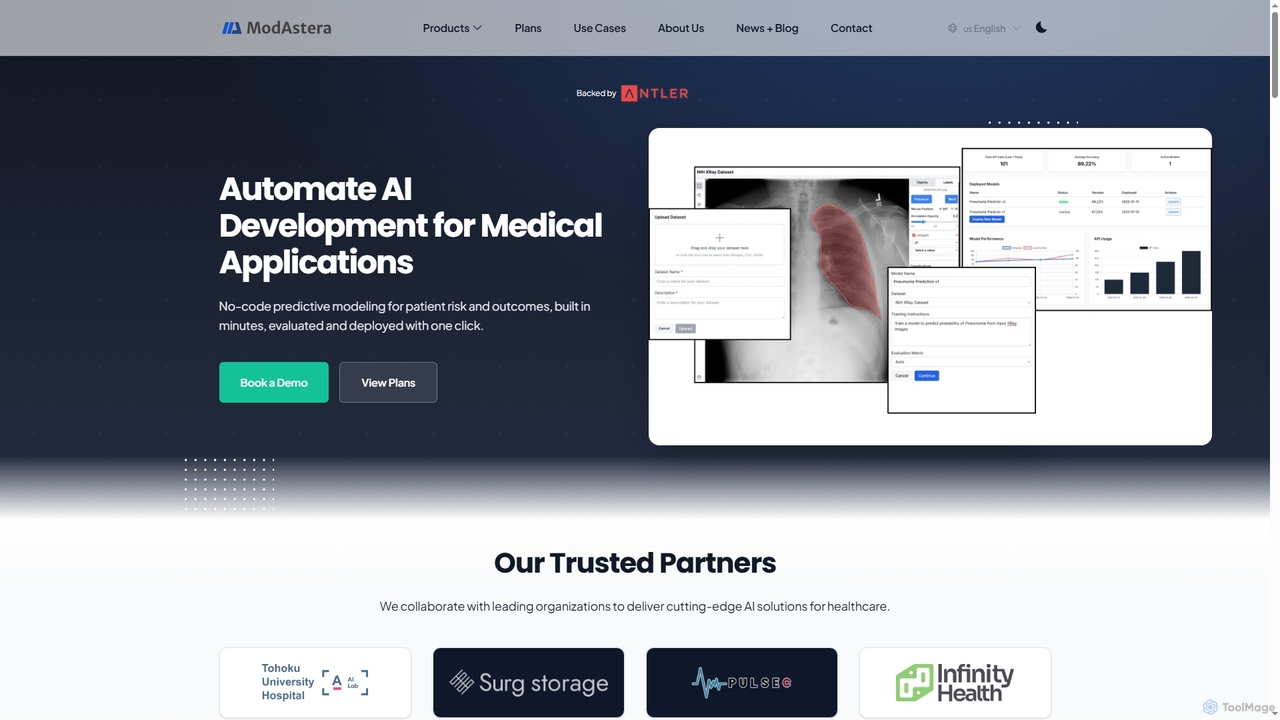
ModAstera is a no-code AI development platform designed for medical applications. It automates predictive modeling for patient risk and outcomes, featuring AI-assisted data annotation and one-click deployment to significantly reduce development time and costs for health tech innovators.

Machine Learning
Visits 6.7KFavorites 115Likes 106
Assisterr AI

Assisterr AI

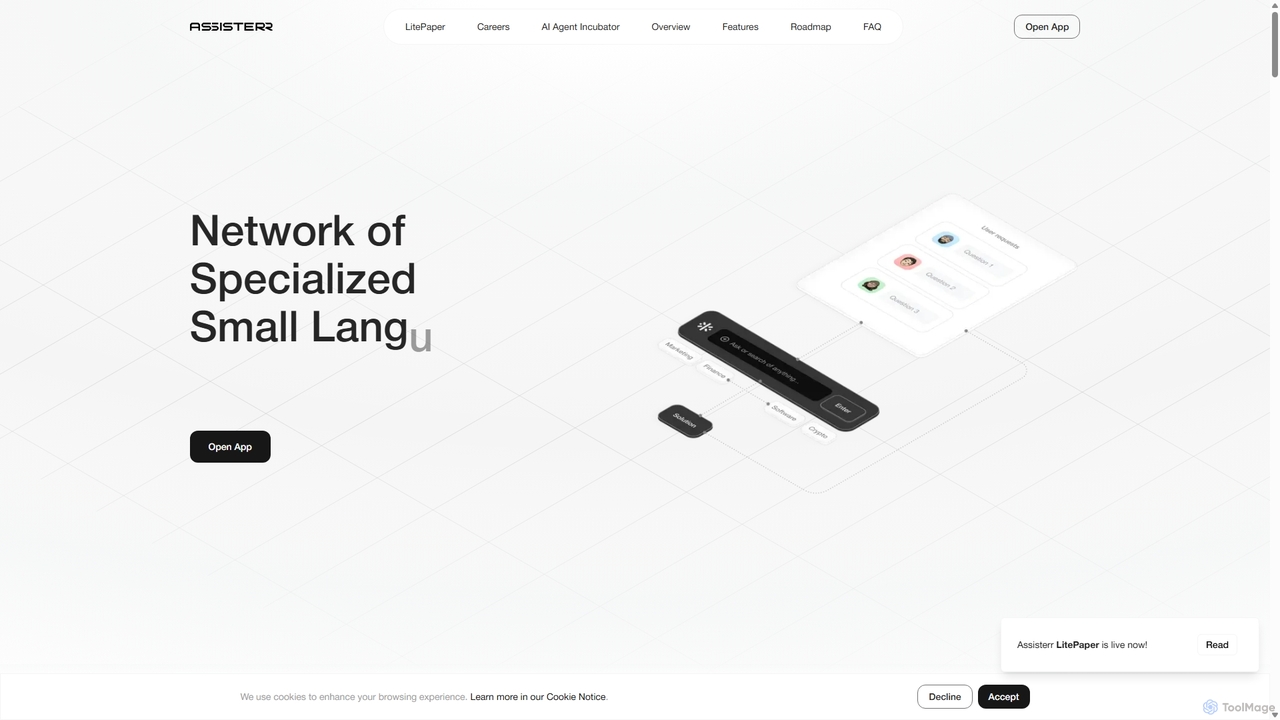
Assisterr AI is a decentralized platform that empowers users to create, own, and monetize specialized Small Language Models (SLMs) and AI agents without coding. It leverages blockchain technology for transparency and provides a complete ecosystem including a no-code builder, a marketplace for models, a data market, and an incubator for AI innovators.

Model Training
Visits 6.4KFavorites 141Likes 164
The Attic AI

The Attic AI

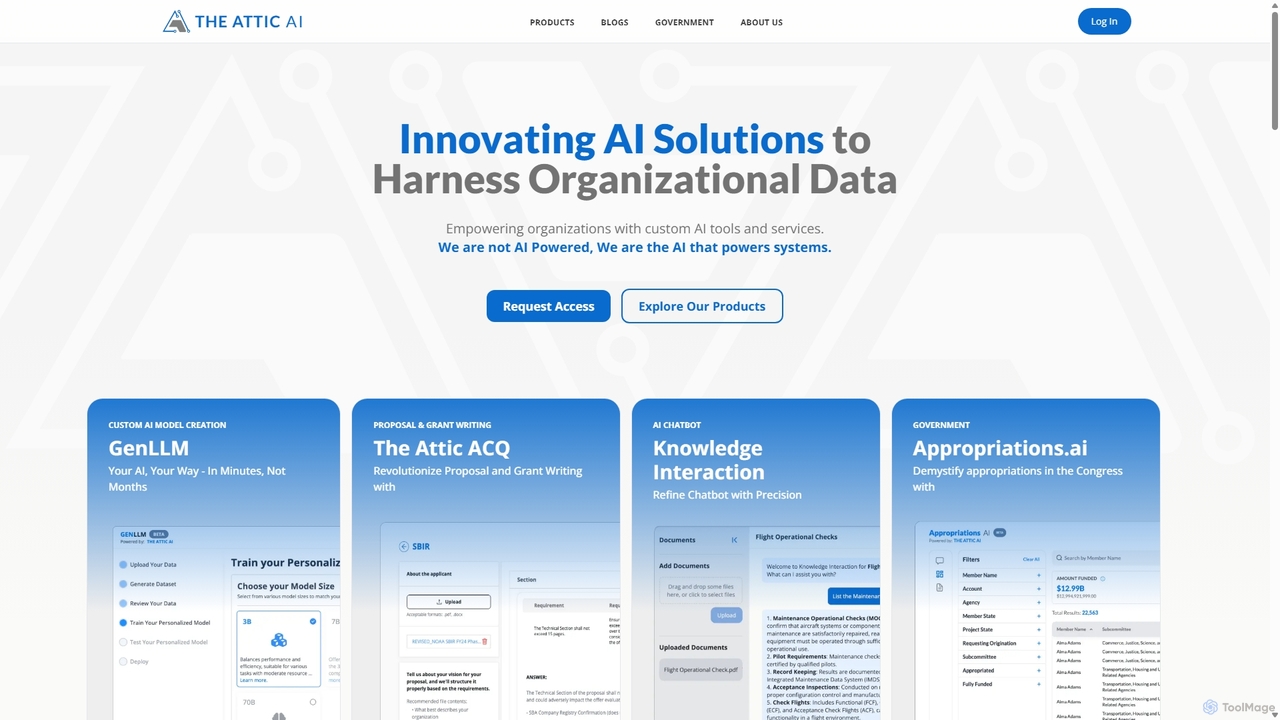
The Attic AI is a platform that empowers organizations to build, train, and deploy custom, secure AI models from their own data. It offers no-code tools like GenLLM for bespoke model creation and specialized solutions like The Attic ACQ for automated proposal and grant writing, ensuring data privacy and full ownership of the AI.

Custom Ai Solutions
Visits 6.5KFavorites 150Likes 139
Quixl

Quixl

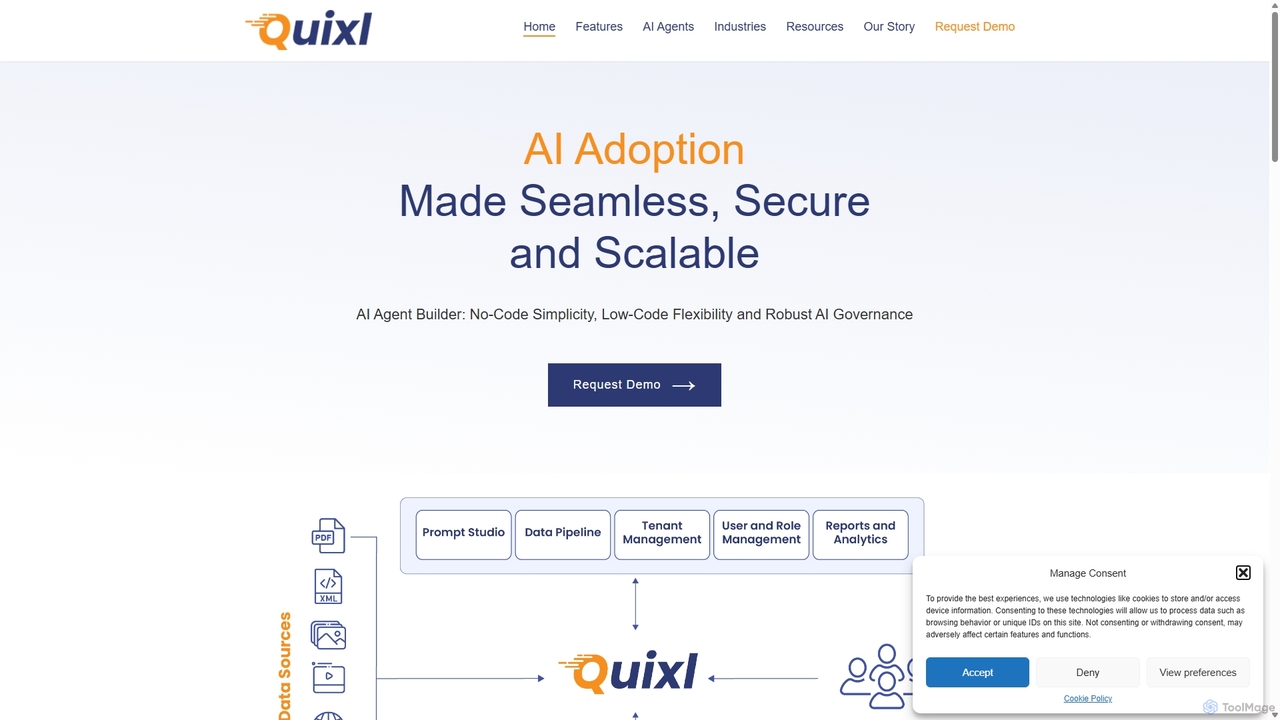
Quixl is an enterprise-grade, no-code platform for developing and deploying custom AI agents. It accelerates AI adoption by enabling businesses to build secure, scalable agents with support for multiple LLMs (OpenAI, Google AI, Anthropic), flexible on-premises or cloud deployment, and advanced features like RAG and prompt chaining.

Enterprise Software
Visits 8.2KFavorites 145Likes 121
MindStudio
Freemium

MindStudio

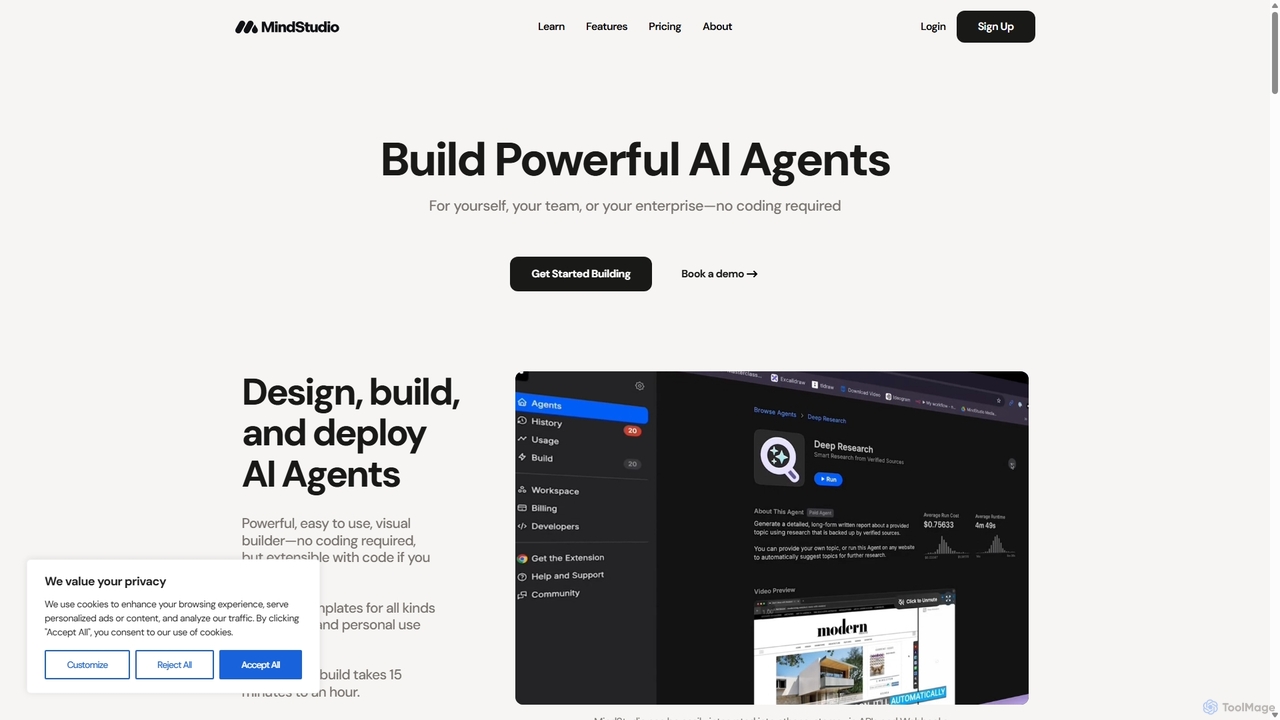
MindStudio is a no-code platform for designing, building, and deploying powerful AI agents. It offers a visual builder, over 100 templates, and seamless integration with 90+ LLMs and various data sources. Users can create AI-powered web apps, autonomous workflows, browser extensions, and more for personal, team, or enterprise use. It's designed for rapid development, robust automation, and scalable AI solutions without needing to write a single line of code, but is extensible with code if needed.

Ai Agent Builder
Visits 6.6KFavorites 155Likes 156
Twitter Personality
Free

Twitter Personality

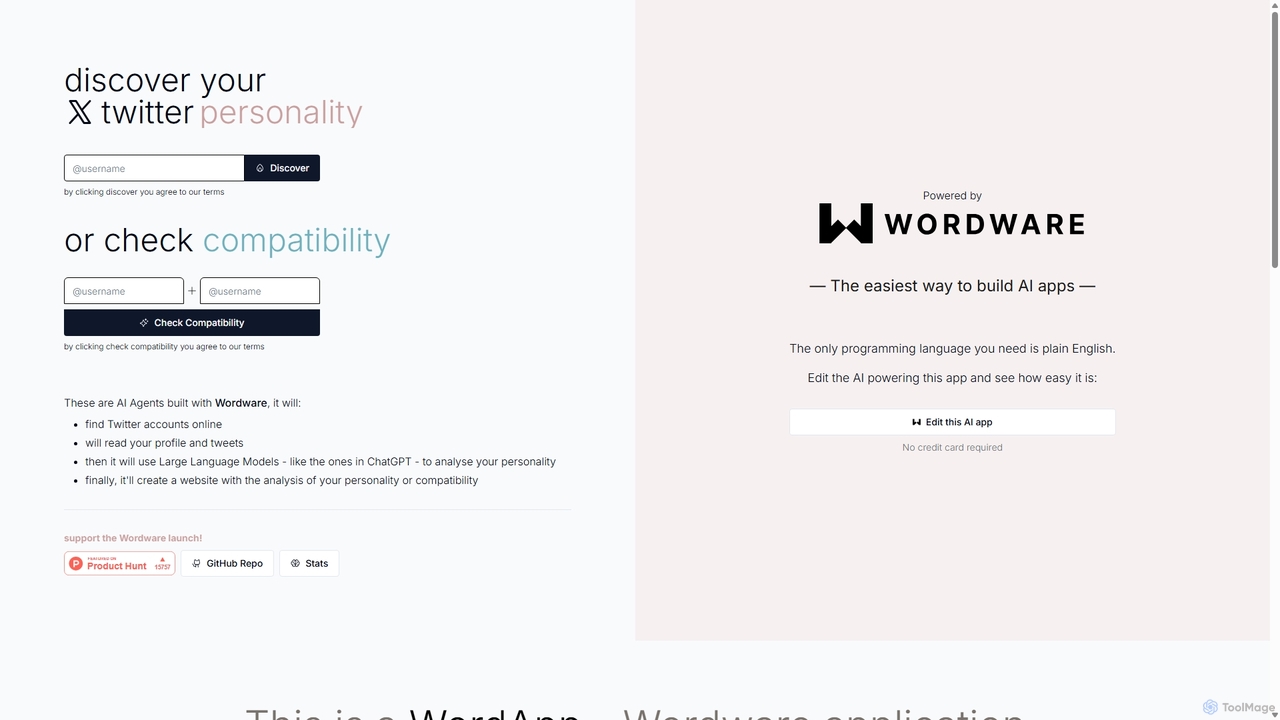
Twitter Personality is a free AI agent that analyzes your Twitter profile and tweets to generate a detailed personality report. Discover your online persona, check compatibility with other users, and see a live example of an AI application built on the Wordware no-code platform.

No Code Platform
Visits 22.6KFavorites 156Likes 147
Questflow
Freemium

Questflow

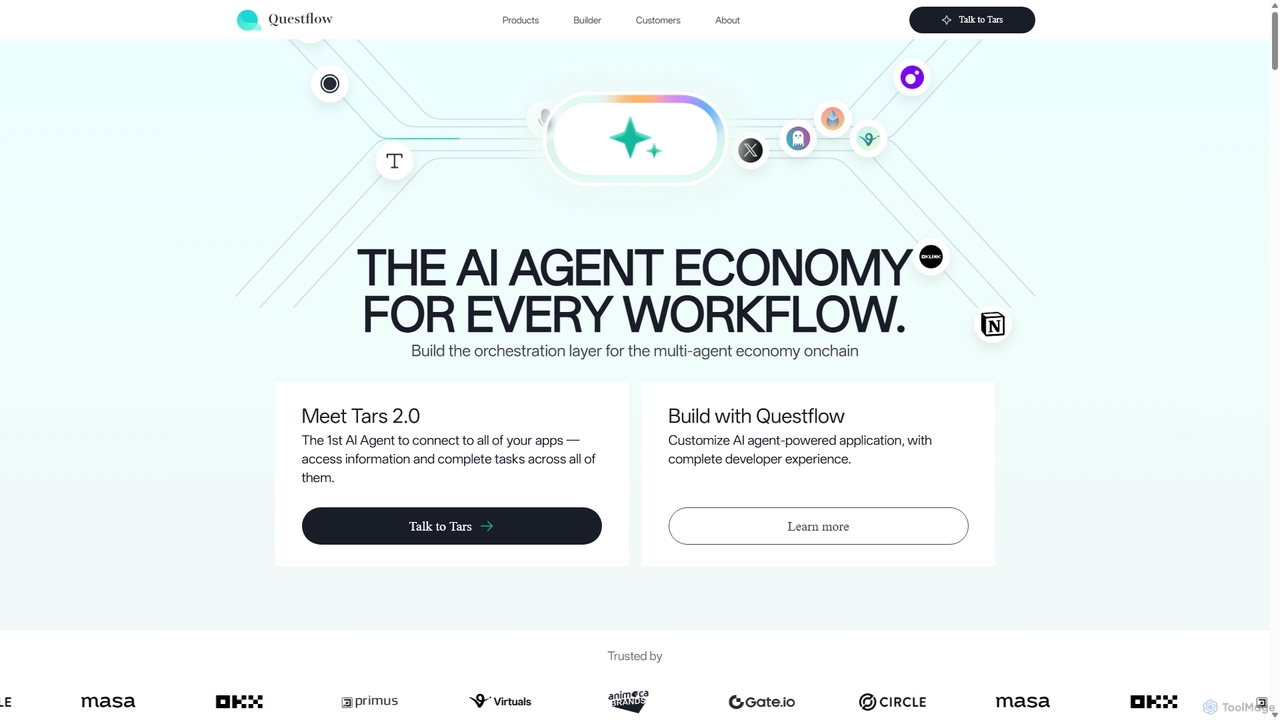
Questflow is a no-code platform for building, deploying, and monetizing autonomous AI agent swarms on-chain. It enables users to automate complex workflows across marketing, finance, and crypto by orchestrating multiple AI agents to work collaboratively. It features a pay-as-you-go model with a built-in crypto wallet.

No Code Platform
Visits 12.2KFavorites 92Likes 89
NewRA
Freemium

NewRA

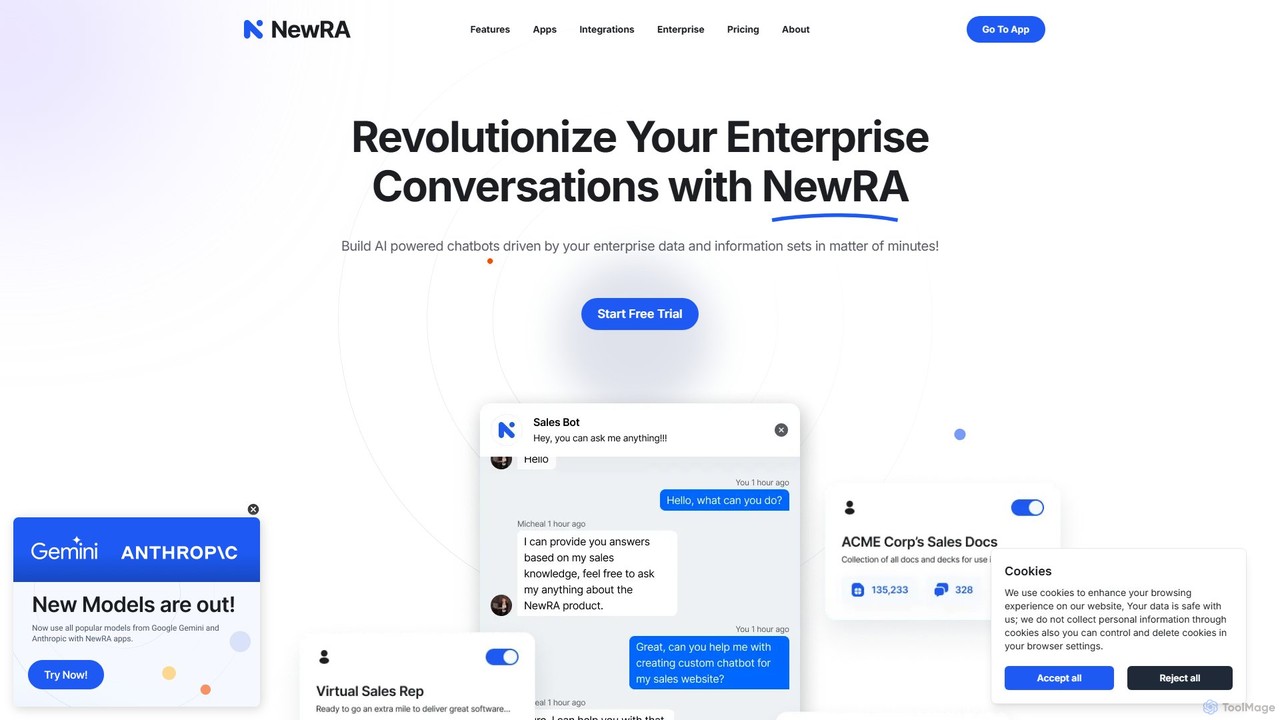
NewRA is a no-code, cloud-based RAG platform that enables businesses to build custom AI chatbots powered by their own enterprise data. In minutes, you can connect documents, websites, and cloud storage to create intelligent assistants for customer service, sales, and internal knowledge management, ensuring accurate, context-aware responses.

Help Desk
Visits 6.4KFavorites 140Likes 135
Epsilla
Freemium

Epsilla

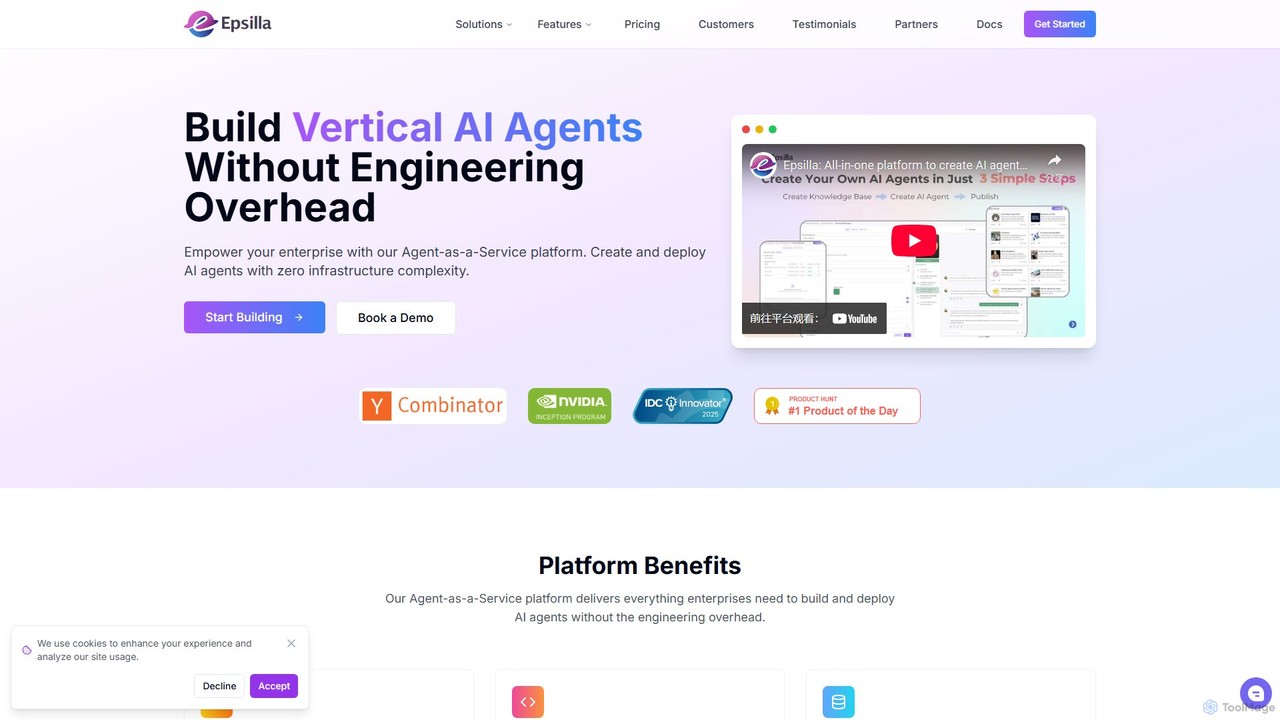
Epsilla is a no-code, Agent-as-a-Service platform that empowers enterprises to build and deploy vertical-specific AI agents and chatbots. It simplifies the creation of sophisticated conversational AI by integrating Retrieval-Augmented Generation (RAG) with your own knowledge base, all without requiring engineering overhead.

Chatbots
Visits 21.2KFavorites 160Likes 147
Robovision
Paid

Robovision

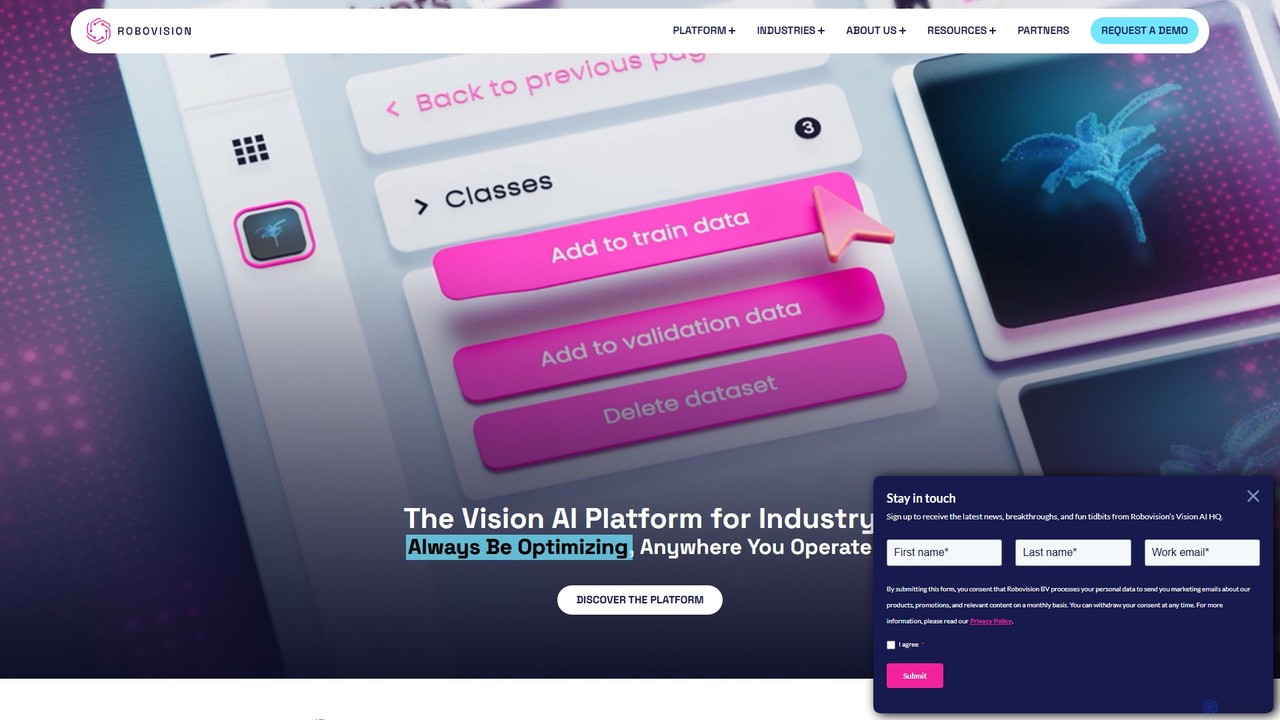
Robovision is an end-to-end, no-code Computer Vision AI platform designed for industrial applications. It empowers businesses in agriculture, manufacturing, and healthcare to build, deploy, and continuously optimize AI models, turning complex automation challenges into operational advantages without requiring deep coding expertise.

No Code Platform
Visits 18.1KFavorites 144Likes 149
Voxal
Freemium

Voxal

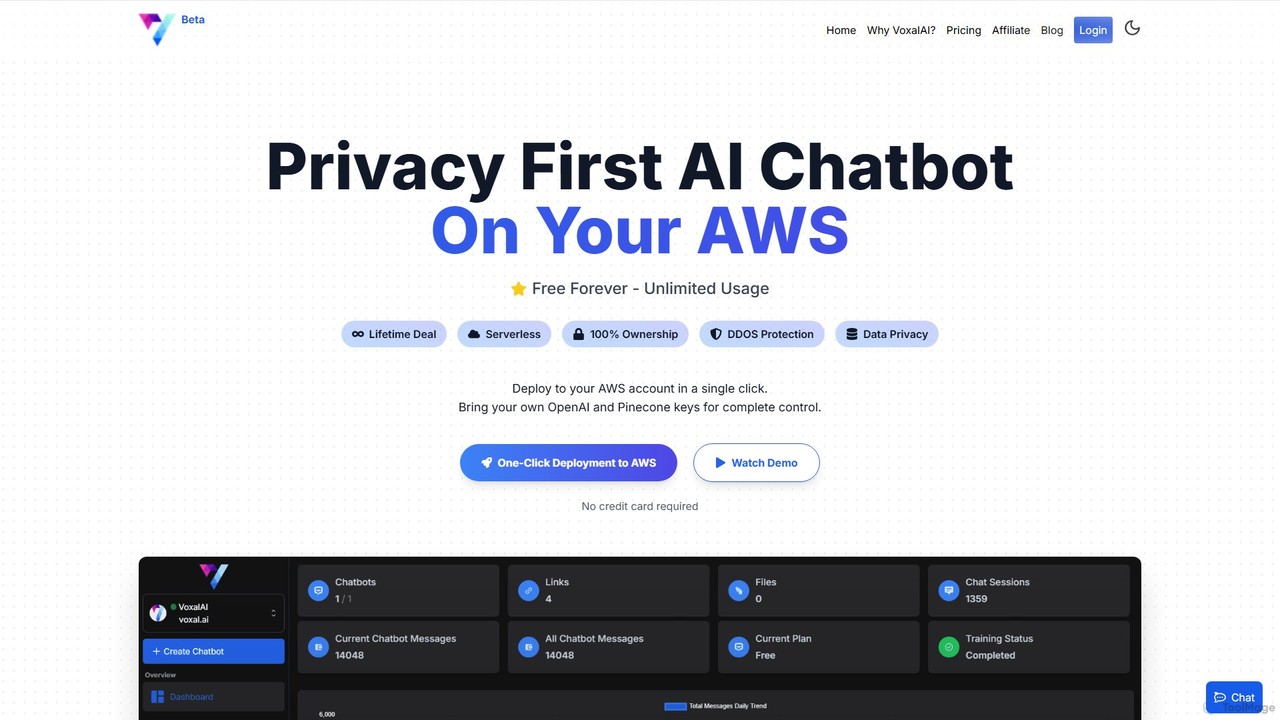
Voxal is a serverless AI chatbot builder that deploys directly to your AWS account. It offers a one-time payment model for lifetime ownership, ensuring 100% data privacy and control. Integrate your own OpenAI and Pinecone keys for unlimited usage, advanced features like GPT-4, and white-label solutions.

Chatbot
Visits 6.3KFavorites 135Likes 152
watto
Paid

watto

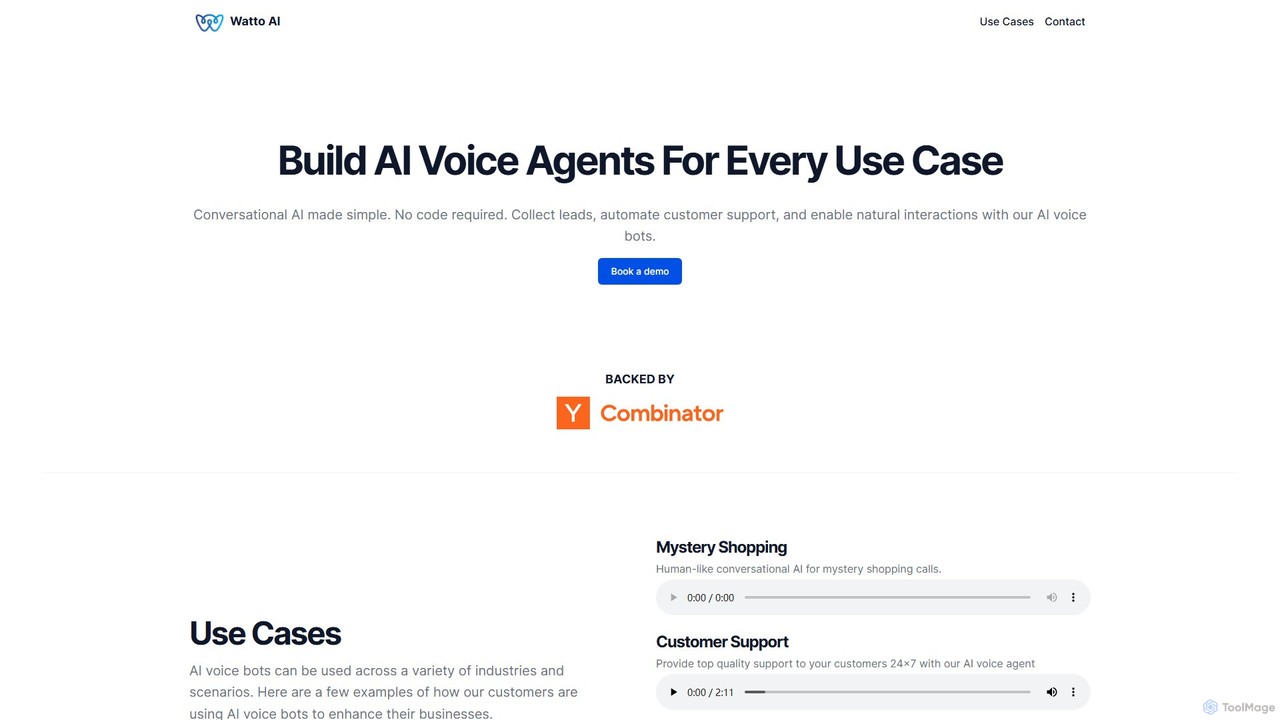
watto is a no-code platform for building and deploying advanced AI voice agents. It simplifies conversational AI, enabling businesses to automate customer support, generate leads, and create natural voice interactions for various use cases without any coding expertise.

Voice Agent
Visits 7.1KFavorites 161Likes 144
CleeAI
Paid

CleeAI

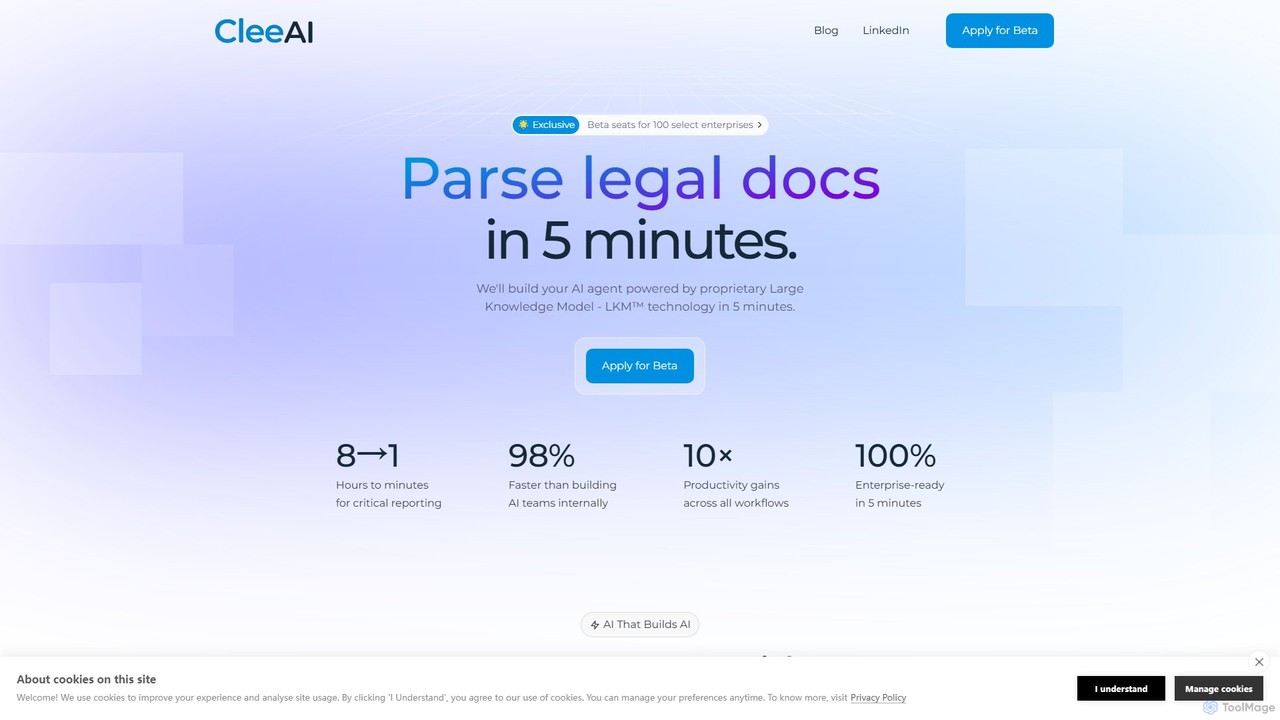
CleeAI is an enterprise AI platform that enables organizations to build and deploy custom, compliant AI agents in just 5 minutes. Powered by proprietary Large Knowledge Model (LKM™) technology, it transforms complex workflows in sales, reporting, and compliance into automated, efficient, and scalable solutions, eliminating the need for extensive internal development.

Sales Intelligence
Visits 7.2KFavorites 117Likes 128
basebox
Freemium

basebox

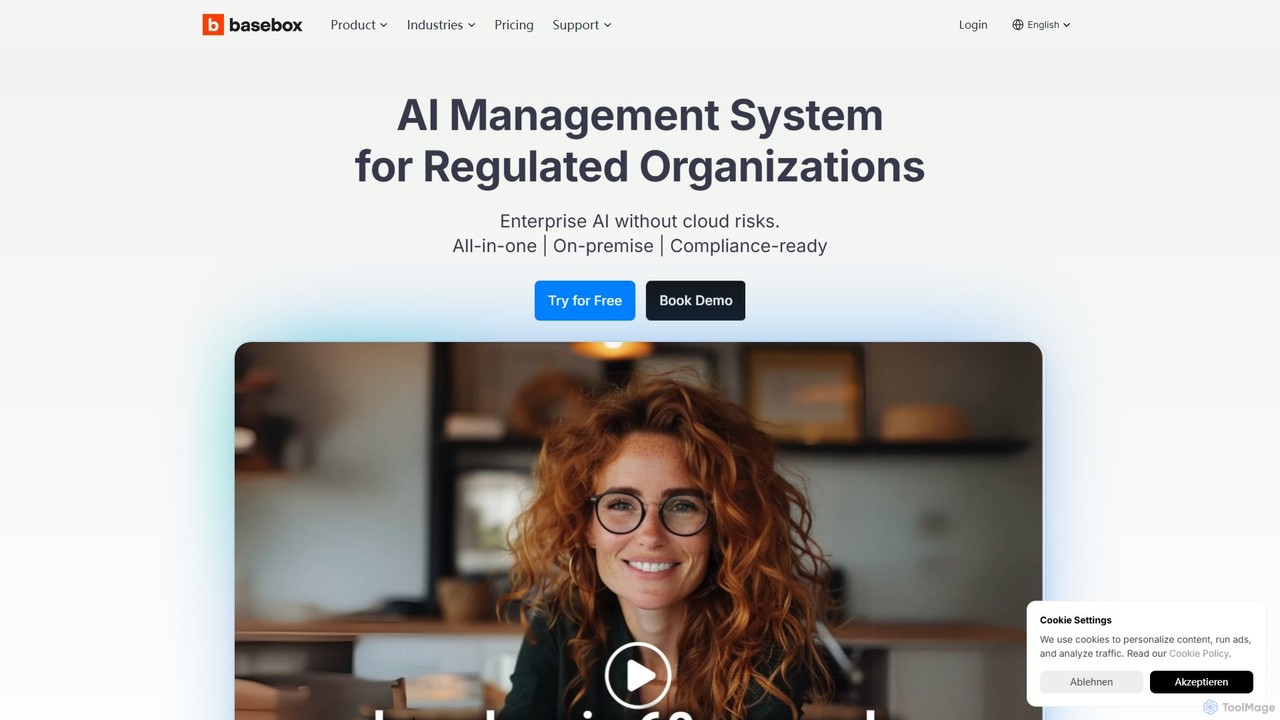
basebox is an all-in-one AI Management System for regulated organizations. It enables enterprises in sectors like healthcare, finance, and public administration to deploy AI securely on-premise or in a private cloud, ensuring full data control and compliance. The platform offers a suite of tools, including an AI assistant, knowledge management, a no-code app builder, and a central control center, eliminating cloud risks and vendor lock-in while boosting productivity.

No Code Platform
Visits 8.4KFavorites 148Likes 146
WorkGPT
Freemium

WorkGPT

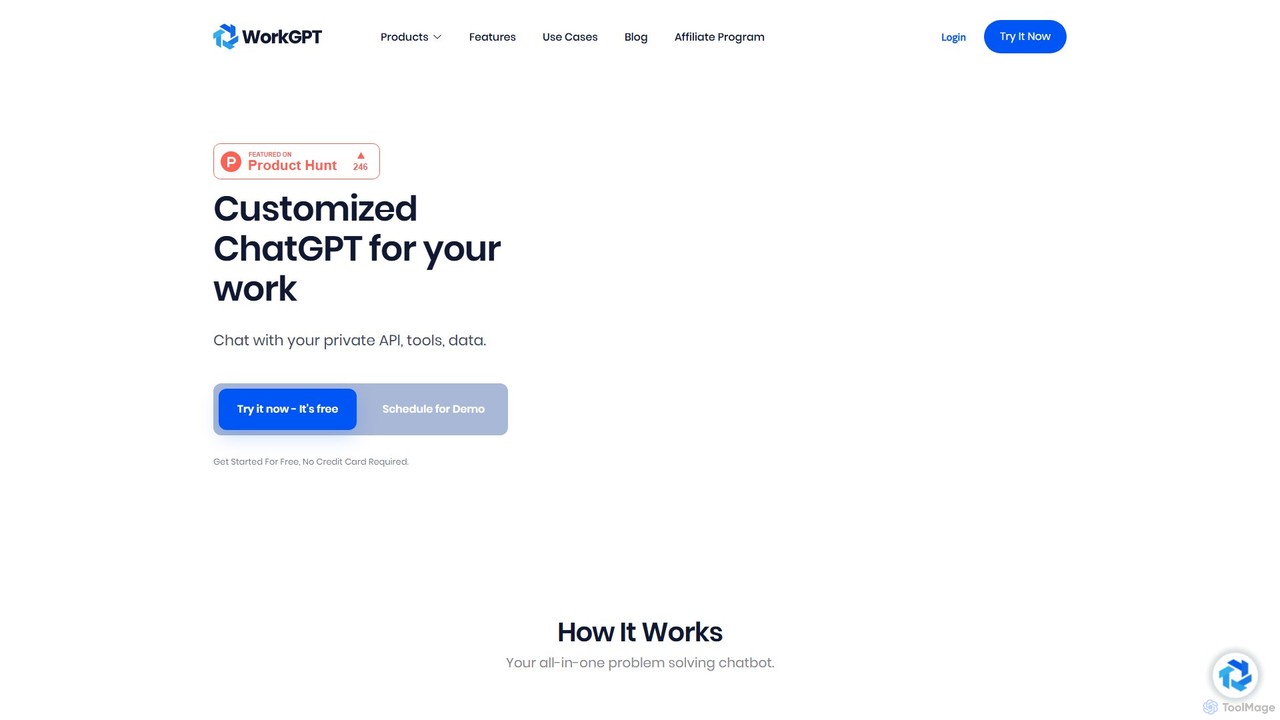
WorkGPT is a powerful AI platform that allows you to build custom ChatGPT-like agents and chatbots tailored for your work. It functions as an all-in-one problem-solving tool, enabling you to automate tasks, analyze data, and enhance productivity by creating AI assistants trained on your specific knowledge base.

Automation
Visits 8.1KFavorites 125Likes 126
Kore.ai
Paid

Kore.ai

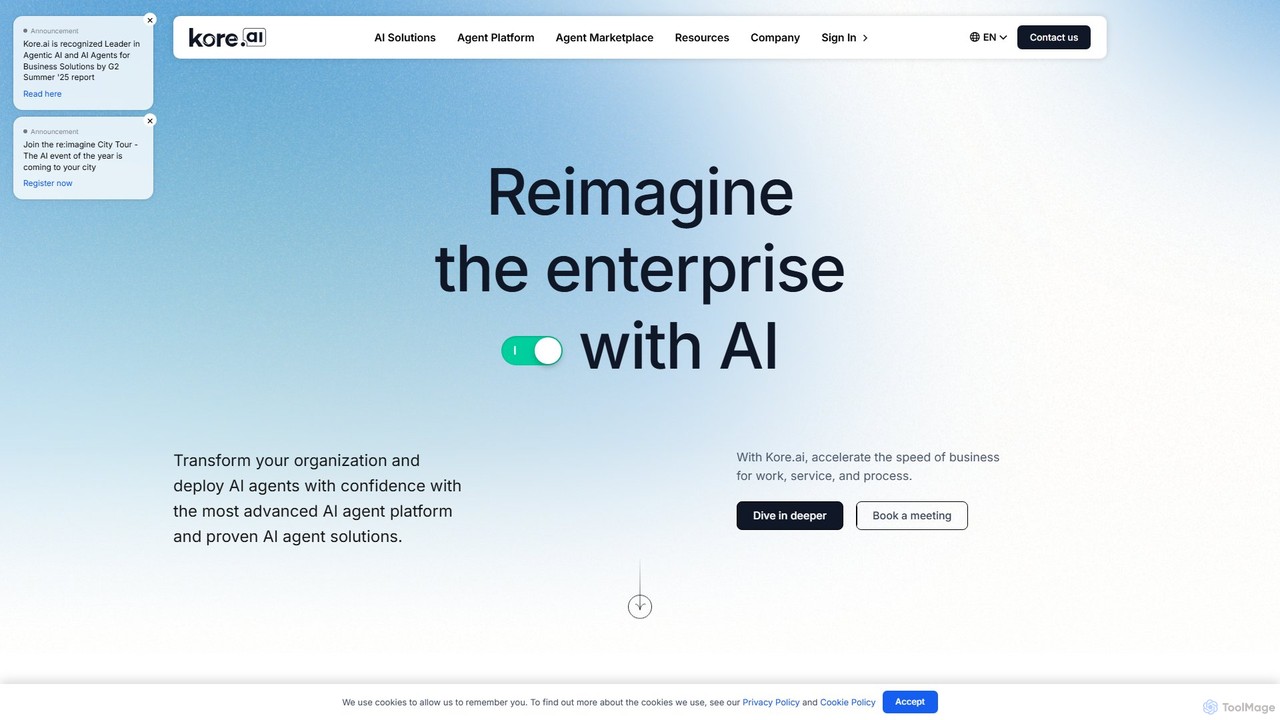
Kore.ai is an advanced enterprise-grade AI platform for building, deploying, and managing AI agents. It empowers businesses to automate workflows, enhance customer service, and streamline processes. With a focus on speed, control, and flexibility, Kore.ai provides no-code/pro-code tools, a marketplace of pre-built agents, and robust governance to transform enterprise operations with confidence.

Enterprise Solutions
Visits 185.2KFavorites 132Likes 153
Assisterr
Freemium

Assisterr

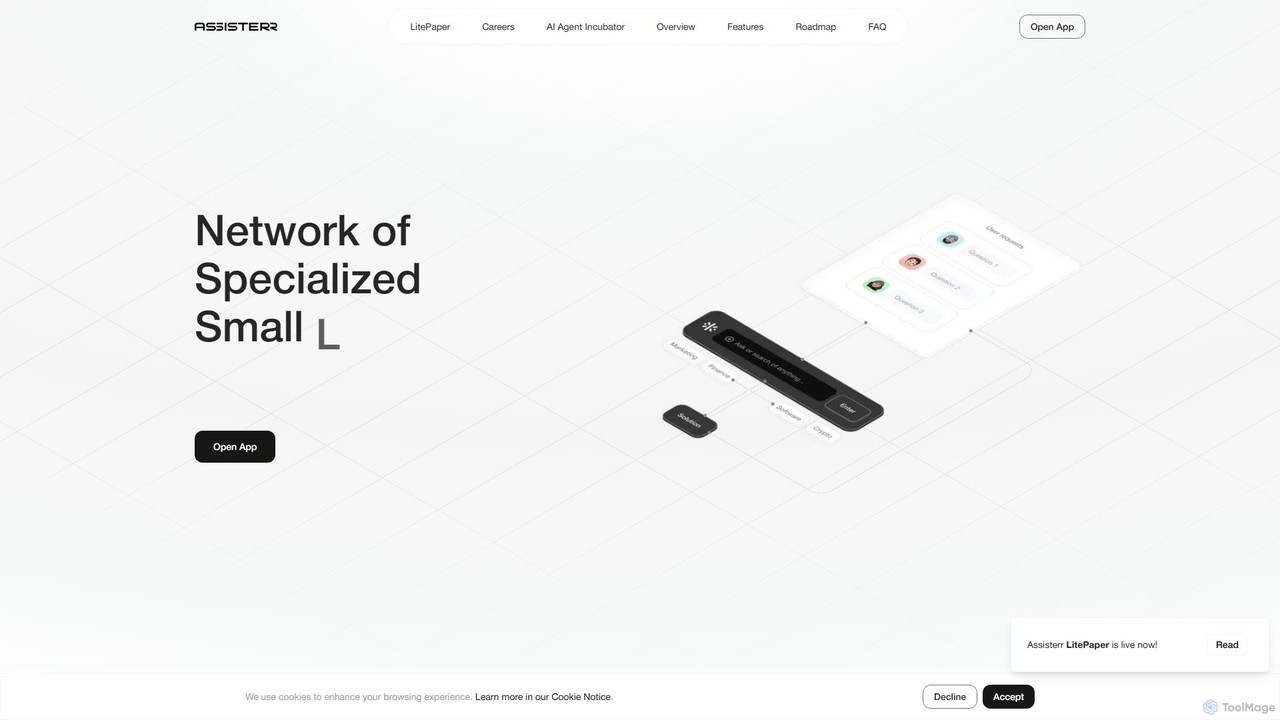
Assisterr is a decentralized platform for creating, owning, and monetizing specialized Small Language Models (SLMs) using no-code tools. It leverages blockchain technology to build a community-driven ecosystem where users can collaborate, launch AI agents on a marketplace, and earn rewards, making advanced AI accessible to both individuals and businesses without technical expertise.

Model Training
Visits 19.2KFavorites 103Likes 106
Cookup.AI
Freemium

Cookup.AI

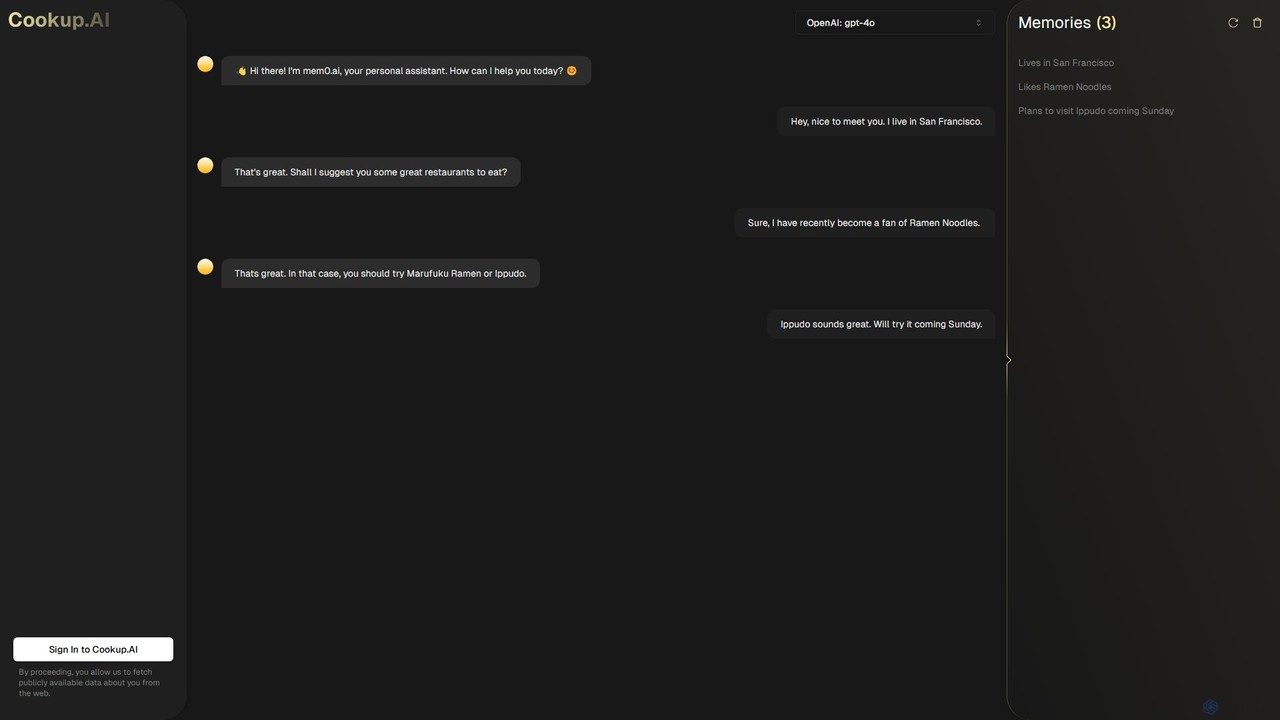
Cookup.AI is a platform for creating and using hyper-personalized AI assistants with long-term memory. Powered by advanced models like GPT-4o, it allows users to build custom AI agents that remember conversations, learn user preferences, and provide truly contextual and helpful interactions for productivity, business, and personal use.

Chatbot Builder
Visits 7.9KFavorites 145Likes 151
finiite
Freemium

finiite

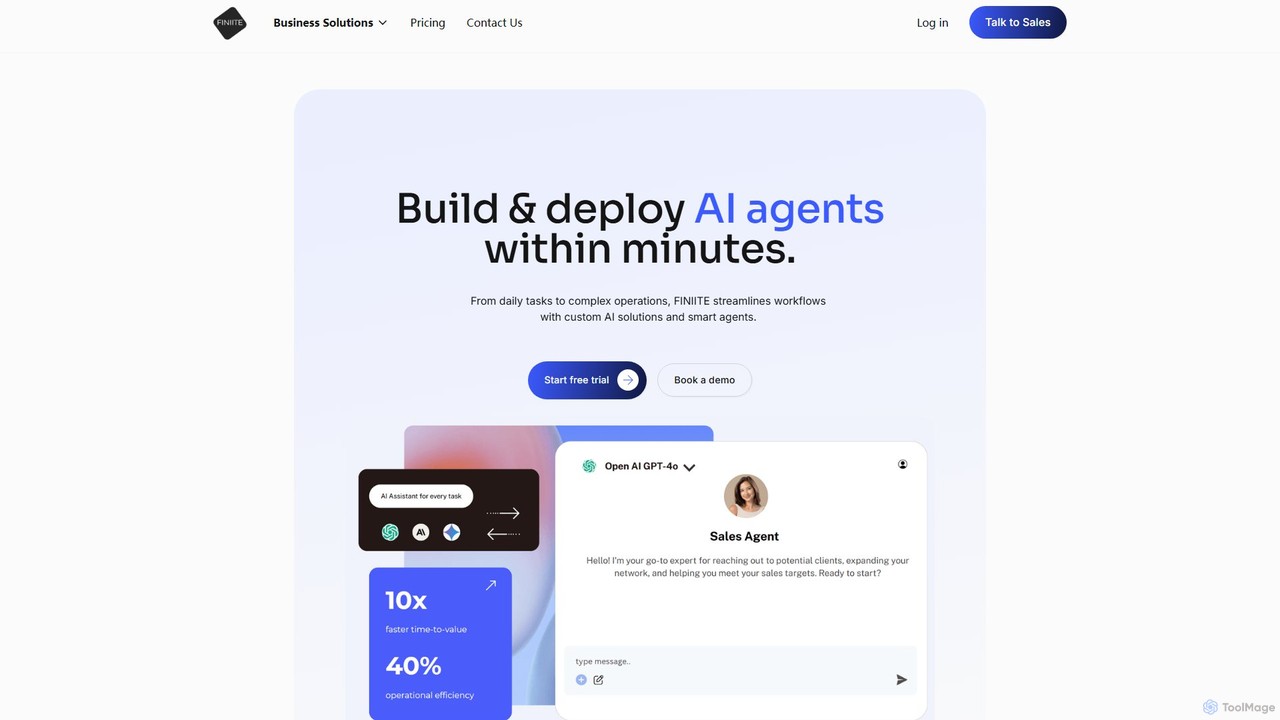
finiite is an agentic AI platform that enables users to build and deploy custom AI agents in minutes. It connects to various LLMs like OpenAI, Anthropic, and Gemini, allowing you to train agents on your own data (documents, websites) to automate tasks, enhance customer support with intelligent chatbots, collect leads, and streamline complex business workflows without vendor lock-in.

Chatbot
Visits 7.1KFavorites 120Likes 130
joinglyph
Freemium

joinglyph

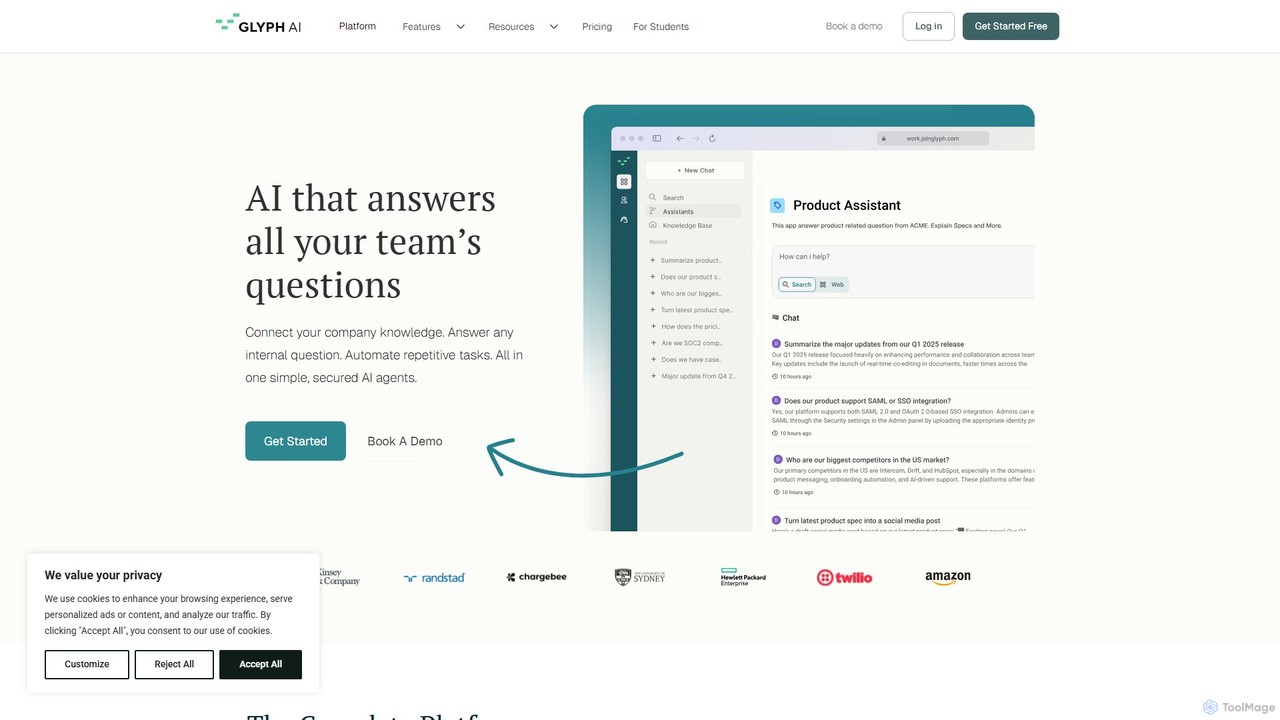
Glyph is an AI platform that enables businesses to build custom AI agents, assistants, and intelligent internal search engines using their own knowledge base. It specializes in transcribing and analyzing audio/video data to power these applications, enhancing productivity and knowledge management across teams.

Transcription
Visits 9.2KFavorites 150Likes 155
GPT-trainer
Freemium

GPT-trainer

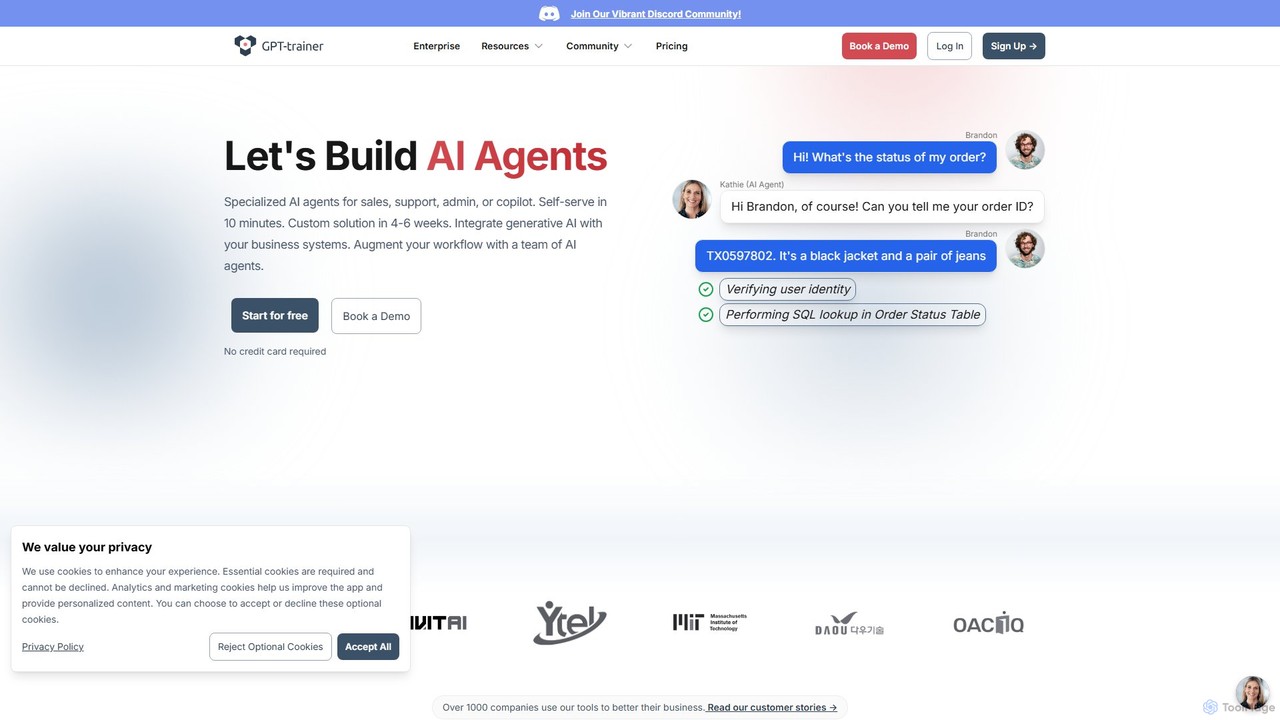
A no-code platform for building specialized AI agents for sales, support, and internal operations. Train ChatGPT-like bots on your own data, integrate with business systems, and deploy across multiple channels to automate workflows and enhance productivity.

Chatbots
Visits 28.1KFavorites 142Likes 148
Anysolve
Freemium

Anysolve

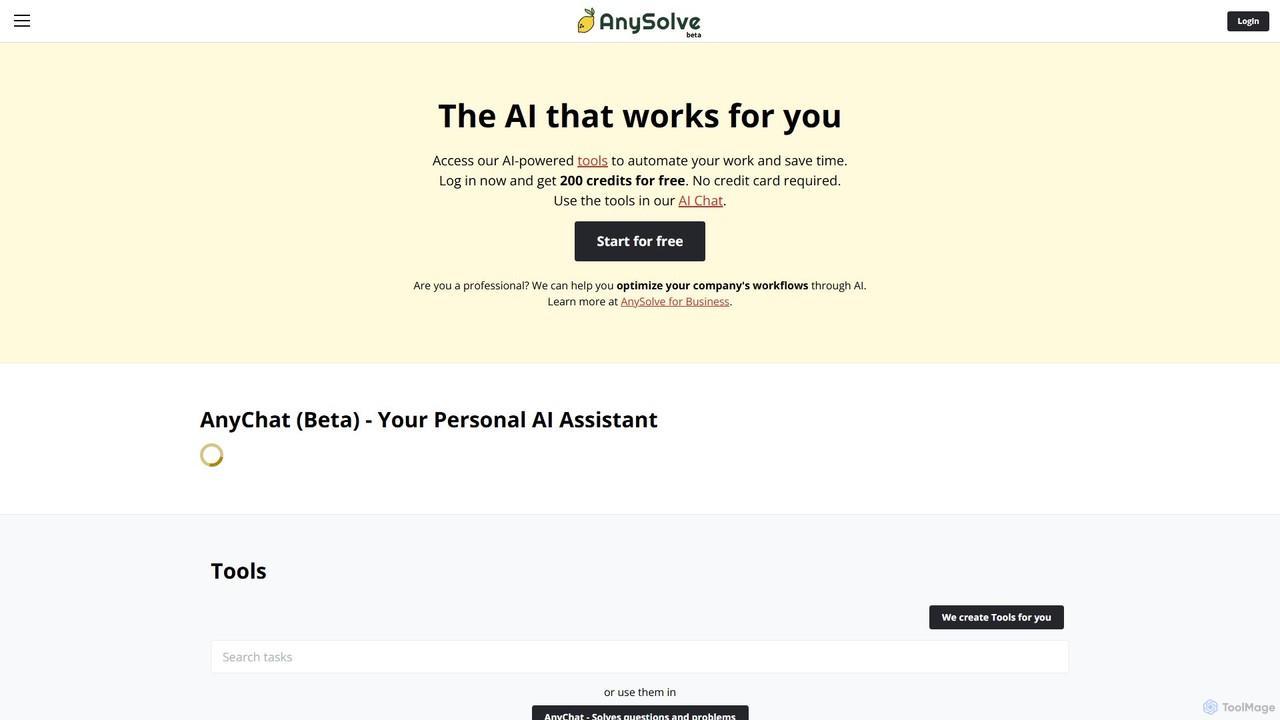
Anysolve is a versatile AI platform that allows users to discover, use, and create custom AI tools without any coding. It functions as a comprehensive hub for automating various professional and personal tasks, from writing and data analysis to image generation, by integrating powerful models like GPT and Stability AI.

Workflow Management
Visits 8.4KFavorites 126Likes 129
Wand
Paid

Wand

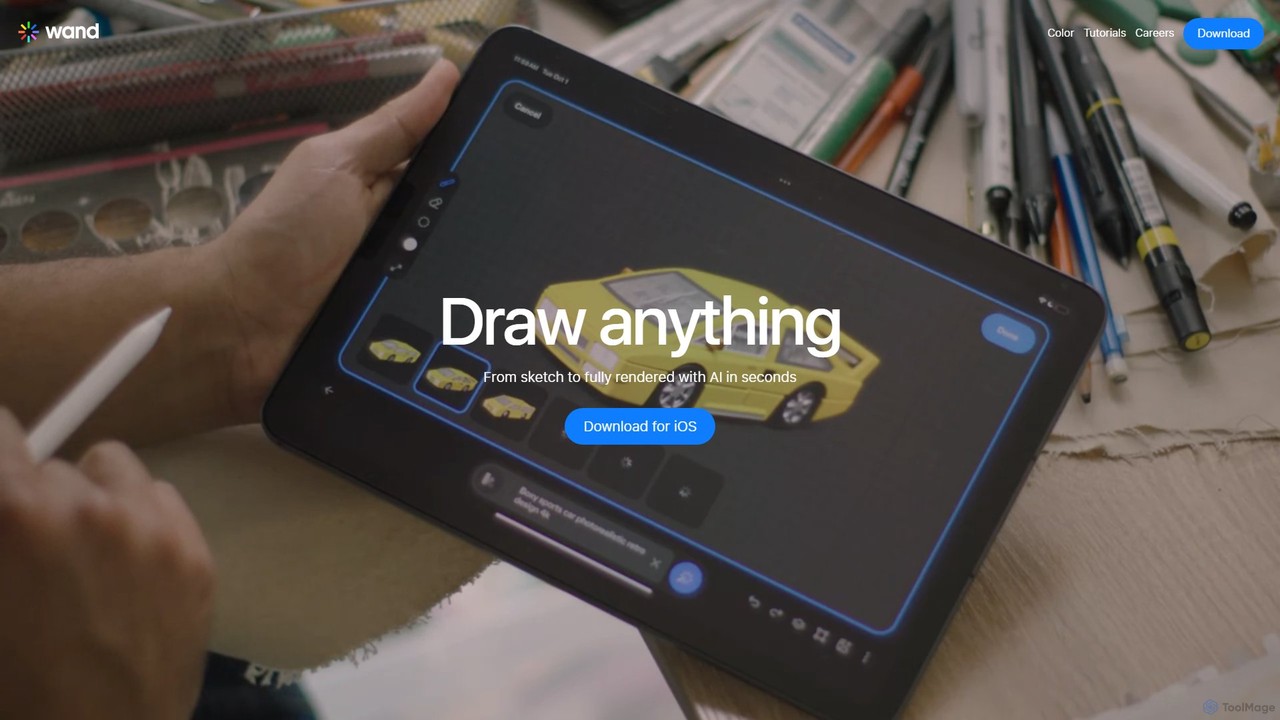
Wand is an enterprise-grade operating system for creating and managing a hybrid workforce of humans and AI agents. It provides a unified platform to manage, execute, and create autonomous agents, enabling seamless collaboration, process automation, and scalable operations across the entire organization.

Agent Management
Visits 27.6KFavorites 167Likes 183
Allganize
Paid

Allganize

Allganize is an enterprise AI platform that enables businesses to build custom Large Language Model (LLM) applications. It specializes in secure, accurate knowledge retrieval from internal data using its advanced Agentic RAG technology. With a no-code app builder, 100+ data integrations, and flexible deployment options (cloud/on-premise), Allganize helps companies automate workflows, boost productivity, and unlock the value of their proprietary information without hallucinations.

Knowledge Management
Visits 31.5KFavorites 148Likes 151

About No Code Platform

No Code Platforms are visual development environments that enable users to create applications and automate workflows without writing any code. These platforms utilize pre-built modules, drag-and-drop interfaces, and logic builders to abstract away complex programming. They empower business users, marketers, and entrepreneurs to build functional software, from websites and mobile apps to internal tools, significantly reducing development time and cost. As a key category within Developer Tools, they democratize software creation, making it accessible to individuals without a technical background.

Core Features

  • Visual Drag-and-Drop Interface: Build user interfaces, data models, and application logic by arranging visual elements instead of writing code.
  • Pre-built Templates & Components: Accelerate development with a library of ready-to-use screens, modules, and entire application templates.
  • Workflow Automation Builder: Design and automate complex business processes and data pipelines using visual flowcharts and triggers.
  • Integrated Database: Manage application data within a built-in, visually configurable database without needing to write SQL queries.
  • API & Service Integration: Connect applications to third-party services like payment gateways, CRMs, and social media through pre-configured connectors.

Use Cases

No Code Platforms are ideal for startups building a Minimum Viable Product (MVP) to test market fit quickly. Marketing teams use them to create interactive landing pages and campaign-specific tools without developer dependency. Operations departments in larger companies leverage them to automate internal processes such as employee onboarding, expense approvals, and inventory management, improving efficiency and reducing manual errors.

How to Choose

When selecting a No Code Platform, first evaluate its primary use case—whether it excels at web apps, mobile apps, or backend automation. Assess its scalability and performance limits to ensure it can support your expected user growth. Examine the depth of its integration library to confirm it connects with your existing software stack. Finally, compare pricing models (e.g., per user, per app, per workflow) and the quality of community and professional support available.

Featured tool rankings

No Code Platform use cases

1

Building a Custom CRM Tool for a Small Business

A small business owner, lacking a technical team, needs a custom Customer Relationship Management (CRM) system. Using a no-code platform, they visually design data models for contacts, deals, and tasks with a drag-and-drop interface. They then build user-friendly forms for data entry and interactive dashboards for visualizing sales pipelines. The platform's workflow automation feature is used to trigger automated follow-up email reminders for sales agents. The result is a fully functional, tailored CRM built in days instead of months, saving thousands of dollars in custom development costs and empowering the team to manage customer relations more effectively.

2

Automating the Employee Onboarding Process

An HR manager aims to streamline new hire onboarding to improve efficiency and consistency. Using a no-code platform, they create a multi-step automated workflow. The process is triggered when a new employee is added to the HR system. The workflow automatically sends a welcome email, assigns tasks to the IT department for equipment setup, schedules orientation meetings in the company calendar, and enrolls the new hire in required training courses. This automation eliminates dozens of manual tasks, reduces the chance of human error, and ensures every new employee receives a standardized and welcoming onboarding experience from day one.

3

Developing a Minimum Viable Product (MVP) for a Startup

A non-technical founder wants to test a new business idea without a large upfront investment in development. They use a no-code platform to build a functional Minimum Viable Product (MVP). This includes creating user registration and login flows, building the core feature set of the application using visual logic, and integrating a third-party payment gateway like Stripe. By leveraging pre-built components and templates, they are able to launch the product to a small group of early adopters within weeks. This allows them to gather crucial real-world feedback and validate market demand before committing to hiring a full-stack development team.

4

Creating a Client Portal for a Service Business

A small marketing agency needs a secure, professional portal for clients to track project progress, share files, and communicate. Instead of commissioning a costly custom web application, they use a no-code platform. They build a password-protected web app where each client has a unique login. Inside, clients can view a dashboard with project timelines, access a shared file repository, and use a built-in messaging feature to communicate with the agency team. This self-service portal enhances professionalism, centralizes all project-related information, and improves client satisfaction without the high cost and long development cycle of traditional coding.

5

Building an Internal Inventory Management App

A retail store manager needs a simple mobile app for staff to track store inventory in real-time. Using a no-code platform specializing in mobile apps, they design an application without writing any code. The app features a barcode scanning function using the phone's camera, a simple form for updating stock quantities, and a real-time dashboard that displays current inventory levels. Staff can now update stock counts directly from the shop floor, eliminating the need for manual data entry into spreadsheets. This provides accurate, up-to-the-minute stock information, reduces errors, and helps prevent stockouts or overstock situations.

6

Launching a Marketing Campaign Microsite

A marketing team needs to quickly launch a temporary website for a new product campaign. Instead of waiting in the queue for the internal development team, they use a no-code platform. They select a visually appealing template, customize the branding and content, and build an interactive lead capture form. The form is integrated directly with their email marketing tool to automatically add new leads to a nurturing sequence. The entire microsite is designed, built, and launched in a single day, allowing the team to be highly agile and capitalize on market opportunities without technical delays.

No Code Platform FAQ

What is a No Code Platform?

A No Code Platform is a type of software that allows users to build and deploy applications without writing a single line of code. They provide a visual development environment with features like drag-and-drop interfaces, pre-built components, and visual workflow builders. The primary goal of these platforms is to empower non-technical users, often called 'citizen developers', to create their own solutions, such as websites, mobile apps, or business process automations, thereby accelerating innovation and reducing reliance on traditional IT departments.

What is the difference between No Code and Low Code platforms?

The main difference lies in the target audience and the requirement for coding skills.

  • No Code: Designed for business users, marketers, and entrepreneurs with no programming knowledge. It relies entirely on visual interfaces, and custom coding is generally not possible. The focus is on ease of use and speed for common use cases.
  • Low Code: Aimed at professional developers and IT professionals to accelerate development. It provides visual tools for most tasks but allows developers to write custom code for complex logic, unique integrations, or specific UI components. It offers more flexibility and power at the cost of a steeper learning curve.
In short, No Code empowers non-coders to build, while Low Code helps coders build faster.

How do I choose the right No Code Platform?

To choose the right platform, evaluate these key factors:

  • Application Type: Identify what you want to build. Some platforms excel at websites (Webflow), others at internal tools (Airtable, Retool), mobile apps (Adalo), or complex web apps (Bubble).
  • Scalability: Consider your future growth. Check the platform's performance limits, database capacity, and ability to handle increasing user traffic.
  • Integrations: List the essential third-party tools you use (e.g., Stripe, Google Analytics, Mailchimp) and ensure the platform has robust, pre-built connectors for them.
  • Pricing Model: Understand the cost structure. Is it based on users, database records, workflow runs, or features? Choose a model that aligns with your expected usage and budget.

What are the main limitations of No Code Platforms?

While powerful, No Code platforms have some limitations. Customization can be restricted to the platform's available components, making highly unique features or designs difficult. There can be performance and scalability ceilings for applications with very high traffic or complex computations. Users also face potential vendor lock-in, as migrating a complex application to another platform or a traditional code base can be extremely challenging. Finally, you lack direct control over the underlying code and hosting environment, which can be a constraint for specific security or compliance requirements.

Who should use a No Code Platform?

No Code platforms are ideal for a diverse range of users. This includes:

  • Entrepreneurs and Startups: To quickly build and launch a Minimum Viable Product (MVP) to test ideas and gather user feedback without high development costs.
  • Business Professionals: Department managers in areas like marketing, operations, or HR who need to create custom tools or automate workflows without waiting for IT resources.
  • Small Business Owners: To create their own websites, e-commerce stores, or internal management systems affordably.
  • Designers and Creatives: To build fully interactive prototypes and websites without needing to hand off designs to a developer.
Essentially, anyone with a clear idea for a digital solution but lacking the coding skills to build it can benefit from a no-code platform.