ToolMage
Sign in

Best 12 Voice Agent AI tools for Customer Support

Popular Voice Agent AI tools in Customer Support include Loman, OneAI, nlpearl, Thoughtly, Dasha, brightcall, CallFluent, watto, VanillaVoice, and Azna AI, helping you work more efficiently.

VanillaVoice
Freemium

VanillaVoice

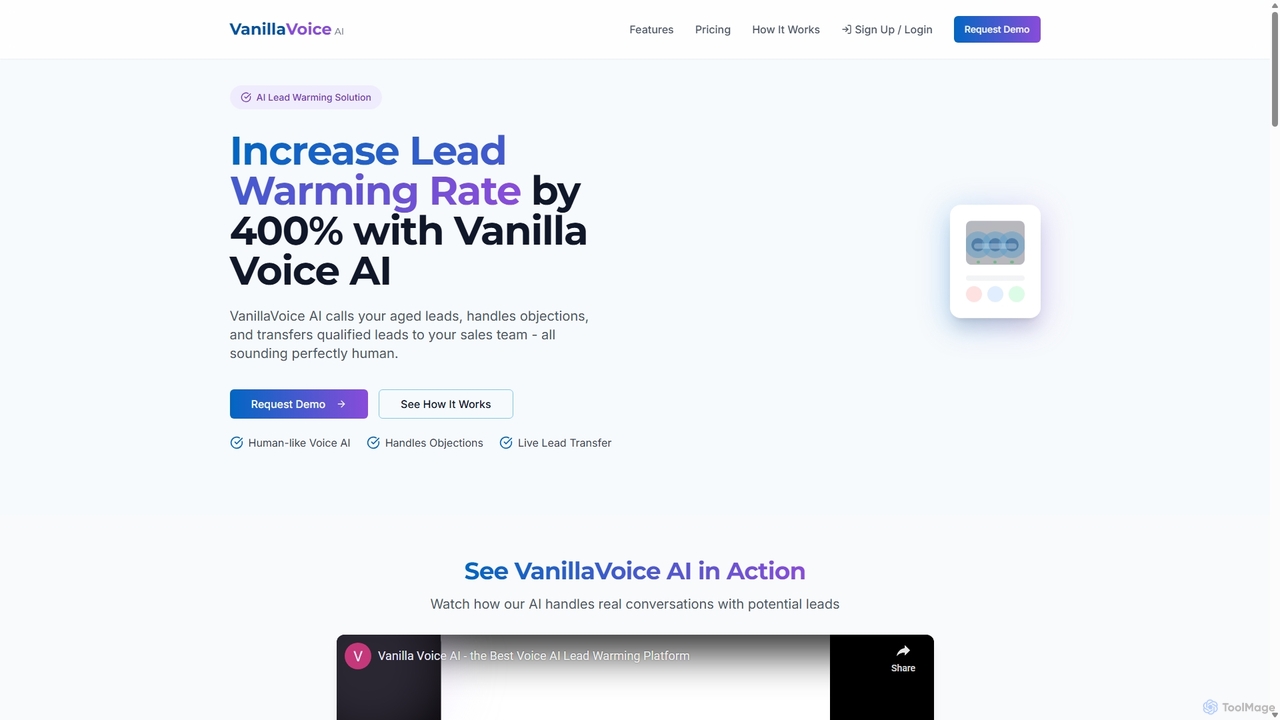
VanillaVoice is an AI-powered lead warming solution that uses a human-like voice agent to call and re-engage aged leads. It handles objections, qualifies prospects, and live-transfers interested leads to your sales team, aiming to significantly boost conversion rates and sales efficiency by up to 400%.

Voice Agent
Visits 5.2KFavorites 124Likes 105
CallFluent
Paid

CallFluent

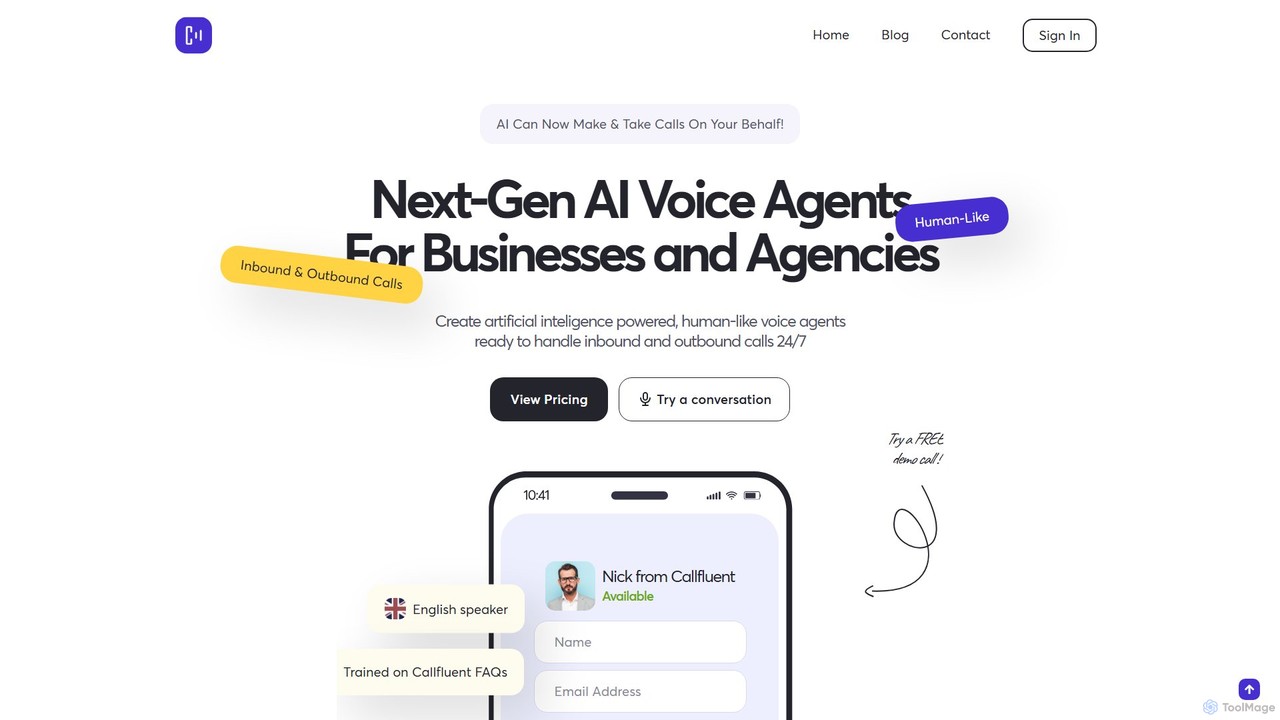
CallFluent is a no-code AI platform that allows businesses to create human-like voice agents in 60 seconds. These agents can handle both inbound and outbound calls 24/7, automating tasks like sales, customer support, appointment booking, and lead qualification. It supports over 40 languages and integrates with popular tools like Zapier, Google Calendar, and CRMs.

Voice Agent
Visits 12.4KFavorites 150Likes 150
OneAI
Paid

OneAI

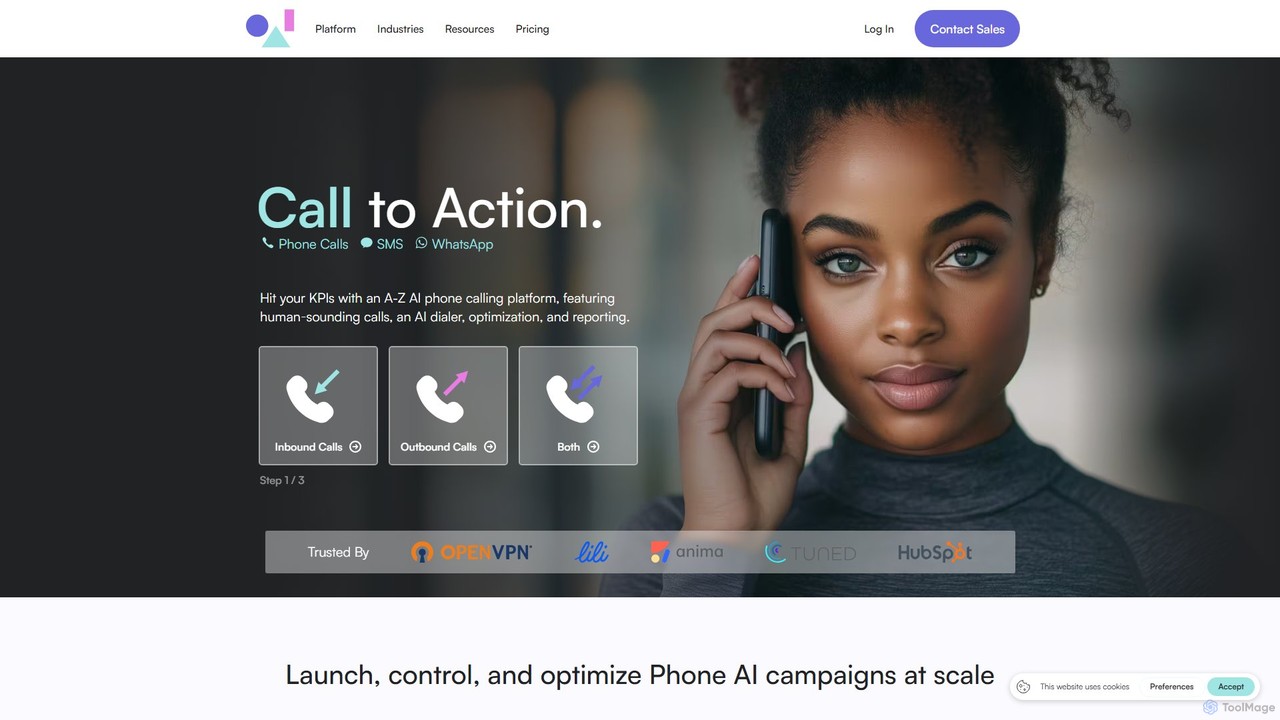
OneAI is an advanced AI phone calling platform designed to automate and scale sales and customer service operations. It deploys a workforce of human-sounding AI agents for inbound and outbound calls, handling tasks like lead qualification, appointment setting, and customer reminders. With a focus on compliance, scalability, and seamless CRM integration, OneAI helps businesses boost conversion rates and operational efficiency 24/7.

Voice Agent
Visits 37.9KFavorites 174Likes 161
brightcall
Freemium

brightcall

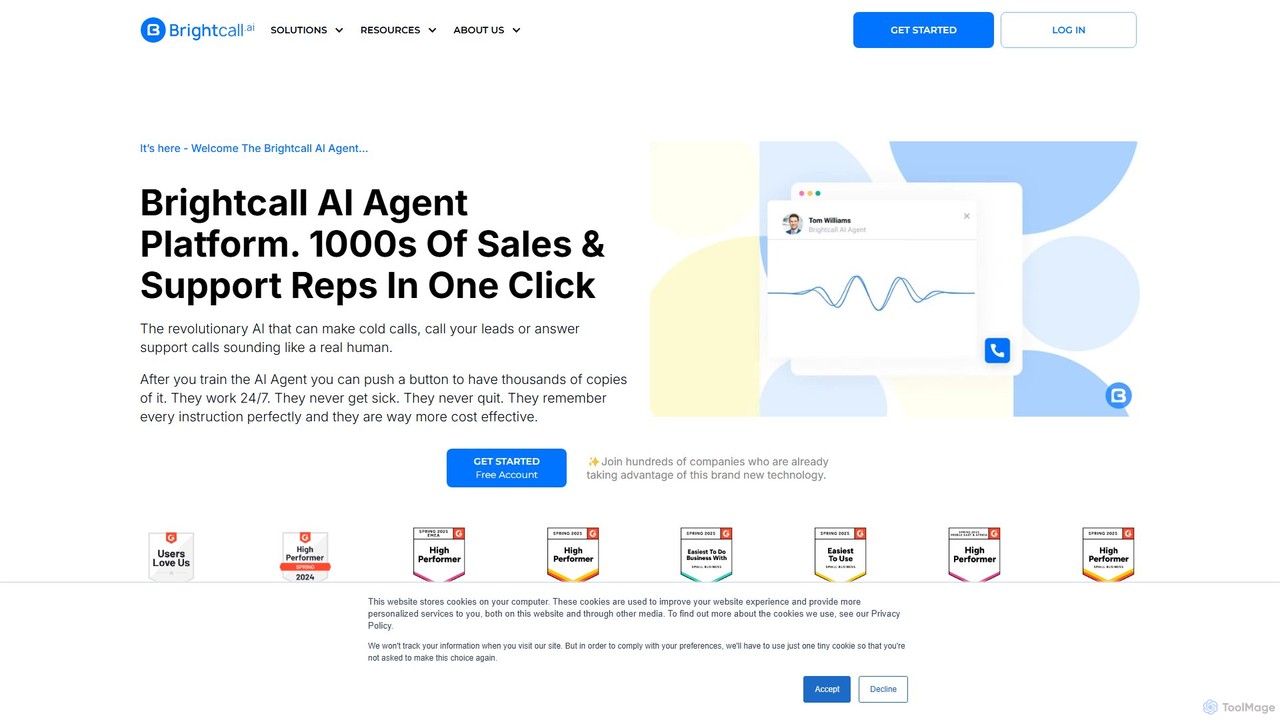
Brightcall is an AI-powered communication platform designed to automate sales and support calls. It features a human-like AI agent that can make cold calls, follow up on leads instantly, and handle support inquiries 24/7. With tools like a Multi Line Dialer and seamless CRM integrations, Brightcall helps businesses increase productivity, boost conversion rates, and scale their communication efforts cost-effectively.

Voice Agent
Visits 12.9KFavorites 134Likes 137
watto
Paid

watto

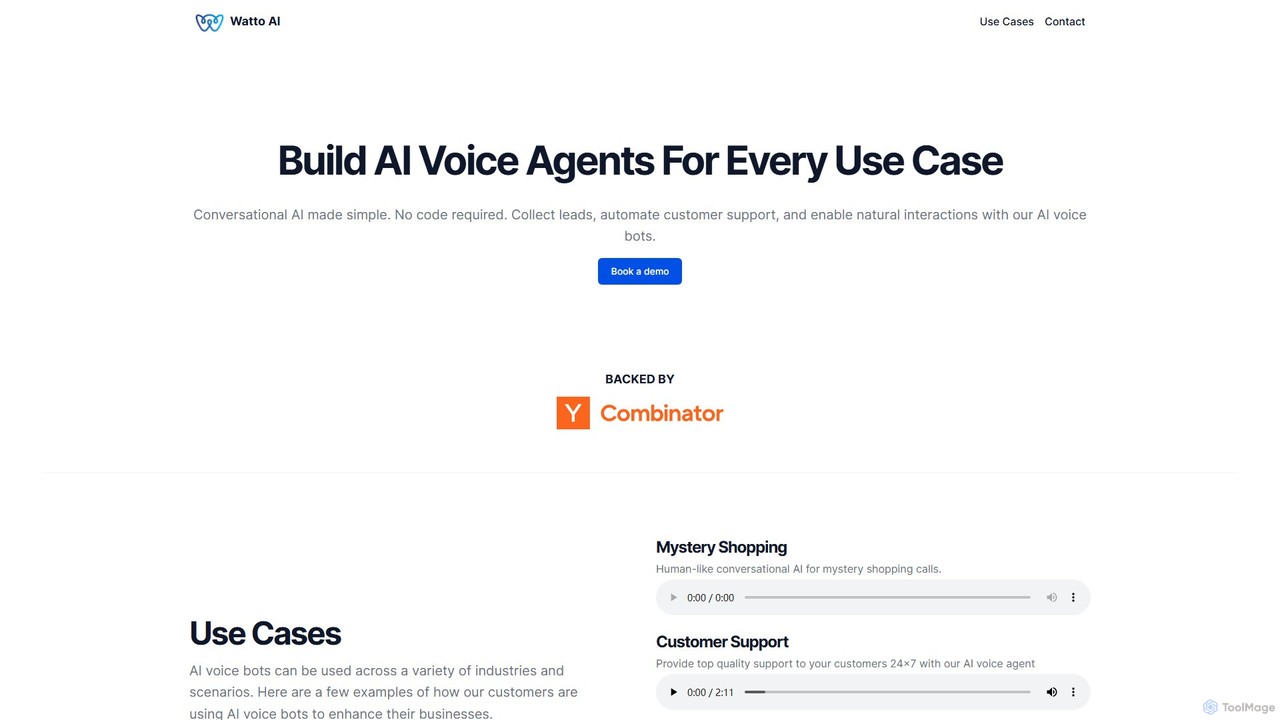
watto is a no-code platform for building and deploying advanced AI voice agents. It simplifies conversational AI, enabling businesses to automate customer support, generate leads, and create natural voice interactions for various use cases without any coding expertise.

Voice Agent
Visits 5.4KFavorites 142Likes 135
Thoughtly
Paid

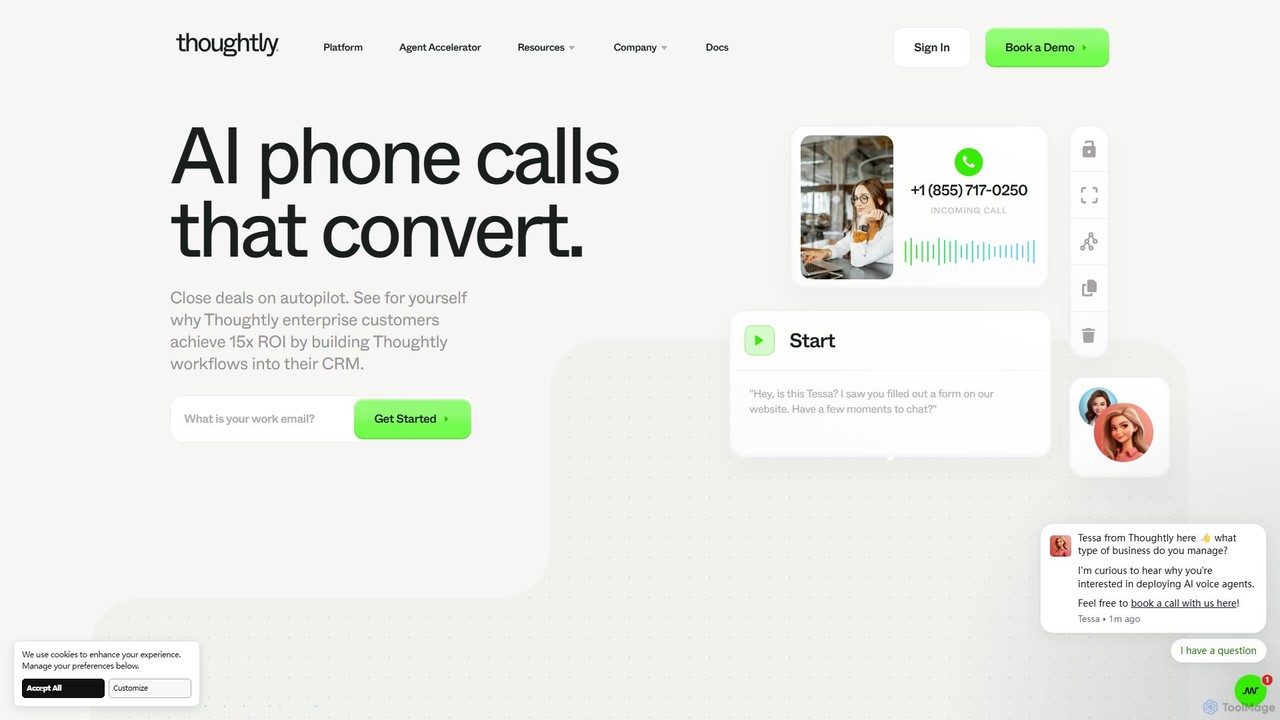
Thoughtly

Thoughtly is a no-code platform for building and automating AI phone agents. It enables businesses to create human-like voice agents for inbound and outbound calls, handling tasks like sales, customer service, lead qualification, and appointment scheduling. Integrate seamlessly with your CRM and other tools to automate workflows and achieve significant ROI.

Voice Agent
Visits 25.2KFavorites 142Likes 149
Curley
Paid

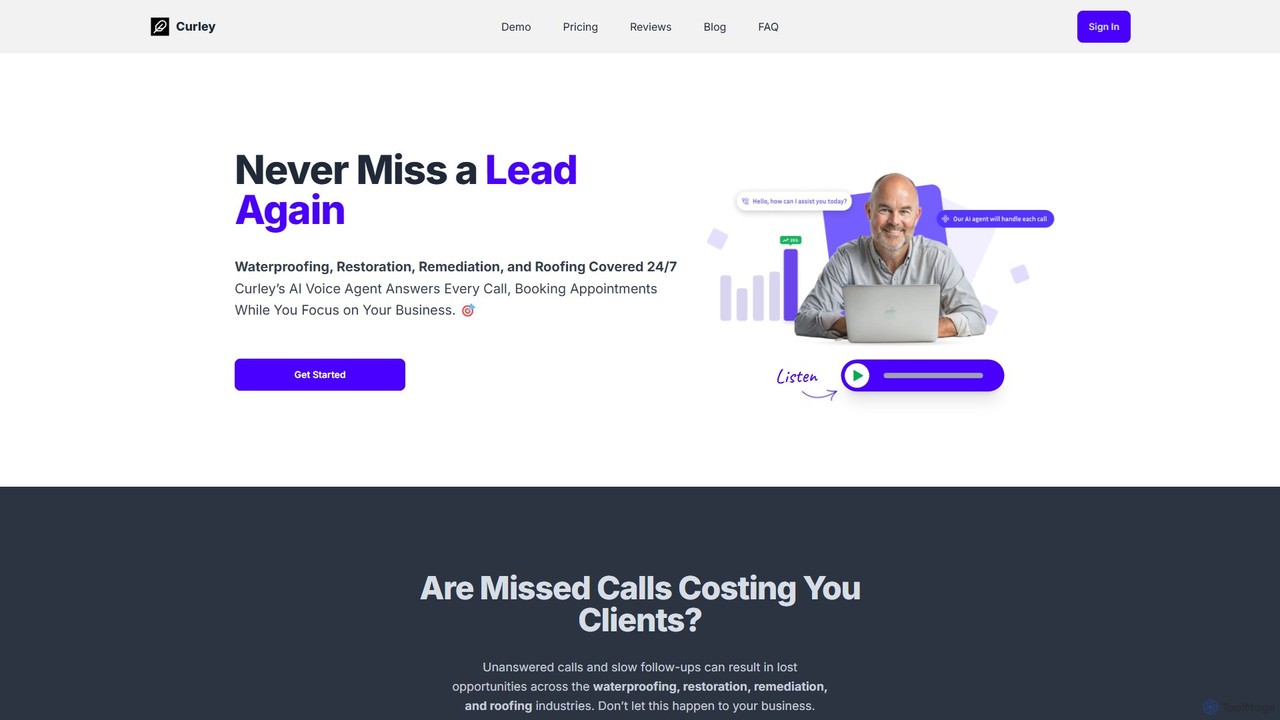
Curley

Curley is a 24/7 AI voice agent designed for waterproofing, restoration, remediation, and roofing businesses. It answers every call, qualifies leads, and automatically books appointments into your calendar. By automating customer communication and lead capture, Curley helps you increase revenue, improve efficiency, and enhance customer satisfaction without missing a single opportunity.

Virtual Assistant
Visits 4.6KFavorites 107Likes 106
Loman
Paid

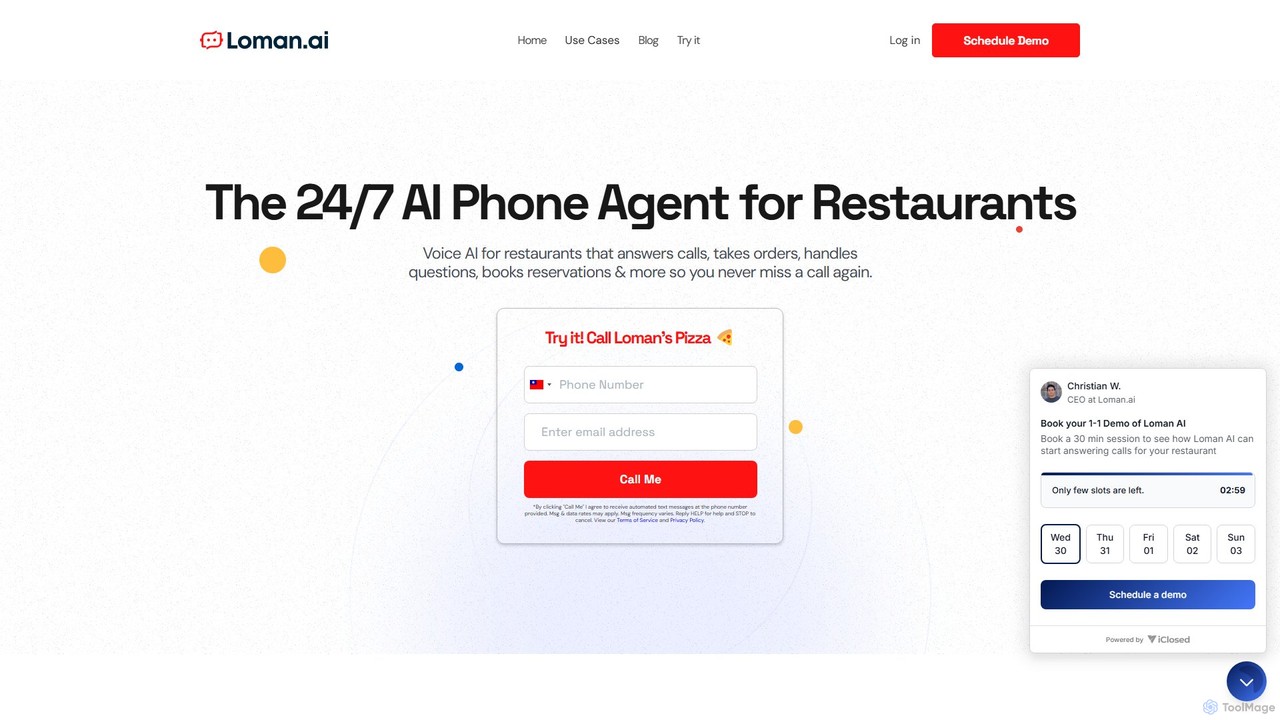
Loman

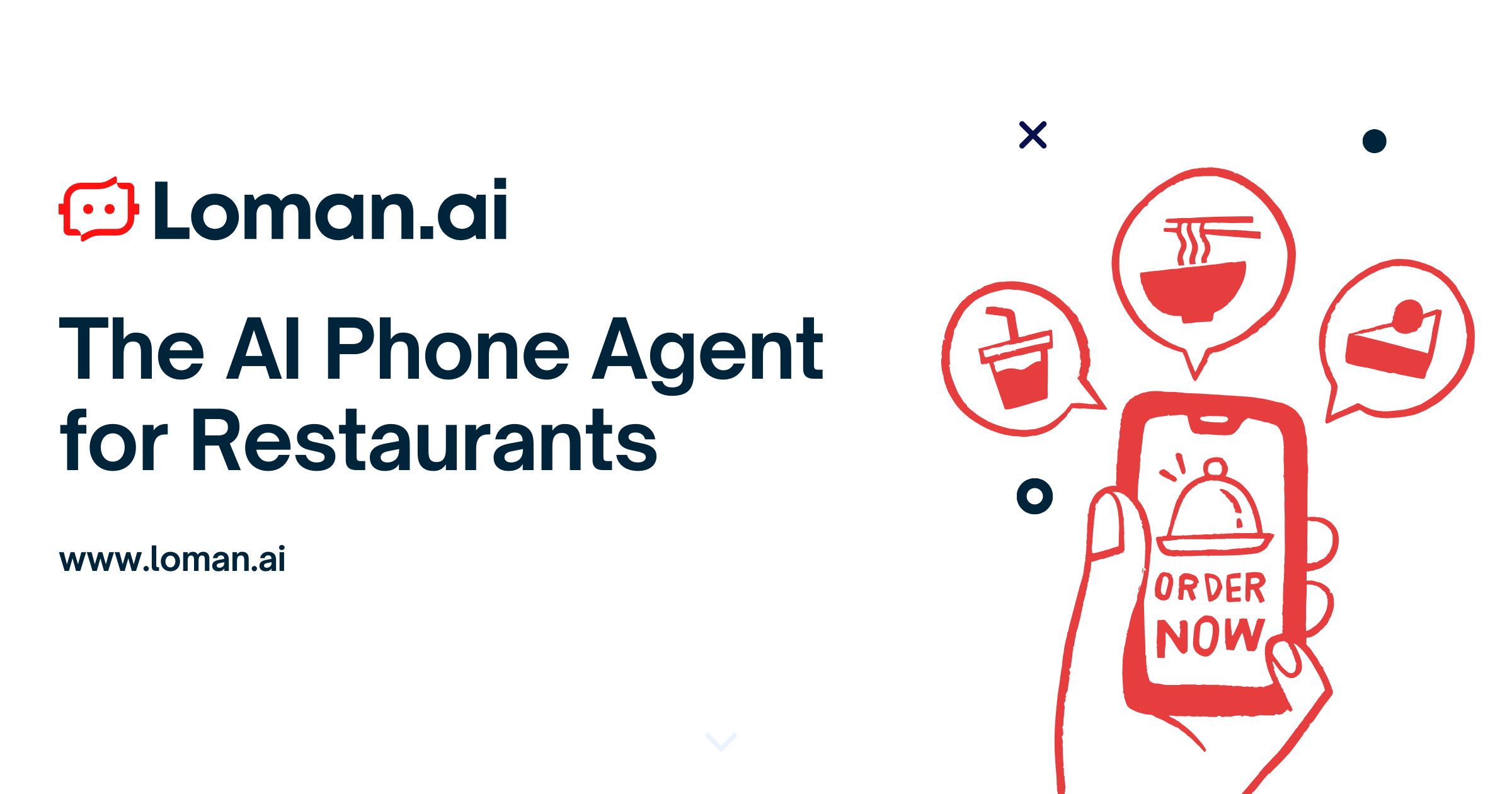
Loman is a 24/7 AI phone agent designed for restaurants. It automates call handling by answering every call, taking takeout and delivery orders, booking reservations, and answering customer questions about the menu or dietary restrictions. It integrates with major POS systems to streamline operations, reduce labor costs, and increase revenue by never missing a call.

Restaurant Management
Visits 56.9KFavorites 139Likes 139
Tunk.ai
Freemium

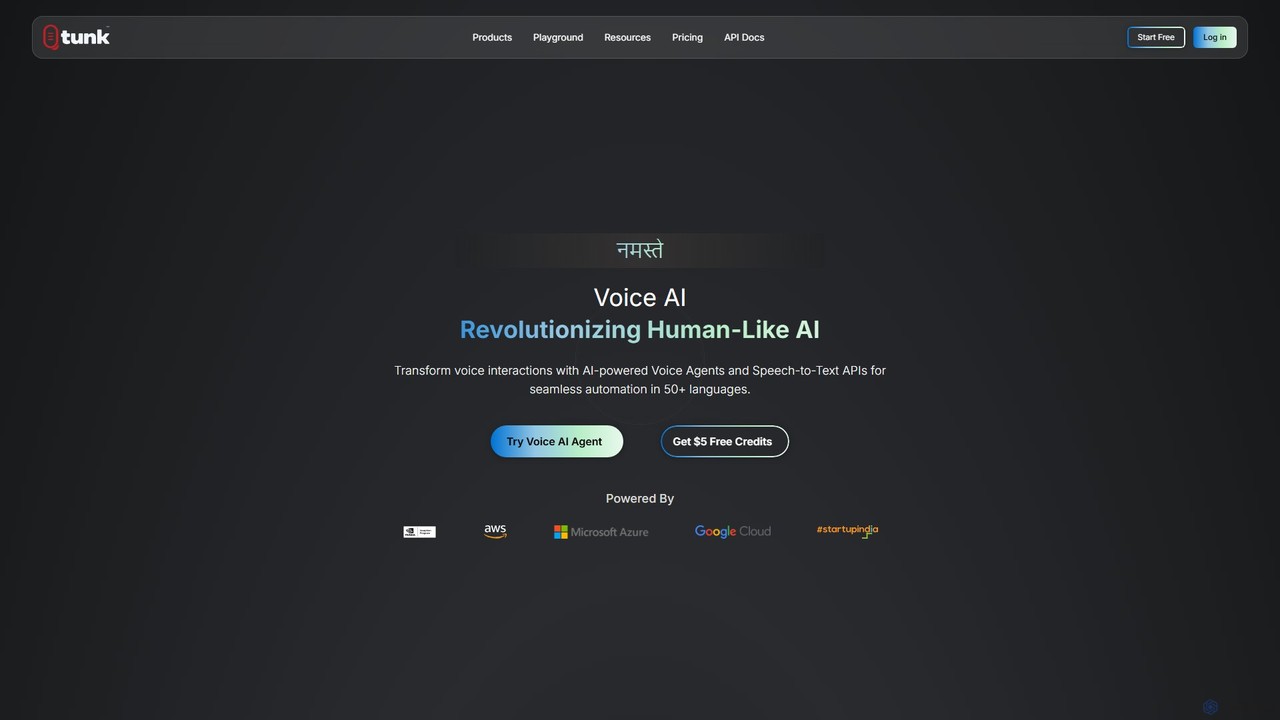
Tunk.ai

Tunk.ai is an advanced voice AI platform offering highly accurate Speech-to-Text APIs, intelligent Voice Agents, and real-time audio analysis. It supports over 50 languages, providing seamless automation for contact centers, financial services, education, and more. Transform voice interactions into structured, actionable insights with features like diarization, summarization, and sentiment analysis.

Speech To Text
Visits 4.7KFavorites 129Likes 110
Dasha
Freemium

Dasha

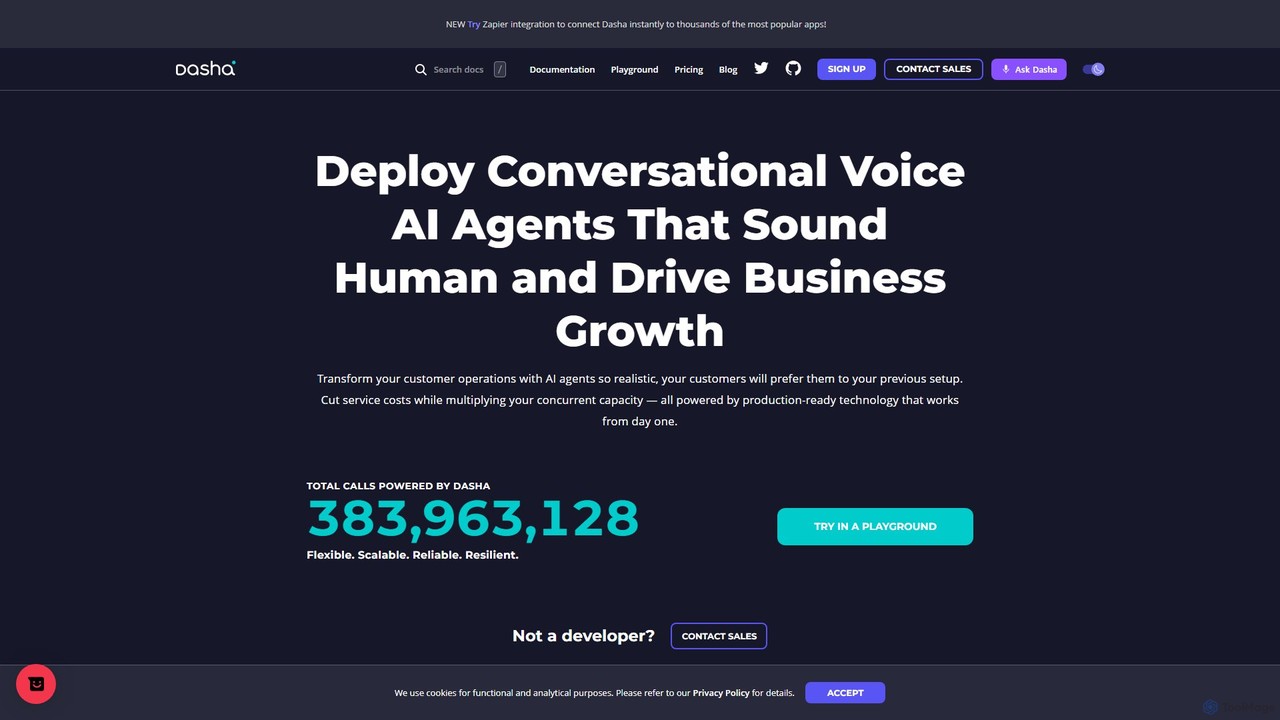
Dasha is an advanced conversational AI platform for building ultra-realistic, human-like voice agents. It enables businesses to automate sales, customer service, and other voice-based operations at scale, reducing costs while enhancing customer experience. Designed for developers, it offers deep customization, extensive integrations, and enterprise-grade reliability.

Voice Agent
Visits 24.4KFavorites 98Likes 110
Azna AI
Paid

Azna AI

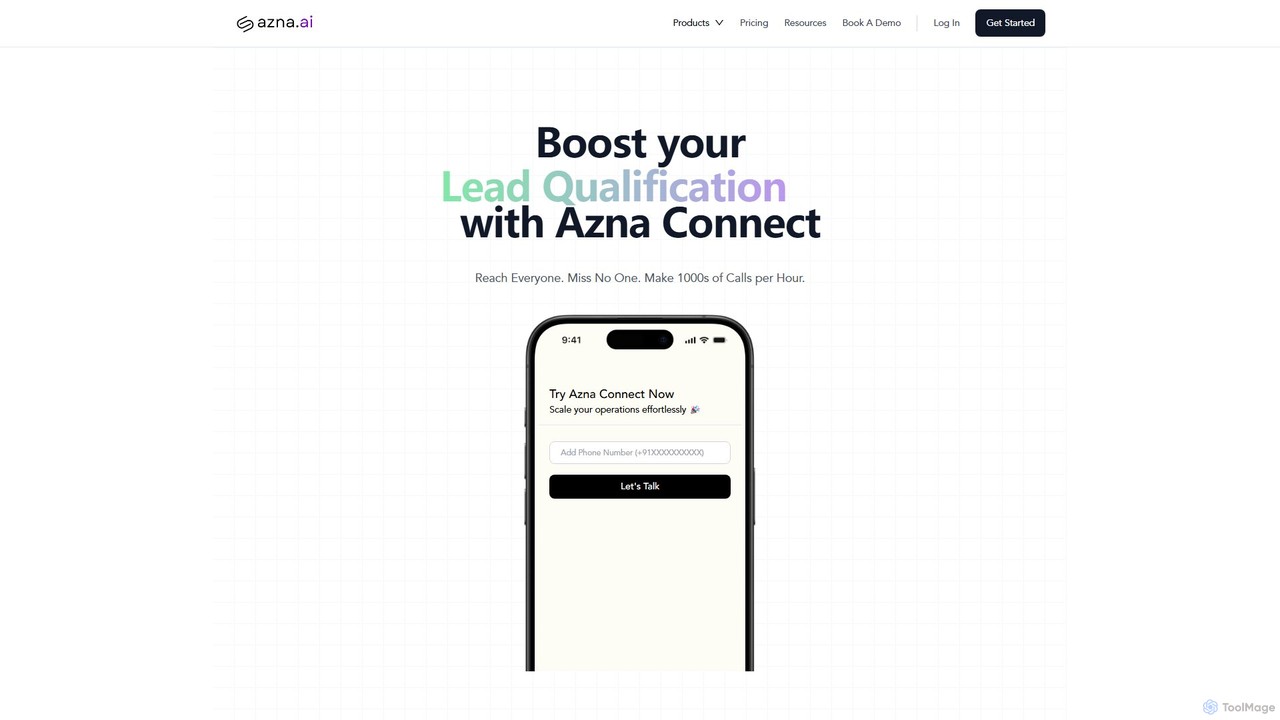
Azna AI is a conversational AI platform that automates lead qualification, customer support, and appointment scheduling through intelligent voice agents. It can make thousands of human-like calls per hour, 24/7, integrating seamlessly with your CRM. It's designed to scale sales operations, reduce costs, and enhance customer engagement without human effort.

Voice Agent
Visits 4.8KFavorites 141Likes 138
nlpearl
Freemium

nlpearl

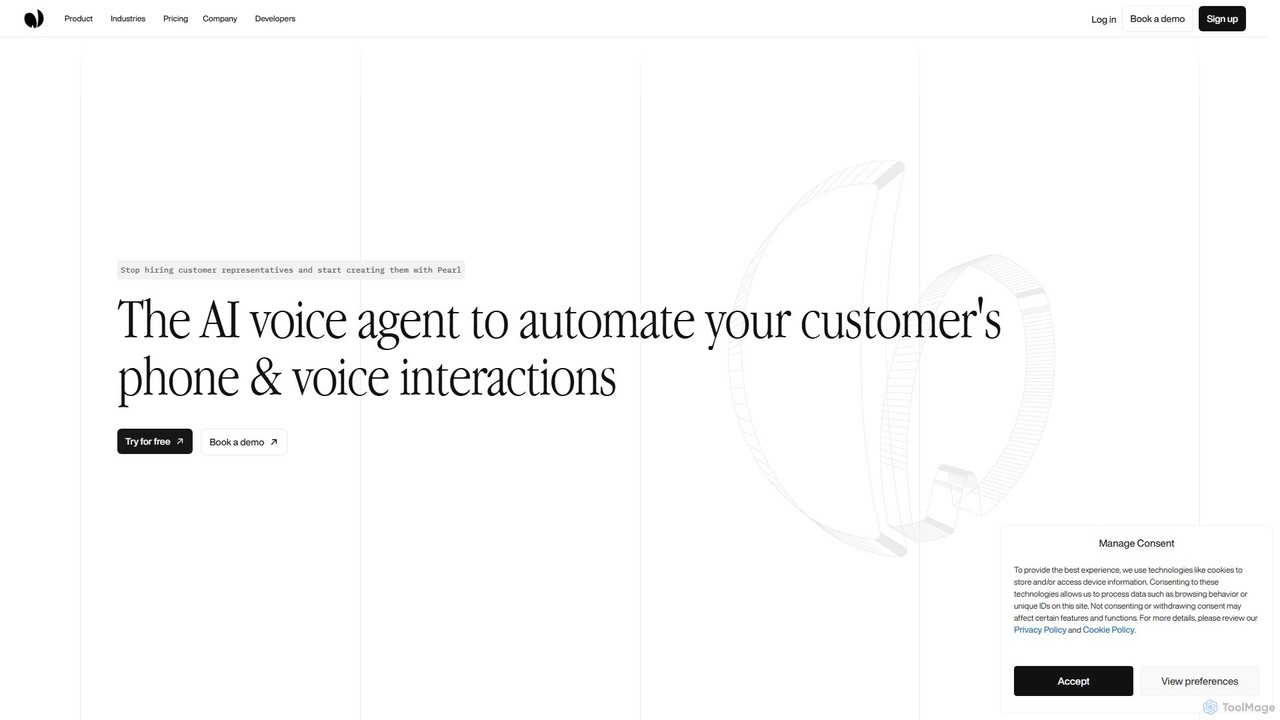
nlpearl offers an advanced AI voice agent, Pearl, to automate customer phone interactions. This no-code platform allows you to build human-like, multilingual conversational flows 24/7. It integrates seamlessly with your existing tools to handle sales, support, and lead qualification, transforming call data into actionable insights.

Voice Agent
Visits 28.1KFavorites 147Likes 139

About Voice Agent

A Voice Agent is an AI-powered system designed to automate and manage voice-based interactions, primarily over the phone. Leveraging technologies like Automatic Speech Recognition (ASR), Natural Language Processing (NLP), and Text-to-Speech (TTS), these agents can understand and respond to human speech in real-time. They serve as autonomous virtual representatives, capable of handling a wide range of customer support and operational tasks 24/7. This allows businesses to scale their voice communication capabilities, reduce wait times, and free up human agents for more complex issues.

Core Features

  • Conversational AI: Understands user intent, context, and nuances in spoken language to hold natural, human-like conversations.
  • 24/7 Autonomous Operation: Handles inbound and outbound calls around the clock without human supervision.
  • Real-time System Integration: Connects with CRM, helpdesk, and other business systems to access and update information during calls.
  • Intelligent Call Routing: Automatically transfers calls to the appropriate human agent with full context when a query is too complex.
  • Multilingual Support: Capable of conversing in multiple languages and understanding various accents to serve a global audience.

Use Cases

Voice Agents are widely used in industries like telecommunications, finance, healthcare, and retail. They are ideal for roles in customer service, sales, and operations for tasks such as appointment scheduling, order status inquiries, lead qualification, and payment reminders. For example, a healthcare provider can use a Voice Agent to automate appointment confirmations, while an e-commerce company can use one to handle inbound queries about shipping status.

How to Choose

When selecting a Voice Agent, consider the quality and naturalness of its voice. Evaluate its integration capabilities with your existing software stack (e.g., Salesforce, Zendesk). Assess the ease of use of its conversation design studio for building and modifying call flows. Finally, analyze its latency, language support, and the depth of its analytics dashboard to ensure it meets your operational requirements.

Featured tool rankings

Voice Agent use cases

1

Automate Appointment Scheduling and Reminders

A healthcare clinic's administrative staff often spends hours on the phone scheduling appointments and making reminder calls. By implementing a Voice Agent, they can automate this entire process. The AI can handle inbound calls from patients wanting to book a new appointment, finding available slots in the calendar via CRM integration. It can also proactively make outbound calls to patients 24 hours before their scheduled visit to confirm attendance, reducing no-show rates by up to 30%. This frees up staff to focus on in-person patient care and complex administrative tasks.

2

Provide 24/7 Inbound Customer Service Triage

An e-commerce company experiences high call volumes, especially after hours, with common questions about order status, returns, and account information. A Voice Agent can act as the first line of support, available 24/7. It authenticates callers using their phone number or account ID, accesses the order management system to provide real-time updates on shipping, and explains the return process. For complex issues like a damaged item, the agent gathers initial information and creates a support ticket, then intelligently routes the call to a specialized human agent during business hours, providing them with the full context.

3

Qualify Inbound Sales Leads Proactively

A B2B software company's sales team receives many inbound leads from their website, but not all are qualified. A Voice Agent can be configured to call each new lead within minutes of their form submission. The agent introduces the company, confirms the lead's interest, and asks a series of qualifying questions (e.g., 'What is your company size?', 'What is your budget?'). Based on the responses, the agent can schedule a demo directly on a sales representative's calendar for qualified leads or send marketing materials to unqualified ones. This ensures rapid lead response and allows the sales team to focus only on high-potential prospects.

4

Conduct Post-Purchase Feedback Surveys

A retail brand wants to gather customer feedback consistently without burdening its support team. They deploy a Voice Agent to automatically call customers three days after their product is delivered. The agent asks a series of questions from a predefined script, such as rating their satisfaction with the product and delivery experience on a scale of 1 to 5. It uses speech recognition to capture open-ended verbal feedback, which is then transcribed and analyzed for sentiment. This automated process provides a continuous stream of structured feedback, helping the product and logistics teams identify areas for improvement quickly.

5

Automate Outbound Billing and Payment Reminders

A utility company needs to manage thousands of payment reminders each month, a time-consuming task for human agents. They use a Voice Agent to automate outbound reminder calls. The agent calls customers with upcoming or overdue bills, informs them of the amount due and the deadline, and offers an immediate payment option over the phone via a secure, PCI-compliant payment gateway integration. If the customer has a question, the agent can answer common queries or transfer them to a human agent. This automation improves cash flow by securing payments faster and reduces the cost of collections.

6

Deploy Emergency Alert and Notification Systems

A municipal government or utility company needs a reliable way to quickly disseminate critical information to thousands of residents during an emergency, such as a power outage or severe weather warning. A Voice Agent can be used to power a mass notification system. With a single command, the system can initiate thousands of simultaneous outbound calls. The AI delivers a clear, pre-recorded or dynamically generated voice message with essential details. It can also ask for a confirmation (e.g., 'Press 1 to confirm you have received this message') and log the responses, providing administrators with real-time data on message delivery and acknowledgement.

Voice Agent FAQ

What is a Voice Agent?

A Voice Agent is an artificial intelligence program designed to handle phone calls and voice-based conversations with humans. Unlike simple automated menus, it uses Natural Language Processing (NLP) to understand what a person is saying and responds in a natural, conversational way. Its primary purpose is to automate tasks typically handled by human call center agents, such as answering questions, scheduling appointments, or processing payments, providing 24/7 service and improving operational efficiency.

What's the difference between a Voice Agent and a traditional IVR system?

The key difference lies in how they interact with the user. A traditional IVR (Interactive Voice Response) system is rigid and rule-based, forcing users to navigate menus by pressing keys ('Press 1 for sales, Press 2 for support'). A Voice Agent, powered by conversational AI, allows users to speak naturally. It understands intent and context, enabling a two-way conversation. For example, a user can say 'I need to check my order status and then update my address,' and the Voice Agent can handle both requests in one continuous interaction, something an IVR cannot do.

How do I choose the right Voice Agent for my business?

Choosing the right Voice Agent involves evaluating several key factors. Consider the following:

  • Integration Capabilities: Ensure it can connect seamlessly with your existing CRM, helpdesk, and other essential business software.
  • Voice Quality: Listen to demos to assess how natural and human-like the AI's voice sounds. A robotic voice can lead to poor customer experience.
  • Customization and Control: Check how easy it is to build, test, and modify conversation flows. A user-friendly, no-code interface is often preferable.
  • Analytics and Reporting: The tool should provide detailed insights into call outcomes, conversation paths, and overall performance to help you optimize.
  • Scalability and Reliability: Verify that the platform can handle your expected call volume, including peaks, without compromising performance.
What are the main functions of an AI Voice Agent?

AI Voice Agents perform a variety of functions aimed at automating voice communications. Key functions include:

  • Answering Inbound Calls: Acting as the first point of contact to answer frequently asked questions, provide information, and resolve common issues.
  • Making Outbound Calls: Proactively contacting customers for appointment reminders, payment notifications, feedback surveys, and lead qualification.
  • Intelligent Call Routing: Analyzing a caller's needs in real-time and transferring them to the correct human agent or department with full context.
  • Data Collection and Entry: Gathering information from callers, such as contact details or survey responses, and automatically entering it into a CRM or database.
  • Processing Transactions: Securely handling tasks like making payments or placing orders over the phone.
Which industries benefit most from using Voice Agents?

While many industries can benefit, some see particularly high value from implementing Voice Agents due to their high volume of voice interactions. These include:

  • Healthcare: For automating appointment scheduling, reminders, and prescription refill requests.
  • Finance and Banking: For handling account balance inquiries, fraud alerts, and payment processing.
  • Retail and E-commerce: For order status tracking, return processing, and 24/7 customer support.
  • Telecommunications: For technical support triage, billing inquiries, and service outage notifications.
  • Utilities: For payment reminders, service interruption alerts, and account management.

Essentially, any business that relies on a call center for repetitive, high-volume tasks can significantly improve efficiency and customer experience with a Voice Agent.