Ai Platform Best in category 2 results Enterprise Solutions AI Tool

Popular AI tools in the Enterprise Solutions field of Ai Platform include XenonStack、Maum.ai, etc., helping you quickly improve efficiency.

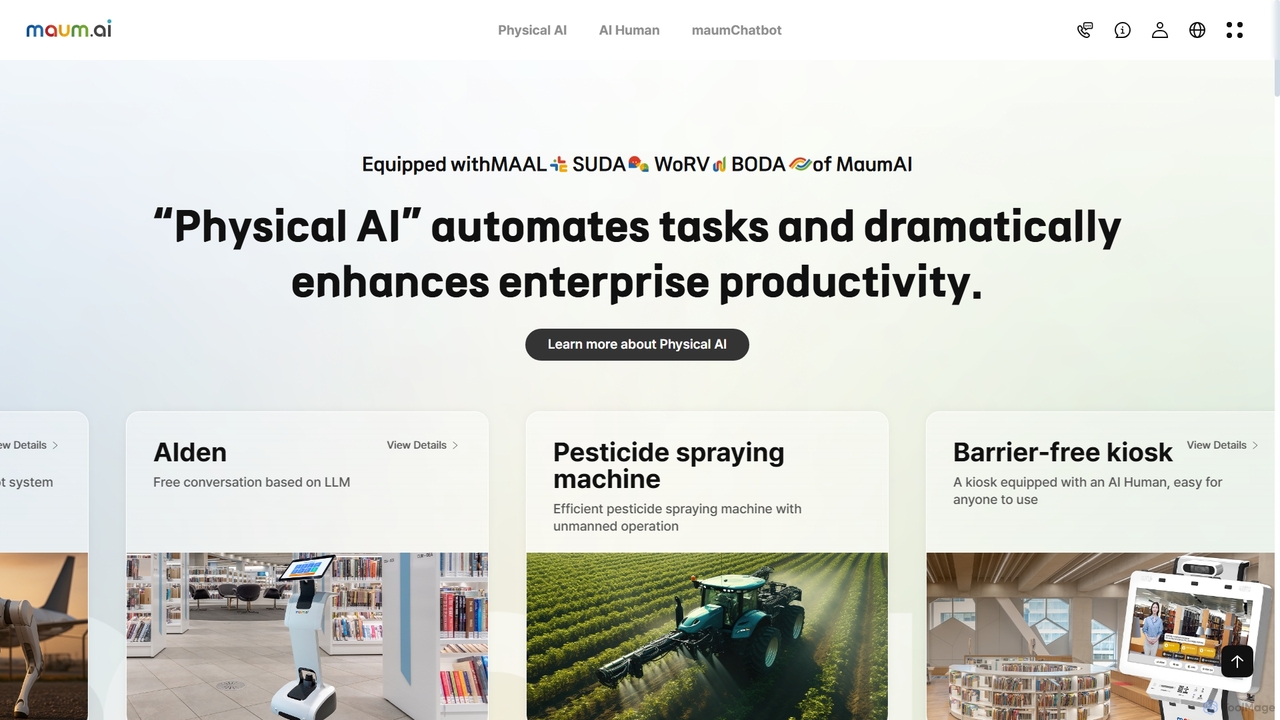
Maum.ai

Maum.ai

Maum.ai is a comprehensive enterprise AI platform specializing in "Physical AI," which integrates conversational AI, vision, robotics, and …

17.1K
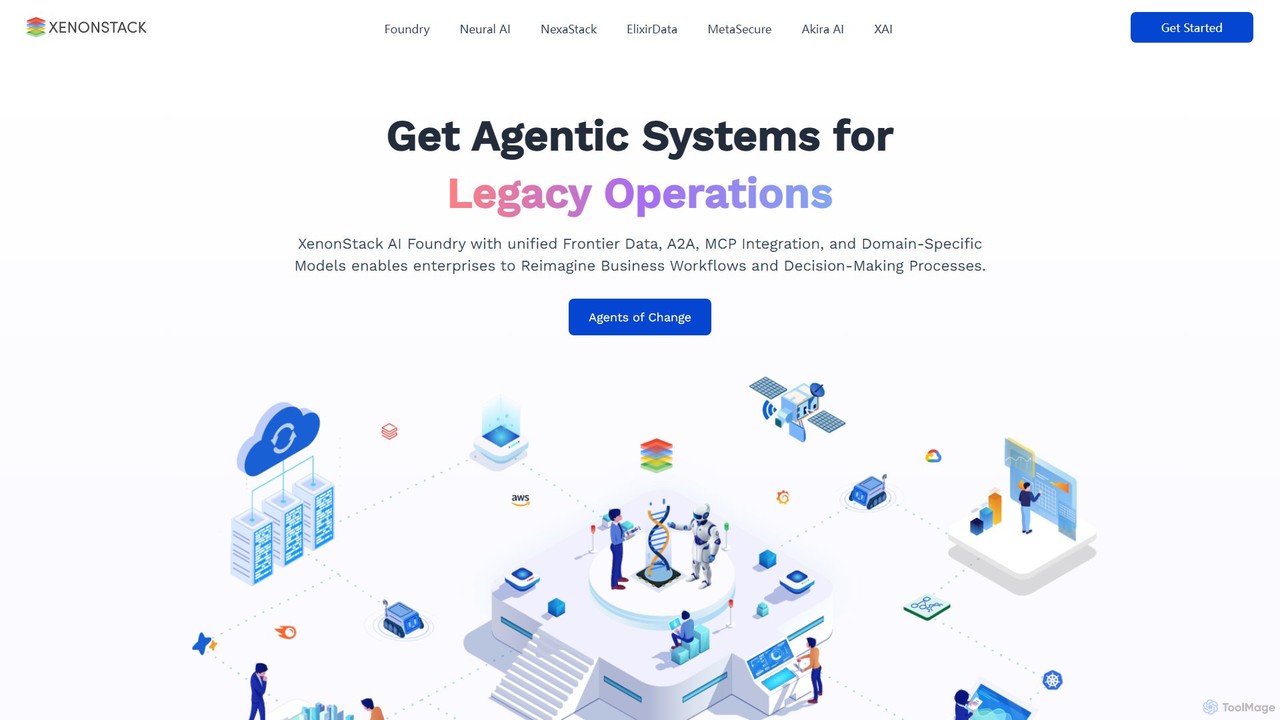
XenonStack

XenonStack

XenonStack is an enterprise-grade AI platform designed to build, deploy, and manage Agentic AI systems. It provides a …

60.6K

About Enterprise Solutions

AI Enterprise Solutions are comprehensive platforms designed to integrate artificial intelligence across large-scale business operations. These solutions provide a unified suite of tools for data management, model development, deployment, and governance within a secure, scalable framework. They enable organizations to automate complex workflows, derive deep business insights from vast datasets, and build custom AI applications tailored to specific industry needs. Unlike general AI platforms, they place a strong emphasis on robust security, regulatory compliance, and seamless integration with existing enterprise systems like CRM and ERP.

Core Features

  • Unified AI Lifecycle Management: Provides a single environment for the entire machine learning process, from data preparation and model training to deployment and monitoring.
  • Advanced Security & Governance: Includes features like role-based access control, data encryption, and detailed audit trails to meet strict compliance standards.
  • Scalable MLOps Infrastructure: Offers automated tools for managing the deployment, scaling, and maintenance of machine learning models in production.
  • Low-Code/No-Code Capabilities: Empowers business analysts and non-technical users to build and deploy AI applications using visual interfaces.
  • Seamless System Integration: Features pre-built connectors and APIs for easy integration with existing enterprise software and data sources.

Use Cases

AI Enterprise Solutions are widely adopted in sectors requiring large-scale data processing and automation. In finance, they are used for real-time fraud detection and algorithmic trading. Healthcare organizations leverage them for predictive diagnostics and personalizing treatment plans. In retail, these platforms optimize supply chain management and power personalized customer experiences.

How to Choose

When selecting an AI Enterprise Solution, evaluate its scalability to handle your organization's data volume and growth. Assess its integration capabilities with your current tech stack. Scrutinize the security features and compliance certifications (e.g., GDPR, HIPAA). Finally, consider the total cost of ownership, including licensing, infrastructure, and the need for specialized personnel.

Enterprise SolutionsUse Cases

1

Automating Financial Fraud Detection

A large financial institution's data science team uses an AI Enterprise Solution to combat sophisticated fraud. They integrate the platform with their real-time transaction data streams. Using the platform's MLOps capabilities, they build, train, and deploy a machine learning model that analyzes transaction patterns, customer behavior, and location data to identify anomalies. The solution automatically flags suspicious activities for review, significantly reducing false positives by over 60% and enabling the fraud prevention team to focus on high-risk cases, thereby protecting customer assets more effectively.

2

Optimizing Retail Supply Chain Management

A multinational retail corporation's supply chain manager leverages an AI Enterprise Solution to improve inventory accuracy and logistics. The platform connects to their ERP and point-of-sale systems, ingesting sales data, weather forecasts, and social media trends. It runs predictive models to forecast demand for thousands of products across different regions. This allows for automated inventory replenishment, optimized shipping routes, and a reduction in both overstocking and stockouts. The result is a 15% reduction in carrying costs and a significant improvement in on-shelf availability.

3

Enhancing Customer Service with Centralized AI

A global telecommunications company implements an AI Enterprise Solution to unify its customer service operations. The Head of Customer Experience oversees the project. The platform integrates with their CRM and contact center software. They use its natural language processing (NLP) tools to build intelligent chatbots for instant query resolution and to analyze sentiment from support emails and calls. This central AI engine routes complex issues to the most suitable agents, provides agents with real-time customer insights, and reduces average handling time by 30%, leading to higher customer satisfaction scores.

4

Accelerating Drug Discovery in Pharmaceuticals

A pharmaceutical research team uses an AI Enterprise Solution to speed up the identification of potential drug candidates. Research scientists use the platform's high-performance computing capabilities to process and analyze massive genomic and molecular datasets. They build predictive models that identify compounds with a high probability of therapeutic success. The platform's collaborative features allow researchers across different labs to share findings and models securely. This approach shortens the initial research phase by months, reduces costs associated with wet-lab experiments, and increases the success rate of drug development programs.

5

Implementing Predictive Maintenance in Manufacturing

A plant manager at a heavy machinery manufacturing facility uses an AI Enterprise Solution for predictive maintenance. The platform ingests real-time sensor data (e.g., temperature, vibration, pressure) from production line equipment. Data scientists build models that predict equipment failures before they occur. The system automatically generates maintenance alerts and work orders in their asset management system. This proactive approach minimizes unplanned downtime by 40%, extends the lifespan of critical machinery, and improves overall equipment effectiveness (OEE).

6

Personalizing E-commerce User Experiences

An e-commerce manager for a large online marketplace uses an AI Enterprise Solution to deliver personalized shopping experiences. The platform analyzes real-time user behavior, including clicks, search queries, and purchase history. It powers a recommendation engine that suggests relevant products on the homepage, product pages, and in marketing emails. The low-code interface allows the marketing team to create and test different personalization campaigns without developer assistance. This leads to a 20% increase in conversion rates and a higher average order value.

Enterprise SolutionsFrequently Asked Questions