CipherClaw
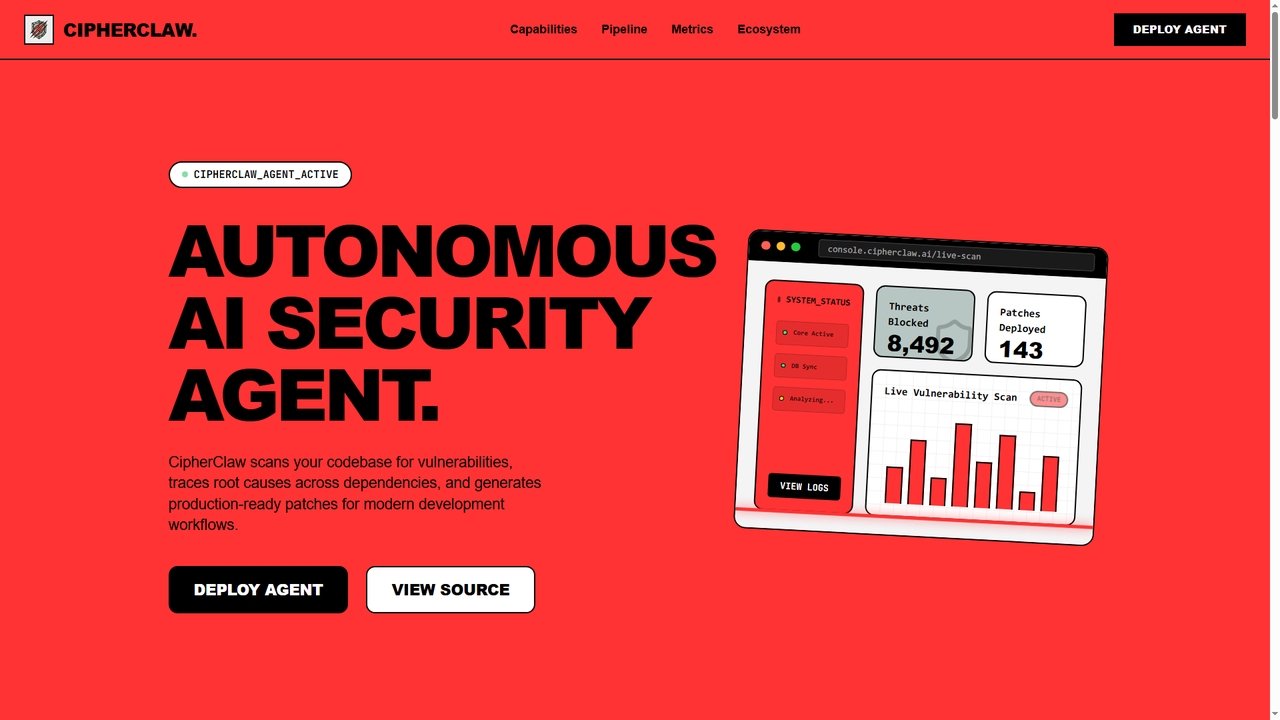
CipherClaw is an autonomous AI security agent that proactively scans your codebase for vulnerabilities, performs root cause analysis …
CipherClaw is an autonomous AI security agent that proactively scans your codebase for vulnerabilities, performs root cause analysis across dependencies using advanced causal graph and abstract geometric analysis, and autonomously generates and deploys production-ready patches. Designed for modern, AI-generated development workflows, it integrates seamlessly with ecosystems like OpenClaw, NVIDIA Nemo Claw, Lovable, and n8n.
Whisp
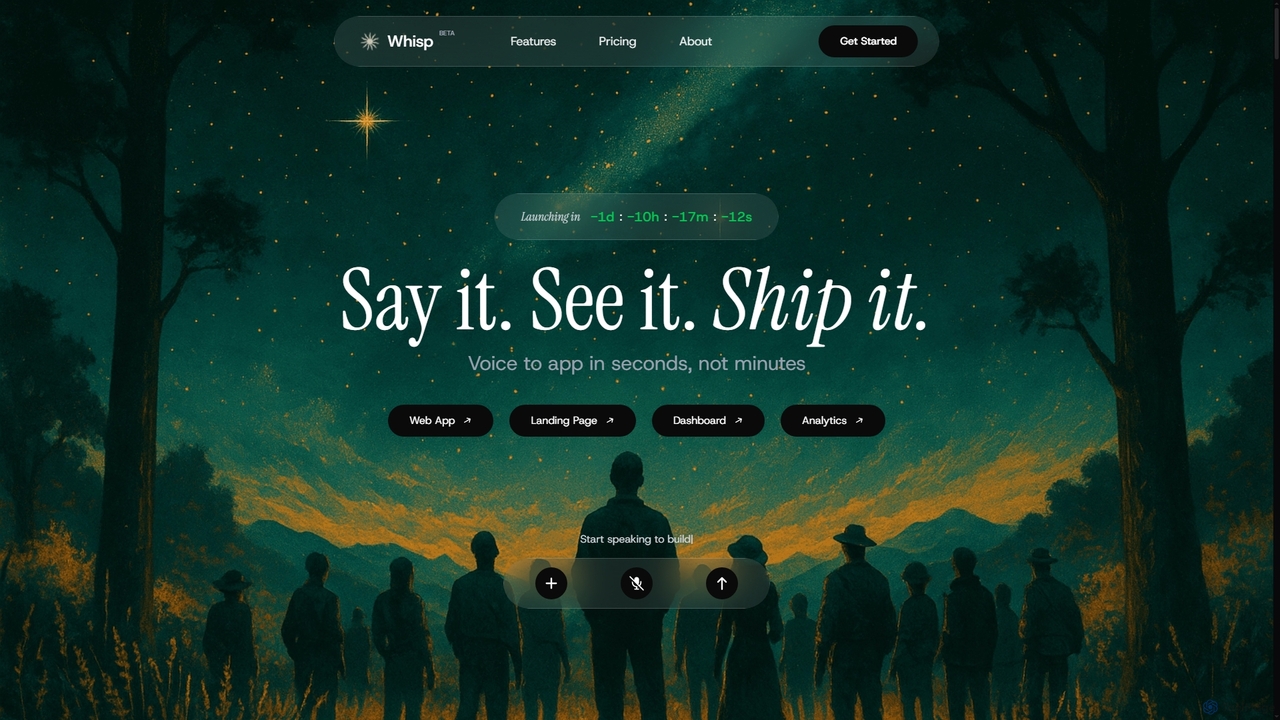
Whisp is a voice-first AI development platform that transforms spoken ideas into fully functional web applications, dashboards, and …
Whisp is a voice-first AI development platform that transforms spoken ideas into fully functional web applications, dashboards, and landing pages in seconds. No coding required—just describe your vision, and Whisp generates production-ready code with a complete backend, database schemas, and integrations.
DreamFlow
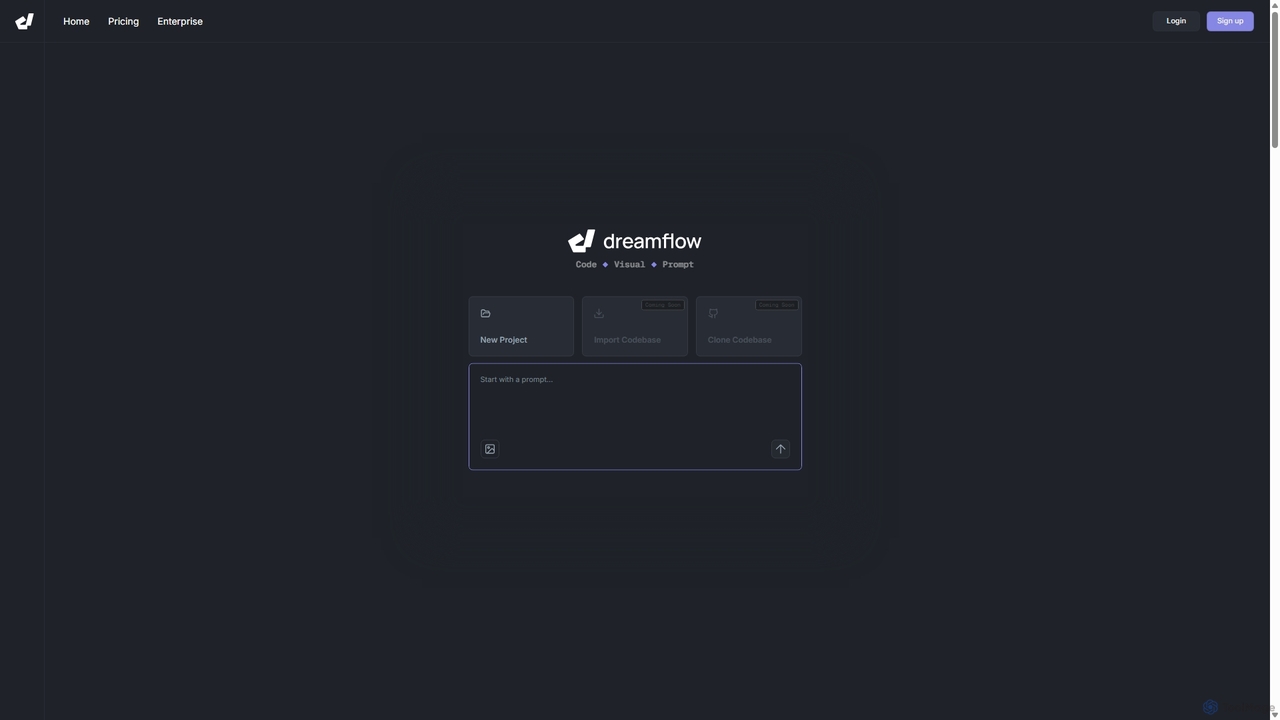
DreamFlow is an AI-first development environment that transforms text prompts into cross-platform mobile applications. It integrates AI-powered code …
DreamFlow is an AI-first development environment that transforms text prompts into cross-platform mobile applications. It integrates AI-powered code generation, a visual UI builder, and a full-featured code editor to accelerate the entire app development lifecycle for Flutter, from idea to deployment.
Repodex
Repodex is an AI-powered code intelligence platform that helps developers and teams search, understand, and manage their code …
Repodex is an AI-powered code intelligence platform that helps developers and teams search, understand, and manage their code repositories. Using natural language, you can find code, get explanations, and generate documentation instantly.
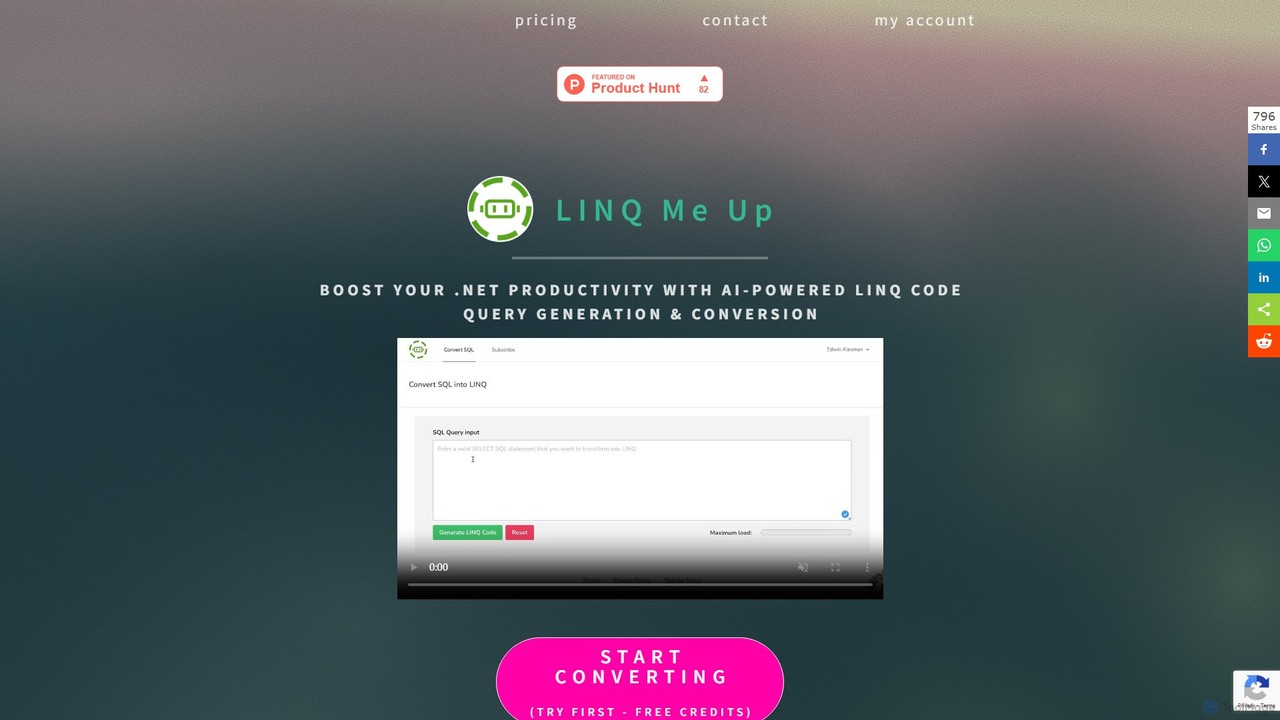
linqmeup
An AI-powered tool for .NET developers that boosts productivity by instantly converting SQL queries to LINQ, transforming LINQ …
An AI-powered tool for .NET developers that boosts productivity by instantly converting SQL queries to LINQ, transforming LINQ back to SQL, and generating complex LINQ queries from various data sources like JSON, XML, and POCOs. It supports both C# and Visual Basic.
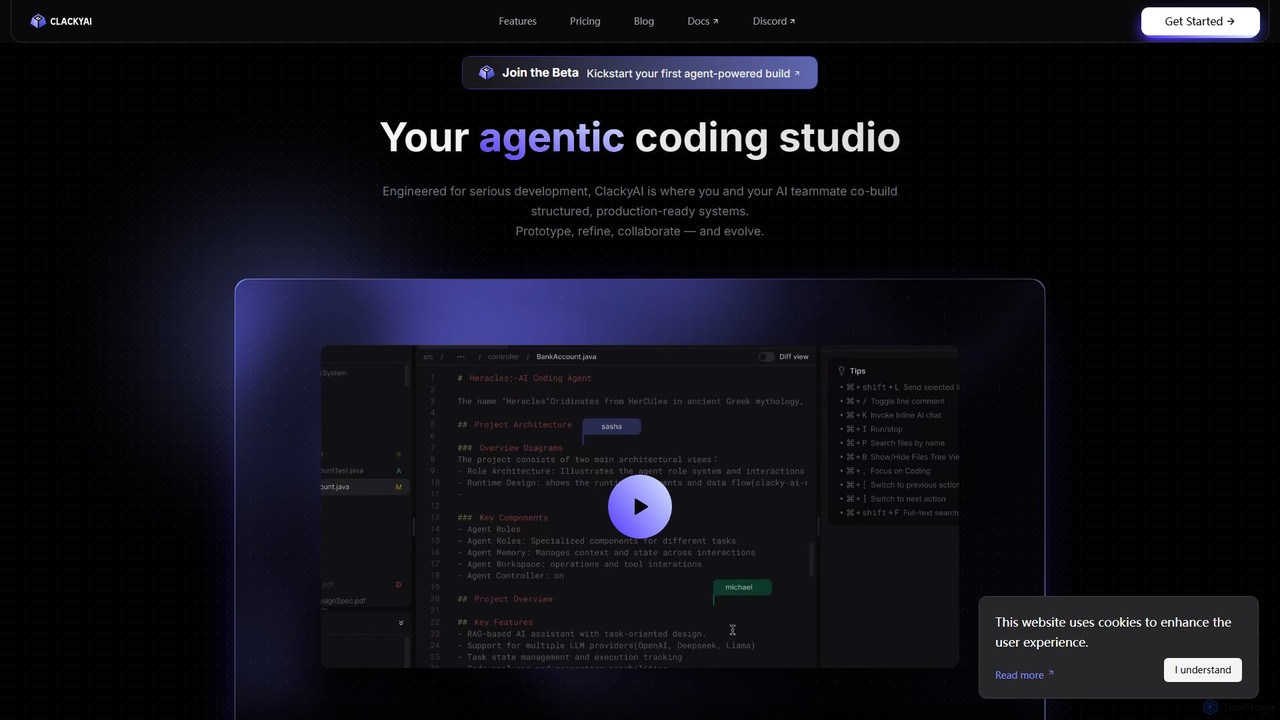
ClackyAI
ClackyAI is an agentic AI Cloud Development Environment (CDE) that revolutionizes coding by transforming issue descriptions into pull …
ClackyAI is an agentic AI Cloud Development Environment (CDE) that revolutionizes coding by transforming issue descriptions into pull requests. It acts as an AI teammate, offering full codebase awareness, real-time collaboration, and a 'Task Time Machine' for complete control. Designed for serious development, it aims to accelerate the coding process by 10x while ensuring superior code quality and minimal manual intervention.
About Code Generation
Code Generation is a category of AI-powered tools that automate the creation of source code. These tools leverage advanced machine learning models, often large language models (LLMs), to interpret natural language prompts or existing code snippets and produce functional, syntactically correct code. They significantly accelerate software development cycles by reducing manual coding effort and minimizing errors. Developers can utilize code generation tools to quickly scaffold projects, implement routine functions, or even translate high-level ideas into executable code.
Core Features
- Automated Code Creation: Generates entire functions, classes, or even complete application modules from high-level descriptions.
- Natural Language to Code: Translates human language instructions into programming code across various languages and frameworks.
- Boilerplate Generation: Quickly creates repetitive or standard code structures, reducing setup time for new projects or features.
- Test Case Generation: Automatically produces unit tests or integration tests for existing code, improving code quality and reliability.
- Code Completion & Suggestions: Offers intelligent suggestions and completes code snippets in real-time within integrated development environments (IDEs).
Applicable Scenarios
Software developers, data scientists, and web developers frequently use code generation tools to streamline their workflows. These tools are particularly valuable in agile development environments where rapid prototyping and iterative development are crucial. They help teams maintain coding standards, reduce technical debt, and free up developers to focus on more complex problem-solving and innovative features rather than repetitive coding tasks.
How to Choose
When selecting a code generation tool, consider its support for your primary programming languages and frameworks, its integration capabilities with your existing IDEs and version control systems, and the accuracy and relevance of the generated code. Evaluate the level of customization offered, the security measures for handling proprietary code, and the pricing model. User reviews and community support are also important indicators of a tool's reliability and effectiveness.
Code GenerationUse Cases
Generating API Endpoints for Web Applications
Web developers can use code generation tools to automatically create RESTful API endpoints, including routing, request validation, and basic CRUD operations, based on a simple data model description. This accelerates backend development, allowing developers to focus on business logic rather than repetitive API scaffolding.
Automating Unit Test Creation
Software engineers can leverage AI code generation to automatically write comprehensive unit tests for existing functions or modules. By analyzing the code's logic and potential edge cases, the tool generates test cases that ensure code reliability and help catch bugs early in the development cycle, significantly reducing manual testing effort.
Scaffolding New Project Structures
For new software projects, developers can use code generation tools to quickly set up the initial project structure, including directory layouts, configuration files, and basic boilerplate code for common components (e.g., database connections, authentication modules). This ensures consistency and saves hours of manual setup time.
Converting Natural Language to SQL Queries
Data analysts or developers can input natural language questions (e.g., "Show me the total sales for Q3 2023 by region") into a code generation tool. The AI then translates these questions into complex SQL queries, enabling non-technical users to interact with databases and retrieve specific data without needing deep SQL expertise.
Creating Custom UI Components from Design Specifications
Frontend developers can utilize code generation to translate design specifications or wireframes into functional UI components. By providing descriptions of desired elements (e.g., "a responsive navigation bar with a dropdown menu"), the tool generates the corresponding HTML, CSS, and JavaScript/framework code, speeding up UI implementation.
Generating Data Models and Schemas
Database administrators or backend developers can use code generation to automatically create data models, database schemas, and ORM (Object-Relational Mapping) entities based on high-level requirements or existing data sources. This ensures data consistency, reduces manual schema definition, and simplifies database integration for applications.