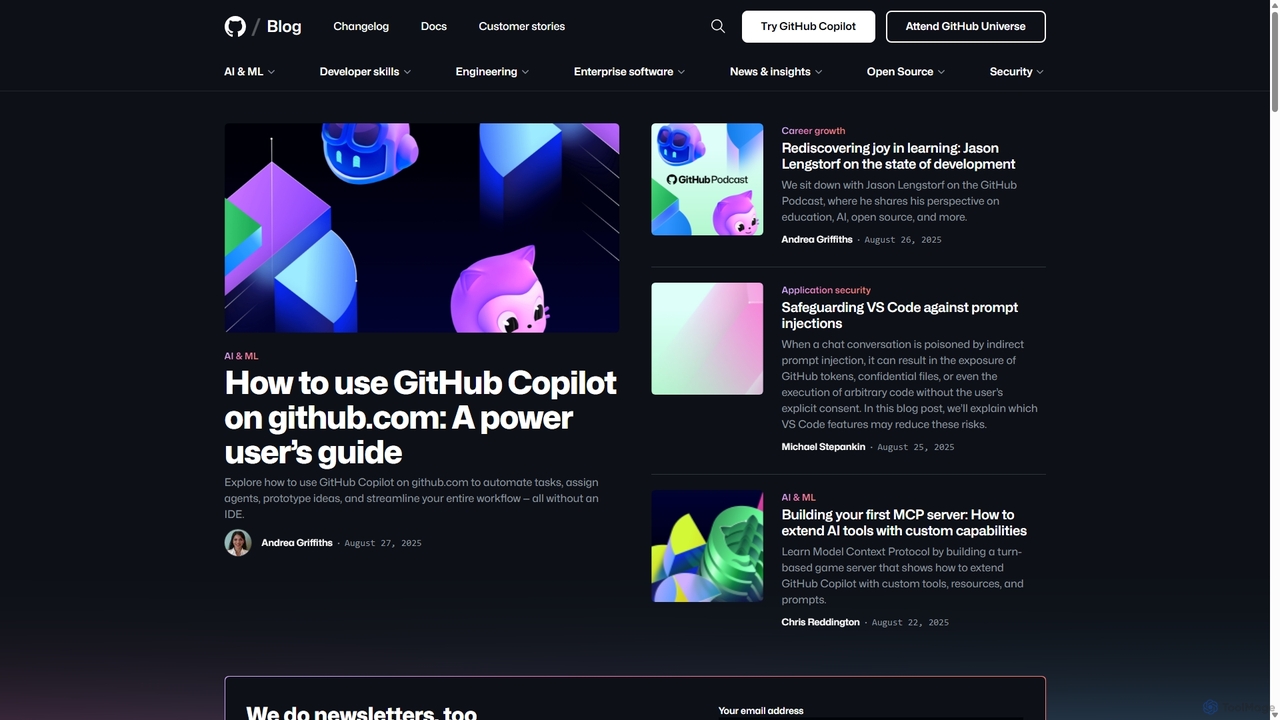
GitHub Copilot
GitHub Copilot is an AI pair programmer that offers intelligent code completions and suggestions directly in your editor. …
GitHub Copilot is an AI pair programmer that offers intelligent code completions and suggestions directly in your editor. It helps you write code faster, learn new languages, and stay in the flow by turning natural language prompts into coding suggestions across dozens of languages.
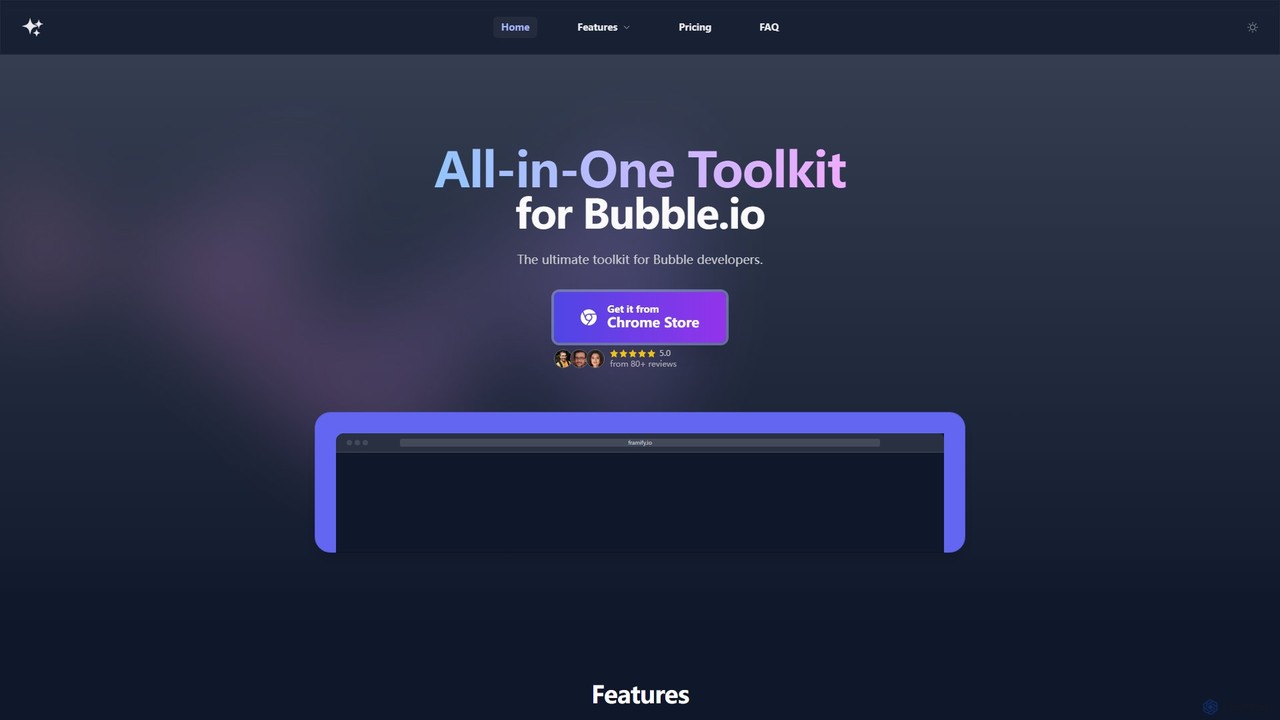
framify
Framify is an all-in-one AI-powered toolkit and component library for Bubble.io and Webflow developers. It accelerates web development …
Framify is an all-in-one AI-powered toolkit and component library for Bubble.io and Webflow developers. It accelerates web development with a vast library of UI components, a Figma to Bubble converter, an AI site builder, and various productivity tools. It's designed to streamline workflows, enhance design, and reduce development time significantly.
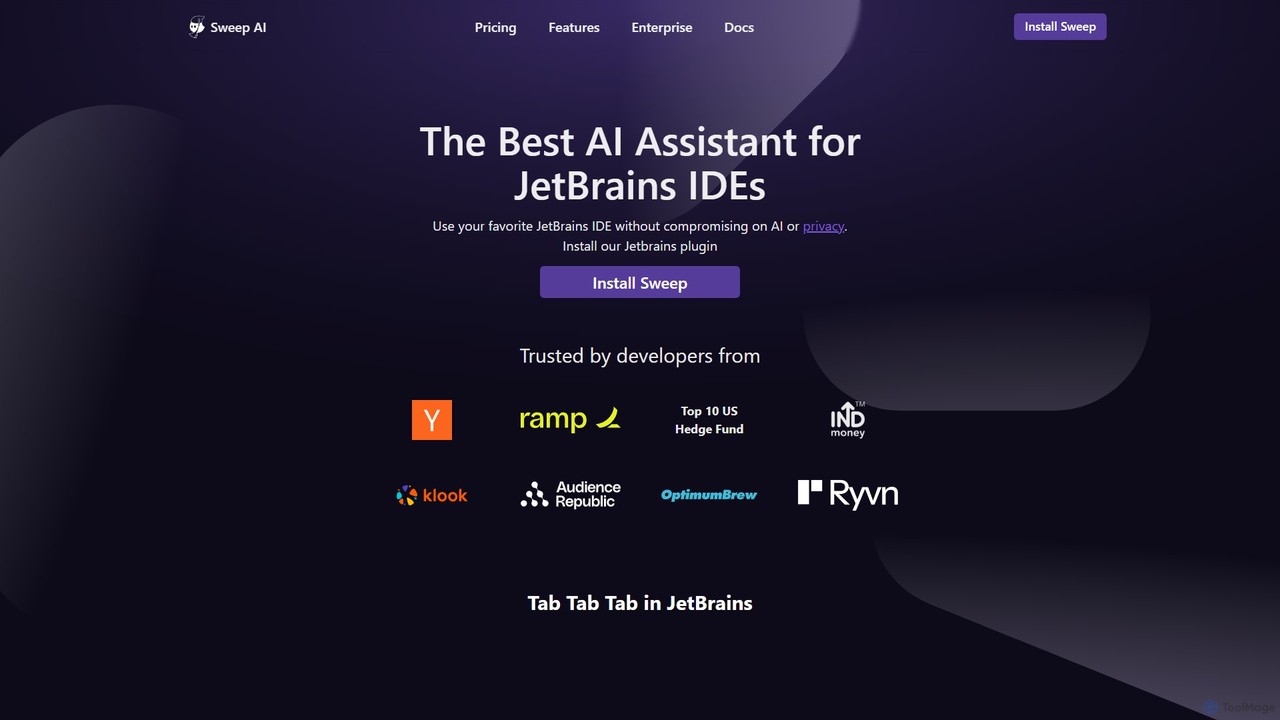
Sweep
Sweep is an AI-powered developer assistant designed as a plugin for JetBrains IDEs. It enhances coding productivity with …
Sweep is an AI-powered developer assistant designed as a plugin for JetBrains IDEs. It enhances coding productivity with intelligent 'next-edit' autocomplete and an AI agent that understands your entire codebase to handle complex, multi-file changes, run tests, and fix bugs. Sweep prioritizes privacy with a zero data retention policy and offers on-premise deployment for enterprises.
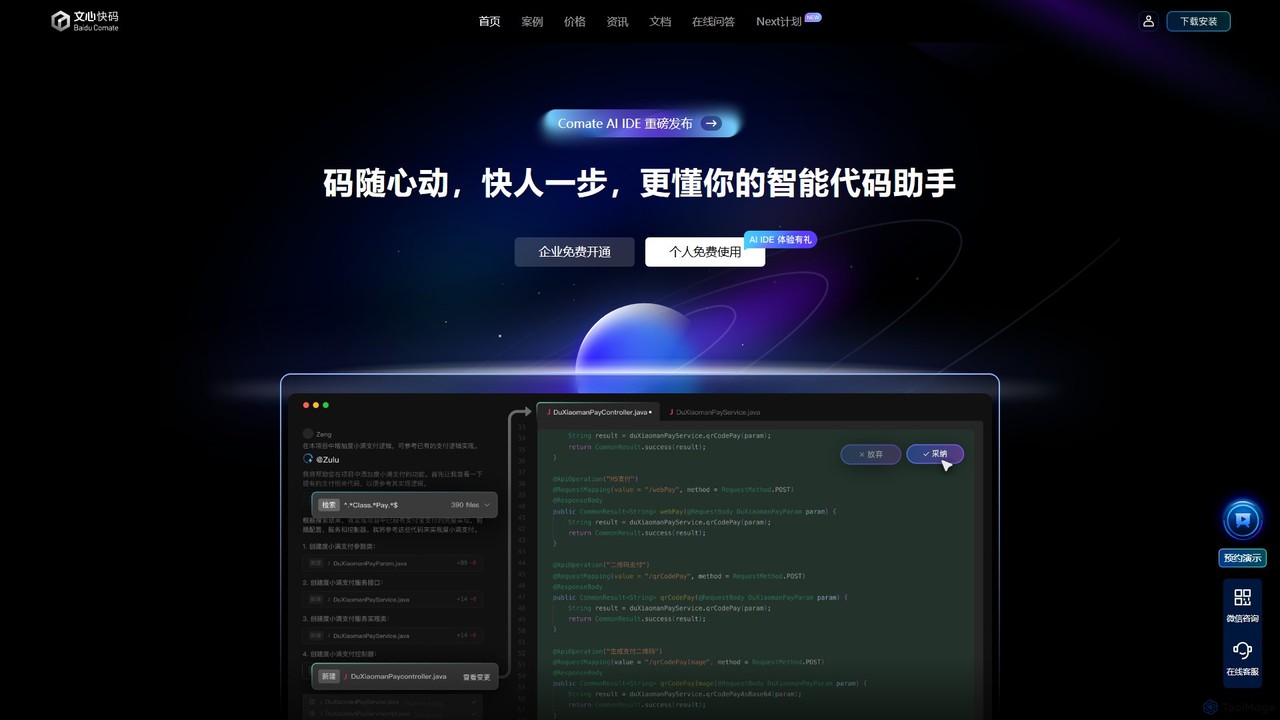
Baidu Comate
Baidu Comate is an intelligent AI code assistant powered by Baidu's Wenxin large language model. It integrates seamlessly …
Baidu Comate is an intelligent AI code assistant powered by Baidu's Wenxin large language model. It integrates seamlessly into IDEs like VS Code and JetBrains to provide real-time code completion, code generation from natural language, bug fixing, and unit test creation, significantly boosting developer productivity.
About Ai
AI tools are advanced software applications that leverage artificial intelligence technologies to perform tasks traditionally requiring human intelligence. These tools are powered by machine learning, deep learning, natural language processing, and computer vision, enabling them to analyze data, learn patterns, make predictions, and generate content. They significantly enhance efficiency, automate complex processes, and unlock new capabilities across various industries.
Core Features
- Natural Language Processing (NLP): Understanding, interpreting, and generating human language for tasks like translation, summarization, and chatbot interactions.
- Computer Vision: Enabling machines to "see" and interpret visual information, used in image recognition, object detection, and video analysis.
- Machine Learning & Predictive Analytics: Identifying patterns in data to make informed predictions and automate decision-making processes.
- Generative AI: Creating new content such as text, images, audio, and video based on learned data patterns.
- Automation & Optimization: Streamlining repetitive tasks, optimizing workflows, and improving operational efficiency across various domains.
Applicable Scenarios
AI tools are indispensable for content creators generating marketing copy or images, businesses seeking to automate customer support with chatbots, data analysts needing to extract insights from large datasets, and developers accelerating code generation. They are also vital in healthcare for diagnostics and drug discovery, and in finance for fraud detection and algorithmic trading.
How to Choose
When selecting an AI tool, consider its specific AI capabilities (e.g., NLP, vision), integration with existing systems, scalability to handle growing demands, data privacy and security protocols, and the level of technical expertise required for implementation and use. Evaluate the accuracy and reliability of its outputs, and compare pricing models to ensure it aligns with your budget and business objectives.
AiUse Cases
Automated Content Creation for Marketing
Marketing teams use AI writing assistants to generate blog posts, social media captions, and ad copy, or AI image generators to create visuals. This accelerates content production, allowing for rapid iteration and personalized messaging across multiple channels, saving significant time and resources.
Enhancing Customer Service with AI Chatbots
Businesses deploy AI-powered chatbots to handle routine customer inquiries 24/7, providing instant support and freeing human agents for complex issues. These chatbots can understand natural language, access knowledge bases, and offer personalized responses, improving customer satisfaction and reducing operational costs.
Data Analysis and Predictive Modeling
Data scientists and business analysts leverage AI tools to process vast datasets, identify hidden trends, and build predictive models for sales forecasts, market behavior, or risk assessment. This enables data-driven decision-making, leading to more strategic planning and competitive advantages.
Personalized Product Recommendations
E-commerce platforms utilize AI algorithms to analyze user browsing history and purchase patterns, offering highly personalized product recommendations. This enhances the shopping experience, increases conversion rates, and drives customer loyalty by presenting relevant items.
Accelerating Software Development
Developers employ AI coding assistants to generate code snippets, debug programs, and refactor existing code. These tools can suggest improvements, automate repetitive coding tasks, and even translate code between languages, significantly boosting productivity and reducing development cycles.
Medical Image Analysis for Diagnostics
Healthcare professionals use AI tools to analyze medical images like X-rays, MRIs, and CT scans, assisting in the early detection of diseases such as cancer or neurological disorders. AI can identify subtle patterns that might be missed by the human eye, leading to more accurate and timely diagnoses.