ToolMage
Sign in

Best 1 Art Marketplace AI tools for Art

Popular Art Marketplace AI tools in Art include DeviantArt, helping you work more efficiently.

DeviantArt
Freemium

DeviantArt

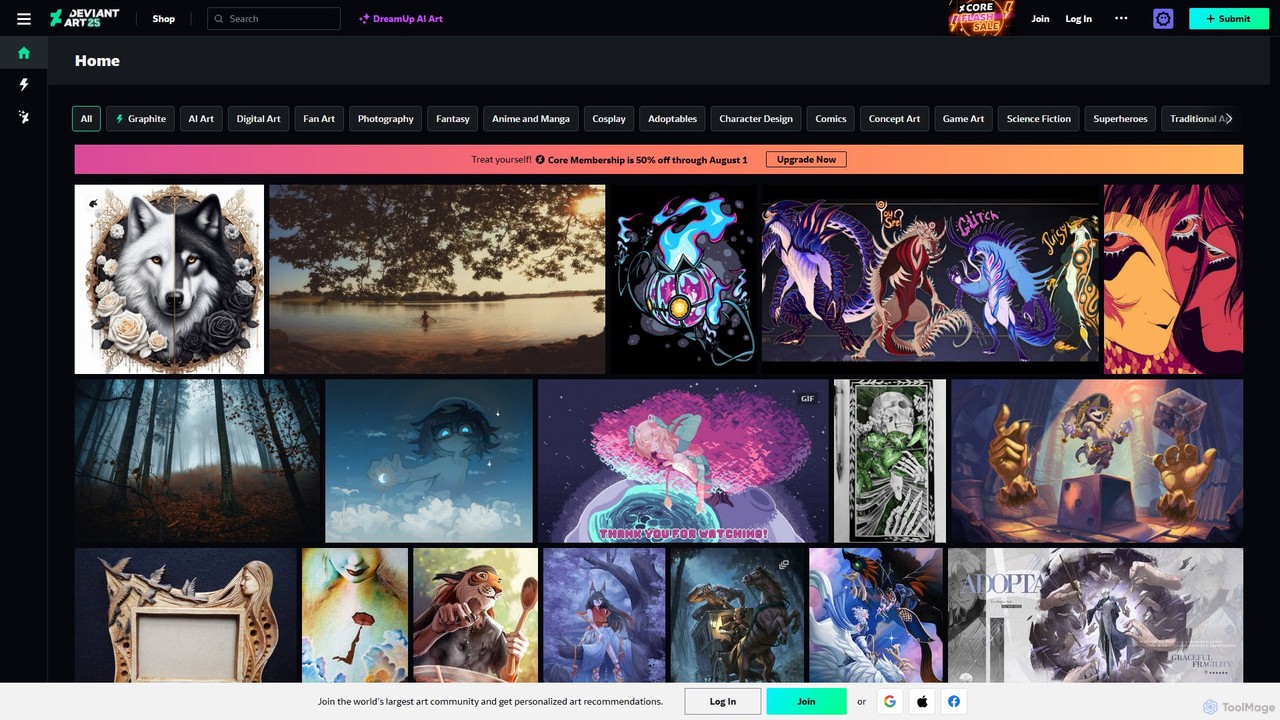
DeviantArt is the world's largest online art community and platform, featuring a vast collection of user-submitted artwork. It now integrates an AI art generator, DreamUp, allowing users to create, share, and discover unique digital art. It serves as a social network for artists and art enthusiasts to connect, learn, and trade.

Ai Art Generator
Visits 97.5MFavorites 117Likes 127

About Art Marketplace

Art Marketplace platforms are online venues dedicated to the discovery, purchase, and sale of art created with artificial intelligence. These platforms connect AI artists with collectors and enthusiasts, often leveraging blockchain technology to verify ownership and provenance through NFTs. They provide a comprehensive ecosystem for artists to mint, list, and manage their digital creations, while offering collectors a curated space to explore and acquire unique generative art. Unlike general art galleries, these marketplaces integrate secure transaction systems and community engagement features, fostering a dedicated economy around AI-generated artwork.

Core Features

  • Artwork Minting & Listing: Enables artists to upload their creations and turn them into unique, tradable digital assets, often as Non-Fungible Tokens (NFTs).
  • Secure Transaction System: Provides integrated payment gateways for both cryptocurrency and traditional fiat currencies to facilitate secure buying and selling.
  • Artist & Collector Profiles: Offers dedicated pages for artists to showcase their portfolios and for collectors to display their acquired collections.
  • Discovery & Curation Tools: Features advanced search, filters (by style, artist, price), and curated collections to help users find new and relevant artwork.
  • Royalty Management: Automatically handles royalty payments to the original artist for secondary sales of their work, ensuring continuous compensation.

Applicable Scenarios

These platforms are essential for digital artists and generative artists seeking to monetize their work and reach a global audience. They are also frequented by digital art collectors, crypto investors, and enthusiasts looking to acquire unique, verifiable digital assets. Additionally, galleries, brands, and marketers use these marketplaces to discover talent and license AI-generated art for commercial projects or virtual exhibitions.

Selection Criteria

When choosing an Art Marketplace, consider the platform's commission fees and royalty structures. Evaluate the underlying blockchain technology for security and transaction costs. Assess the size and engagement level of its community, as a vibrant community can increase visibility. Also, examine the platform's curation quality and its specific focus, as some may specialize in certain art styles like abstract or photorealistic art.

Art Marketplace use cases

1

Monetizing AI-Generated Art Collections

An AI artist, after creating a series of 20 unique generative portraits, uses an Art Marketplace to monetize their work. They connect their digital wallet, upload the high-resolution images, and use the platform's minting tool to create an NFT for each piece on the Ethereum blockchain. They set a fixed price for 15 pieces and schedule a 24-hour auction for the remaining 5 rare editions. The platform's interface allows them to track sales in real-time and automatically receive proceeds, minus a small platform fee. This process transforms their digital creations into valuable, sellable assets accessible to a global collector base.

2

Building a Curated Digital Art Collection

A digital art collector uses a marketplace to discover and acquire new pieces. They utilize the platform's advanced filters to search for art based on specific criteria like 'abstract style', 'blue color palette', and 'created in the last month'. After finding a piece they admire, they review the artist's profile to see their previous work and collector feedback. They then securely purchase the NFT using cryptocurrency from their connected wallet. The artwork is immediately transferred to their ownership and displayed in their public collector profile on the platform, showcasing their growing collection of verified digital art.

3

Discovering Emerging AI Artists

A curator for a digital art gallery is tasked with finding new talent for an upcoming exhibition on 'AI and Nature'. They use an Art Marketplace's discovery features, browsing through curated sections like 'Rising Stars' and 'Featured Artists'. They follow several artists whose work aligns with the theme, engaging with their posts and community discussions. By analyzing sales data and collector interest on the platform, the curator identifies three promising artists. They then use the platform's messaging system to initiate contact, discuss a potential collaboration, and commission exclusive pieces for the exhibition, all within a single, specialized ecosystem.

4

Participating in Exclusive Art Drops and Auctions

An art enthusiast follows a famous AI artist who announces an exclusive 'drop' of a new 5-piece collection on a specific marketplace. The enthusiast sets a reminder and ensures their digital wallet is funded. At the scheduled time, they navigate to the auction page. For two of the pieces, they participate in a fast-paced bidding war, placing bids against other collectors from around the world. They successfully win one auction before the timer runs out. The platform automatically processes the transaction, transferring the NFT to their wallet and the payment to the artist, providing an engaging and competitive way to acquire rare digital art.

5

Licensing AI Art for Commercial Projects

A marketing agency needs unique visuals for a client's new website. Instead of using stock photos, they turn to an AI Art Marketplace. They search for high-resolution, abstract images with a futuristic theme. After finding a suitable artist, they use the platform's licensing feature to purchase the commercial rights for three specific artworks. The platform facilitates the agreement, clearly outlining usage rights and duration. The agency pays the licensing fee through the secure system and receives immediate access to download the full-resolution files, enabling them to incorporate cutting-edge, original art into their commercial design work efficiently.

6

Gauging Market Interest and Building a Following

A new AI artist is experimenting with a novel visual style but is unsure of its market appeal. They create a profile on an Art Marketplace and list a small, experimental collection of three pieces at an accessible price point. They don't focus on immediate sales but on community engagement. They share their creative process in the artwork descriptions and participate in the platform's forums. By monitoring likes, comments, and the number of followers they gain, the artist receives valuable feedback and validation. This data helps them refine their style and build a dedicated following before investing time in a larger, more ambitious collection.

Art Marketplace FAQ

What is an AI Art Marketplace?

An AI Art Marketplace is a specialized online platform designed for buying, selling, and discovering art created using artificial intelligence. Unlike a simple online gallery, it integrates e-commerce functionalities, allowing artists to list their works and collectors to purchase them securely. Many of these marketplaces are built on blockchain technology, using Non-Fungible Tokens (NFTs) to certify the authenticity and ownership of each digital artwork. They serve as a crucial hub connecting AI artists with a global audience of collectors and art enthusiasts.

How do I choose the right Art Marketplace?

Choosing the right Art Marketplace depends on your goals. Consider these factors:

  • Fees and Royalties: Compare platform commissions on primary sales and the percentage of royalties you receive on secondary sales.
  • Community and Traffic: A larger, more active community can mean more potential buyers and better visibility for your art.
  • Blockchain and Currency: Check which blockchain the platform uses (e.g., Ethereum, Tezos) as this affects gas fees and accessibility. Also, see if it supports fiat currency transactions if you prefer not to use crypto.
  • Curation and Style: Some platforms are highly curated or focus on specific art styles (e.g., abstract, generative). Choose one that aligns with your artistic aesthetic.
What's the difference between an AI Art Generator and an Art Marketplace?

The key difference lies in their function: creation versus commerce. An AI Art Generator (like Midjourney or Stable Diffusion) is a tool used to create new images from text prompts or other inputs. Its purpose is the production of art. An Art Marketplace is a platform used to sell, buy, and display art that has already been created. It provides the infrastructure for transactions, artist discovery, and collection management. In short, you use a generator to make the art, and then you might use a marketplace to sell it.

Do I need to understand cryptocurrency and NFTs to use these platforms?

A basic understanding is highly beneficial, as many leading Art Marketplaces are built on blockchain technology. Most transactions, especially for high-value pieces, are conducted in cryptocurrencies like Ethereum (ETH). NFTs (Non-Fungible Tokens) are the standard method for verifying the ownership and authenticity of digital art. You will typically need a digital wallet (like MetaMask) to interact with these platforms. However, recognizing the barrier to entry, some newer platforms are beginning to integrate traditional payment methods (like credit cards) to make them more accessible to a wider audience.

Who are the primary users of AI Art Marketplaces?

The user base for AI Art Marketplaces is diverse and growing. The primary groups include:

  • AI Artists & Generative Artists: Creators who use AI tools to produce art and need a platform to showcase and sell their work.
  • Digital Art Collectors: Individuals who are passionate about new media art and invest in digital assets, often with an interest in technology's role in creativity.
  • Crypto Investors: People who see AI-generated NFTs as a new asset class for investment and portfolio diversification.
  • Galleries and Curators: Professionals looking to discover new talent and feature AI art in digital or physical exhibitions.
  • Brands and Marketers: Companies seeking unique, cutting-edge visuals for advertising, branding, and digital content.