ToolMage
Sign in

Best 221 Image Generation AI tools for Art

Popular Image Generation AI tools in Art include OpenAI, Dreamina, PicWish, NightCafe Creator, Imagine, Remaker AI, Yiyan, MetaMoviegen, Magic Light AI, and Vexels, helping you work more efficiently.

Depthtale
Freemium

Depthtale

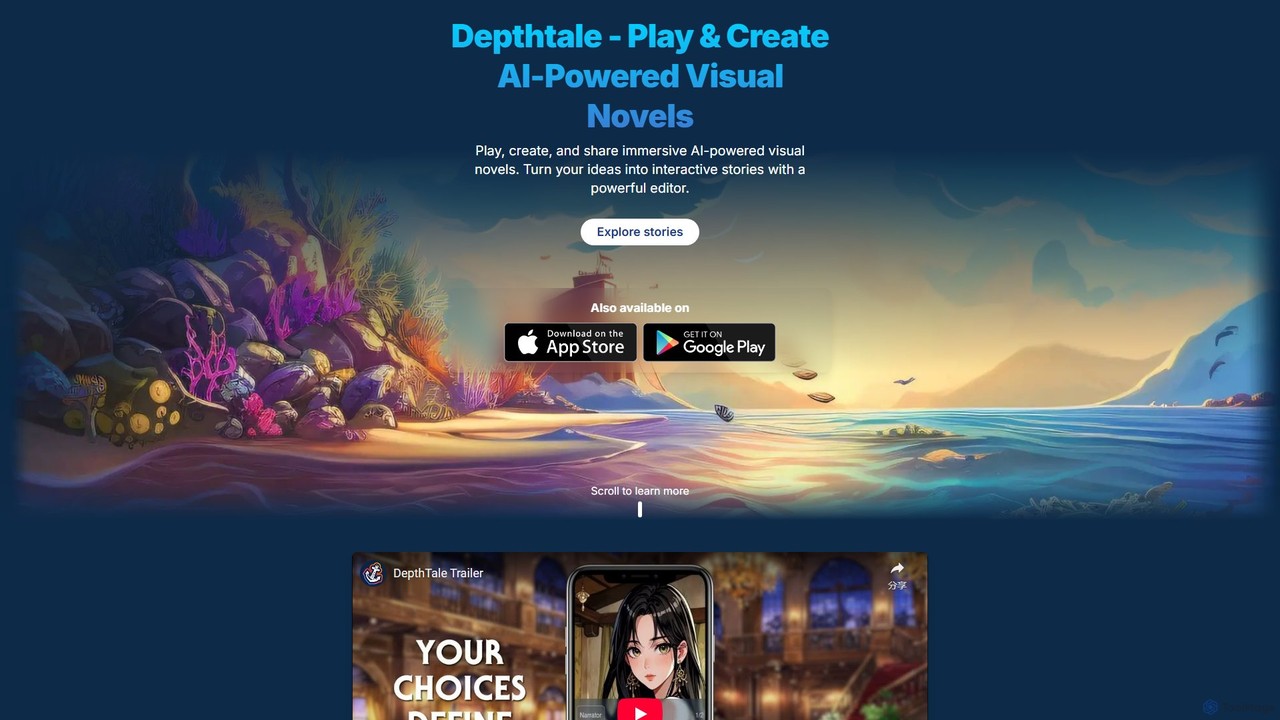
Depthtale is an AI-powered platform for creating and playing interactive visual novels. It combines traditional storytelling with point-and-click adventure elements, allowing creators to build immersive worlds with AI-generated art and readers to experience narratives shaped by their choices.

Image Generation
Visits 8.1KFavorites 166Likes 149
Story Machine
Freemium

Story Machine

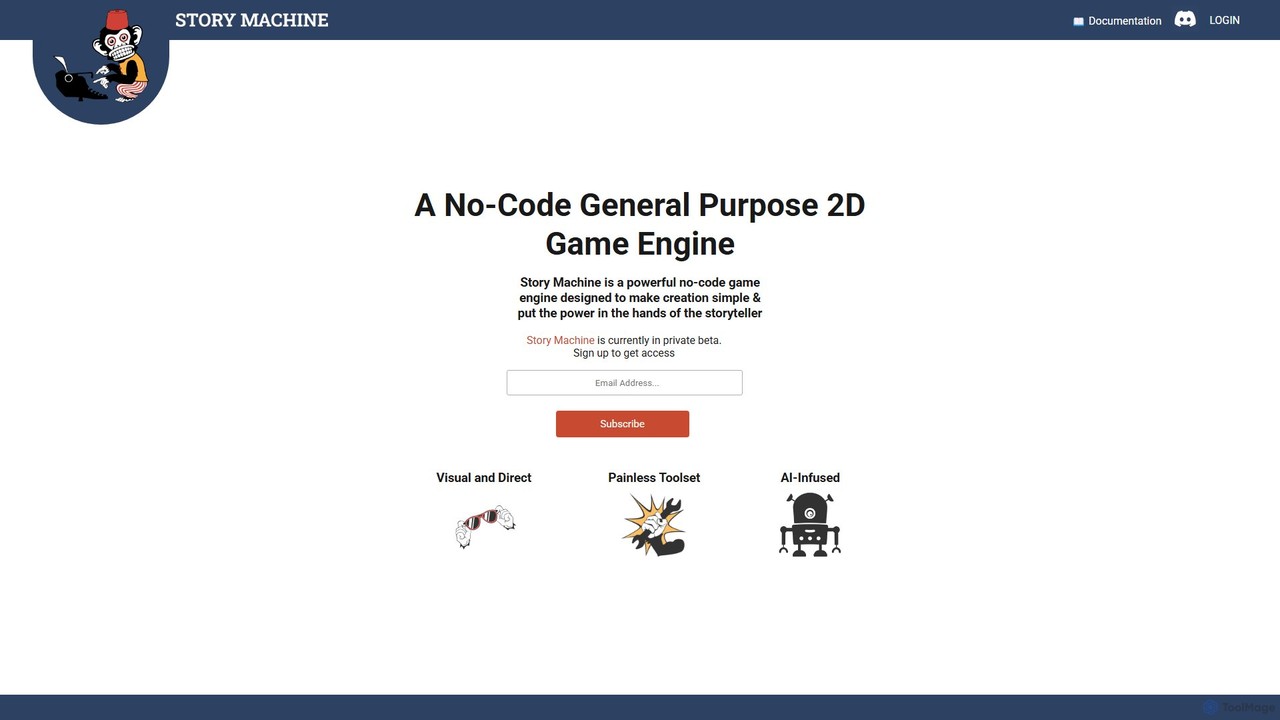
Story Machine is a powerful no-code 2D game engine designed for storytellers. It features a visual drag-and-drop interface, an integrated AI art generator for creating characters and backgrounds from prompts, and a streamlined toolset. This allows anyone to build interactive 2D adventure games and visual novels without writing a single line of code, focusing purely on creativity and narrative.

Image Generation
Visits 6.3KFavorites 160Likes 151
RPGGO
Freemium

RPGGO

RPGGO is an AI-powered, no-code platform for creating and playing text-based RPGs. It leverages a sophisticated AI game engine to generate dynamic narratives, intelligent NPCs with memory, and real-time visuals and audio, making game development accessible to everyone.

Image Generation
Visits 19.9KFavorites 142Likes 124
m00d
Free

m00d

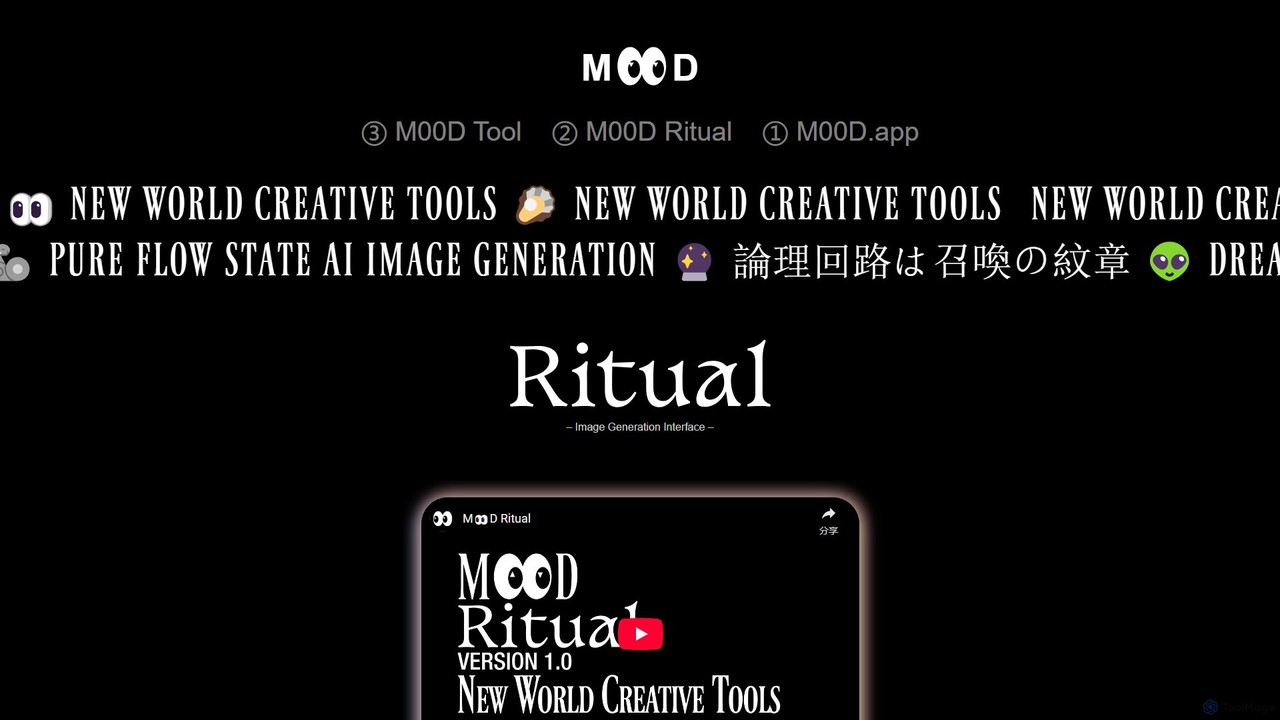
m00d is a powerful, locally-run AI image generation suite for creative professionals. It offers a sophisticated interface for Stable Diffusion (SDXL & 1.5), featuring text-to-image, inpainting, and upscaling. Its unique advantages include a collaborative multiplayer mode, a timeline-based workflow, and the ability to pool GPU resources from multiple machines for accelerated rendering. It's a free, downloadable application for Windows (NVIDIA) and Mac (Apple Silicon), built for a pure 'flow state' creative experience.

Image Generation
Visits 5.9KFavorites 141Likes 137
ColorBliss
Freemium

ColorBliss

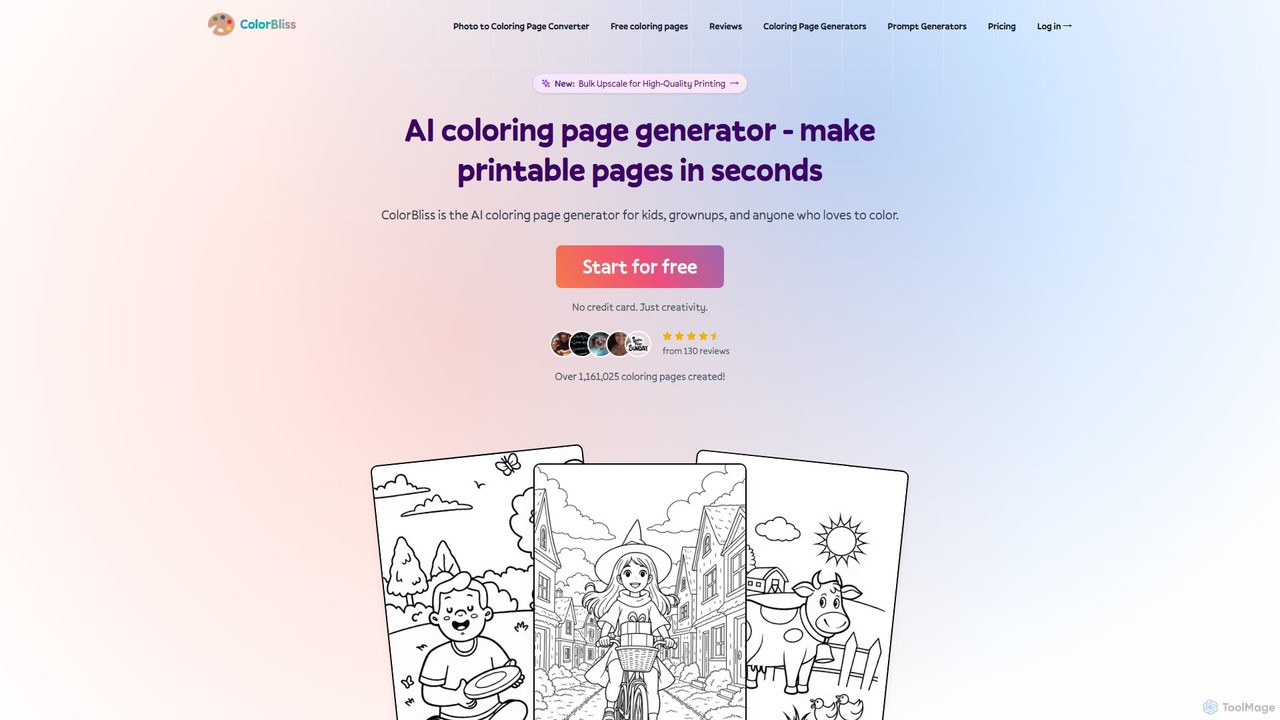
ColorBliss is a leading AI-powered coloring page generator that allows users to create unique, printable coloring sheets in seconds. Turn text prompts, photos, or even simple sketches into detailed line art. Perfect for parents, teachers, artists, and anyone who loves to color.

Image Generation
Visits 81.1KFavorites 144Likes 119

About Image Generation

Image Generation tools are a category of AI-powered software within the broader field of AI Art, designed to create novel visual content from various inputs. Leveraging advanced deep learning models like GANs and Diffusion Models, these tools can transform text prompts, existing images, or even sketches into high-quality, unique graphics, illustrations, and photographs. They empower creators, marketers, and designers to rapidly visualize ideas, produce diverse visual assets, and overcome creative blocks, significantly accelerating content production workflows.

Core Features

  • Text-to-Image Synthesis: Generate detailed images from descriptive text prompts.
  • Image-to-Image Transformation: Modify existing images based on new prompts or style transfers.
  • Style Transfer: Apply artistic styles from one image to another.
  • Inpainting & Outpainting: Fill missing parts of an image or extend its boundaries seamlessly.
  • Compositional Control: Guide image generation with structural inputs like sketches or depth maps.

Use Cases

These tools are invaluable across various creative and commercial sectors. Graphic designers use them to quickly prototype visual concepts and explore diverse artistic directions. Marketing teams generate unique ad creatives and social media visuals tailored to specific campaigns without extensive photography or illustration. Game developers leverage image generation for rapid concept art creation, iterating on character designs, environments, and assets efficiently.

How to Choose

When selecting an AI image generation tool, consider the desired output quality and resolution, as different models excel in various styles. Evaluate the level of control offered, from simple text prompts to advanced parameters for composition and style. Assess the speed of generation, pricing models (subscription vs. pay-per-use), and integration capabilities with existing creative workflows. Finally, review the licensing terms for commercial use of generated images.

Featured tool rankings

Image Generation use cases

1

Generate Unique Marketing Ad Creatives

Marketing professionals and advertisers can utilize AI image generation to produce a wide array of visually striking ad creatives. By inputting specific product descriptions, target audience demographics, and desired emotional tones, they can rapidly generate multiple image variations for A/B testing across different platforms. This process significantly reduces the time and cost associated with traditional photography or graphic design, allowing for more dynamic and personalized campaign visuals.

2

Design Concept Art for Game Development

Game artists and developers can accelerate their pre-production phase by using AI image generators to create concept art for characters, environments, and props. Instead of manual sketching, they can input textual descriptions or rough sketches to instantly visualize diverse interpretations of their ideas. This enables faster iteration on visual styles, character moods, and environmental settings, streamlining the creative exploration process before committing to detailed 3D modeling or illustration.

3

Create Engaging Social Media Visuals

Social media managers and content creators frequently need fresh, engaging visuals to capture audience attention. AI image generation tools allow them to quickly produce custom graphics for posts, stories, and banners that align with current trends or specific brand aesthetics. From abstract backgrounds to thematic illustrations, these tools provide an endless supply of unique imagery, helping maintain a consistent and dynamic online presence without relying on stock photo libraries.

4

Visualize Product Design Variations

Product designers and engineers can employ AI image generation to rapidly visualize different design iterations and material applications for new products. By providing basic 3D models or textual descriptions, they can generate photorealistic renderings of various colors, textures, and forms. This capability aids in early-stage design exploration, client presentations, and internal reviews, allowing for quicker feedback cycles and more informed design decisions before physical prototyping.

5

Develop Unique Fashion & Textile Patterns

Fashion designers and textile artists can leverage AI image generators to explore innovative patterns, prints, and fabric textures. By describing desired motifs, color palettes, or historical influences, they can generate novel design concepts that push creative boundaries. This facilitates the rapid creation of mood boards, collection themes, and unique textile designs, offering a fresh approach to fashion illustration and product development.

6

Illustrate Blog Posts and Articles

Bloggers, journalists, and content writers often struggle to find relevant and unique imagery for their articles. AI image generation provides a solution by allowing them to create custom illustrations or header images that perfectly match the tone and topic of their written content. This ensures visual consistency, enhances reader engagement, and avoids copyright issues associated with generic stock photos, making content more distinctive and professional.

Image Generation FAQ

What are AI Image Generation tools?

AI Image Generation tools are advanced software applications that use artificial intelligence, primarily deep learning models like Diffusion Models, to create new images from various inputs. These inputs can range from descriptive text prompts (text-to-image) to existing images (image-to-image transformation) or even simple sketches. They are designed to produce unique visual content, from photorealistic images to abstract art, significantly expanding creative possibilities for users.

How do AI Image Generators differ from AI Image Editors?

AI Image Generators focus on creating entirely new visual content from scratch or transforming existing inputs into novel outputs, such as turning text into a landscape or a sketch into a painting. In contrast, AI Image Editors primarily enhance, modify, or manipulate existing images, performing tasks like background removal, object retouching, color correction, or upscaling. While both use AI, generators are for creation, and editors are for refinement and alteration.

What types of images can AI Image Generators create?

AI Image Generators are highly versatile and can create a vast array of image types. This includes photorealistic images of people, objects, and landscapes; various artistic styles like paintings, illustrations, and cartoons; abstract designs; concept art for games or films; product mockups; and even unique patterns or textures. The output quality and style largely depend on the specific AI model used and the clarity of the user's input prompts.

Who benefits most from using AI Image Generation tools?

A wide range of professionals and hobbyists benefit from AI Image Generation tools. This includes graphic designers seeking rapid prototyping and inspiration, marketing teams needing diverse ad creatives, content creators requiring unique visuals for blogs and social media, game developers designing concept art, and artists exploring new digital mediums. Anyone needing to quickly visualize ideas or produce custom visual content at scale can find these tools invaluable.

What factors should I consider when choosing an AI Image Generator?

When selecting an AI Image Generator, consider several key factors. First, evaluate the quality and style of the generated images to ensure they align with your aesthetic needs. Second, assess the level of control offered, from simple text prompts to advanced parameters for fine-tuning composition and details. Third, look into the speed of generation and the cost structure (e.g., free tiers, subscription models, credit systems). Finally, check the licensing terms for commercial use and the community support available for the tool.