ToolMage
Sign in

Best 1 In Car Entertainment AI tools for Automotive

Popular In Car Entertainment AI tools in Automotive include SoundHound AI, helping you work more efficiently.

SoundHound AI
Paid

SoundHound AI

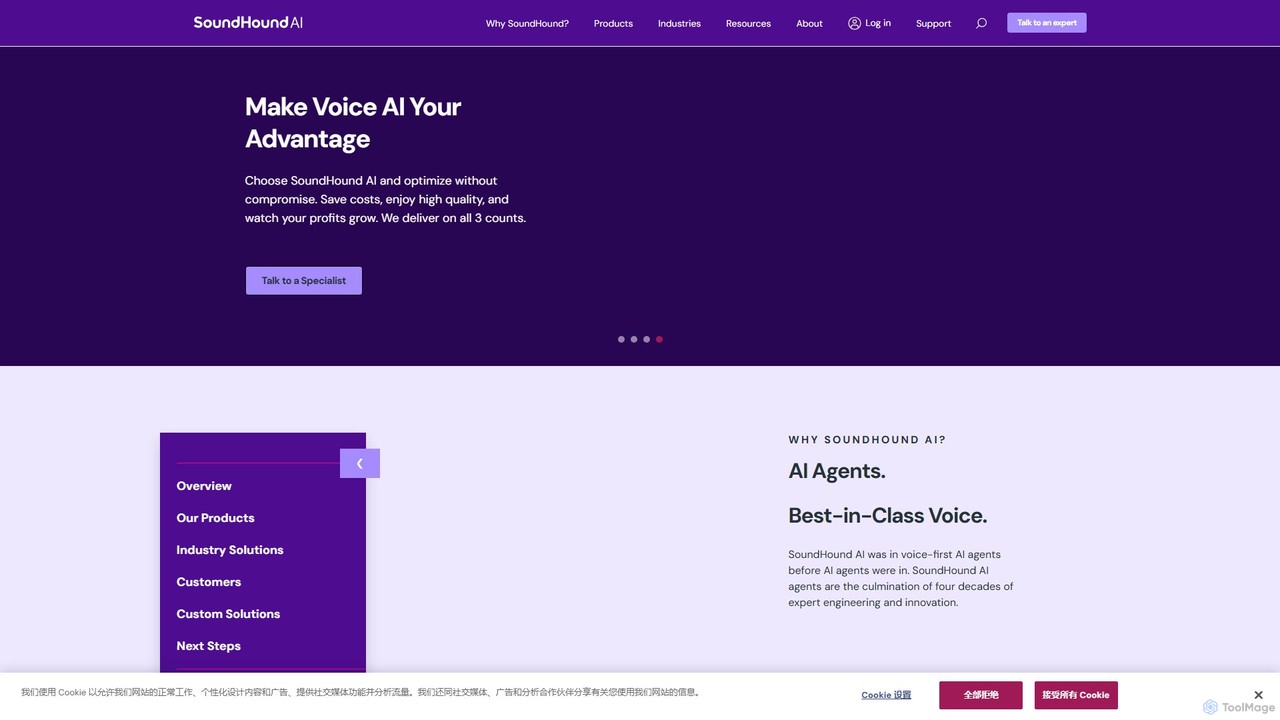
SoundHound AI is a leading independent voice AI platform for enterprises, enabling the creation of advanced conversational agents. Leveraging decades of expertise, it offers custom solutions for automotive, restaurants, customer service, and more, focusing on high accuracy, data sovereignty, and enhanced user experiences.

In Car Entertainment
Visits 623.9KFavorites 116Likes 136

About In Car Entertainment

In Car Entertainment tools are AI-powered systems designed to enhance the driving and passenger experience through advanced multimedia and interactive features. These systems leverage AI for personalized content recommendations, voice control, and seamless integration with smart devices, transforming vehicles into connected, intelligent hubs for information and amusement. They offer a rich array of audio, video, and connectivity options, making journeys more enjoyable and productive.

Core Features

  • AI-Powered Voice Assistants: Enable hands-free control for navigation, music, calls, and vehicle functions, enhancing safety and convenience.
  • Personalized Media Streaming: AI algorithms recommend music, podcasts, and videos based on user preferences and journey context.
  • Advanced Navigation & Traffic: Provide real-time traffic updates, optimized routes, and predictive arrival times using AI analysis.
  • Multi-Zone Entertainment: Allows different content to be played simultaneously for various passengers, catering to individual preferences.
  • Seamless Device Integration: Connects effortlessly with smartphones, tablets, and smart home devices for extended functionality and control.

Use Cases

These tools are primarily used by daily commuters, long-distance travelers, and families with children to alleviate boredom and enhance convenience during journeys. They are also adopted by ride-sharing services to offer premium passenger experiences and by automotive manufacturers to differentiate their vehicle models with cutting-edge technology.

How to Choose

When selecting an In Car Entertainment system, consider its compatibility with your vehicle and existing smart devices, the breadth of its AI features like voice control and personalization, and the quality of its display and audio output. Evaluate its connectivity options (4G/5G, Wi-Fi, Bluetooth), ease of software updates, and the availability of third-party app integrations to ensure a future-proof and versatile experience.

In Car Entertainment use cases

1

Personalized Commute Experience

A daily commuter uses AI-powered music recommendations to discover new playlists tailored to their mood and driving style, making their routine journey more engaging. The system learns preferences over time, automatically curating content and reducing the need for manual selection, saving time and enhancing enjoyment during the drive.

2

Family Road Trip Entertainment

Parents utilize multi-zone entertainment systems to allow children in the back seats to watch different movies or play games on integrated screens, while adults listen to podcasts or navigation instructions upfront. This prevents arguments and keeps all passengers happily occupied during long drives, ensuring a peaceful and enjoyable journey for the entire family.

3

Hands-Free Navigation & Communication

A busy professional leverages the AI voice assistant to set navigation destinations, make hands-free calls, and send messages without taking their eyes off the road. This enhances safety and productivity, allowing them to manage their schedule and stay connected while driving, minimizing distractions and ensuring focus on the road ahead.

4

Enhanced Ride-Sharing Passenger Experience

Ride-sharing drivers offer passengers access to a curated selection of streaming content or interactive games via an in-car entertainment tablet. This premium offering improves passenger satisfaction, potentially leading to higher ratings and repeat business, differentiating the service from competitors and creating a more memorable journey for customers.

5

Integrated Smart Home Control

Before arriving home, a driver uses the in-car entertainment system's voice assistant to remotely control smart home devices, such as adjusting the thermostat, turning on lights, or opening the garage door. This seamless integration extends convenience from the home to the vehicle, streamlining daily routines and ensuring a comfortable arrival.

6

Real-time Vehicle Information & Diagnostics

Drivers monitor real-time vehicle performance data, fuel efficiency, and diagnostic alerts displayed on the central entertainment screen. AI can analyze driving patterns and provide tips for more economical driving or alert to potential maintenance needs, promoting vehicle longevity and safety by keeping the driver informed and proactive.

In Car Entertainment FAQ

What are In Car Entertainment systems?

In Car Entertainment systems are integrated vehicle technologies that provide multimedia, connectivity, and interactive features to drivers and passengers. They often incorporate AI for voice control, personalized content, and advanced navigation, transforming the vehicle cabin into a connected and engaging environment for travel, communication, and leisure.

How do AI features enhance In Car Entertainment?

AI features significantly enhance In Car Entertainment by enabling personalized experiences, hands-free operation, and intelligent assistance. This includes AI voice assistants for intuitive control, machine learning for tailored media recommendations, predictive navigation based on real-time data, and advanced driver assistance features integrated with the entertainment system, making interactions more natural and efficient.

What is the difference between factory-installed and aftermarket In Car Entertainment systems?

Factory-installed In Car Entertainment systems are integrated into the vehicle's design by the manufacturer, often offering seamless aesthetics and deep vehicle system integration. Aftermarket systems are installed later, providing more customization options, potentially newer technology, and broader compatibility with various vehicle models, though integration might be less seamless and require professional installation.

What connectivity options are common in modern In Car Entertainment?

Modern In Car Entertainment systems commonly offer a range of connectivity options including Bluetooth for smartphone pairing, Wi-Fi hotspots for internet access, USB ports for media playback and charging, and increasingly, 4G/5G cellular connectivity for streaming services and over-the-air updates. Apple CarPlay and Android Auto are also standard for seamless smartphone mirroring and app integration.

Who benefits most from advanced In Car Entertainment systems?

Advanced In Car Entertainment systems benefit a wide range of users, including daily commuters seeking to make their journeys more enjoyable and productive, families needing to keep children entertained on long trips, and professionals requiring hands-free communication and navigation. Ride-sharing services also benefit by offering a premium experience to their passengers, enhancing customer satisfaction and loyalty.