Automotive Best in category 2 results Vehicle Maintenance AI Tool

Popular AI tools in the Vehicle Maintenance field of Automotive include Treads、Tire Robot, etc., helping you quickly improve efficiency.

Free
Tire Robot

Tire Robot

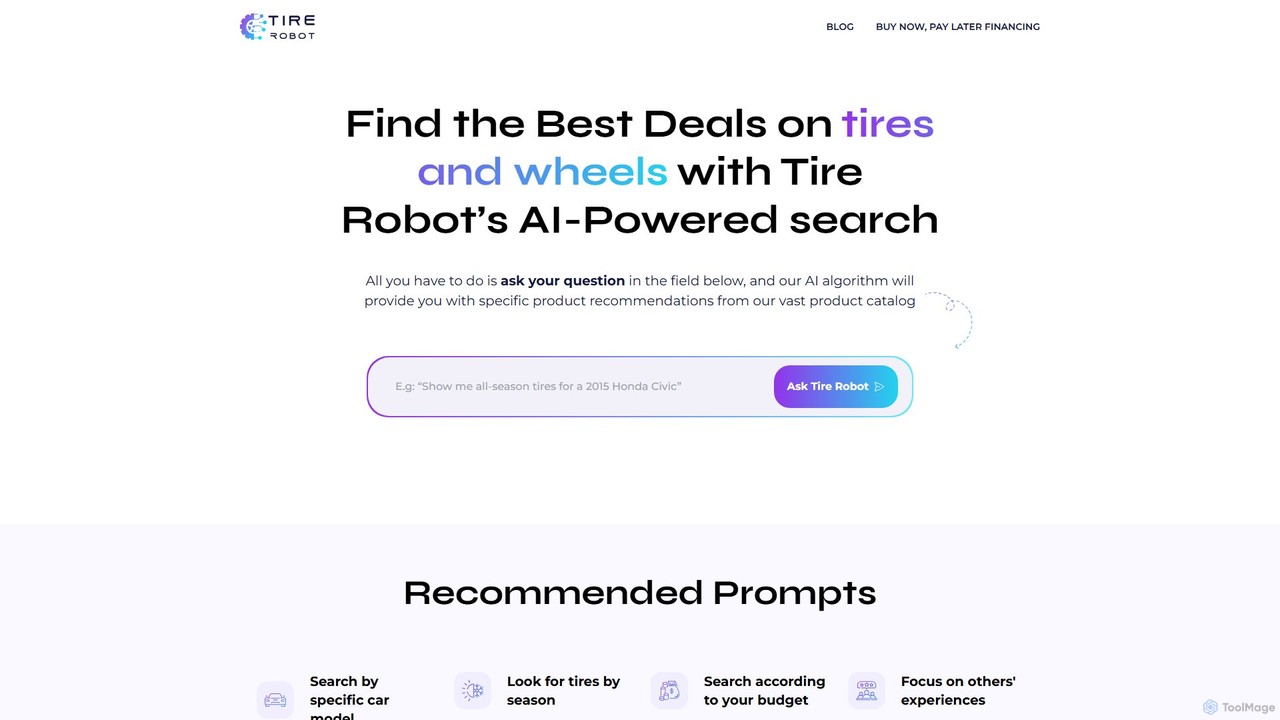
Tire Robot is a specialized AI-powered search engine designed to simplify the process of finding the best deals …

3.7K
Treads

Treads

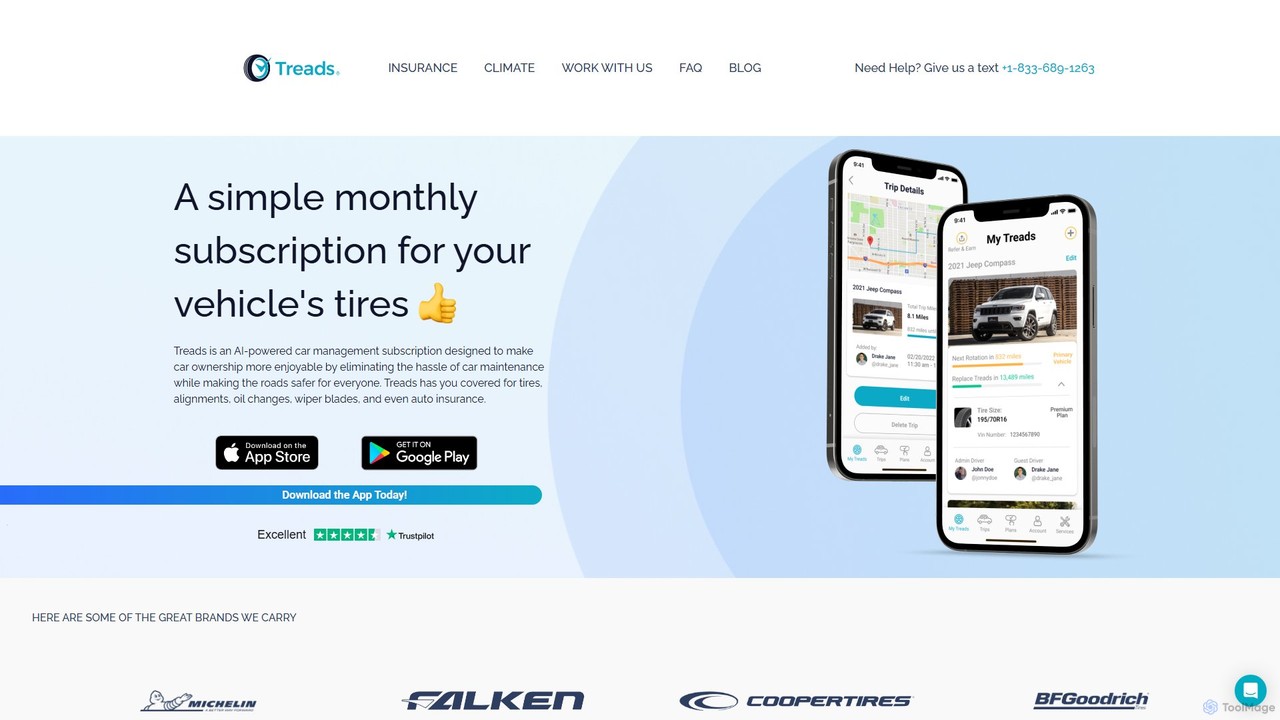
Treads is an AI-powered car management subscription that simplifies vehicle ownership. For a fixed monthly fee, it provides …

9.3K

About Vehicle Maintenance

AI Vehicle Maintenance tools are a specialized class of software that uses artificial intelligence to diagnose, predict, and manage vehicle health. These tools analyze data from sensors, sounds, and images to identify potential issues before they become critical failures. Their primary value lies in shifting vehicle care from a reactive to a proactive model, enhancing reliability and reducing long-term costs. This technology empowers mechanics and owners with precise insights, streamlining the entire maintenance workflow.

Core Features

  • Predictive Failure Analysis: Analyzes real-time sensor data (OBD-II, telemetry) to forecast component failures like battery degradation or engine trouble.
  • Acoustic Diagnostics: Uses AI to listen to engine and component sounds to detect anomalies such as misfires or bearing wear.
  • Visual Damage Assessment: Employs computer vision to scan a vehicle's exterior and identify dents, scratches, and other cosmetic damage automatically.
  • AI-Guided Repair Instructions: Provides mechanics with interactive, step-by-step guidance for complex repairs, sometimes using augmented reality.
  • Smart Maintenance Scheduling: Creates dynamic service schedules based on actual vehicle usage and condition, rather than fixed mileage intervals.

Use Cases

These tools are widely used in professional auto repair shops to accelerate diagnostics and improve accuracy. Fleet management companies rely on them for predictive maintenance to maximize vehicle uptime and control operational costs. Additionally, insurance companies use visual assessment features to standardize and expedite claims processing.

How to Choose

When selecting an AI Vehicle Maintenance tool, consider its vehicle compatibility and the range of models it supports. Evaluate the accuracy of its diagnostic and predictive algorithms. Assess its integration capabilities with existing workshop management software. Finally, consider the user interface's ease of use for technicians and the quality of customer support provided.

Vehicle MaintenanceUse Cases

1

Predictive Failure Analysis for Fleet Vehicles

A fleet manager for a logistics company uses an AI maintenance platform to monitor their 200-vehicle fleet. The system continuously analyzes OBD-II and telemetry data from each truck. It flags a specific vehicle for potential brake failure within the next 500 miles based on subtle changes in hydraulic pressure and pad wear sensor data. The manager schedules proactive maintenance, replacing the brake pads before a failure occurs on the road, preventing costly downtime and a potential accident.

2

AI-Assisted Engine Sound Diagnostics

A mechanic in a busy workshop is trying to diagnose a faint, intermittent engine noise. They use an AI diagnostic app on a smartphone, placing the microphone near the engine. The app records the sound, filters out background noise, and compares the acoustic signature to a vast database of known engine problems. The AI identifies a pattern consistent with early-stage timing chain wear, a diagnosis that would have been difficult and time-consuming to confirm manually. This allows for a quick and accurate repair quote.

3

Automated Body Damage Inspection for Insurance Claims

An insurance adjuster receives photos of a damaged vehicle from a policyholder. Instead of manually inspecting each photo, they upload the images to an AI platform. The computer vision algorithm automatically detects, categorizes, and measures the severity of dents, scratches, and panel misalignment. Within minutes, it generates a detailed report with estimated repair costs based on standard industry rates, standardizing the assessment process and reducing the claim processing time from days to hours.

4

DIY Repair Guidance with Augmented Reality

A car enthusiast wants to replace the spark plugs on their vehicle for the first time. They use an AI maintenance app that features augmented reality (AR) guidance. By pointing their phone's camera at the engine bay, the app overlays digital instructions and highlights directly onto the live view. It shows exactly which bolts to remove, the correct sequence, and highlights the location of each spark plug. This visual, interactive guidance reduces the risk of error and empowers the user to perform the maintenance confidently and correctly.

5

Tire Wear Analysis Using Computer Vision

A service center technician uses a tablet with an AI application to inspect a customer's tires. They perform a quick scan of each tire's tread. The computer vision model analyzes the images, measures tread depth across multiple points, and identifies patterns of uneven wear, such as camber or toe wear. The app generates a visual report showing the tire condition and automatically recommends a wheel alignment service. This provides the customer with a clear, data-driven reason for the recommended service, increasing trust and service uptake.

6

Optimizing Maintenance for Rental Car Fleets

A manager at a car rental agency needs to maximize vehicle availability. Instead of using a fixed 5,000-mile service interval, they implement an AI system that creates dynamic schedules. The AI analyzes driving data for each car, considering factors like frequent short trips, aggressive driving, and climate conditions. A car driven mostly on highways might have its oil change interval extended to 7,000 miles, while a city-driven car might be flagged for service at 4,000 miles. This data-driven approach reduces unnecessary servicing and keeps more cars available for rental.

Vehicle MaintenanceFrequently Asked Questions