ToolMage
Sign in

Best 8 Beauty AI tools

Popular Beauty AI tools include MDhair, Longhair, eye_shapes, Vera, Hairfilter, GoodLooks, Postplus, and FaceHair, helping you work more efficiently.

Postplus
Free

Postplus

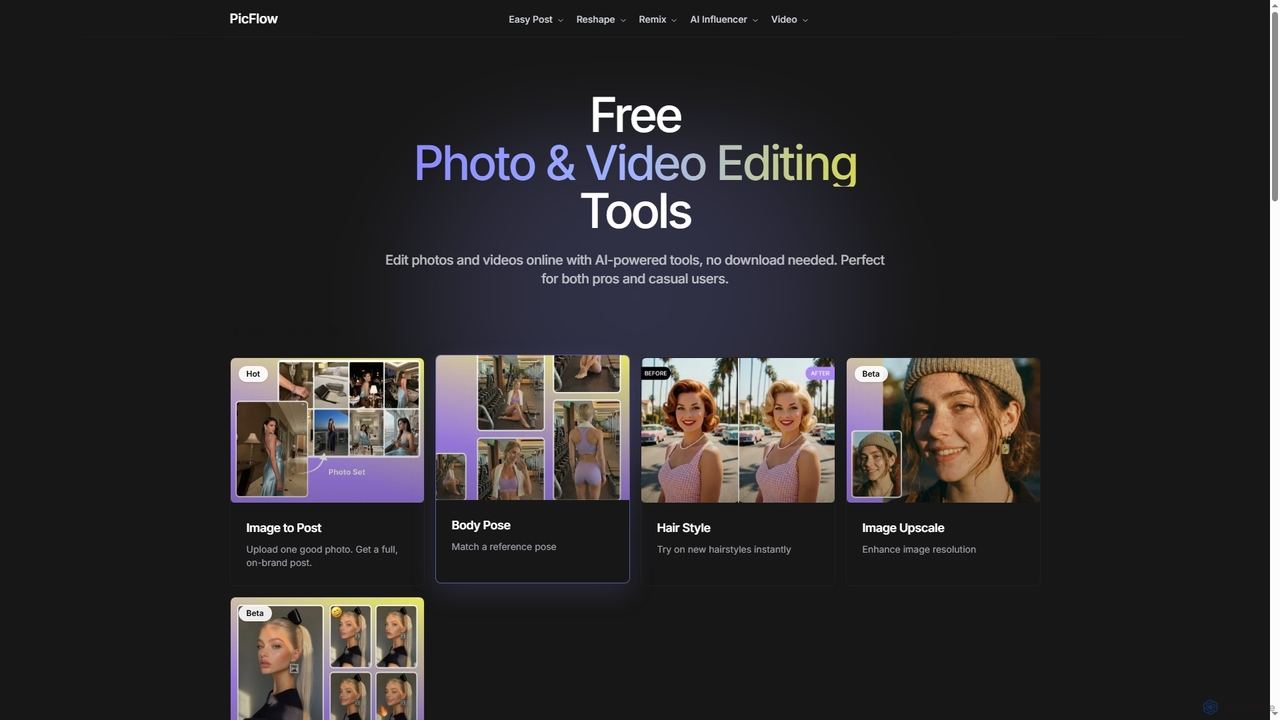
Postplus (also known as PicFlow) is a free, AI-powered online platform offering a comprehensive suite of photo and video editing tools. Designed for both professionals and casual users, it helps create stunning social media content without requiring any downloads. From virtual hairstyle try-ons and body reshaping to intelligent image-to-post generation and video templates, Postplus simplifies content creation with advanced AI capabilities.

Virtual Try On
Visits 4.9KFavorites 42Likes 42
Vera

Vera

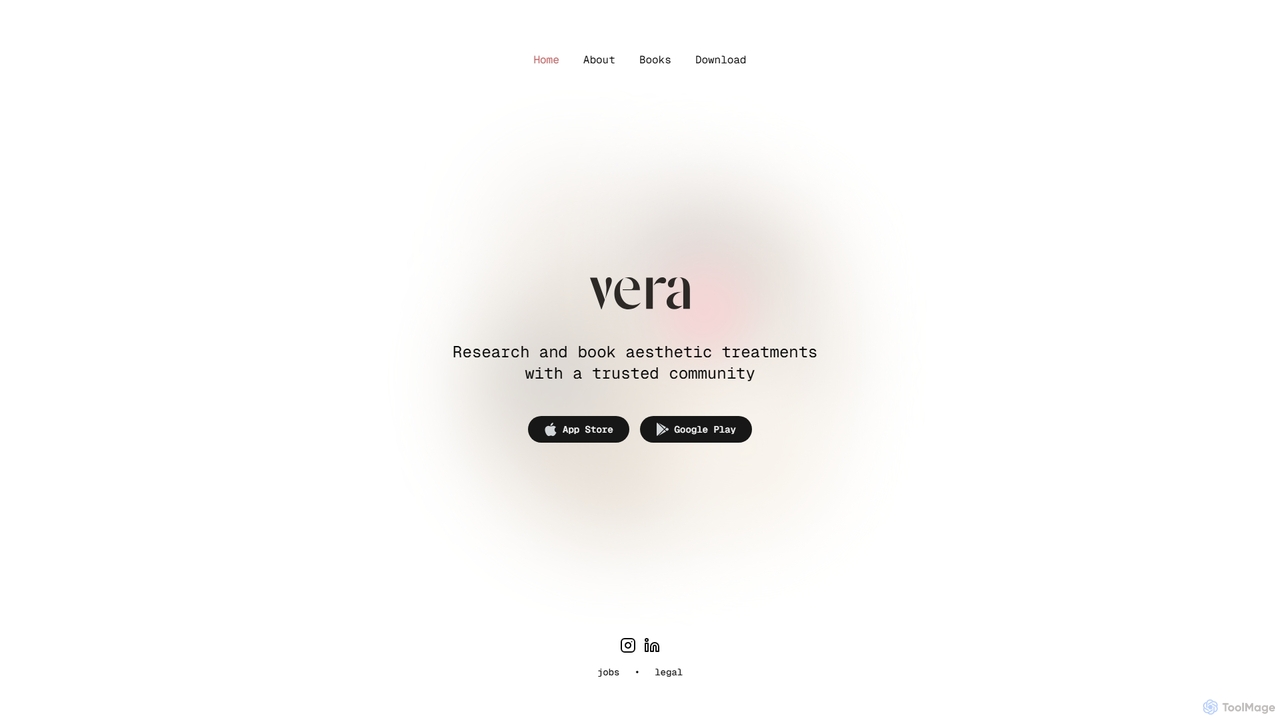
Vera is a trusted platform designed to help individuals research and book aesthetic treatments. It bridges the gap between beauty and technology, offering verified information and a supportive community to empower informed decisions about personal appearance.

Aesthetic Treatments
Visits 6.4KFavorites 102Likes 101
GoodLooks
Freemium

GoodLooks

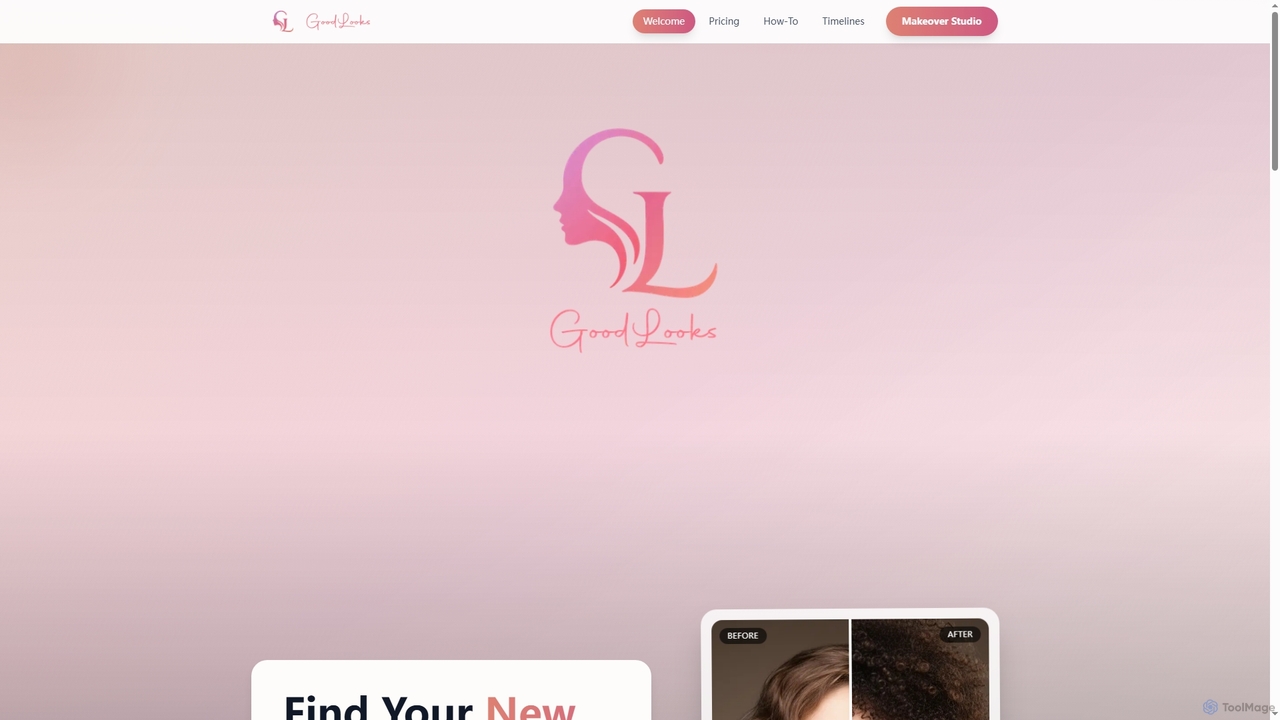
GoodLooks is an innovative AI-powered platform that provides realistic virtual hair makeover previews. Users can upload a photo to visualize various hair colors, lengths, and styles, eliminating guesswork before a salon visit. It enhances client confidence and streamlines the consultation process for stylists.

Hair Styling
Visits 5.3KFavorites 100Likes 100
Hairfilter
Freemium

Hairfilter

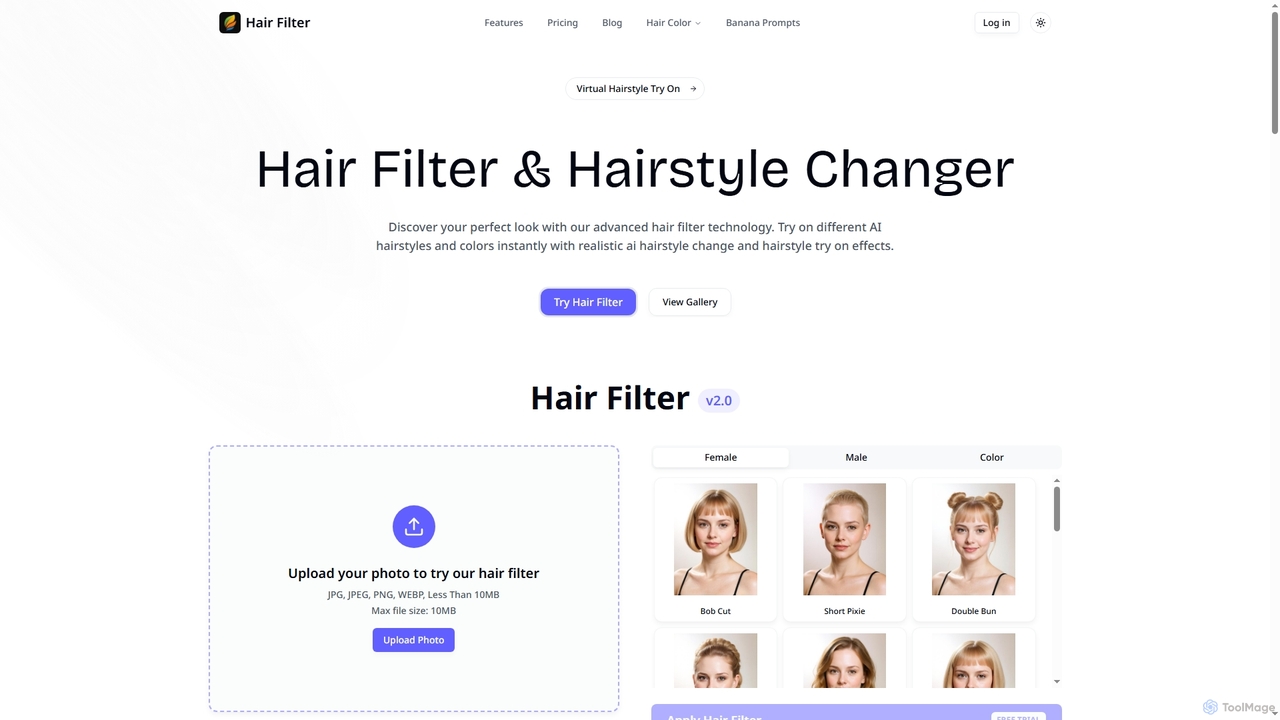
Hairfilter is an advanced AI-powered virtual hairstyle try-on tool that allows users to instantly experiment with various hairstyles and colors. Upload a photo, choose from a vast library of AI-generated styles, and see realistic transformations in seconds. It's perfect for beauty enthusiasts, salon clients, stylists, and social media influencers looking to visualize new looks effortlessly.

Virtual Try On
Visits 6KFavorites 120Likes 121
FaceHair
Free

FaceHair

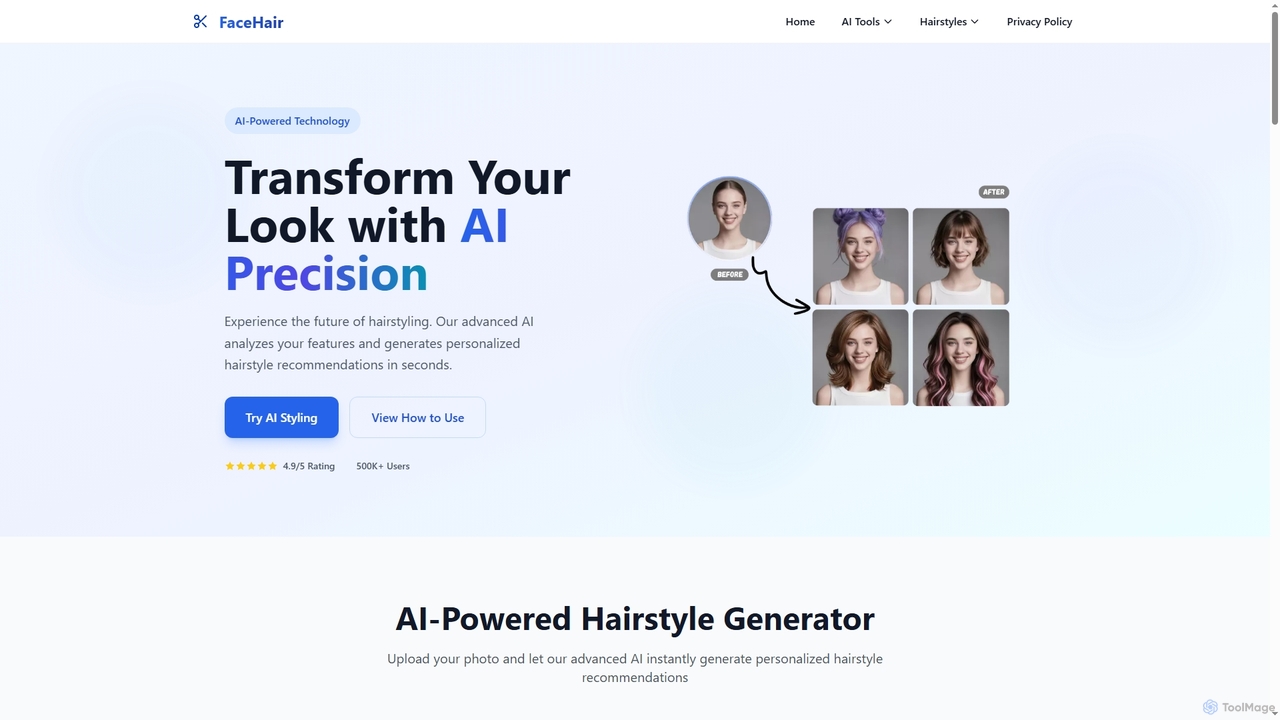
FaceHair is an innovative AI-powered online platform that allows users to virtually try on over 200 hairstyles and receive personalized recommendations. It leverages advanced AI to analyze facial features, suggest suitable haircuts, and provide beauty insights. Ideal for makeovers, event preparation, or simply exploring new looks, FaceHair offers a convenient and private way to visualize style transformations before committing.

Hairstyle Simulation
Visits 4.8KFavorites 123Likes 115
Longhair
Freemium

Longhair

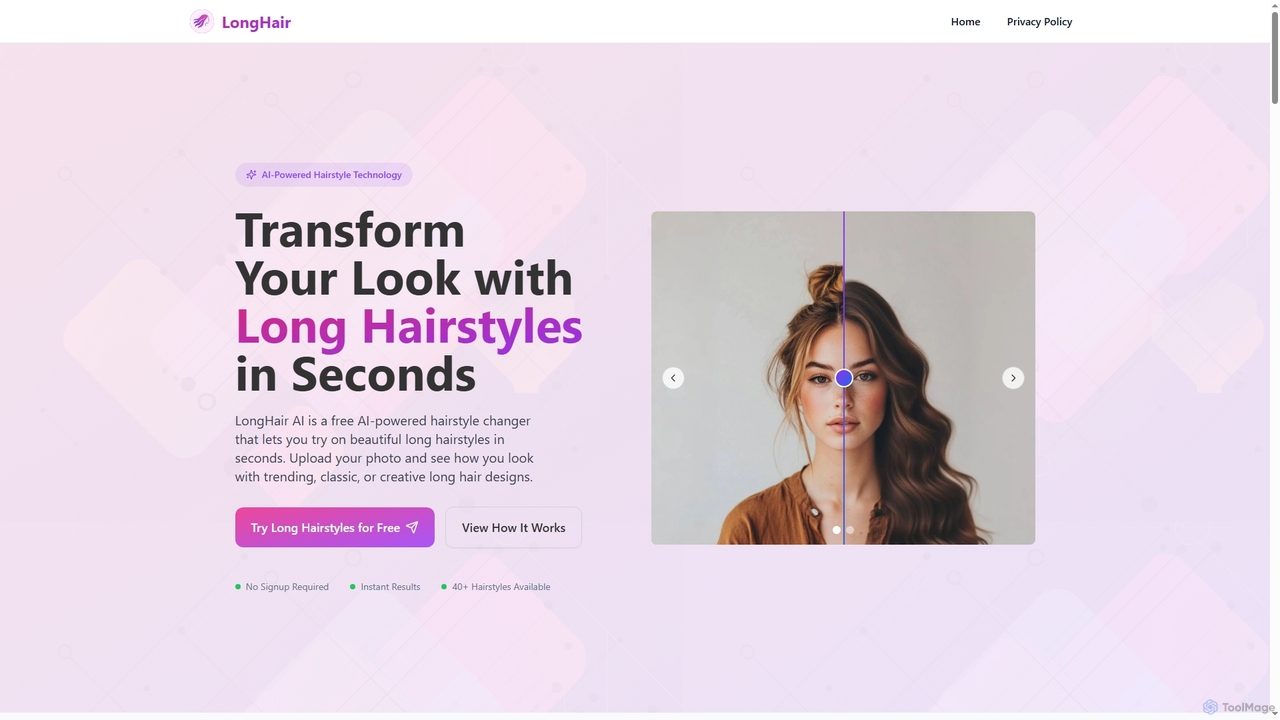
Longhair is a free AI-powered online tool that allows users to instantly visualize themselves with various long hairstyles. Simply upload a front-facing photo and experiment with over 40 trending, classic, or creative long hair designs and colors in seconds, all without requiring any signup or app downloads. It's perfect for exploring new looks before committing to a salon visit.

Virtual Try On
Visits 44.9KFavorites 138Likes 125
eye_shapes
Free

eye_shapes

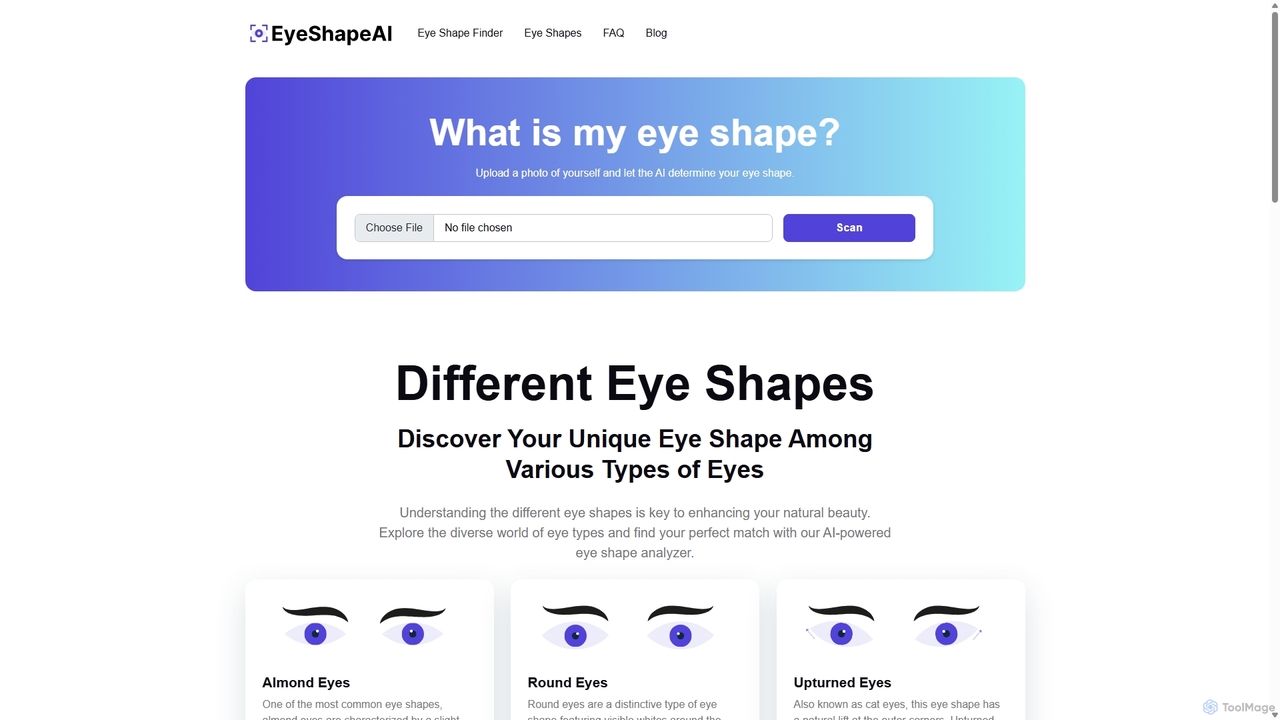
eye_shapes is an AI-powered tool that analyzes your facial photo to accurately determine your eye shape. By simply uploading an image, you can discover if you have almond, round, upturned, or other eye types. This knowledge helps you perfect your makeup application, choose the most flattering eyewear, and enhance your natural beauty with confidence. The tool provides personalized insights and tips tailored to your specific eye characteristics, making it an essential guide for beauty enthusiasts.

Facial Analysis
Visits 42.9KFavorites 125Likes 127
MDhair
Paid

MDhair

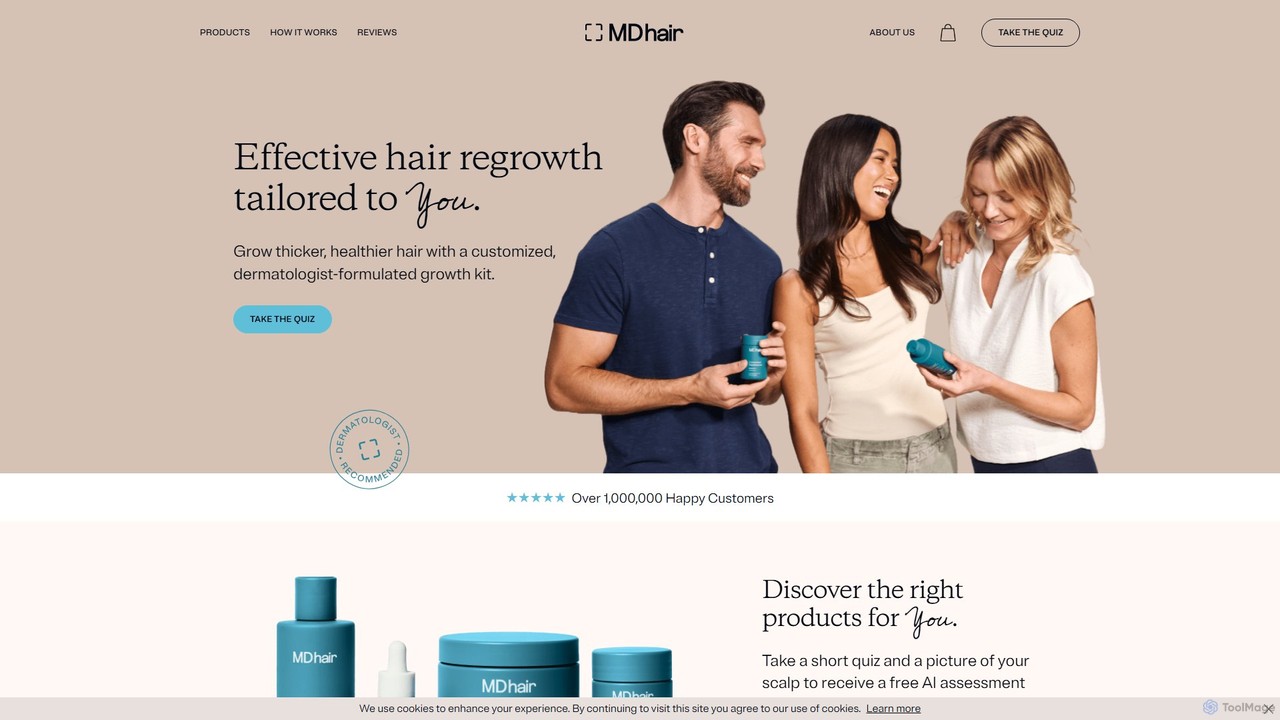
MDhair offers a personalized hair growth treatment system powered by AI. By completing a quiz and submitting a scalp photo, users receive a free AI analysis and a customized kit with dermatologist-formulated products, including serum, supplements, and shampoo, designed to target the root cause of their hair loss.

Hair Care
Visits 258.4KFavorites 95Likes 100

About Beauty

Beauty AI tools are a class of innovative solutions leveraging artificial intelligence to transform the cosmetics, skincare, and personal care industries. These tools utilize advanced computer vision, machine learning, and augmented reality to offer personalized experiences, streamline operations, and enhance product development. They empower consumers with virtual try-on capabilities, precise skin analysis, and tailored product recommendations, while providing brands with invaluable data-driven insights and efficient content creation.

Core Features

  • AI Skin Analysis: Accurately assesses skin conditions like acne, wrinkles, and pores, providing personalized reports and product suggestions.
  • Virtual Try-On: Allows users to digitally simulate makeup, hairstyles, and accessories in real-time using augmented reality.
  • Personalized Product Recommendation: Suggests beauty products tailored to individual user profiles, preferences, and analyzed needs.
  • Beauty Trend Prediction: Analyzes vast datasets from social media and fashion to identify and forecast emerging beauty trends.
  • Automated Content Creation: Generates engaging beauty-related content, such as product descriptions, social media captions, and marketing visuals.

Use Cases

Beauty AI tools are widely adopted by cosmetic brands for enhancing online shopping experiences, by skincare clinics for advanced diagnostics, and by individual consumers seeking personalized beauty advice. They enable virtual consultations, assist in product formulation, and optimize marketing strategies by understanding consumer preferences.

How to Choose

When selecting Beauty AI tools, consider the accuracy and realism of their AI models, especially for skin analysis and virtual try-on. Evaluate their integration capabilities with existing e-commerce platforms or apps, the level of customization offered for brand-specific products, and the overall user experience. Data privacy and security features are also crucial considerations.

Featured tool rankings

Beauty use cases

1

Virtual Makeup Try-On for E-commerce

Online beauty retailers utilize AI-powered virtual try-on tools to allow customers to digitally experiment with various makeup products like lipsticks, eyeshadows, and foundations before making a purchase. This significantly enhances the online shopping experience, helps customers visualize products on their own faces, and can lead to increased conversion rates and a reduction in product returns due to dissatisfaction.

2

Personalized Skincare Routine Recommendation

Skincare brands and individual users benefit from AI tools that analyze facial images to identify specific skin concerns such as redness, fine lines, or hydration levels. Based on this detailed analysis, the AI recommends a customized skincare routine and specific products, ensuring users receive highly targeted solutions that are most effective for their unique skin type and conditions.

3

AI-Powered Hair Color Simulation

Hair salons and individuals can use AI tools to virtually try on different hair colors and styles in real-time. By uploading a photo or using a live camera feed, users can see how various shades, from subtle highlights to bold transformations, would look on them. This helps in making confident decisions about hair changes and enhances the consultation process in salons.

4

Beauty Trend Analysis for Product Development

Cosmetic research and development teams leverage AI to analyze vast amounts of data from social media, fashion shows, and consumer reviews to predict emerging beauty trends. This allows brands to proactively develop new products that align with future consumer demands, ensuring their offerings remain relevant and competitive in a fast-evolving market, leading to more successful product launches.

5

Automated Beauty Content Generation for Social Media

Beauty influencers, marketing agencies, and brands use AI to automate the creation of engaging content for platforms like Instagram and TikTok. AI can generate compelling captions, relevant hashtags, and even short video scripts based on product images or themes. This saves significant time and effort, ensuring a consistent flow of high-quality, on-brand content to engage audiences.

6

Virtual Accessory Try-On (Glasses, Jewelry)

Eyewear and jewelry brands employ AI-powered virtual try-on technology to enable customers to see how glasses, earrings, necklaces, or watches look on them before purchasing. Using augmented reality, these tools overlay digital models onto the user's live camera feed, providing a realistic preview. This boosts customer confidence, reduces uncertainty, and improves the overall online shopping experience.

Beauty FAQ

What are AI Beauty Tools?

AI Beauty Tools are applications and platforms that integrate artificial intelligence, such as computer vision and machine learning, into various aspects of the beauty industry. They are designed to offer personalized experiences, automate tasks, and provide data-driven insights. Key functions include virtual try-on, skin analysis, and tailored product recommendations, transforming how consumers discover and interact with beauty products and services.

How do AI Beauty Tools personalize recommendations?

AI Beauty Tools personalize recommendations by collecting and analyzing user data, which can include facial scans, skin quizzes, product preferences, and purchase history. Machine learning algorithms then process this information to identify patterns and match users with products or routines best suited for their unique characteristics and goals. This ensures highly relevant and effective suggestions.

What are the main benefits of using AI in the beauty industry?

The main benefits include significantly enhanced customer experience through personalization and virtual try-on, leading to higher satisfaction and engagement. For businesses, AI provides data-driven insights for product development and marketing, improves operational efficiency by automating tasks, and can reduce product returns by helping customers make more informed purchasing decisions.

Can AI Beauty Tools accurately analyze skin conditions?

Yes, AI Beauty Tools can accurately analyze various skin conditions by using advanced computer vision to process high-resolution images of the user's face. They identify issues like wrinkles, dark spots, pores, and redness, comparing them against vast datasets of healthy and problematic skin. While highly effective, accuracy can be influenced by lighting conditions and camera quality, so good input is crucial.

How do virtual try-on tools work?

Virtual try-on tools typically use augmented reality (AR) and facial recognition technology. They map a user's facial features in real-time via a camera feed and then digitally overlay 3D models of makeup, hairstyles, or accessories onto the face. Advanced algorithms adjust for lighting, facial movements, and skin tone to create a realistic and interactive simulation, allowing users to visualize products before purchase.