ToolMage
Sign in

Best 2 Layer 1 AI tools for Blockchain

Popular Layer 1 AI tools in Blockchain include Lightchain and HeLa Labs, helping you work more efficiently.

Lightchain
Paid

Lightchain

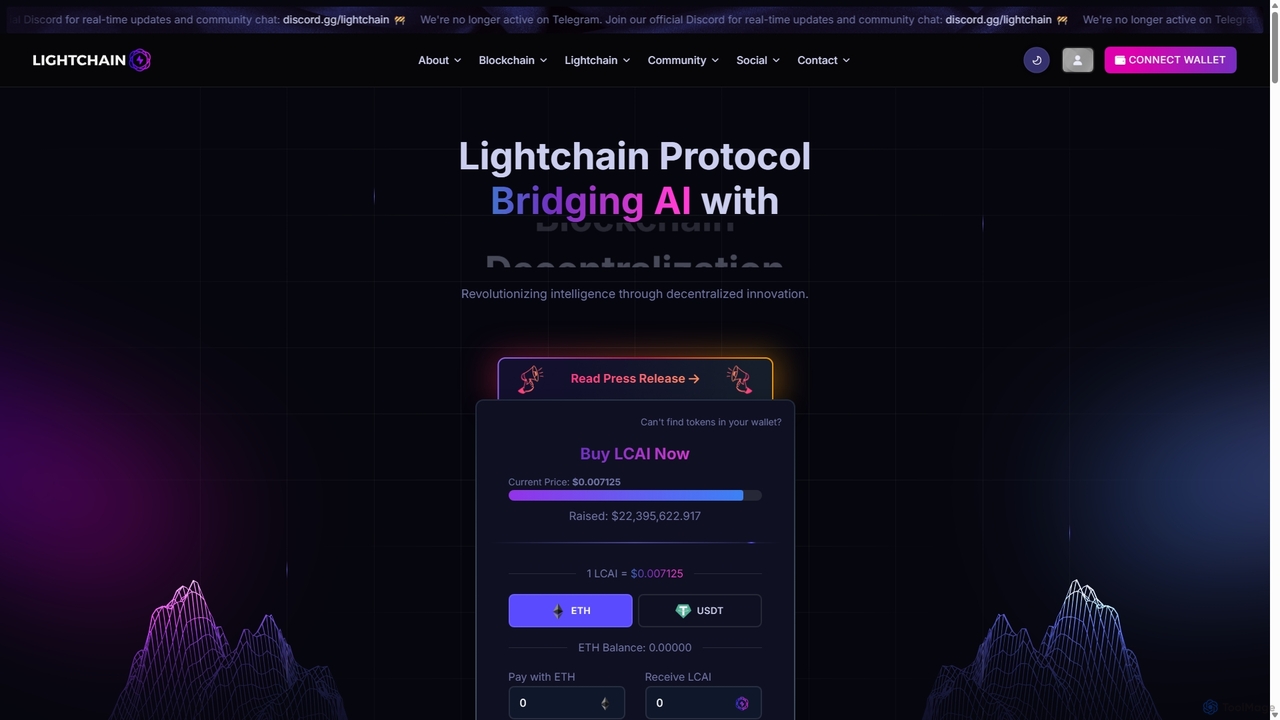
Lightchain is a revolutionary Layer 1 blockchain protocol that integrates Artificial Intelligence at its core. It features a novel Proof of Intelligence (PoI) consensus mechanism and an AI Virtual Machine (AIVM), designed to power intelligent decentralized applications (dApps) and transform computational work into valuable AI development.

Layer 1
Visits 51.3KFavorites 145Likes 158
HeLa Labs

HeLa Labs

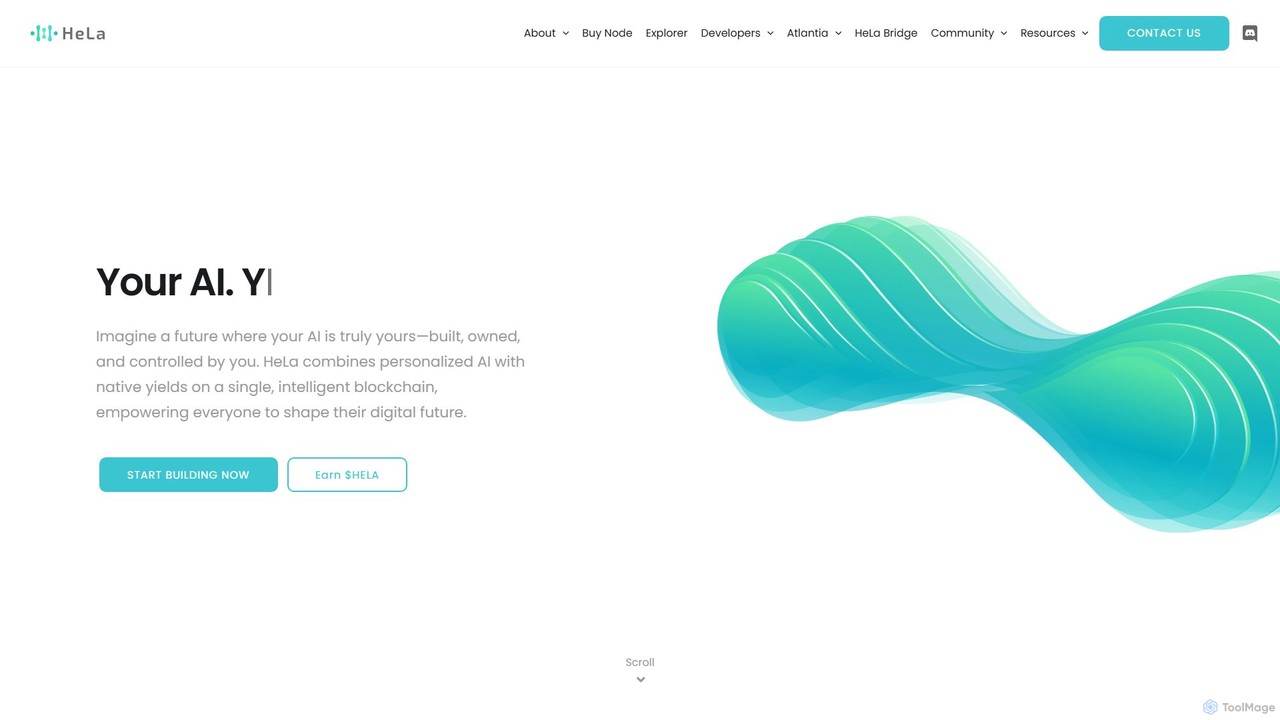
HeLa Labs is a Layer-1 blockchain platform that uniquely integrates personalized AI with native on-chain yields. It provides a modular, scalable, and EVM-compatible infrastructure for developers to build innovative decentralized applications (dApps) across DeFi, GameFi, SocialFi, and more, fostering a new era of digital ownership and utility.

Decentralized Ai
Visits 17.2KFavorites 152Likes 148

About Layer 1

Layer 1 (L1) is the foundational blockchain protocol that serves as the ultimate source of truth for a decentralized network. These tools and platforms establish the core rules for consensus, transaction validation, and data security directly on the main chain. Their primary value lies in providing a secure and decentralized settlement layer upon which all other applications and secondary layers (Layer 2) are built. L1s are defined by their independent security model and native token for processing fees.

Core Features

  • Decentralized Consensus: Utilizes mechanisms like Proof-of-Work (PoW) or Proof-of-Stake (PoS) to validate transactions without a central authority.
  • On-Chain Finality: Ensures that once a transaction is confirmed on the network, it is permanent and cannot be altered or reversed.
  • Native Asset: Features its own cryptocurrency (e.g., BTC, ETH) used for paying transaction fees (gas) and rewarding network participants.
  • Smart Contract Execution: Provides a runtime environment for deploying and executing self-enforcing decentralized applications (dApps).

Use Cases

Layer 1 blockchains are fundamental for developers building decentralized applications (dApps) like DeFi protocols or NFT marketplaces. They are also the required platform for launching new tokens (e.g., ERC-20 on Ethereum) and for executing high-value transactions that demand maximum security. Furthermore, they serve as the essential security and data availability layer for Layer 2 scaling solutions.

How to Choose

When selecting a Layer 1, consider the blockchain trilemma: security, scalability, and decentralization. Evaluate its consensus mechanism (PoW vs. PoS), transaction throughput (TPS), average transaction fees, and the robustness of its developer ecosystem. The choice depends on whether the project prioritizes high security for value settlement or high speed for consumer applications.

Layer 1 use cases

1

Launching a Decentralized Finance (DeFi) Protocol

A development team aims to create a new decentralized exchange (DEX) or lending protocol. They choose a robust Layer 1 like Ethereum or Solana as their foundation. By deploying their smart contracts directly onto the L1, they leverage its inherent security and decentralization to ensure user funds are secure and transactions are censorship-resistant. The L1 acts as the ultimate arbiter of state, providing a trustworthy environment for financial applications handling significant value.

2

Issuing a New Fungible Token or NFT Collection

A startup wants to create a utility token for its ecosystem or an artist plans to launch an NFT collection. They use a Layer 1 platform with established token standards, like ERC-20 or ERC-721 on Ethereum. The L1 provides the infrastructure for creating, issuing, and managing these digital assets. The public and immutable nature of the L1 ledger guarantees clear and verifiable ownership of the tokens, which is crucial for their value and tradability.

3

Securing High-Value Transactions

An enterprise or individual needs to transfer a large amount of digital assets and requires the highest level of security. They execute the transaction directly on a highly secure Layer 1 like Bitcoin or Ethereum. The immense computational power (in PoW) or staked value (in PoS) securing the network makes it prohibitively expensive to attack or reverse the transaction. This on-chain settlement provides finality and peace of mind that is not achievable through traditional financial systems or less secure chains.

4

Running a Validator Node to Secure the Network

A user with technical expertise and capital wants to actively participate in a blockchain network. They set up and run a validator node on a Proof-of-Stake (PoS) Layer 1. By staking the network's native token and correctly validating transactions, they contribute to the network's security and decentralization. In return for their service, they earn staking rewards, creating a direct economic incentive to maintain the integrity of the L1 protocol.

5

Anchoring a Layer 2 Scaling Solution

A team building a Layer 2 (L2) rollup needs a secure base layer for settlement and data availability. They build their L2 system on top of an established L1 like Ethereum. The L2 processes thousands of transactions off-chain quickly and cheaply, then bundles them and posts a compressed summary to the L1. The L1 doesn't process each individual L2 transaction, but it guarantees the validity and availability of the L2's state data, allowing the L2 to inherit the L1's security.

6

Establishing a Decentralized Digital Identity

A project is creating a self-sovereign identity (SSI) system where users control their own data. They use a Layer 1 blockchain to anchor user identities. A unique identifier for each user is registered on the L1, acting as a tamper-proof public key directory. While personal data remains off-chain under the user's control, the L1 provides a decentralized, censorship-resistant foundation to verify identity claims without relying on a central authority, enhancing user privacy and control.

Layer 1 FAQ

What is a Layer 1 (L1) blockchain?

A Layer 1 blockchain is the main, foundational network protocol in a decentralized ecosystem, such as Bitcoin or Ethereum. It is responsible for its own security, transaction validation, and consensus mechanism. It acts as the ultimate settlement layer and the single source of truth, upon which other protocols (like Layer 2s) and applications can be built.

What is the difference between Layer 1 and Layer 2?

The primary difference is their function. Layer 1 is the base blockchain responsible for security and final settlement. Layer 2 solutions are built on top of L1s to improve scalability. L2s handle transactions off-chain, processing them faster and more cheaply, and then submit proof or data back to the L1 for final security. In short: L1 provides security, while L2 provides speed and lower costs by leveraging L1's security.

How do you choose the right Layer 1 for a project?

Choosing the right L1 depends on your project's priorities. Consider the following factors:

  • Security & Decentralization: For high-value applications like DeFi, choose a network with a proven, robust consensus mechanism and a high degree of decentralization.
  • Scalability & Cost: For applications requiring high transaction volume like gaming or social media, prioritize L1s with high throughput (TPS) and low fees.
  • Developer Ecosystem: Evaluate the availability of developer tools, documentation, programming languages (e.g., Solidity, Rust), and community support.
  • User Base & Composability: A large existing user base and the ability for your application to interact with other protocols on the same chain can be a significant advantage.
What are some examples of Layer 1 blockchains?

Some of the most well-known Layer 1 blockchains include Bitcoin, which pioneered the space and is primarily used as a store of value. Ethereum introduced smart contracts, enabling a vast ecosystem of decentralized applications (dApps). Other popular L1s like Solana, Cardano, and Avalanche were developed later, each offering different approaches to solving the scalability, security, and decentralization trilemma.

Why are Layer 1 transaction fees (gas fees) sometimes high?

Layer 1 transaction fees are determined by network demand. Each block has a limited amount of space for transactions. When many users want to make transactions at the same time, they compete for this limited space by bidding higher fees. On highly secure and decentralized networks like Ethereum, this high demand can lead to significant 'gas fees'. This economic model ensures that the most urgent transactions are processed first and compensates validators for securing the network.