Business Best in category 6 results Applicant Tracking System AI Tool

Popular AI tools in the Applicant Tracking System field of Business include TurboHire、grabjobs、reczee、Vinterview、quickscreen.ai、CandidatoCerto, etc., helping you quickly improve efficiency.

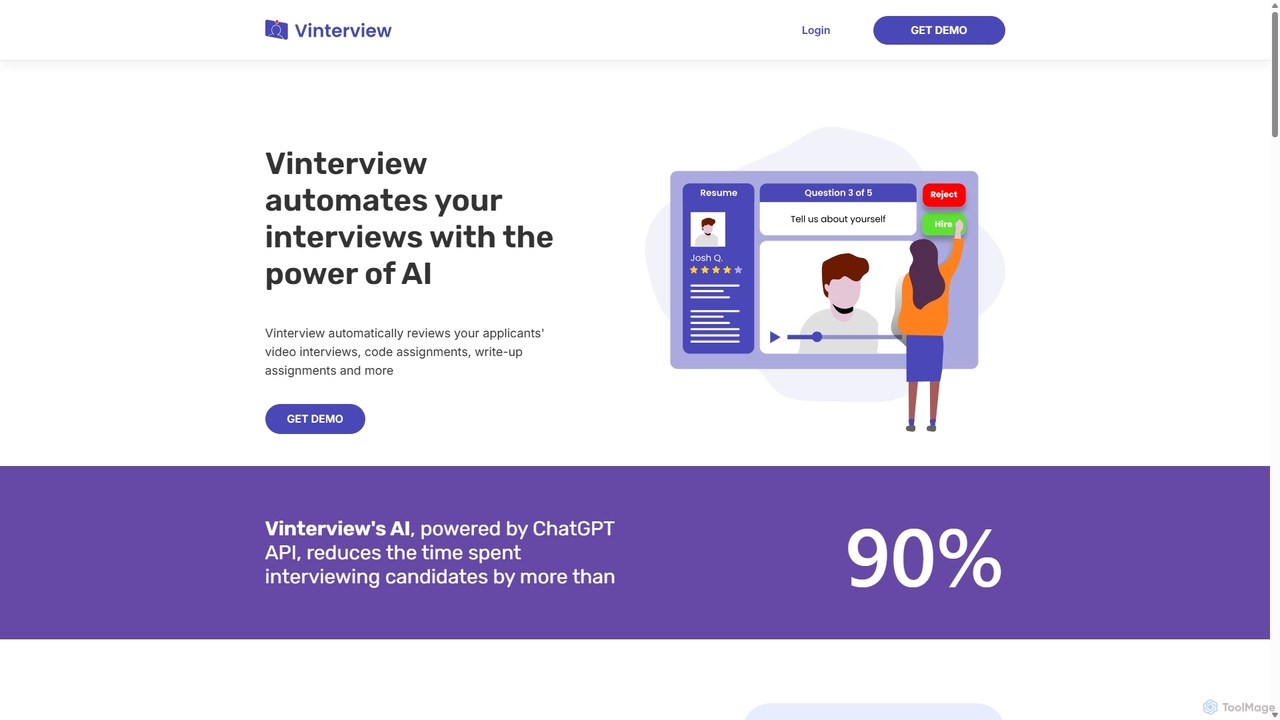
Vinterview

Vinterview

Vinterview is an all-in-one AI-powered recruitment platform designed to streamline the entire hiring process. It facilitates everything from …

10.6K
CandidatoCerto

CandidatoCerto

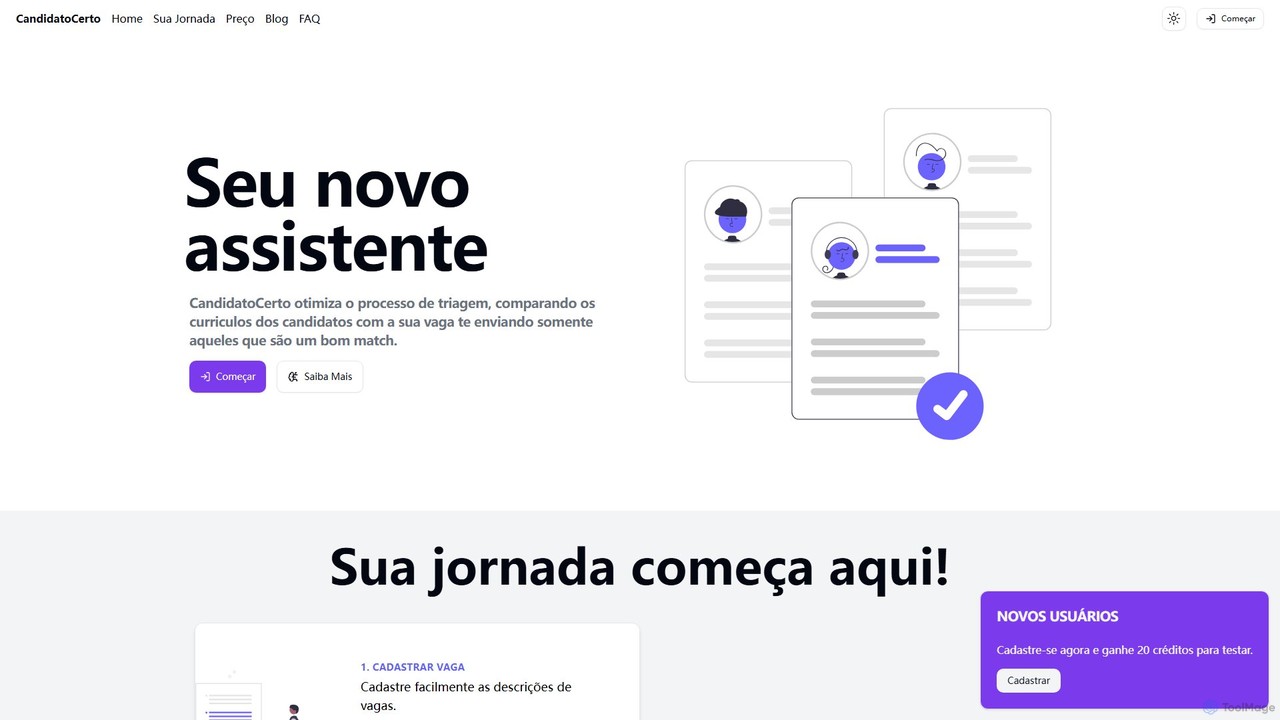
CandidatoCerto is an AI-powered recruitment assistant designed to streamline the hiring process. It automatically screens resumes against job …

3.0K
grabjobs

grabjobs

GrabJobs is an AI-powered recruitment platform designed to streamline the hiring process. It utilizes AI chatbots for automated …

253.4K
TurboHire

TurboHire

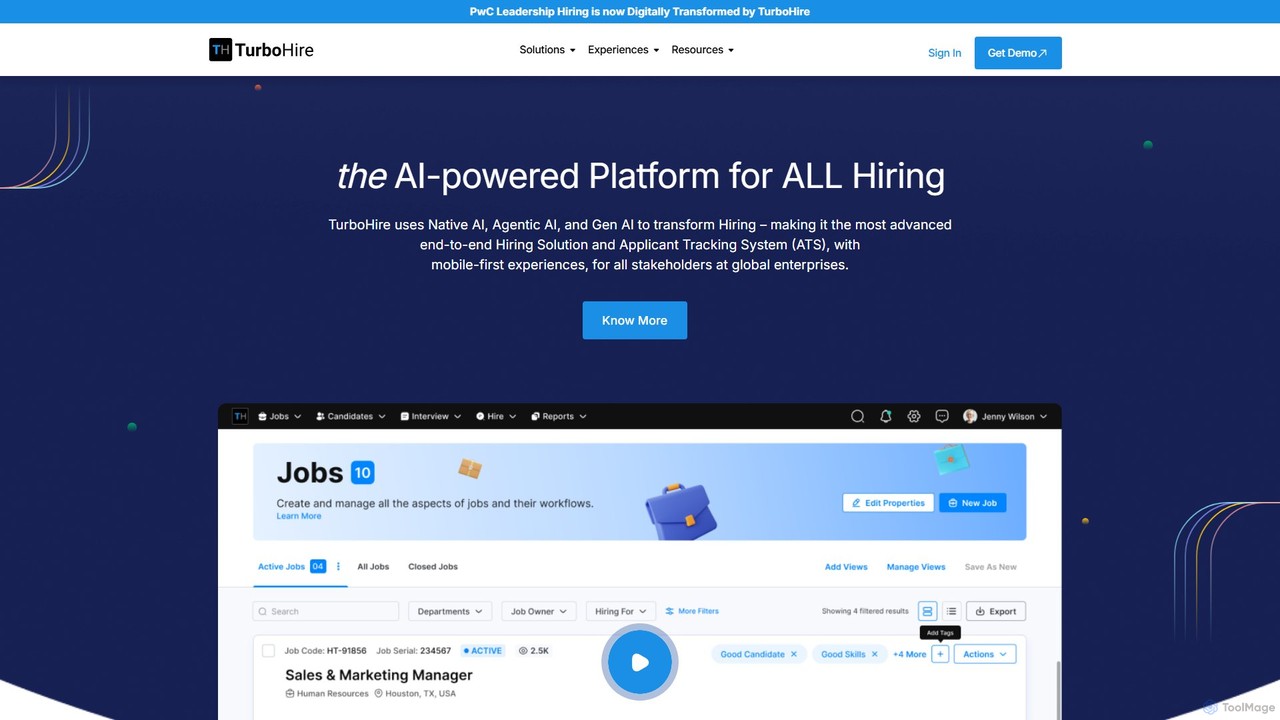
TurboHire is an advanced AI-powered recruitment platform and Applicant Tracking System (ATS) designed for enterprises. It leverages Native, …

628.8K
quickscreen.ai

quickscreen.ai

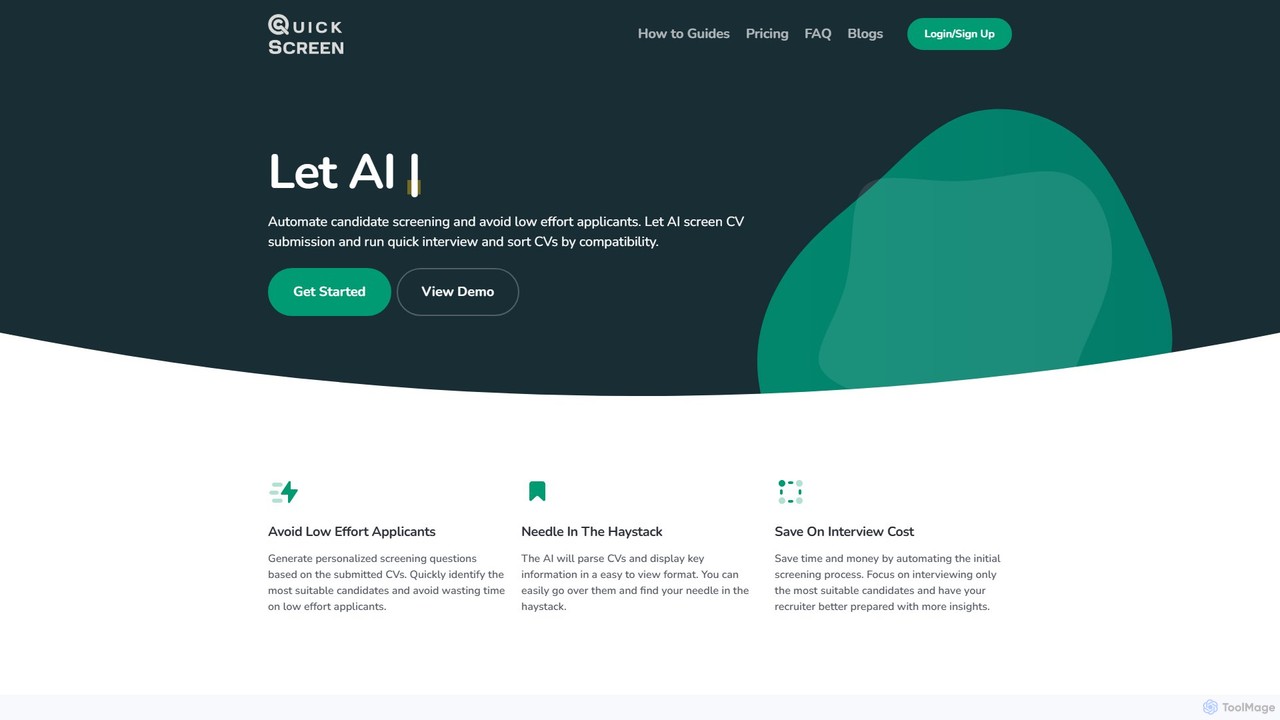
An AI-powered applicant screening and tracking system that automates the initial hiring stages. It generates unique application links, …

3.4K
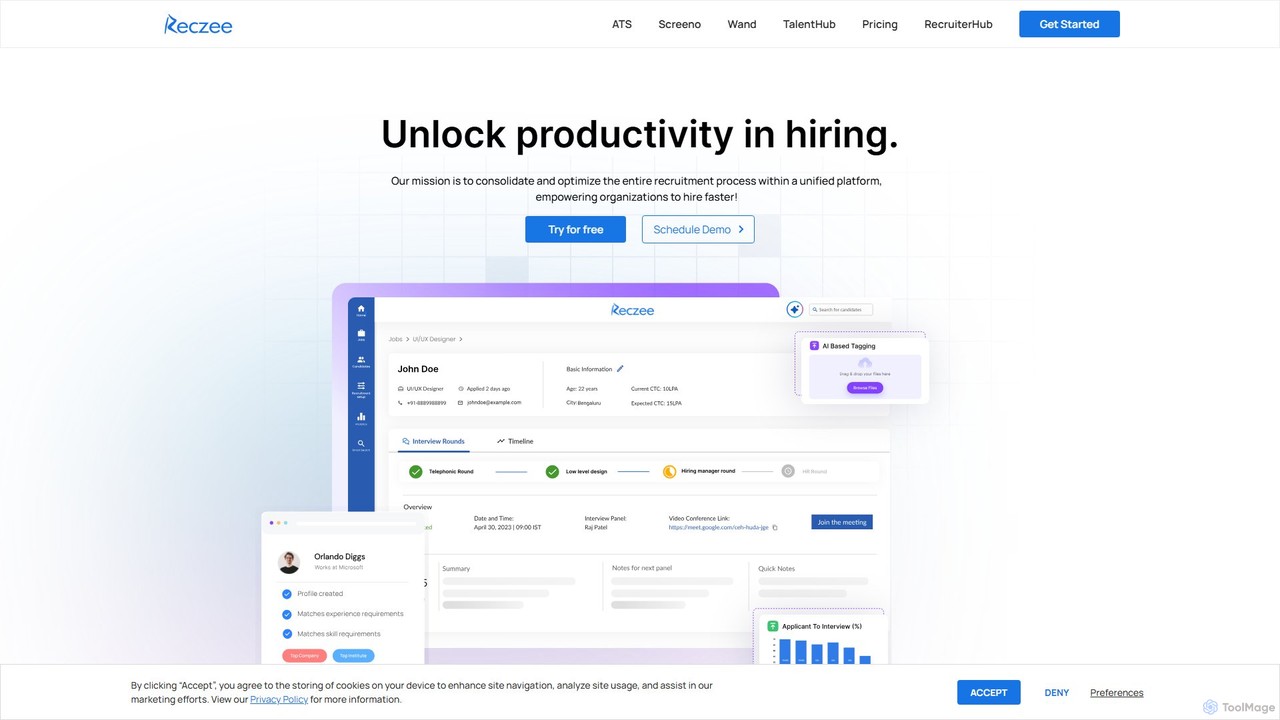
reczee

reczee

Reczee is an AI-powered recruitment platform featuring an Agentic Applicant Tracking System (ATS). It automates hiring tasks, streamlines …

46.3K

About Applicant Tracking System

Applicant Tracking Systems (ATS) are AI-powered software solutions designed to streamline and automate the recruitment and hiring process. These systems leverage advanced algorithms to manage job postings, collect and parse resumes, screen candidates, and track their progress through various stages of the hiring pipeline. By centralizing candidate data and automating repetitive tasks, ATS tools significantly enhance efficiency, reduce time-to-hire, and improve the overall quality of talent acquisition for businesses of all sizes.

Core Features

  • Resume Parsing: Automatically extracts key information from resumes, such as skills, experience, and contact details, populating candidate profiles.
  • Candidate Sourcing & Management: Helps post jobs to multiple platforms, collects applications, and organizes candidate data in a centralized database.
  • Workflow Automation: Automates tasks like sending acknowledgment emails, scheduling interviews, and managing offer letters.
  • Reporting & Analytics: Provides insights into recruitment metrics such as time-to-hire, source effectiveness, and candidate pipeline status.
  • Compliance Management: Ensures adherence to hiring regulations and data privacy laws, reducing legal risks.

Use Cases

Applicant Tracking Systems are indispensable for organizations facing high volumes of applications or seeking to optimize their talent acquisition strategies. They are widely adopted by corporate HR departments, recruitment agencies, and growing businesses to manage the entire hiring lifecycle. For instance, a large enterprise can use an ATS to efficiently process thousands of applications for diverse roles, while a startup might leverage it to standardize its nascent recruitment process and ensure a fair, consistent candidate experience.

How to Choose

When selecting an Applicant Tracking System, consider its integration capabilities with existing HRIS or payroll systems to ensure seamless data flow. Evaluate the system's scalability to accommodate future growth in hiring volume and team size. Assess the user-friendliness for both recruiters and candidates, focusing on intuitive interfaces and mobile accessibility. Finally, compare pricing models and ensure the features align with your specific recruitment needs and budget, prioritizing robust resume parsing and reporting functionalities.

Applicant Tracking SystemUse Cases

1

Automating High-Volume Resume Screening

For large corporations or recruitment agencies, an ATS enables HR managers to efficiently screen hundreds or thousands of resumes. By setting specific keywords, qualifications, and experience filters, the system automatically ranks candidates, identifying the most suitable applicants for further review and significantly reducing manual screening time.

2

Streamlining Interview Scheduling and Coordination

Recruiters can leverage an ATS to simplify the complex process of scheduling interviews across multiple candidates and hiring managers. The system automates sending calendar invites, provides real-time availability updates, and sends reminders, drastically cutting down on administrative overhead and accelerating the interview phase.

3

Centralizing Candidate Data for Improved Access

Companies utilize an ATS to create a single, secure database for all applicant information, from initial application to offer acceptance. This centralized repository ensures that hiring teams have immediate access to comprehensive candidate profiles, communication history, and feedback, fostering better collaboration and informed decision-making.

4

Managing Multi-Platform Job Postings

Talent acquisition specialists use an ATS to publish job openings simultaneously across various job boards, social media platforms, and the company career page from a single interface. This broadens reach, attracts a diverse pool of candidates, and simplifies the management of multiple postings, ensuring consistency and saving time.

5

Tracking Candidate Progress Through the Hiring Pipeline

Hiring teams monitor each candidate's journey through customized stages within the ATS, such as "Applied," "Screened," "Interviewed," and "Offer Extended." This visual pipeline provides clear oversight of recruitment progress, helps identify bottlenecks, and ensures no candidate falls through the cracks, leading to a more organized process.

6

Generating Data-Driven Recruitment Analytics

HR departments employ an ATS to generate detailed reports on key recruitment metrics. This includes analyzing time-to-hire, cost-per-hire, source effectiveness (which channels yield the best candidates), and diversity statistics. These insights empower strategic decision-making to continuously optimize talent acquisition strategies and resource allocation.

Applicant Tracking SystemFrequently Asked Questions