Business Best in category 1 results Archiving AI Tool

Popular AI tools in the Archiving field of Business include Papermerge, etc., helping you quickly improve efficiency.

Papermerge

Papermerge

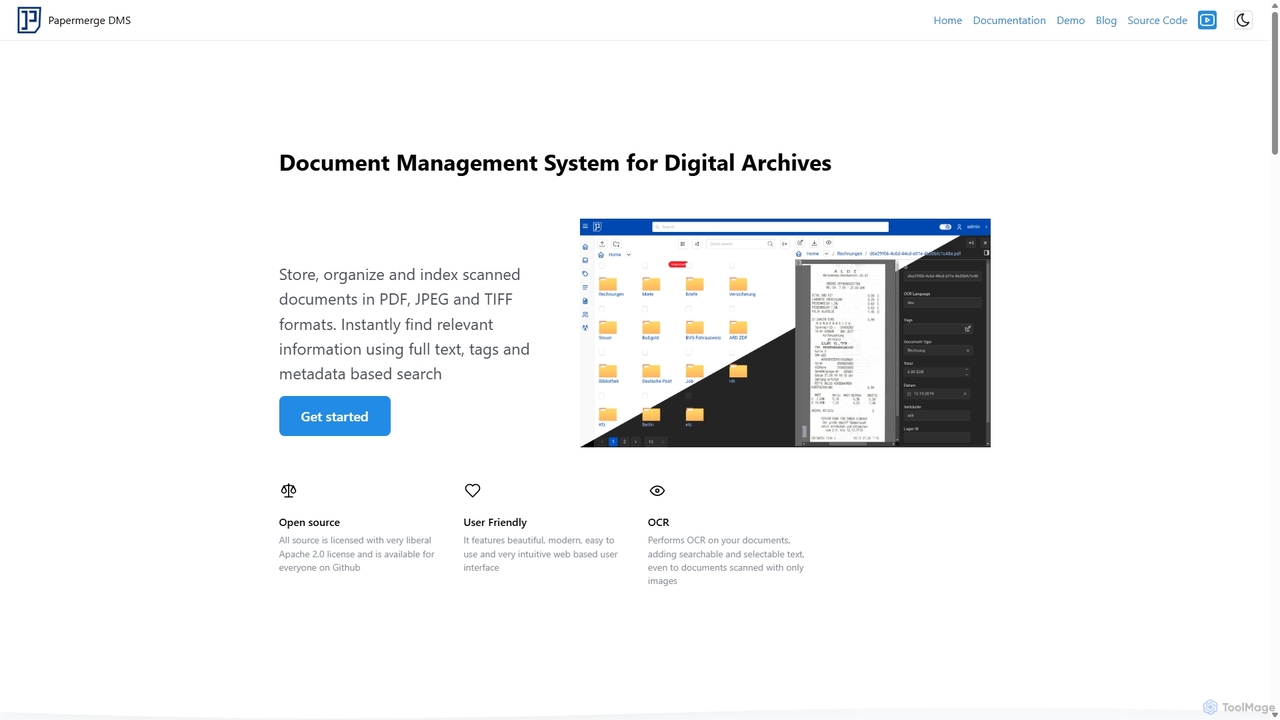
Papermerge is an open-source Document Management System (DMS) designed for digital archiving. It allows you to store, organize, …

5.5K

About Archiving

AI-powered Archiving tools are specialized solutions that leverage artificial intelligence to automate the systematic classification, storage, and retrieval of digital information. These tools utilize machine learning and natural language processing to intelligently index, manage, and preserve vast amounts of data, ensuring long-term accessibility and compliance. They transform passive storage into an active, searchable knowledge base, providing significant value for data governance and historical analysis.

Core Features

  • Automated Classification & Tagging: AI algorithms automatically categorize and apply rich metadata to digital assets based on content, context, and predefined rules.
  • Intelligent Search & Retrieval: Advanced search capabilities, often powered by natural language processing, enable users to quickly locate specific information within vast archives.
  • Compliance & Governance Management: Tools enforce data retention policies, legal hold requirements, and regulatory compliance (e.g., GDPR, HIPAA) through automated monitoring and reporting.
  • Data Deduplication & Optimization: AI identifies and eliminates redundant data across the archive, significantly reducing storage costs and improving efficiency.
  • Content Analysis & Insights: Extracts valuable insights, trends, and potential risks from archived data, supporting business intelligence and strategic decision-making.

Applicable Scenarios

AI archiving tools are crucial for organizations managing large volumes of sensitive or critical data. They are widely adopted in legal for e-discovery, healthcare for patient record retention, and financial services for regulatory compliance. Businesses also use them for long-term email and document management, ensuring historical data is accessible and auditable.

How to Choose

When selecting an AI archiving solution, consider its scalability to accommodate future data growth and its integration capabilities with existing enterprise systems (CRM, ERP, DMS). Evaluate the robustness of its compliance features for specific industry regulations and the sophistication of its intelligent search and retrieval functionalities. Security protocols, data encryption, and cost-effectiveness for storage and processing are also vital considerations.

ArchivingUse Cases

1

Streamline Legal E-Discovery with Intelligent Archiving

Legal professionals often face the daunting task of sifting through massive volumes of documents for e-discovery. AI archiving tools automatically classify and index legal communications, contracts, and case files. This allows legal teams to quickly search, filter, and retrieve relevant evidence using natural language queries, significantly reducing discovery time and costs while ensuring compliance with legal hold requirements.

2

Secure & Compliant Patient Record Archiving

Healthcare providers must securely store patient records for extended periods, adhering to strict regulations like HIPAA. AI archiving solutions automate the long-term preservation of electronic health records (EHRs), medical images, and administrative documents. They ensure data integrity, provide granular access controls, and facilitate rapid retrieval for audits or patient care, all while maintaining regulatory compliance.

3

Automate Financial Regulatory Compliance Archiving

Financial institutions are subject to stringent regulatory requirements for retaining transaction records, communications, and financial reports. AI archiving tools automate the capture, classification, and retention of these critical assets. They provide immutable storage, audit trails, and intelligent monitoring to demonstrate compliance with regulations like SOX or MiFID II, mitigating risks and avoiding penalties.

4

Efficient Digital Asset Archiving for Media

Media companies generate vast amounts of digital assets, including video footage, audio files, and high-resolution images. AI archiving solutions intelligently tag, categorize, and store these assets, making them easily searchable and retrievable for future use, licensing, or re-purposing. This ensures the long-term value and accessibility of creative content, preventing loss and streamlining content workflows.

5

Enhance Corporate Email & Document Governance

Businesses need to manage and retain corporate emails, contracts, and internal documents for operational, legal, and historical purposes. AI archiving tools automate the capture, indexing, and retention of these communications and files. They ensure data integrity, support internal investigations, and provide a comprehensive historical record, improving overall information governance and reducing storage overhead.

6

Unlock Insights from Archived Historical Data

Beyond mere storage, AI archiving tools can transform historical data into a valuable resource for business intelligence. By intelligently processing and analyzing archived sales figures, customer interactions, and market trends, these tools can uncover patterns and insights. This enables organizations to make more informed strategic decisions, predict future outcomes, and identify long-term growth opportunities.

ArchivingFrequently Asked Questions