Business Best in category 6 results Candidate Screening AI Tool

Popular AI tools in the Candidate Screening field of Business include HireQuotient、Yasna.ai、Talently.ai、HireLakeAI、Recroo AI、Hivly, etc., helping you quickly improve efficiency.

Recroo AI

Recroo AI

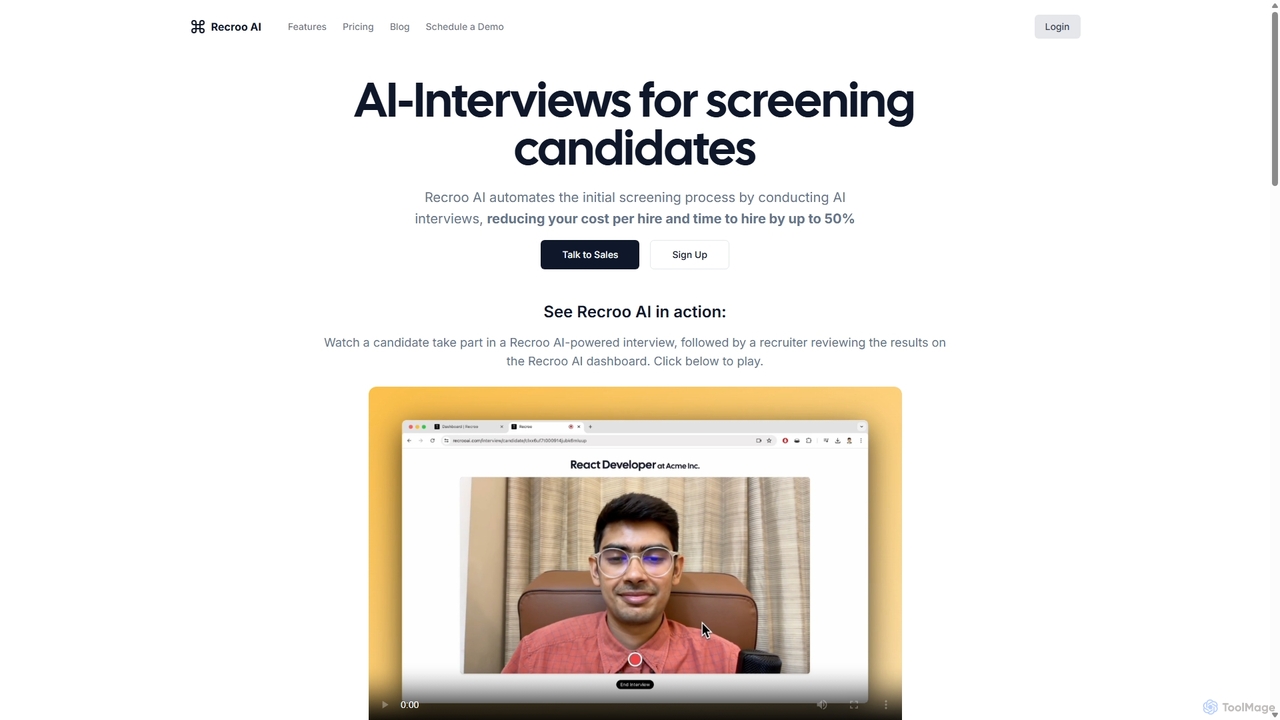
Recroo AI is an AI-powered interview platform that automates the initial candidate screening process. It conducts intelligent, conversational …

3.0K
Yasna.ai

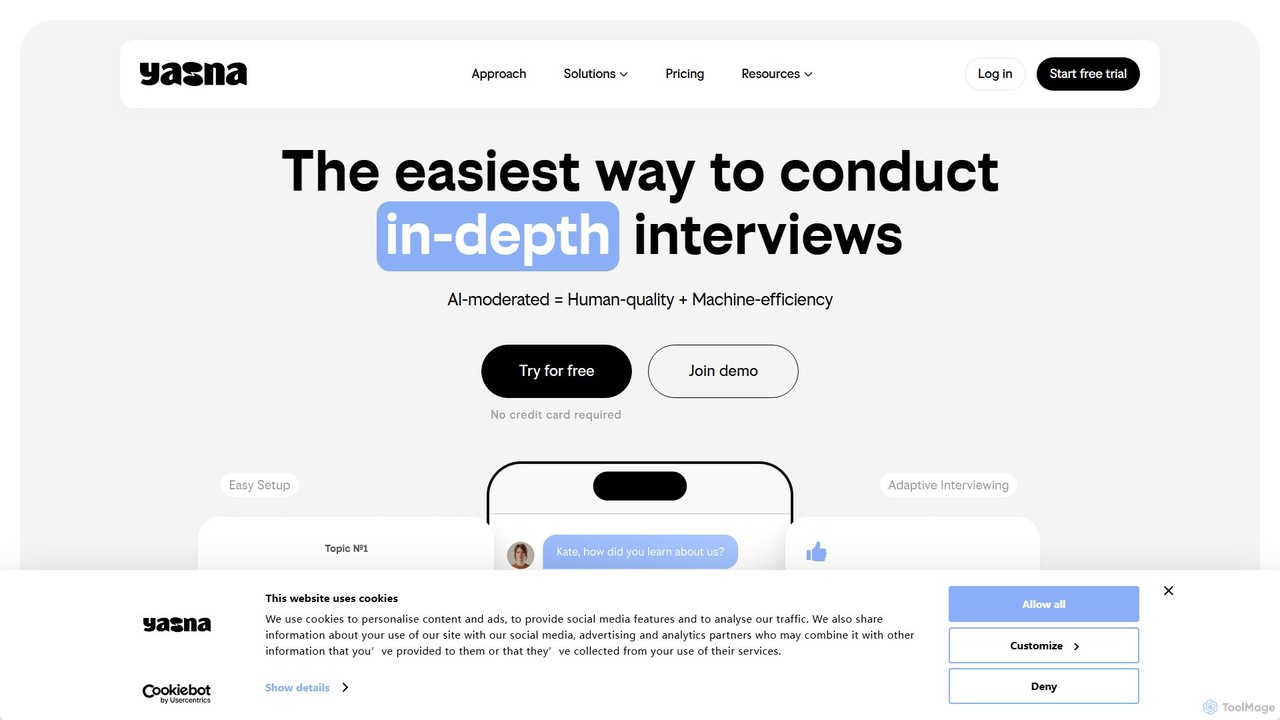
Yasna.ai

Yasna.ai is an AI-powered platform that automates initial candidate interviews. It uses a conversational AI to conduct structured, …

17.9K
Talently.ai

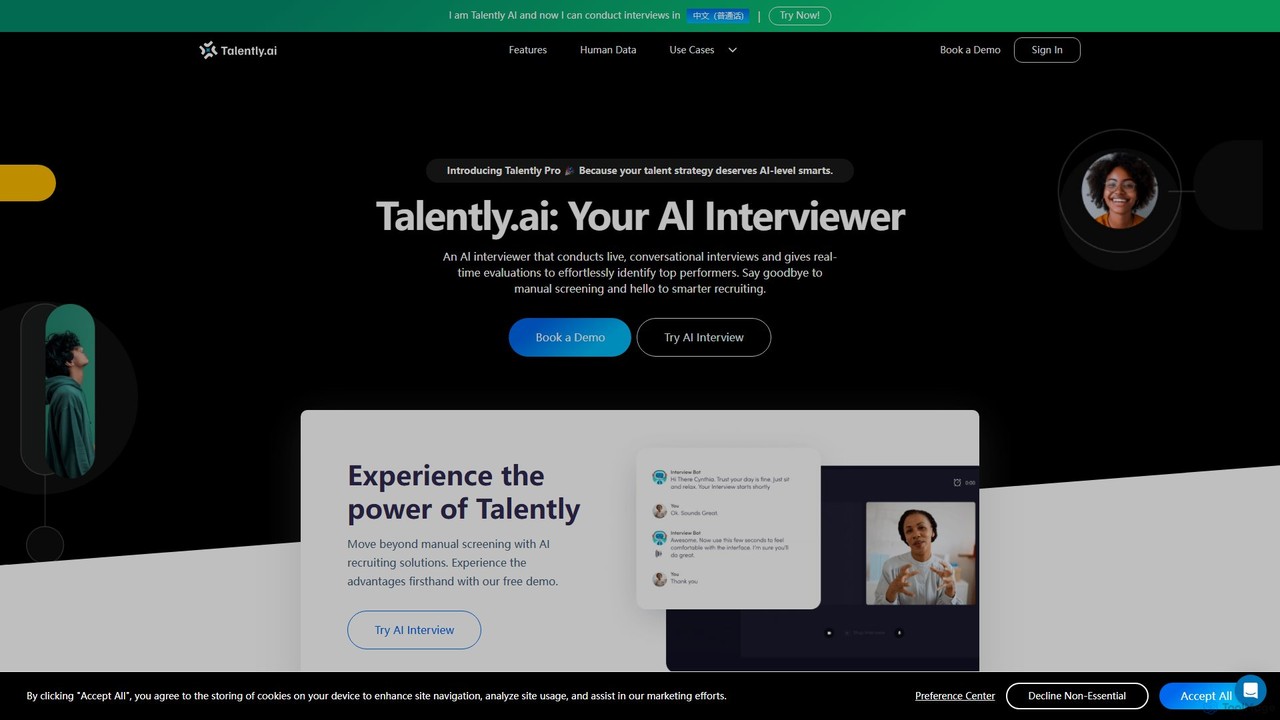
Talently.ai

Talently.ai is an AI-powered interviewer that automates the recruitment process. It conducts live, conversational interviews 24/7, provides real-time, …

5.1K
Hivly

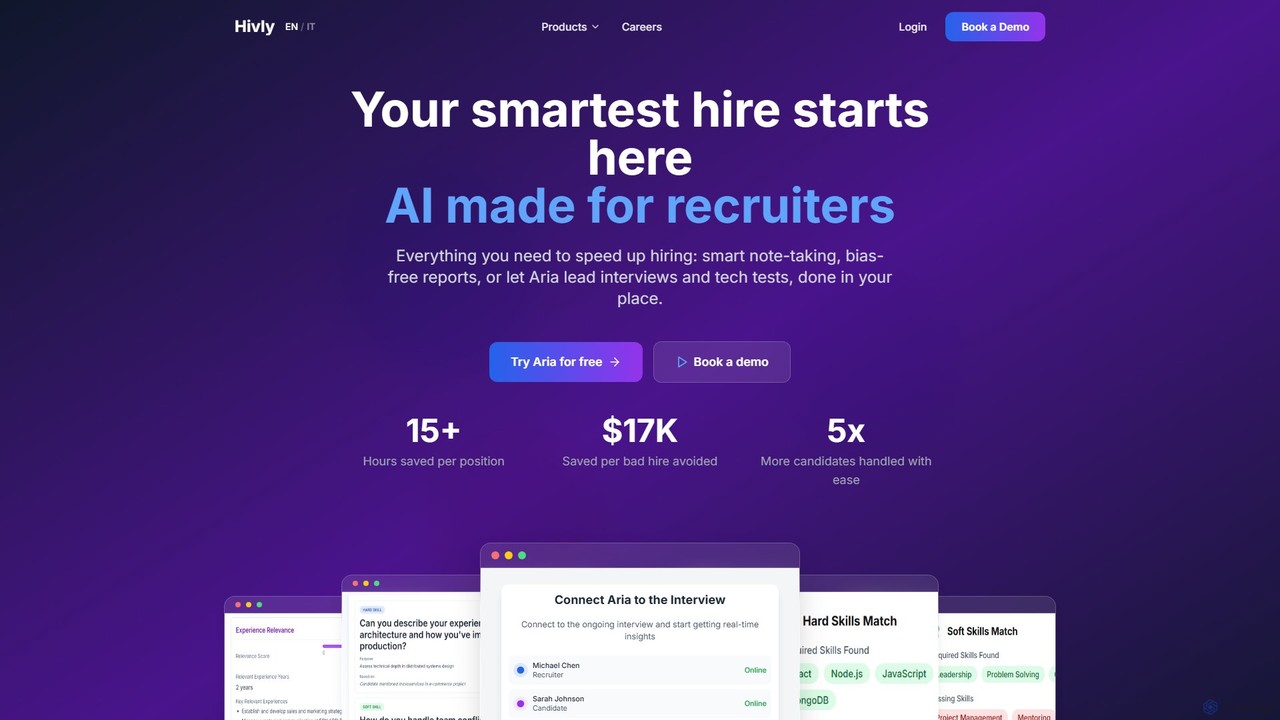
Hivly

Hivly is an AI-powered recruiting platform designed to accelerate the hiring process. Featuring an autonomous AI interviewer named …

2.6K
HireQuotient

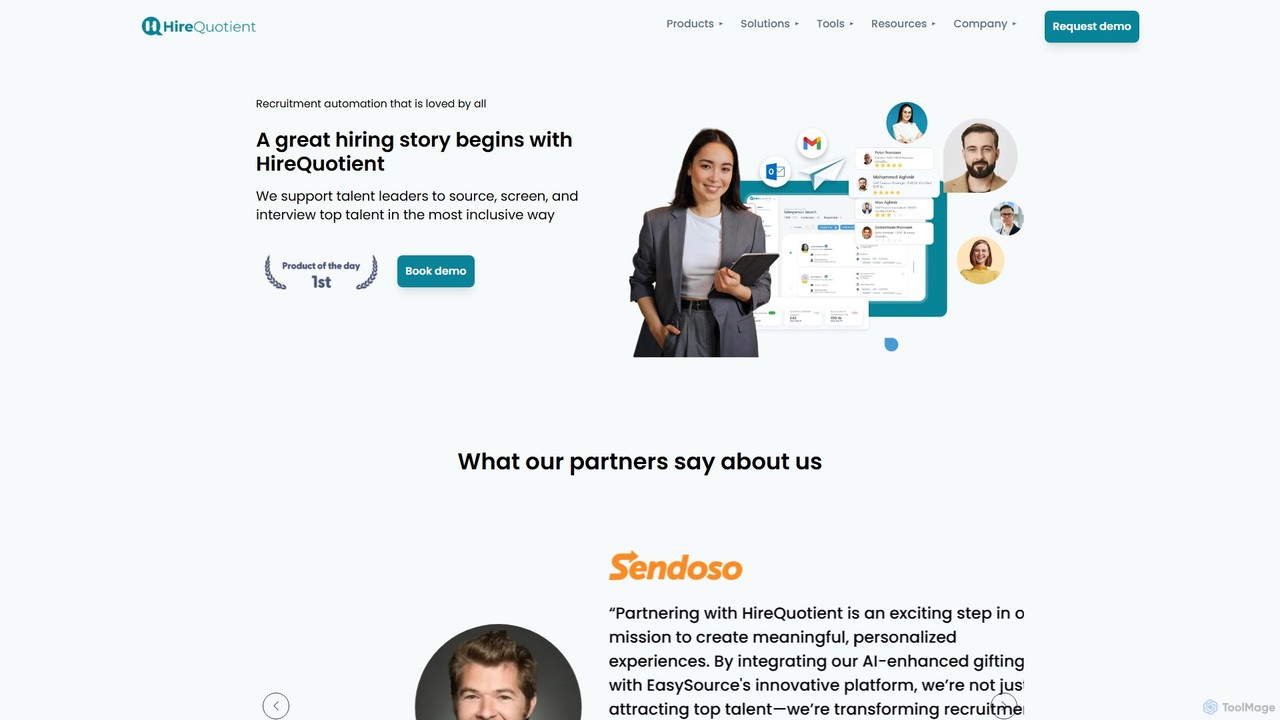
HireQuotient

HireQuotient is an end-to-end recruitment automation platform designed for non-tech hiring. It leverages AI to streamline the entire …

127.4K
HireLakeAI

HireLakeAI

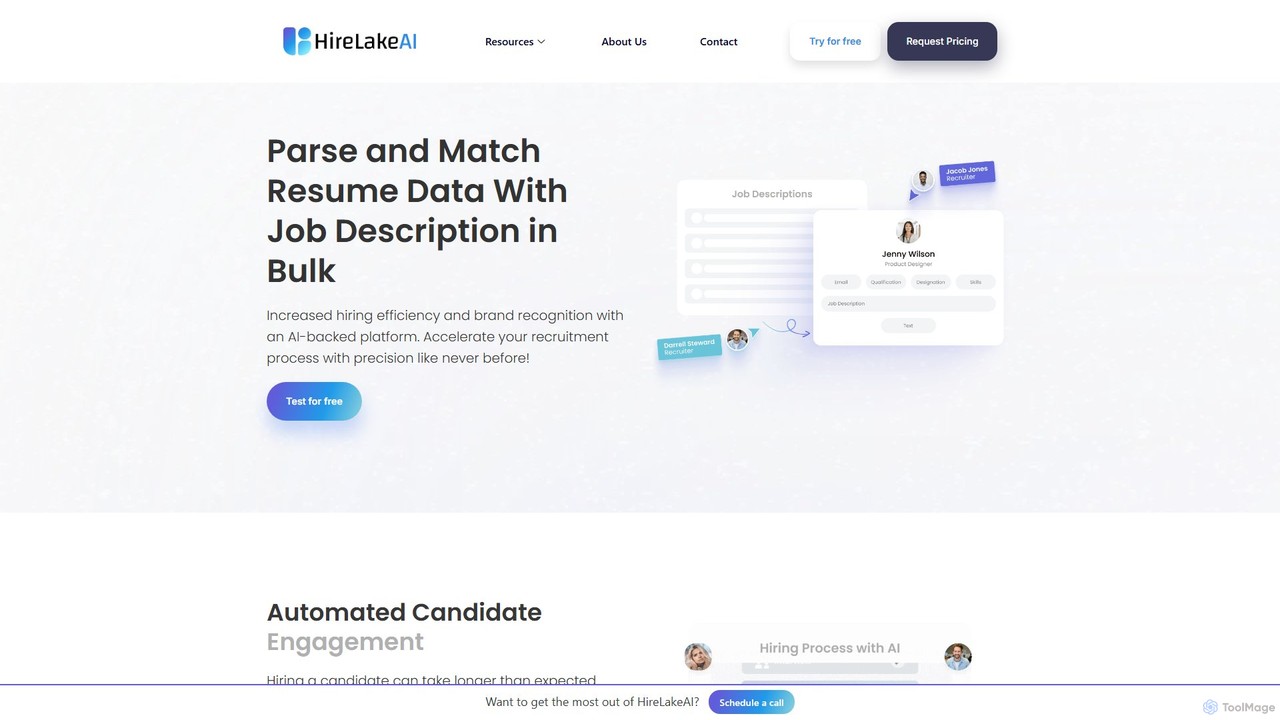
HireLakeAI is an AI-powered recruitment platform designed to streamline the hiring process. It automates resume parsing, matches candidates …

3.5K

About Candidate Screening

AI Candidate Screening tools are a specialized category of software designed to automate and enhance the initial stages of the recruitment process using artificial intelligence. These platforms leverage technologies like Natural Language Processing (NLP) and machine learning to parse resumes, analyze applicant data, and score candidates against job requirements. Their primary value lies in significantly reducing manual review time, improving the quality of candidate shortlists, and helping to mitigate unconscious bias in hiring. By focusing on skills and qualifications, these tools enable recruitment teams to handle high volumes of applications efficiently and identify top talent faster.

Core Features

  • Automated Resume Parsing: Extracts and structures key information from resumes and CVs, such as skills, work experience, and education.
  • AI-Powered Scoring & Ranking: Scores and ranks candidates based on their relevance to the job description and custom criteria, highlighting the best fits.
  • Skills & Competency Matching: Goes beyond keyword matching to understand the context and proficiency of a candidate's skills.
  • Bias Reduction Features: Anonymizes personal details like name, gender, or age to promote objective and fair evaluations.
  • Pre-employment Assessment Integration: Connects with skills testing or video interview platforms to create a comprehensive initial screening process.

Applicable Scenarios

These tools are particularly effective for large enterprises with high-volume recruitment needs, such as in retail, hospitality, or customer service. They are also invaluable for tech companies hiring for specialized roles, where precise skill matching is critical. Fast-growing startups use them to scale their hiring processes efficiently without a large HR team.

Selection Criteria

When choosing an AI Candidate Screening tool, consider its integration capabilities with your existing Applicant Tracking System (ATS). Evaluate the customization options for scoring algorithms and screening criteria. Assess the tool's commitment to data privacy and compliance (e.g., GDPR, CCPA). Finally, inquire about the measures taken to ensure fairness and mitigate algorithmic bias.

Candidate ScreeningUse Cases

1

Screening for High-Volume Customer Service Roles

A corporate recruiter for a national telecommunications company is tasked with hiring 200 new customer service representatives. They receive over 5,000 applications. Using an AI Candidate Screening tool, the recruiter sets up criteria based on years of customer-facing experience, communication skills identified in cover letters, and specific software proficiency. The AI automatically parses all resumes, scores each applicant, and provides a ranked shortlist of the top 250 candidates in a matter of hours, rather than weeks. This allows the recruiting team to immediately focus their efforts on interviewing the most qualified individuals.

2

Identifying Niche Technical Talent

A tech startup needs to hire a Senior Machine Learning Engineer with experience in both Python and specific frameworks like TensorFlow and PyTorch. The hiring manager uses an AI screening tool that goes beyond simple keyword matching. The AI understands the context of projects listed on resumes and GitHub profiles, identifying candidates who have not only used these technologies but have applied them in relevant problem domains. It also flags candidates with strong academic backgrounds in related fields, even if they don't explicitly list every keyword. This surfaces highly qualified, passive candidates who might be missed by a traditional ATS filter.

3

Promoting Fair and Unbiased Graduate Recruitment

A large consulting firm runs an annual graduate recruitment program, attracting thousands of applicants from diverse backgrounds. To ensure a fair initial screening, they use an AI tool with bias reduction features. The tool anonymizes resumes by removing names, university names, and graduation years. It then scores candidates based purely on their internship experience, project work, and specific skills relevant to consulting. This process helps level the playing field, reduces the impact of unconscious bias related to prestigious universities or backgrounds, and ensures that the initial shortlist is based on merit and potential alone.

4

Automating Initial Video Interview Analysis

A global sales organization requires candidates for a junior sales role to submit a 2-minute video answering, "How would you sell our product to a new customer?" Instead of manually watching hundreds of videos, the HR team uses an AI screening tool. The AI transcribes each video, analyzes the transcript for keywords related to their sales methodology and product features, and provides a sentiment analysis summary. Recruiters receive a dashboard ranking candidates by the relevance of their answers, allowing them to quickly identify those who understood the prompt and articulated a compelling pitch, saving dozens of hours in the screening process.

5

Standardizing Screening Across a Distributed Team

A multinational corporation has recruiters located in different countries, leading to inconsistencies in how candidates are initially evaluated. By implementing a centralized AI Candidate Screening platform, the company establishes a single, objective standard. All resumes are processed through the same algorithm, which is configured to weigh skills and experience according to global role profiles. This ensures that a candidate in India is evaluated on the same core criteria as a candidate in Germany for a similar role. The platform provides a consistent scoring system, reducing subjectivity and making the global talent acquisition process more equitable and efficient.

6

Enriching Candidate Profiles for Better Decisions

A recruiter is looking for a marketing manager but the submitted resumes seem generic. They use an AI screening tool that not only parses the resume but also enriches the candidate profile with publicly available data from professional networks like LinkedIn or code repositories like GitHub. The tool aggregates this information to create a more holistic view, highlighting a candidate's public projects, articles they've written, or online portfolio. This provides the recruiter with deeper insights beyond the resume, helping them identify candidates who demonstrate passion and real-world application of their skills, leading to a more informed shortlisting decision.

Candidate ScreeningFrequently Asked Questions