ToolMage
Sign in

Best 2 Chatbot Builder AI tools for Business

Popular Chatbot Builder AI tools in Business include Pickaxe and Stammer, helping you work more efficiently.

Pickaxe
Freemium

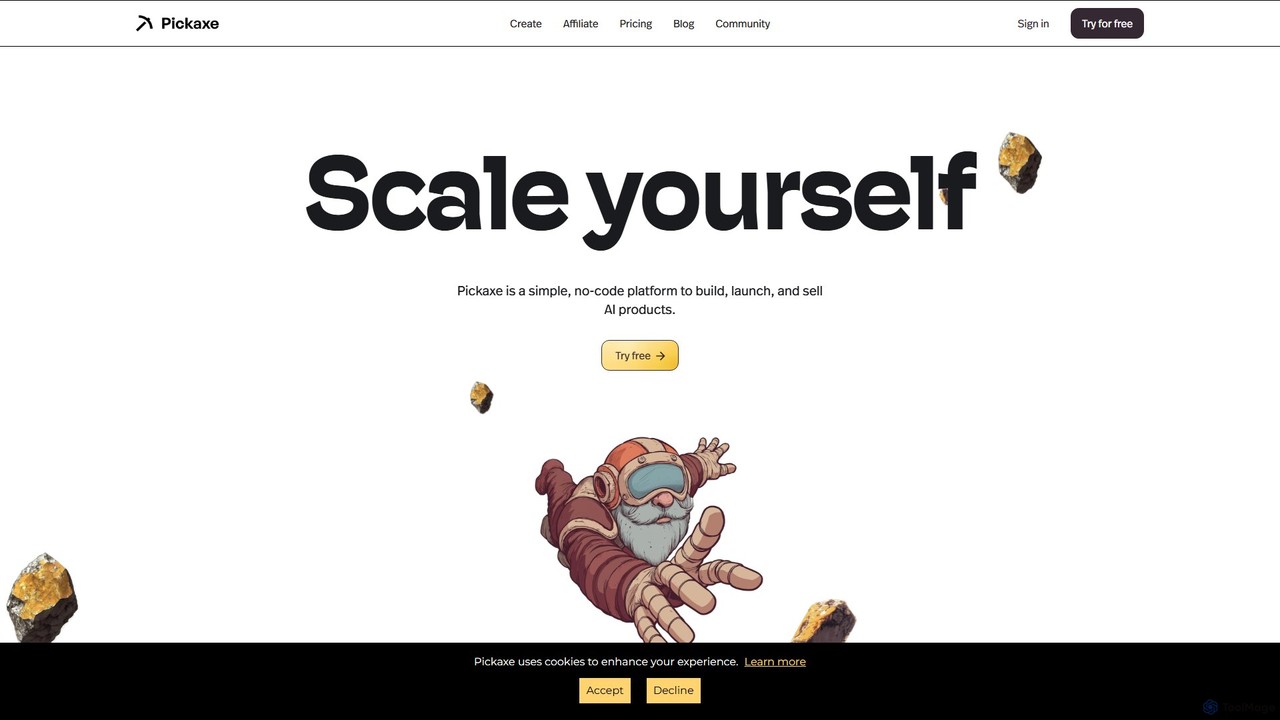
Pickaxe

Pickaxe is a simple, no-code platform designed for creators and entrepreneurs to build, deploy, and monetize custom AI agents. Train AI on your own data, expertise, and documents to create personalized tools, chatbots, and automated workflows that you can embed anywhere or sell as a service.

Chatbot Builder
Visits 185.2KFavorites 86Likes 93
Stammer
Freemium

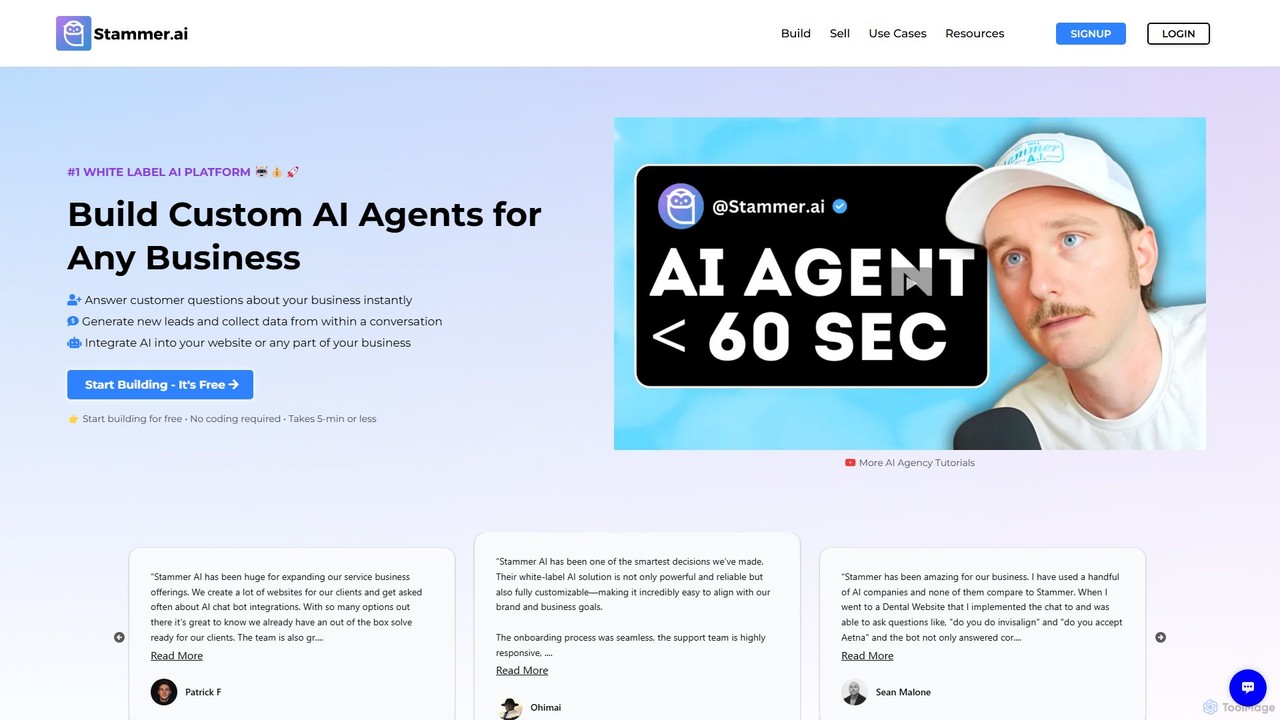
Stammer

Stammer is a premier white-label AI platform that empowers agencies and businesses to build, manage, and sell custom AI agents without any coding. Train chatbots on your business data to automate customer support, generate leads, and schedule appointments, all under your own brand.

Chatbot Builder
Visits 39.6KFavorites 128Likes 122

About Chatbot Builder

Chatbot Builders are AI-powered tools designed to create, deploy, and manage conversational AI agents without extensive coding. These platforms leverage natural language processing (NLP) and machine learning to understand user intent and provide automated, intelligent responses. They enable businesses to enhance customer service, streamline operations, and improve user engagement across various digital channels.

Core Features

  • Visual Flow Builder: Drag-and-drop interfaces for designing conversational paths and logic.
  • Natural Language Processing (NLP): Ability to understand and interpret user input, intent, and entities.
  • Multi-channel Deployment: Support for deploying chatbots on websites, messaging apps (e.g., WhatsApp, Messenger), and social media.
  • Integrations: Seamless connection with CRM systems, helpdesks, databases, and other business applications.
  • Analytics & Reporting: Tools to monitor chatbot performance, user interactions, and identify areas for improvement.

Applicable Scenarios

Chatbot Builders are widely used by businesses of all sizes to automate routine tasks and improve communication. They are ideal for customer support teams needing to handle common queries, marketing departments aiming to qualify leads, and HR teams providing instant answers to employee questions.

How to Choose

When selecting a Chatbot Builder, consider its ease of use and visual interface, the depth of its NLP capabilities, available integration options with your existing tech stack, and its scalability to handle growing user volumes. Evaluate pricing models and the level of support offered to ensure it aligns with your business needs and budget.

Featured tool rankings

Chatbot Builder use cases

1

Automating Customer Support Inquiries

Customer service managers can use Chatbot Builders to create AI agents that handle frequently asked questions (FAQs), provide instant product information, and guide users through troubleshooting steps 24/7. This reduces agent workload, improves response times, and ensures consistent support, leading to higher customer satisfaction.

2

Qualifying Sales Leads on Websites

Marketing and sales teams deploy chatbots on landing pages to engage website visitors, ask qualifying questions (e.g., budget, needs, timeline), and collect contact information. The chatbot can then route qualified leads directly to sales representatives, significantly improving lead conversion rates and sales efficiency.

3

Personalizing E-commerce Shopping Experiences

E-commerce businesses utilize Chatbot Builders to develop virtual shopping assistants that recommend products based on user preferences, answer questions about inventory or shipping, and assist with order tracking. This personalized interaction enhances the shopping journey, reduces cart abandonment, and boosts sales.

4

Providing Instant HR & IT Support for Employees

Internal HR and IT departments can build chatbots to answer common employee queries regarding policies, benefits, password resets, or software issues. This provides immediate assistance, reduces the burden on support staff, and allows employees to quickly find information without waiting for human intervention.

5

Collecting User Feedback and Conducting Surveys

Product managers and researchers use Chatbot Builders to design interactive surveys and feedback collection tools. Chatbots can engage users in a conversational manner, ask follow-up questions based on responses, and gather valuable insights more effectively than traditional forms, improving product development and user experience.

6

Streamlining Appointment Booking and Scheduling

Service-based businesses, such as clinics, salons, or consultants, can implement chatbots to automate the appointment booking process. Users interact with the chatbot to check availability, select services, and confirm appointments, reducing administrative tasks and ensuring a smooth scheduling experience for both customers and staff.

Chatbot Builder FAQ

What are Chatbot Builders?

Chatbot Builders are software platforms that enable individuals and businesses to create, design, and deploy automated conversational agents, known as chatbots. These tools typically feature visual interfaces and pre-built templates, allowing users to define conversation flows, integrate natural language processing (NLP) capabilities, and connect with various communication channels without needing to write complex code.

How to choose the right Chatbot Builder?

When selecting a Chatbot Builder, consider its ease of use (visual interface, templates), the robustness of its NLP capabilities for understanding user intent, its integration options with your existing CRM, helpdesk, or e-commerce platforms, and its scalability to handle your anticipated user volume. Also, evaluate the pricing structure, available support, and the range of deployment channels it supports (e.g., web, WhatsApp, Messenger).

What's the difference between AI chatbots and rule-based chatbots?

AI chatbots, often built with Chatbot Builders, use natural language processing (NLP) and machine learning to understand user intent, context, and sentiment, allowing for more flexible and human-like conversations. Rule-based chatbots, in contrast, operate on predefined rules, keywords, and decision trees, providing responses only to specific, pre-programmed queries. AI chatbots are better for complex, dynamic interactions, while rule-based bots excel at handling structured FAQs.

What are the main benefits of using a Chatbot Builder?

Using a Chatbot Builder offers several key benefits, including 24/7 customer support availability, reduced operational costs by automating routine inquiries, improved customer satisfaction through instant responses, enhanced lead generation and qualification, and the ability to personalize user experiences. They also empower non-technical users to create and manage sophisticated conversational AI solutions efficiently.

Do I need coding skills to use a Chatbot Builder?

Most modern Chatbot Builders are designed to be user-friendly and require little to no coding skills. They typically feature intuitive drag-and-drop interfaces, visual flow designers, and pre-built templates that allow users to construct complex conversational logic graphically. While some advanced integrations or custom functionalities might benefit from basic technical knowledge, the core chatbot creation process is generally accessible to business users and marketers.