Business Best in category 1 results Cloud Management AI Tool

Popular AI tools in the Cloud Management field of Business include CloudVerse AI, etc., helping you quickly improve efficiency.

CloudVerse AI

CloudVerse AI

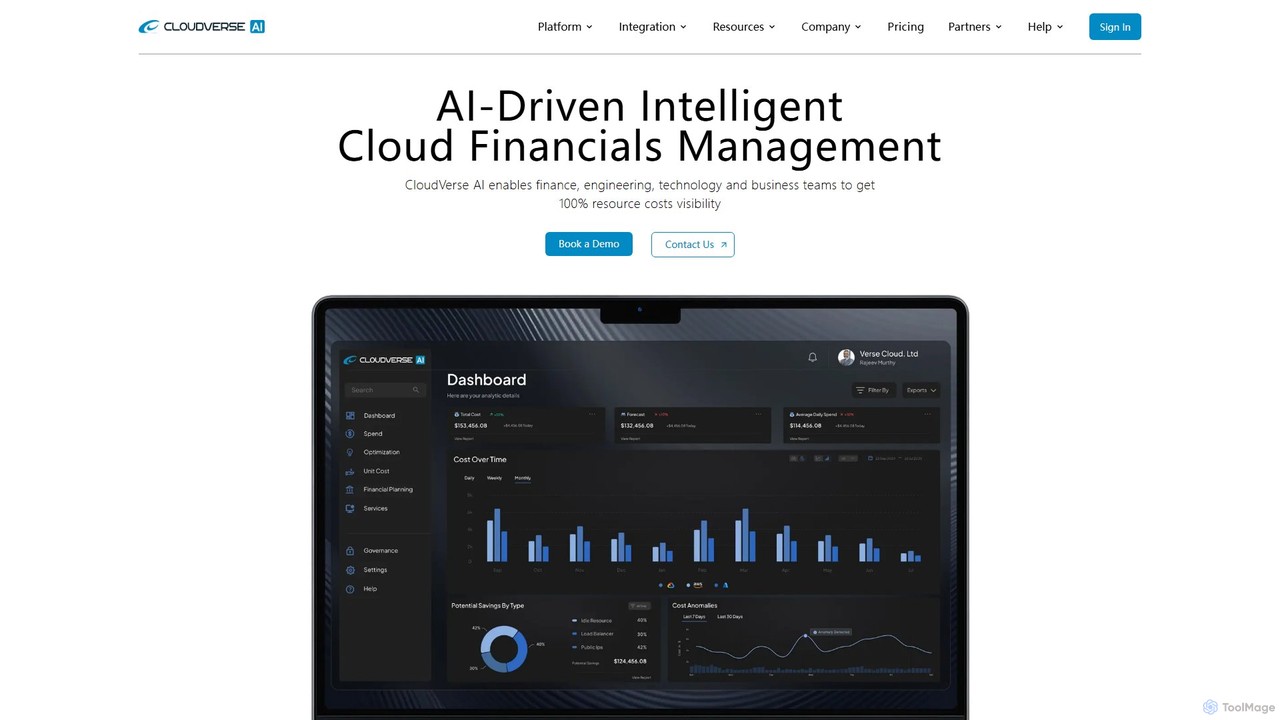
CloudVerse AI is an AI-powered FinOps platform designed for comprehensive cloud financial management. It helps enterprises govern, manage, …

3.5K

About Cloud Management

AI Cloud Management tools are platforms that leverage artificial intelligence to automate and optimize the administration of cloud environments. These tools analyze vast amounts of data from services like AWS, Azure, and GCP to provide predictive insights, identify anomalies, and automate complex tasks such as cost management and security monitoring. They help organizations reduce cloud spending, enhance security posture, and ensure the performance of applications. This intelligent approach moves beyond simple monitoring to proactive, data-driven cloud operations within the broader business software ecosystem.

Core Features

  • Predictive Cost Optimization: Analyzes usage patterns to forecast spending and recommend specific actions for cost reduction.
  • Automated Anomaly Detection: Uses machine learning to identify unusual performance metrics or security events in real-time.
  • Intelligent Resource Scaling: Automatically adjusts cloud resources based on predictive demand to maintain performance and control costs.
  • Continuous Security & Compliance: Scans configurations and logs to detect vulnerabilities and ensure adherence to industry standards like GDPR or HIPAA.

Use Cases

These tools are essential for DevOps teams, FinOps professionals, and IT administrators in organizations with significant cloud footprints. They are particularly valuable in complex multi-cloud or hybrid environments where manual oversight is impractical. Common applications include managing Kubernetes clusters, securing sensitive data, and providing accurate financial forecasting for cloud expenditure.

How to Choose

When selecting an AI Cloud Management tool, consider its integration capabilities with your cloud providers. Evaluate the sophistication of its AI models for cost optimization and anomaly detection. Also, assess its automation features, reporting capabilities, and the pricing model to ensure it aligns with your budget and operational needs.

Cloud ManagementUse Cases

1

Automate Cloud Cost Control for Startups

A fast-growing tech startup's finance team uses an AI cloud management tool to gain control over their escalating AWS bill. The platform's AI engine continuously analyzes resource usage across all developer accounts. It automatically identifies idle or underutilized EC2 instances and RDS databases, then schedules them for shutdown during non-business hours. This process, known as 'cloud waste' reduction, directly cuts operational costs without requiring manual intervention from the busy DevOps team, saving the company up to 30% on their monthly cloud spend.

2

Proactive Performance Monitoring for E-commerce

An e-commerce platform's Site Reliability Engineering (SRE) team relies on an AI cloud management tool to prevent outages during peak shopping seasons. The tool's machine learning models analyze historical traffic data and current user activity to predict upcoming demand spikes. Before a major sales event, it proactively scales up web servers and database capacity to handle the anticipated load. This ensures a smooth customer experience and maximizes revenue by avoiding performance degradation or website crashes.

3

Enhance Security in a Multi-Cloud Environment

A financial services company with infrastructure on both Azure and Google Cloud uses an AI tool to maintain a consistent security posture. The platform continuously scans for security misconfigurations, such as publicly accessible storage buckets or overly permissive IAM roles. Its AI algorithm prioritizes alerts based on the severity of the risk, allowing the security team to focus on the most critical vulnerabilities first. This automated vigilance helps prevent data breaches and ensures compliance with financial regulations.

4

Simplify Compliance Audits for Healthcare

A healthcare technology provider uses an AI cloud management platform to streamline its HIPAA compliance process. The tool automates the monitoring of cloud infrastructure against HIPAA security rule requirements. It continuously checks for things like data encryption, access controls, and logging. When it's time for an audit, the platform generates comprehensive reports with evidence of compliance, reducing the manual effort required from the compliance team by weeks and providing a clear audit trail.

5

Optimize Kubernetes Resource Utilization

A DevOps team managing large-scale Kubernetes clusters uses an AI-powered tool to improve efficiency and reduce costs. The tool analyzes real-time and historical resource consumption of pods and containers. Based on this data, it provides precise recommendations for setting CPU and memory requests and limits. By applying these 'rightsizing' recommendations, the team eliminates resource waste, improves cluster stability, and can run more applications on the same hardware, delaying the need for costly infrastructure expansion.

6

Forecast Cloud Spend for Financial Planning

The FinOps team at a large enterprise uses an AI cloud management tool for accurate budget forecasting. The tool ingests historical billing data and correlates it with business metrics, such as user growth or product launches. Its predictive models generate detailed quarterly and annual forecasts of cloud expenditure, broken down by department or project. This allows the finance department to create more accurate budgets and make informed decisions about future technology investments.

Cloud ManagementFrequently Asked Questions