Business Best in category 4 results Coaching AI Tool

Popular AI tools in the Coaching field of Business include Vibly、GetDealsAI、GetZing、Closerly, etc., helping you quickly improve efficiency.

GetDealsAI

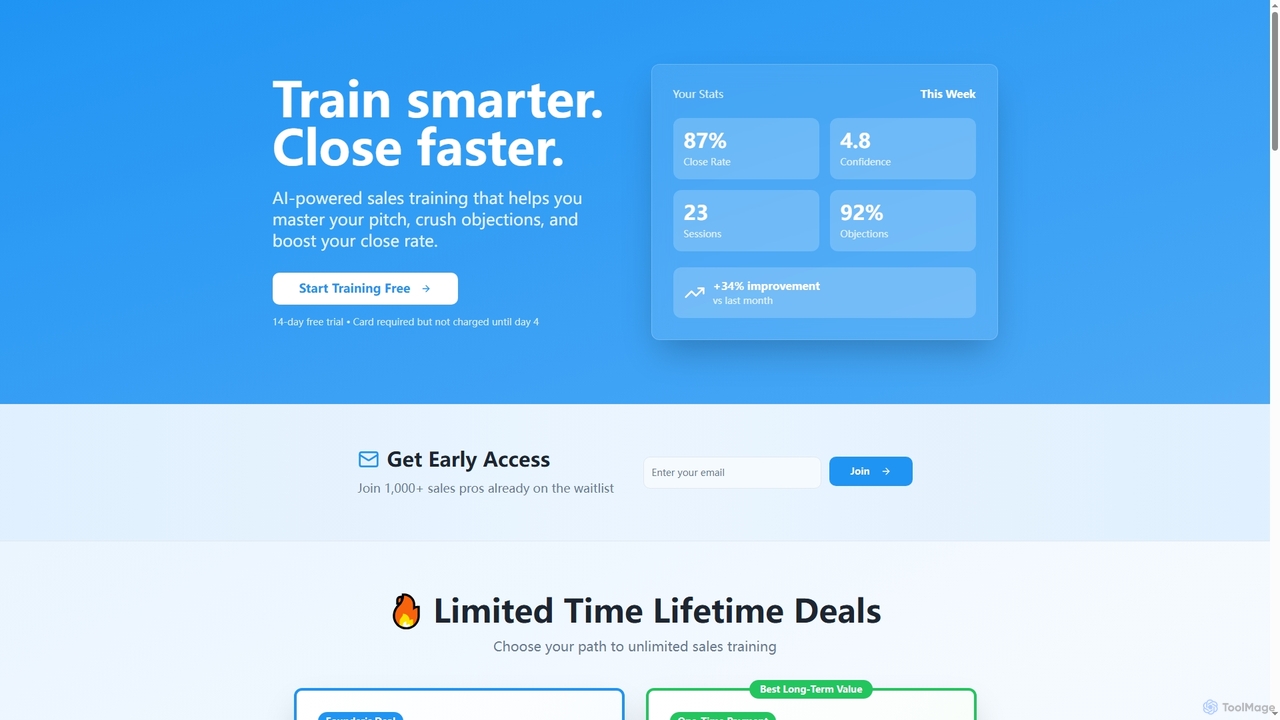
GetDealsAI

GetDealsAI is an AI-powered sales training platform designed to help sales professionals master their pitch, overcome objections, and …

2.8K
Closerly

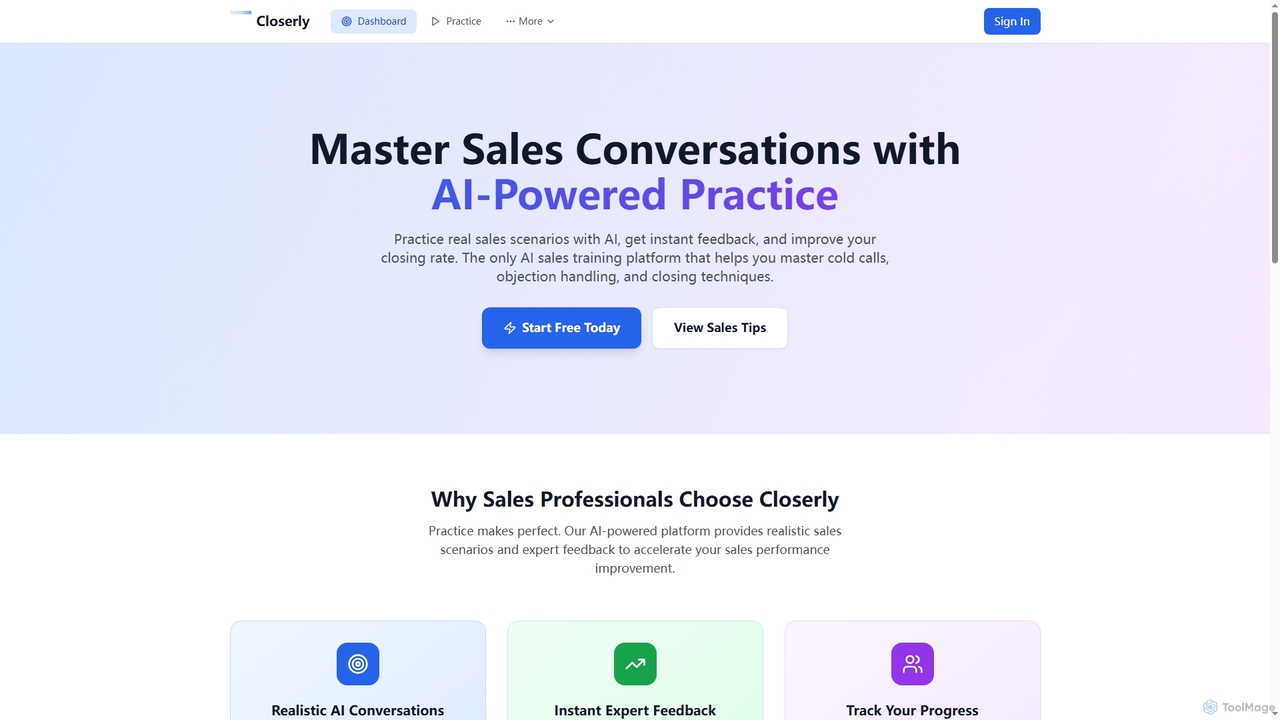
Closerly

Closerly is an AI-powered sales training platform designed to help sales professionals master conversations, improve closing rates, and …

2.8K
Vibly

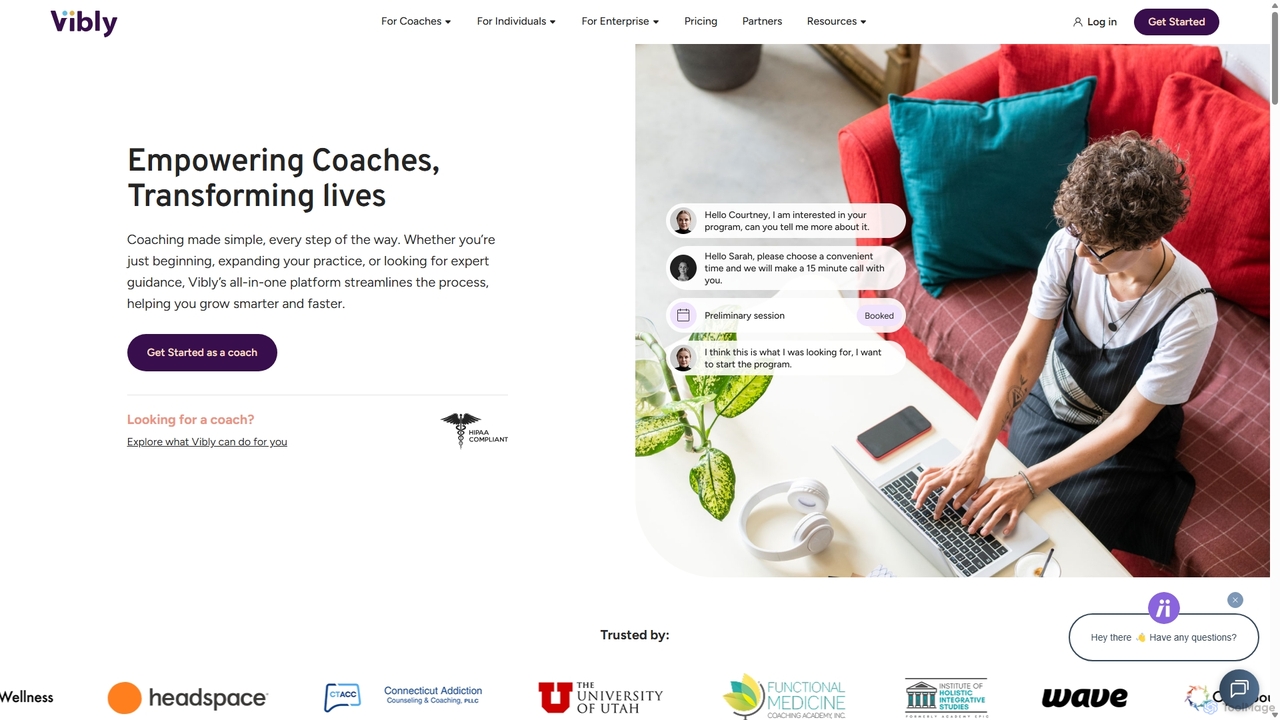
Vibly

Vibly is an all-in-one, AI-powered client management platform designed for coaches. It streamlines every aspect of a coaching …

12.6K
GetZing

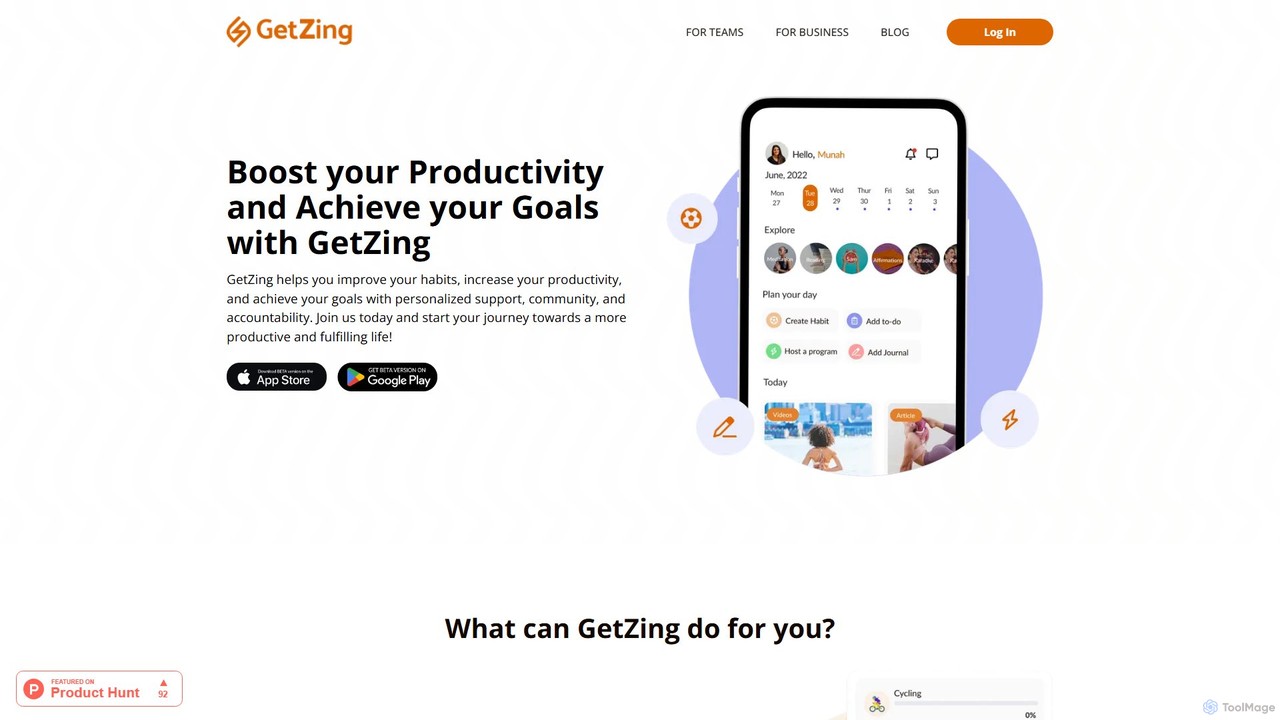
GetZing

GetZing is an AI-powered productivity and habit management platform for individuals, teams, and businesses. It helps you build …

2.8K

About Coaching

AI Coaching tools are intelligent platforms that use artificial intelligence to deliver personalized guidance for professional and personal development. These tools leverage technologies like Natural Language Processing (NLP) and machine learning to analyze user input, track progress against goals, and provide actionable feedback. They make coaching more accessible, scalable, and data-driven, enabling individuals and organizations to unlock their potential. The primary value lies in providing consistent, on-demand support that complements or automates traditional coaching methods.

Core Features

  • Goal Setting & Progress Tracking: AI assists in defining clear, measurable objectives and automatically monitors milestones and performance metrics.
  • Conversation Analysis: Utilizes NLP to analyze text or voice conversations, offering insights into communication patterns, sentiment, and key topics.
  • Personalized Nudges & Reminders: Delivers automated, timely prompts and motivational messages to keep users engaged and accountable.
  • Actionable Feedback & Insights: Generates data-driven reports and suggestions to help users identify strengths and areas for improvement.
  • Resource Curation: Recommends relevant learning materials, such as articles or exercises, tailored to individual development needs.

Use Cases

AI Coaching tools are widely adopted in corporate environments for leadership development, sales team training, and employee wellness programs. Professional coaches use them to scale their practice and manage clients more efficiently. Individuals also use these tools for career development, skill-building, and achieving personal life goals.

How to Choose

When selecting an AI Coaching tool, consider its specific focus area (e.g., leadership, wellness, sales). Evaluate its data privacy and security protocols, as confidentiality is crucial. Assess its integration capabilities with other business systems like HRIS or communication platforms. Finally, review the quality of its analytics and reporting features to ensure they align with your measurement goals.

CoachingUse Cases

1

Enhancing Leadership Skills for New Managers

A mid-sized tech company uses an AI coaching platform to support newly promoted managers. The tool provides a confidential space for them to practice difficult conversations through role-playing with an AI. It analyzes their communication style, offering instant feedback on clarity, tone, and empathy. The platform also sets weekly leadership goals, tracks progress through automated check-ins, and suggests micro-learning modules on topics like delegation and team motivation, accelerating their development curve without constant senior management oversight.

2

Boosting Sales Team Performance with Conversation Intelligence

A sales organization integrates an AI coaching tool with its CRM and call recording software. The AI analyzes sales call transcripts and audio to identify patterns in top-performing representatives' conversations, such as effective questioning techniques and objection handling. It then provides personalized feedback and coaching tips to each sales rep, highlighting specific moments in their calls for improvement. This data-driven approach helps standardize best practices and measurably increases conversion rates across the team.

3

Scaling Employee Wellness and Mental Health Support

A large enterprise offers an AI-powered wellness coach to all employees as part of its benefits package. The app provides 24/7 confidential support for stress management, mindfulness, and work-life balance. Users can engage in guided exercises, track their mood, and set personal wellness goals. The AI provides gentle nudges and personalized content based on the user's stated needs, making mental health support accessible and stigma-free for the entire workforce.

4

Automating Onboarding for Remote Employees

A company with a distributed workforce uses an AI coach to streamline the onboarding process for new hires. The AI creates a personalized 90-day plan for each new employee, setting clear expectations and milestones. It automates check-ins, answers frequently asked questions about company culture and processes, and connects them with relevant resources and team members. This ensures a consistent and engaging onboarding experience, improving new hire retention and productivity.

5

Guiding Individual Career Development

A professional looking to transition into a new industry uses a personal AI career coach. After assessing their skills and interests, the tool helps them identify potential career paths and skills gaps. It curates a personalized learning plan with recommended online courses and articles. The AI coach also helps them practice for interviews by simulating common questions and providing feedback on their responses, building their confidence and readiness for the job market.

6

Streamlining Client Management for Professional Coaches

An executive coach uses an AI coaching platform to manage their growing client base. The tool automates administrative tasks like scheduling sessions, sending reminders, and sharing follow-up notes. It also provides a secure portal for clients to track their goals and access resources. The AI can analyze session notes (with client consent) to highlight recurring themes and track progress over time, allowing the coach to focus on delivering high-impact sessions rather than on administrative work.

CoachingFrequently Asked Questions