ToolMage
Sign in

Best 2 Communication Skills AI tools for Business

Popular Communication Skills AI tools in Business include VoxAI and interflexion, helping you work more efficiently.

VoxAI
Freemium

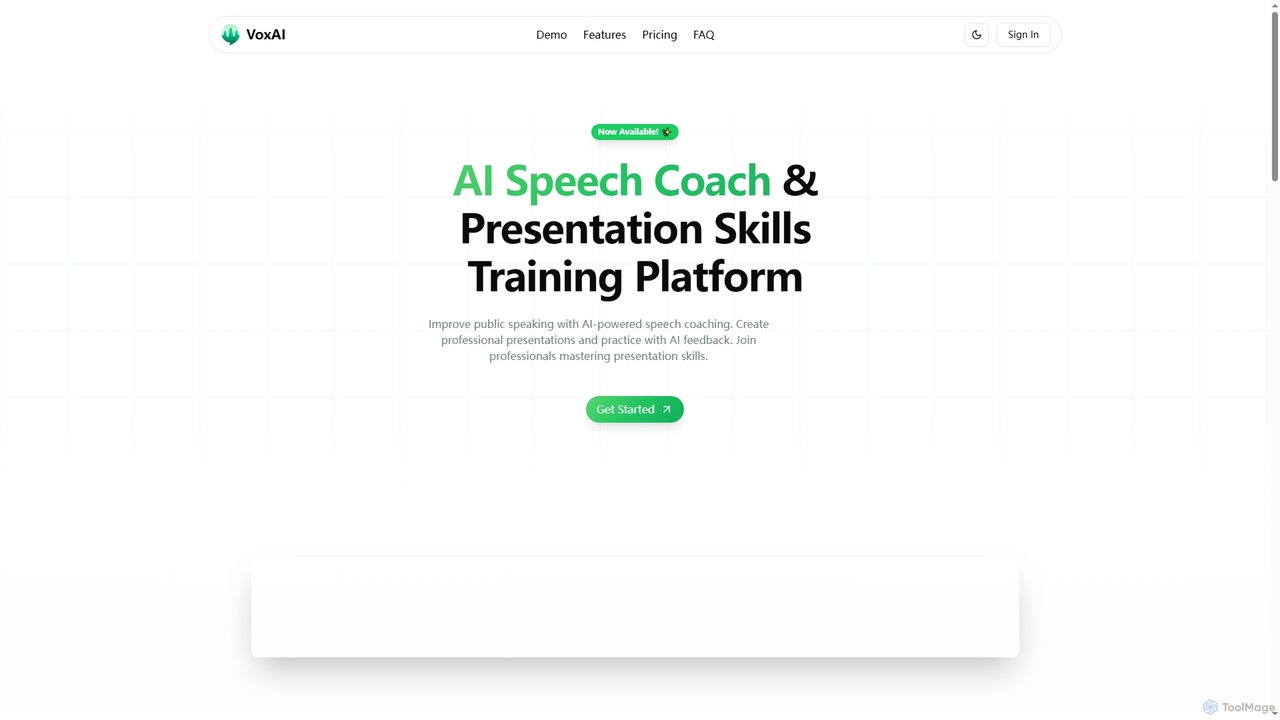
VoxAI

VoxAI is an AI-powered speech coach and presentation skills training platform designed to help professionals master public speaking. It offers AI-generated speech content, detailed performance analysis, and real-time feedback to enhance delivery, confidence, and engagement for various presentation styles.

Communication Skills
Visits 8.9KFavorites 115Likes 102
interflexion

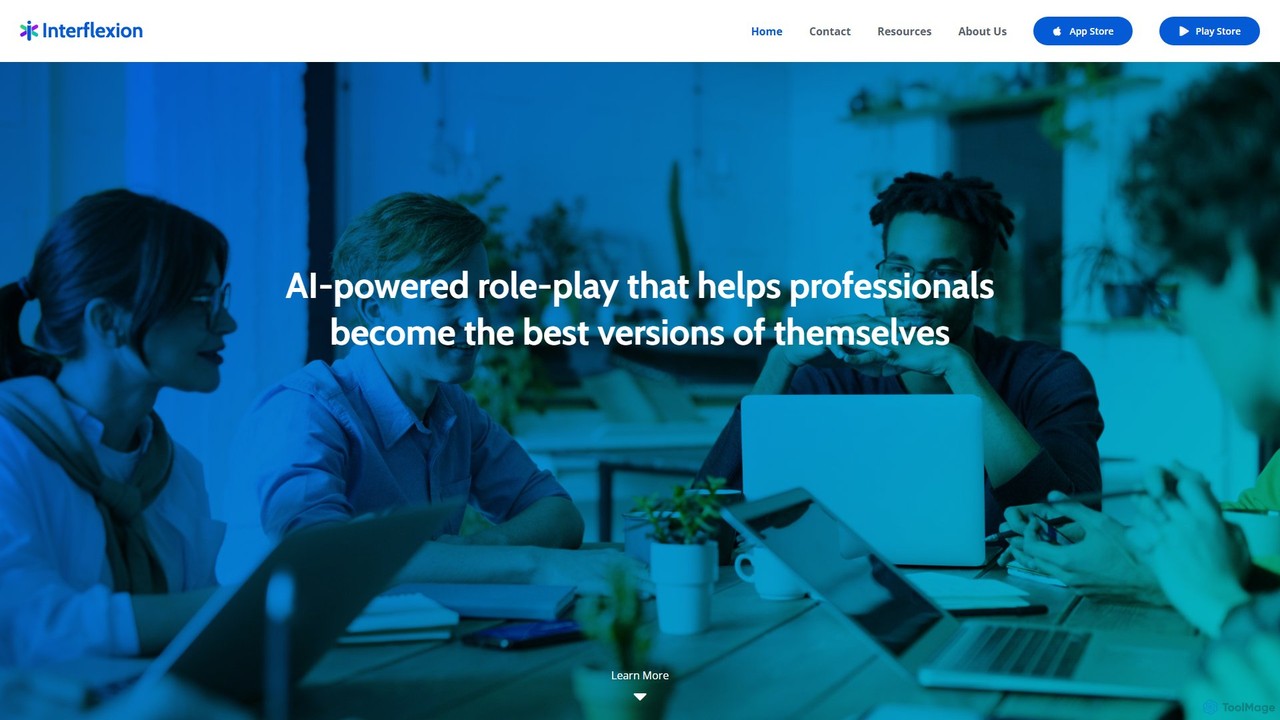
interflexion

Interflexion is an AI-powered role-playing platform designed to enhance professional interpersonal and leadership skills. Through interactive scenarios via voice, video, or text, users practice crucial conversations in a safe environment. The platform provides personalized, data-driven feedback and behavioral insights, acting as a personal coach available 24/7. It helps professionals build confidence, improve self-awareness, and measurably track their skill development over time, making high-quality coaching scalable and accessible for individuals and organizations.

Communication Skills
Visits 6KFavorites 141Likes 149

About Communication Skills

AI Communication Skills tools are a specialized category of business software designed to analyze and improve human interaction. These platforms leverage technologies like Natural Language Processing (NLP) and speech analysis to provide data-driven feedback on verbal and written communication. They help users enhance clarity, confidence, and persuasiveness in professional settings. By identifying areas for improvement, such as filler word usage, pacing, and tone, these tools offer a private and effective way to practice and refine communication abilities.

Core Features

  • Real-time Coaching: Provides live feedback and suggestions on speech patterns, word choice, and tone during virtual meetings or practice sessions.
  • Post-communication Analysis: Generates detailed reports on recorded speeches or conversations, highlighting key metrics like talk-to-listen ratio, sentiment, and clarity.
  • AI-powered Simulations: Offers role-playing scenarios with AI avatars to practice difficult conversations, such as sales negotiations or performance reviews.
  • Personalized Learning Paths: Creates customized exercises and content based on an individual's specific communication goals and weaknesses.

Use Cases

These tools are widely used by sales teams to refine pitches, managers to lead more effective meetings, and customer service agents to improve client interactions. They are also valuable for public speakers, executives, and any professional seeking to enhance their presentation and interpersonal skills in a corporate environment.

How to Choose

When selecting an AI Communication Skills tool, consider its integration capabilities with your existing platforms (e.g., Zoom, Microsoft Teams). Evaluate the depth and type of feedback provided (verbal, non-verbal, content-based). Assess the platform's data privacy and security policies, and ensure its focus aligns with your specific needs, whether for sales, leadership, or general professional development.

Communication Skills use cases

1

Rehearsing a High-Stakes Sales Pitch

A sales representative preparing for a crucial client meeting uses an AI communication coach to practice their pitch. They record multiple versions of their presentation, and the AI provides instant, detailed feedback. The analysis highlights overuse of filler words like 'um' and 'ah', suggests a more confident tone in specific sections, and measures the clarity of their value proposition. The representative can then re-record, focusing on these specific areas, ensuring they enter the real meeting feeling prepared and polished, significantly increasing their chances of closing the deal.

2

Improving Team Meeting Effectiveness

A team manager uses an AI tool that integrates with their video conferencing platform to analyze meeting dynamics. After a weekly sync, the tool generates a report showing the talk-to-listen ratio for each participant, identifies moments of high engagement through sentiment analysis, and flags instances of interruption. The manager uses these objective insights to facilitate more inclusive discussions in the future, ensuring all team members have a chance to contribute and keeping conversations constructive and focused on goals.

3

Training Customer Service Agents

A call center implements an AI simulation tool for training new customer service agents. Instead of practicing on real customers, new hires engage in role-playing scenarios with an AI avatar that mimics various customer personas, from angry to confused. The AI provides real-time feedback on the agent's tone, empathy, and problem-solving language. This allows agents to build confidence and master de-escalation techniques in a safe, controlled environment, leading to higher customer satisfaction scores once they begin handling live calls.

4

Preparing for a Public Speaking Engagement

An executive preparing for a keynote speech at an industry conference uses an AI tool to refine their delivery. They upload a video of their rehearsal, and the platform analyzes both verbal and non-verbal cues. The report provides a timeline of their pacing, identifies moments where their energy dropped, and even tracks eye contact with the camera. This detailed, objective feedback allows the executive to polish their performance, ensuring their message is delivered with maximum impact and engagement.

5

Enhancing Written Business Communication

An employee drafting an important email to a major stakeholder uses an AI writing assistant focused on communication skills. Beyond basic grammar and spelling, the tool analyzes the email's tone, clarity, and persuasiveness. It might suggest rephrasing a sentence to sound more collaborative, or flag jargon that the recipient might not understand. This ensures the final message is not only error-free but also strategically crafted to achieve its intended purpose and maintain a positive professional relationship.

6

Developing Leadership Communication Skills

A newly promoted manager uses an AI coaching platform to develop their leadership communication. The platform offers modules on giving constructive feedback, motivating a team, and handling difficult conversations. Through AI-powered role-play, the manager practices a performance review with a virtual employee. The AI provides feedback on their balance of positive and constructive points, their clarity, and their empathetic tone, helping them become a more effective and respected leader.

Communication Skills FAQ

What are AI Communication Skills tools?

AI Communication Skills tools are applications that use artificial intelligence to analyze how you speak and write, providing feedback to help you improve. They go beyond simple grammar checks to evaluate factors like tone, clarity, confidence, pacing, and use of filler words. These tools act as a personal coach, allowing you to practice presentations, sales pitches, or difficult conversations in a private, data-driven environment to become a more effective communicator.

How do I choose the right AI communication coach?

To choose the right tool, consider these factors:

  • Primary Use Case: Are you focused on public speaking, sales calls, team meetings, or writing? Select a tool specialized for your needs.
  • Integration: Does it integrate with your daily workflow tools like Zoom, Microsoft Teams, or your email client?
  • Feedback Depth: Look for tools that offer detailed, actionable insights beyond simple metrics. Analysis of tone, sentiment, and non-verbal cues (for video) is valuable.
  • Privacy and Security: Since you'll be sharing sensitive communication data, ensure the provider has strong security policies and clearly states how your data is used.
What's the difference between AI Communication tools and grammar checkers?

The primary difference is their focus. Grammar checkers, like Grammarly, focus on the correctness of written text—they check for spelling, grammar, and punctuation errors. AI Communication Skills tools have a broader scope, focusing on the effectiveness of communication. They analyze not just what you say, but how you say it, including tone, confidence, clarity, and persuasiveness in both spoken and written formats. They are designed to coach overall communication performance, not just fix textual errors.

Who can benefit from using AI Communication Skills tools?

A wide range of professionals can benefit. This includes:

  • Sales Teams: To refine pitches, handle objections, and build better rapport with clients.
  • Managers and Leaders: To conduct more effective meetings, provide clearer feedback, and motivate their teams.
  • Customer Service Agents: To improve empathy, de-escalate conflicts, and increase customer satisfaction.
  • Public Speakers and Executives: To deliver more engaging and impactful presentations.
  • Job Seekers: To practice for interviews and present themselves more confidently.

Essentially, anyone in a role that requires clear, confident, and persuasive communication can find value in these tools.

How do these AI tools analyze my speech?

These tools use a combination of technologies. First, Speech-to-Text converts your spoken words into a machine-readable transcript. Then, Natural Language Processing (NLP) analyzes the content, structure, and sentiment of your words. Simultaneously, Acoustic Analysis examines non-verbal cues like your pitch, volume, pace, and tone of voice. Machine learning models, trained on vast datasets of effective communication, then compare your patterns to established benchmarks to provide specific, actionable feedback.