Business Best in category 7 results Competitor Analysis AI Tool

Popular AI tools in the Competitor Analysis field of Business include Pipiads、Competera、IdeaApe、GapScout、Telescope、wtfdoesthiscompanydo、Osum, etc., helping you quickly improve efficiency.

Pipiads

Pipiads

Pipiads is the leading TikTok ad spy tool and ad library, designed for e-commerce professionals, dropshippers, and marketers. …

319.3K
Free
wtfdoesthiscompanydo

wtfdoesthiscompanydo

An AI-powered tool that instantly explains what a company does by analyzing its website URL. It cuts through …

3.1K
Telescope

Telescope

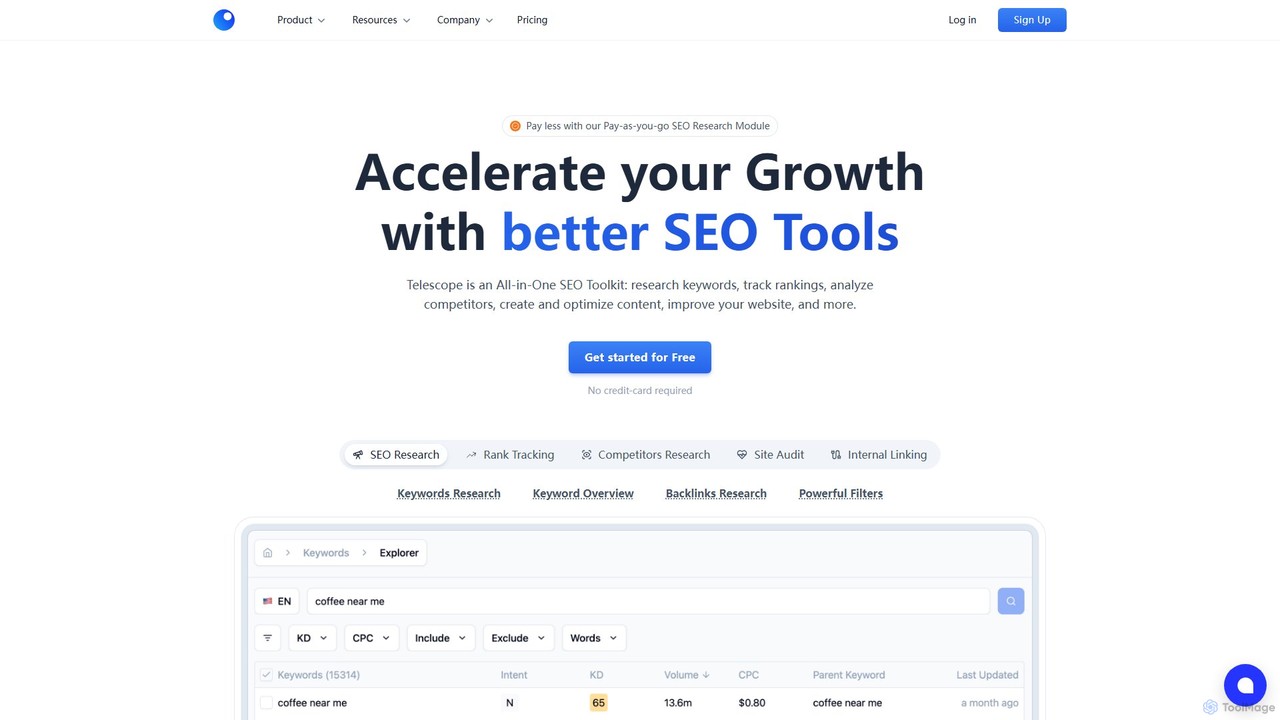
Telescope is a comprehensive, all-in-one SEO toolkit designed to streamline your digital marketing strategy. It combines powerful features …

3.5K
Competera

Competera

Competera is an AI-powered pricing platform for online and omnichannel retailers. It provides real-time competitor price monitoring, dynamic …

34.4K
IdeaApe

IdeaApe

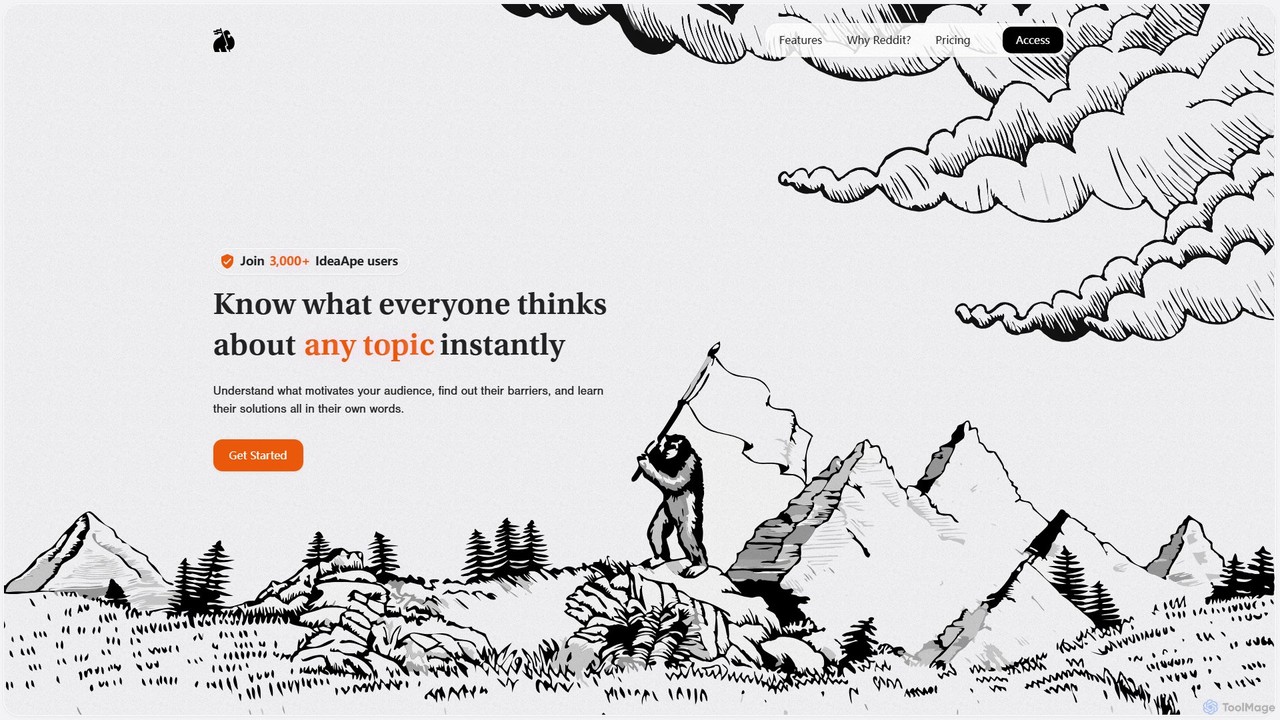
IdeaApe is an AI-powered market research platform that leverages authentic conversations from Reddit to provide deep consumer insights. …

5.8K
GapScout

GapScout

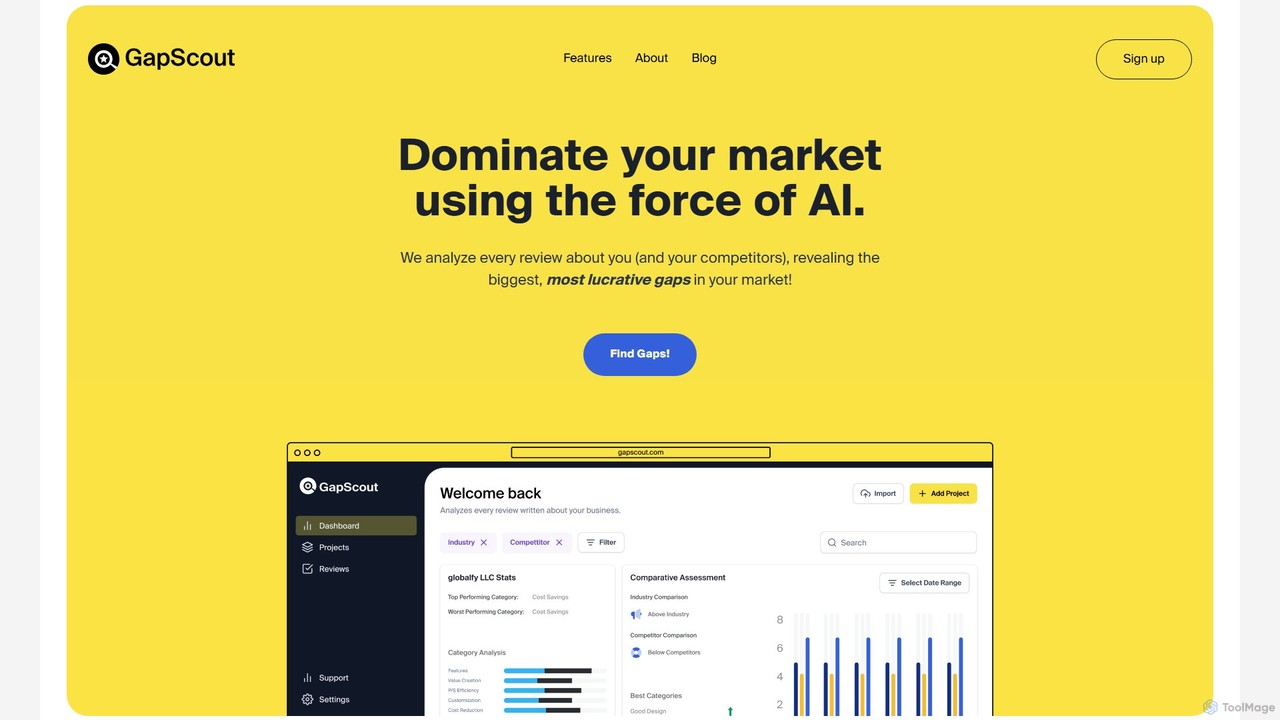
GapScout is an AI-powered market research platform that analyzes customer reviews to uncover market gaps, competitive insights, and …

5.2K
Osum

Osum

Osum is an AI-powered market research platform that delivers deep competitive analysis and customer insights in seconds. It …

3.0K

About Competitor Analysis

AI Competitor Analysis tools are specialized platforms that automate the process of gathering, monitoring, and analyzing data about business rivals. These tools employ technologies like web scraping, machine learning, and natural language processing (NLP) to track a wide range of competitor activities across digital channels. They provide businesses with actionable, real-time intelligence, enabling them to make informed decisions on marketing, product development, and pricing strategies without extensive manual effort.

Core Features

  • SEO & SEM Analysis: Tracks competitor keyword rankings, backlink profiles, and paid search ad campaigns.
  • Social Media Monitoring: Analyzes competitor content performance, engagement rates, and audience sentiment on social platforms.
  • Content Intelligence: Identifies top-performing content formats and topics within an industry to inform content strategy.
  • Pricing & Product Tracking: Monitors changes in competitor pricing, product features, and new launches automatically.
  • Ad Intelligence: Deconstructs competitor advertising strategies, revealing ad copy, creatives, and placement.

Use Cases

These tools are widely used by marketing teams to refine campaign strategies, product managers to identify market gaps and opportunities, and e-commerce businesses to implement dynamic pricing. Sales teams also use them to understand competitor positioning and gain an edge in pitches.

How to Choose

When selecting a tool, consider the scope of data sources (web, social, ads, reviews), the depth of analysis (e.g., sentiment analysis, keyword difficulty), integration capabilities with your existing stack (like CRM or Slack), and the flexibility of its alerting and reporting system.

Competitor AnalysisUse Cases

1

Uncovering Competitor SEO Strategies

A digital marketing manager for a SaaS company uses an AI competitor analysis tool to identify the keywords their main rival ranks for but they don't. The tool automatically crawls the competitor's site, analyzes their backlink profile, and highlights high-intent 'keyword gaps.' Based on this data, the manager builds a targeted content strategy focusing on these untapped topics, leading to a measurable increase in organic traffic and qualified leads within a quarter.

2

Implementing Dynamic Pricing in E-commerce

An e-commerce store owner selling consumer electronics sets up automated tracking on their top five competitors. The AI tool monitors product pages for price changes in real-time and sends an alert whenever a competitor launches a sale or drops a price below a certain threshold. This allows the owner to adjust their own pricing strategy instantly, maintaining competitiveness and maximizing sales during peak shopping seasons without manually checking dozens of websites daily.

3

Identifying Market Gaps from Customer Feedback

A product manager is planning the next version of their project management software. They use a competitor analysis tool to aggregate and analyze thousands of customer reviews for competing products from sites like G2 and Capterra. The tool's NLP capabilities categorize feedback into themes, revealing that users consistently complain about a lack of integration with accounting software across all major competitors. This insight directly informs a key feature on their product roadmap, creating a strong unique selling proposition.

4

Deconstructing Competitor Ad Campaigns

A performance marketing agency needs to create a new ad campaign for a client in the competitive fashion industry. They use an ad intelligence tool to analyze the top competitors' advertising activities on platforms like Instagram and Facebook. The tool reveals the most effective ad formats (e.g., video vs. carousel), compelling ad copy, and the landing pages they drive traffic to. This analysis helps the agency avoid costly trial-and-error, launching a data-informed campaign with a higher initial return on ad spend (ROAS).

5

Proactive Brand Reputation Management

A corporate communications team for a financial services firm uses a tool to monitor brand mentions and sentiment across news articles, blogs, and social media. The platform is configured to compare their share of voice and sentiment score against key competitors. When a competitor receives negative press, the tool sends an immediate alert, allowing the communications team to proactively highlight their own company's strengths in that area and potentially capture disillusioned customers.

6

Informing Content Marketing Strategy

A content strategist at a B2B tech company wants to create content that stands out. They use a competitor analysis tool to track the performance of their rivals' blogs and resource centers. The tool identifies which articles are getting the most social shares and backlinks, revealing trending topics and successful content formats (e.g., original research reports vs. how-to guides). This data helps the strategist prioritize their content calendar on topics with proven audience interest and high potential for earning authority.

Competitor AnalysisFrequently Asked Questions