Business Best in category 2 results Content Management AI Tool

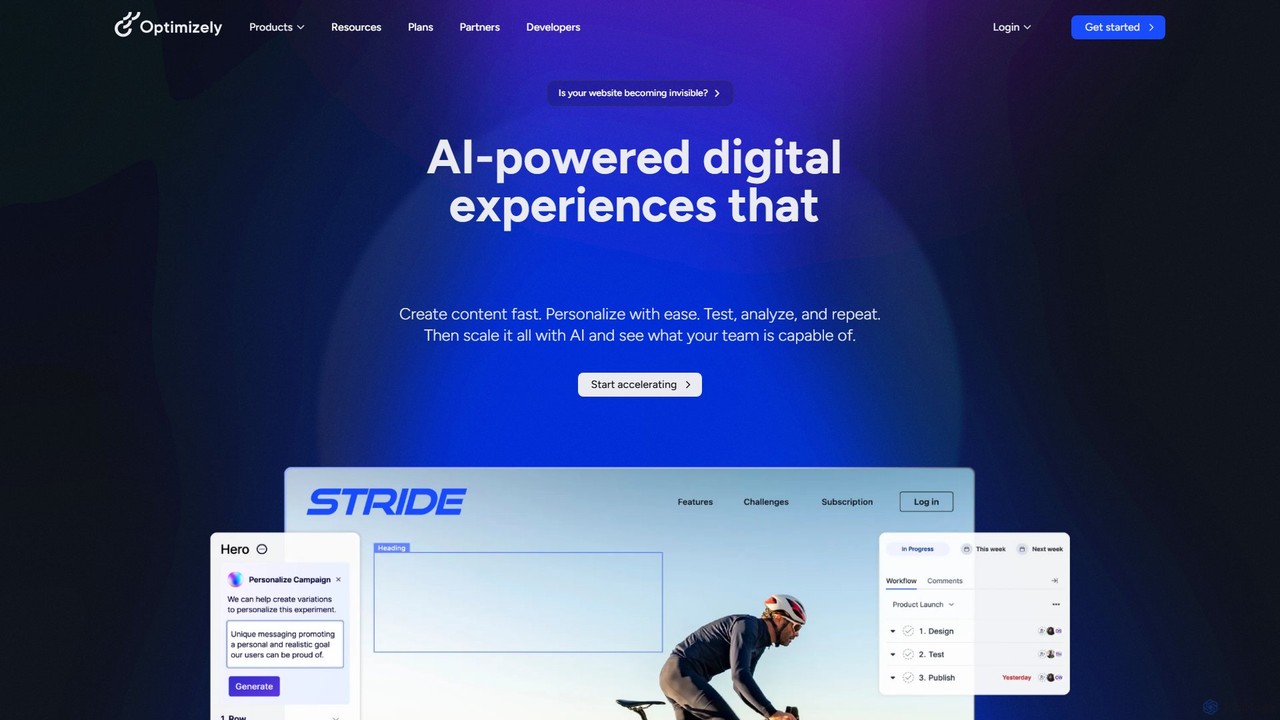
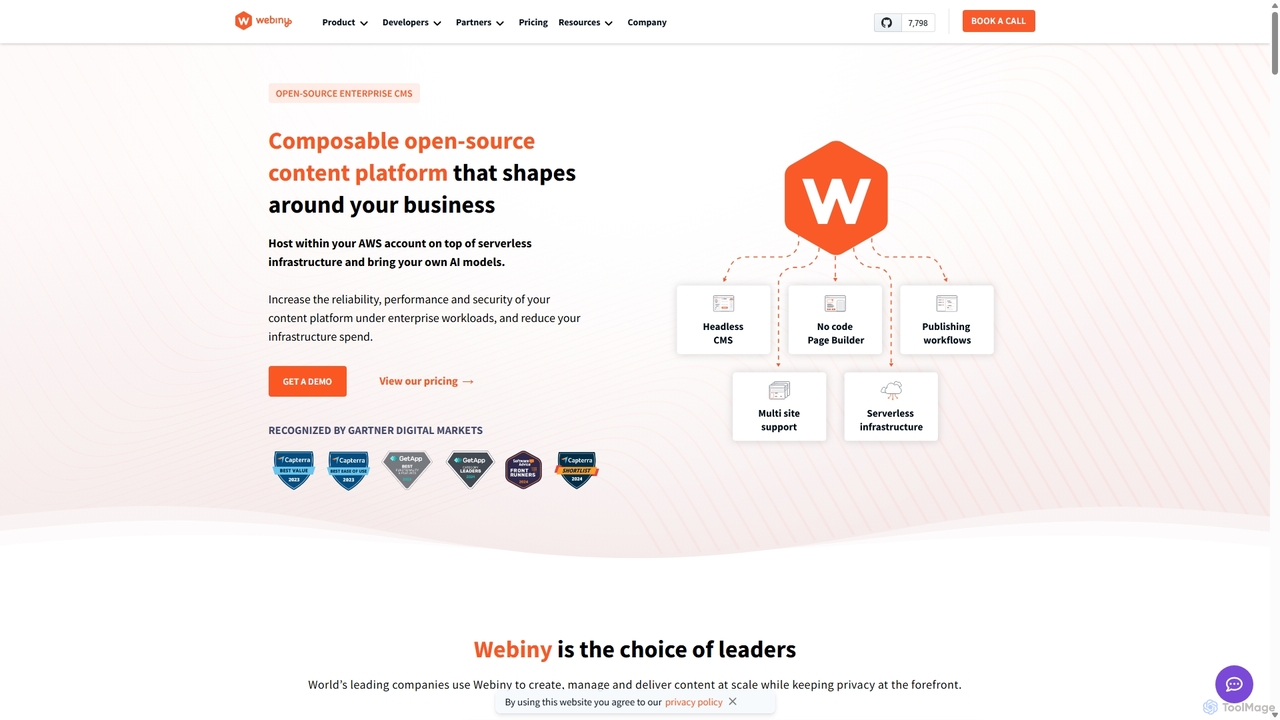
Popular AI tools in the Content Management field of Business include Optimizely、Webiny, etc., helping you quickly improve efficiency.

Webiny

Webiny

Webiny is an open-source, self-hosted serverless CMS platform designed for enterprises. It provides a suite of tools including …

18.3K
Optimizely

Optimizely

Optimizely is a leading AI-powered Digital Experience Platform (DXP) that enables marketers, developers, and e-commerce leaders to create, …

691.6K

About Content Management

AI-powered Content Management tools are designed to automate, optimize, and personalize the creation, organization, and distribution of digital content. These platforms leverage advanced AI models, including natural language processing (NLP) and machine learning, to streamline content workflows from ideation to publication. They empower businesses to produce high-quality, relevant content at scale, enhance user engagement, and maintain brand consistency across various channels. By intelligently managing content lifecycles, these tools significantly reduce manual effort and improve content performance.

Core Features

  • AI Content Generation: Automatically drafts articles, social media posts, product descriptions, and marketing copy based on prompts or data.
  • Content Optimization: Analyzes content for SEO, readability, tone, and engagement, suggesting improvements for better performance.
  • Automated Publishing & Distribution: Schedules and publishes content across multiple platforms and channels, adapting formats as needed.
  • Content Personalization: Delivers tailored content experiences to individual users based on their behavior, preferences, and demographics.
  • Semantic Search & Organization: Intelligently categorizes, tags, and makes content searchable using AI to understand context and meaning.

Applicable Scenarios

Marketing teams utilize these tools for campaign content creation and personalization. Publishers and media companies streamline article generation and multi-channel distribution. E-commerce businesses automate product description writing and optimize content for search engines. Large enterprises manage vast internal knowledge bases, making information easily accessible and up-to-date for employees.

How to Choose

When selecting an AI Content Management tool, consider its integration capabilities with your existing CMS and marketing stack. Evaluate the quality and flexibility of its AI models for content generation and optimization, ensuring it aligns with your brand voice. Assess scalability for future content needs and the level of customization offered for workflows and content types. Finally, review data security, compliance features, and the clarity of its pricing model.

Content ManagementUse Cases

1

Automate Blog Post and Article Generation

Content creators and marketing teams can leverage AI Content Management tools to significantly accelerate the drafting process for blog posts, articles, and long-form content. By inputting keywords, topics, or brief outlines, the AI generates well-structured, coherent drafts, saving hours of research and initial writing time. This allows human writers to focus on refining, fact-checking, and adding unique insights, boosting content output by up to 50% and ensuring a consistent publishing schedule.

2

Optimize E-commerce Product Descriptions at Scale

E-commerce businesses, especially those with extensive product catalogs, use AI Content Management to generate compelling and SEO-friendly product descriptions. The AI can analyze product specifications and target audience data to craft unique descriptions that highlight key features and benefits. This automation ensures consistency across thousands of products, improves search engine visibility, and frees up marketing teams from repetitive writing tasks, leading to higher conversion rates and reduced time-to-market for new products.

3

Personalize Marketing Campaigns and Customer Communications

Marketing professionals employ AI Content Management to deliver highly personalized content experiences to their audience. Based on user behavior, purchase history, and demographic data, the AI dynamically adapts email content, website banners, and ad copy for individual segments. This level of personalization enhances engagement, increases click-through rates, and fosters stronger customer relationships, moving beyond generic messaging to truly resonate with each recipient.

4

Streamline Internal Knowledge Base Management

HR departments, IT support teams, and large organizations utilize AI Content Management to efficiently organize and update their internal knowledge bases. The AI can automatically categorize documents, extract key information, and create searchable summaries, making it easier for employees to find relevant policies, procedures, or technical guides. This reduces time spent searching for information, improves employee self-service capabilities, and ensures that internal documentation remains accurate and accessible.

5

Facilitate Multi-language Content Localization

Global enterprises and content providers use AI Content Management to streamline the localization of content for diverse international markets. The AI not only translates text but also adapts it culturally, ensuring that the tone, idioms, and nuances are appropriate for each target audience. This accelerates the process of launching content in multiple languages, maintains brand consistency globally, and significantly reduces the cost and complexity associated with manual translation and cultural adaptation efforts.

6

Enhance Social Media Content Creation and Scheduling

Social media managers leverage AI Content Management tools to generate engaging captions, hashtags, and even visual content ideas for various platforms. The AI can analyze trending topics and audience engagement data to suggest optimal posting times and content formats. This automation helps maintain a consistent and active social media presence, improves content relevance, and frees up managers to focus on strategy and community interaction, ultimately boosting brand visibility and audience growth.

Content ManagementFrequently Asked Questions