ToolMage
Sign in

Best 4 Creator Economy AI tools for Business

Popular Creator Economy AI tools in Business include ConvertKit, Graphy, Beluga Labs, and Intellectra, helping you work more efficiently.

ConvertKit
Freemium

ConvertKit

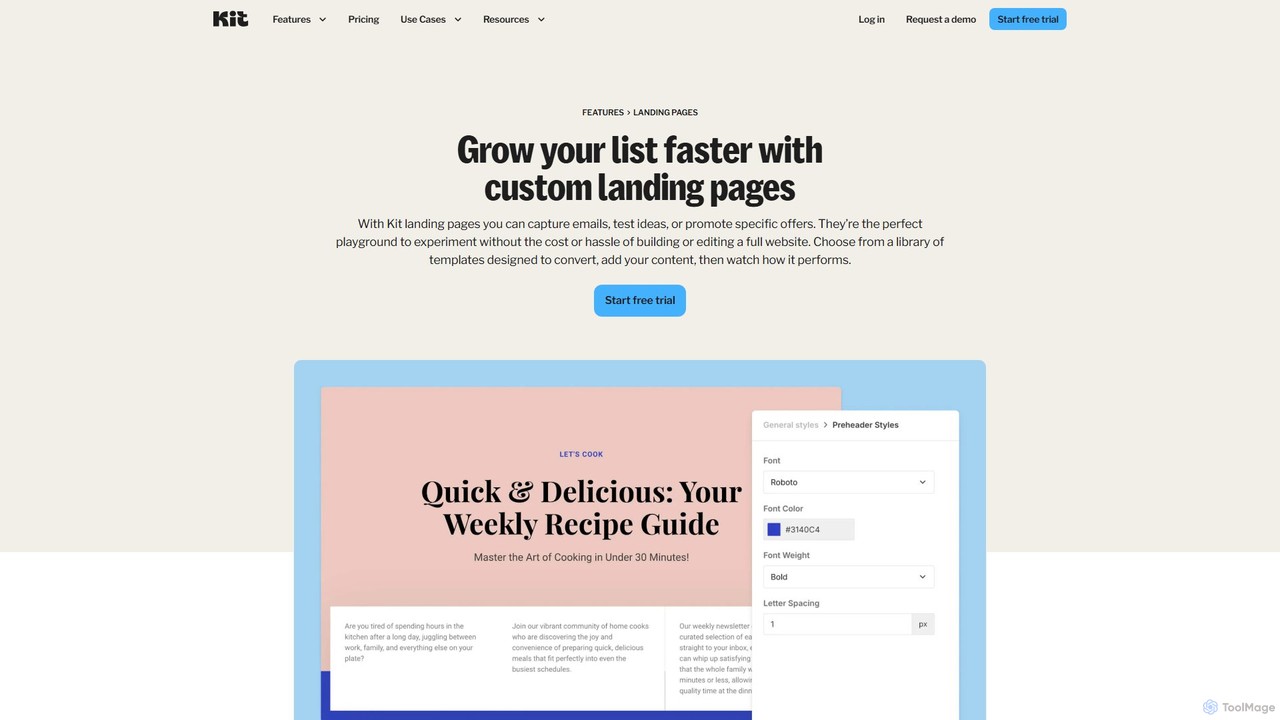
ConvertKit is an all-in-one marketing platform built for creators. It helps you grow your audience with beautiful landing pages and forms, build a connection through powerful email automation, and earn a living by selling digital products and subscriptions.

Creator Economy
Visits 10.1MFavorites 130Likes 140
Intellectra
Freemium

Intellectra

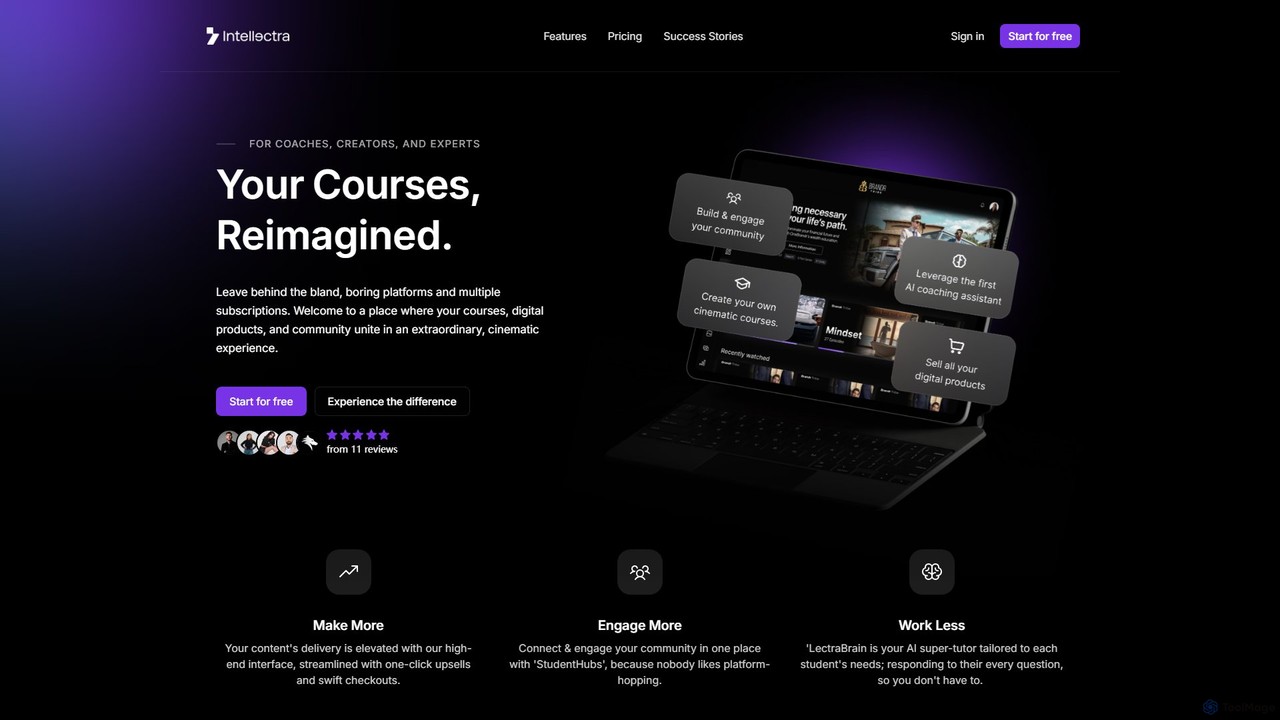
Intellectra is an all-in-one platform for coaches, creators, and experts to build and sell online courses, digital products, and communities. It offers a cinematic, high-end user experience, replacing the need for multiple subscriptions. Key features include an AI-powered tutor 'LectraBrain' to answer student questions, integrated community hubs ('StudentHubs'), and powerful monetization tools like one-click upsells and affiliate programs. It's designed to help creators engage their audience, increase sales, and reduce administrative work.

Creator Economy
Visits 5.9KFavorites 166Likes 170
Beluga Labs
Paid

Beluga Labs

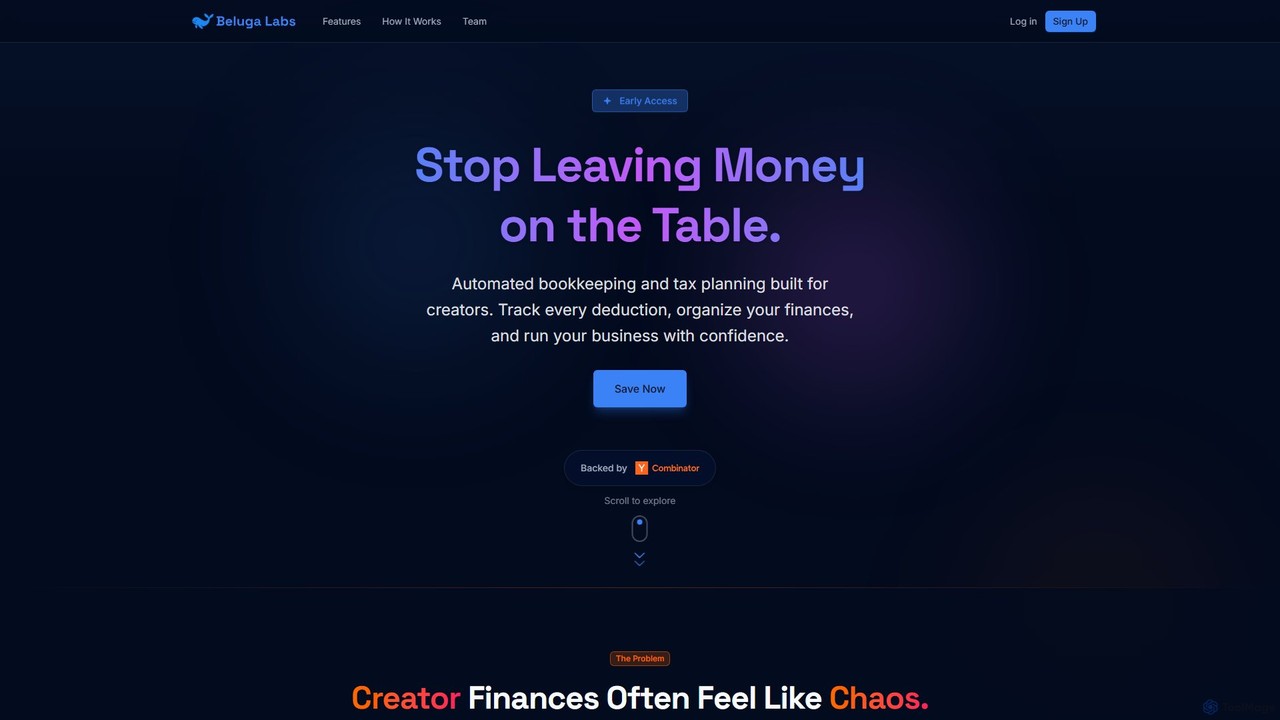
Beluga Labs offers AI-powered, automated bookkeeping and tax planning specifically designed for content creators. It helps track every deduction, organize finances, and manage your creator business with confidence, eliminating the chaos of spreadsheets and consumer apps. Stop leaving money on the table and focus on creating.

Creator Economy
Visits 7.7KFavorites 165Likes 161
Graphy
Freemium

Graphy

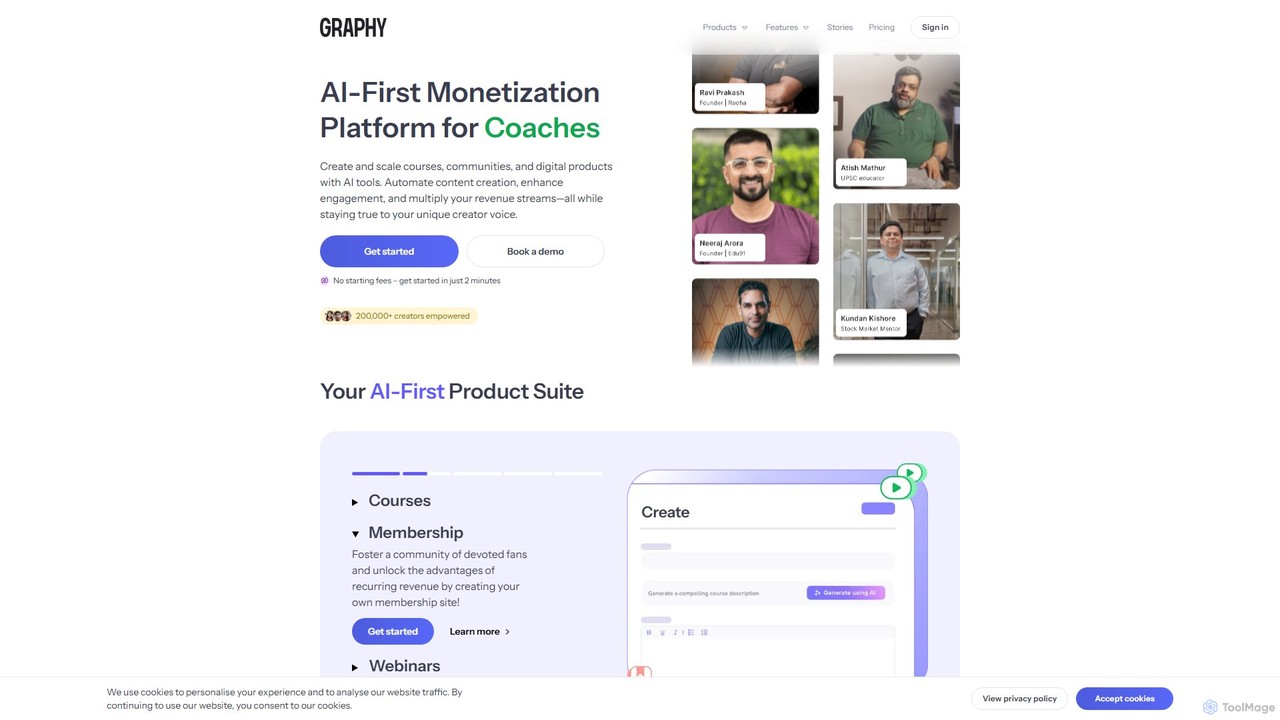
Graphy is an AI-first monetization platform for creators to build and sell online courses, communities, and digital products. It uses AI to automate content creation, sales, and support, enabling creators to scale their business efficiently.

Creator Economy
Visits 1.3MFavorites 161Likes 167

About Creator Economy

Creator Economy tools are AI-powered platforms designed to help individual creators and businesses monetize content, build communities, and streamline operations. These tools leverage artificial intelligence for tasks like automated content repurposing, in-depth audience analytics, and managing monetization channels. They empower creators to scale production, gain deeper insights into their followers, and build sustainable revenue streams. Unlike general business software, these tools are specifically tailored to the unique workflows of YouTubers, podcasters, writers, and social media influencers.

Core Features

  • Content Repurposing: Automatically transforms long-form content like videos or podcasts into social media clips, blog posts, and newsletters.
  • Audience Analytics: Analyzes engagement data and comments to identify audience demographics, content preferences, and growth opportunities.
  • Monetization Management: Streamlines the management of subscriptions, brand sponsorships, affiliate links, and digital product sales.
  • Community Engagement Automation: Helps moderate discussions, identify key contributors, and automate responses to foster an active community.
  • Trend Discovery: Identifies emerging topics, sounds, and formats within a niche to guide content strategy.

Use Cases

These tools are essential for full-time content creators, part-time influencers, subject matter experts building a personal brand, and small businesses using content marketing to drive growth. For example, a podcaster can use a tool to automatically generate show notes and promotional clips, while a newsletter writer can analyze subscriber engagement to optimize their content.

How to Choose

When selecting a Creator Economy tool, evaluate its integration with your primary platforms (e.g., YouTube, TikTok, Substack). Consider the specific features you need, such as video editing versus analytics. Also, assess the pricing model in relation to your current revenue and the tool's scalability as your audience grows.

Creator Economy use cases

1

Automate YouTube Content Repurposing

A full-time YouTuber needs to maintain a consistent presence on multiple platforms like TikTok, Instagram, and Twitter. They use an AI Creator Economy tool to upload their long-form weekly video. The AI automatically identifies the most engaging segments and creates several short, vertical clips optimized for each platform. It also generates a full transcript, a summary for a blog post, and several tweet ideas, reducing the manual repurposing workload by over 80% and increasing their content output significantly.

2

Analyze Podcast Audience Feedback at Scale

A podcaster with a growing audience receives hundreds of comments and reviews across Apple Podcasts, Spotify, and social media each week. Using an AI analytics tool, they can aggregate all this feedback into a single dashboard. The AI performs sentiment analysis to gauge overall listener satisfaction and topic modeling to identify recurring themes, questions, and suggestions. This allows the podcaster to make data-driven decisions for future episodes and better connect with their community's interests.

3

Manage a Paid Newsletter Community

A writer running a paid newsletter on Substack wants to increase subscriber retention. They use a creator platform that integrates with their payment and email systems. The AI helps identify subscribers at risk of churning by analyzing their open rates and engagement. It also segments the audience, allowing the writer to send targeted content or special offers to their most loyal readers. This proactive community management helps reduce churn and increases the lifetime value of each subscriber.

4

Optimize Brand Sponsorship Pitches

A social media influencer wants to secure higher-paying brand deals. They use a creator management tool to connect their social accounts. The AI analyzes their audience demographics, engagement rates, and past content performance to generate a professional media kit automatically. It also identifies potential brand partners that align with their audience's interests and helps draft personalized pitch emails with data-backed projections, increasing their success rate in landing valuable sponsorships.

5

Generate Personalized Online Course Content

An online course creator wants to improve student engagement and completion rates. They use an AI platform to analyze student progress, quiz results, and feedback. Based on this data, the AI suggests supplementary materials for struggling students, generates personalized practice questions, and even helps draft new lesson modules on topics that students frequently ask about. This creates a more adaptive and effective learning experience, leading to better reviews and more course sales.

6

Discover Viral Content Trends in a Niche

A content creator focused on the gaming niche needs to stay ahead of trends. They use an AI-powered trend analysis tool that monitors YouTube, Twitch, and TikTok for emerging games, memes, and video formats. The tool provides daily reports on breakout topics and predicts which trends have staying power. This allows the creator to produce timely, relevant content that taps into current conversations, significantly boosting their views and subscriber growth compared to relying on manual research.

Creator Economy FAQ

What are AI Creator Economy tools?

AI Creator Economy tools are specialized software platforms that use artificial intelligence to help creators build and manage their online businesses. They automate and enhance tasks related to content creation, audience growth, community management, and monetization. Key functions often include repurposing video content, analyzing audience feedback, managing paid subscriptions, and identifying sponsorship opportunities.

How do I choose the right Creator Economy tool?

To choose the right tool, consider these factors:

  • Platform Integration: Ensure the tool connects seamlessly with the platforms where you publish content (e.g., YouTube, Substack, TikTok).
  • Core Functionality: Identify your biggest bottleneck. Do you need help with video editing, audience analytics, or managing finances? Choose a tool that excels in that area.
  • Pricing Model: Evaluate if the pricing (e.g., subscription, revenue share) aligns with your current income and growth projections.
  • Scalability: Select a tool that can support your needs as your audience and business grow more complex.
What's the difference between Creator Economy tools and general marketing tools?

The main difference lies in their focus. General marketing tools (part of the broader 'Business' category) are built for corporate teams and focus on traditional funnels like lead generation and customer acquisition. Creator Economy tools are designed for individuals or small creator-led teams. They focus on the creator's unique workflow: building a personal brand, engaging a community on social platforms, and managing diverse, creator-specific revenue streams like sponsorships, subscriptions, and tips.

Who can benefit from using Creator Economy tools?

A wide range of individuals and businesses can benefit, including:

  • Full-time Content Creators: YouTubers, podcasters, and streamers who need to scale their production and business operations.
  • Writers and Journalists: Authors of newsletters (e.g., on Substack) and blogs who want to manage subscriptions and build a direct relationship with readers.
  • Artists and Designers: Creatives selling digital products or commissions who need tools for marketing and managing clients.
  • Experts and Coaches: Professionals building a personal brand by sharing their knowledge through courses, webinars, and communities.
What key tasks can AI automate for creators?

AI can automate many time-consuming tasks, freeing up creators to focus on creativity. Key automations include:

  • Content Generation: Drafting scripts, blog posts, and social media captions from a simple prompt.
  • Video & Audio Editing: Automatically removing filler words, creating highlight clips, and adding subtitles.
  • Community Moderation: Filtering spam and inappropriate comments to maintain a healthy community environment.
  • Financial Administration: Tracking income from various sources, managing invoices, and analyzing revenue trends.