Business Best in category 1 results Custom Software AI Tool

Popular AI tools in the Custom Software field of Business include Goodspeed, etc., helping you quickly improve efficiency.

Goodspeed

Goodspeed

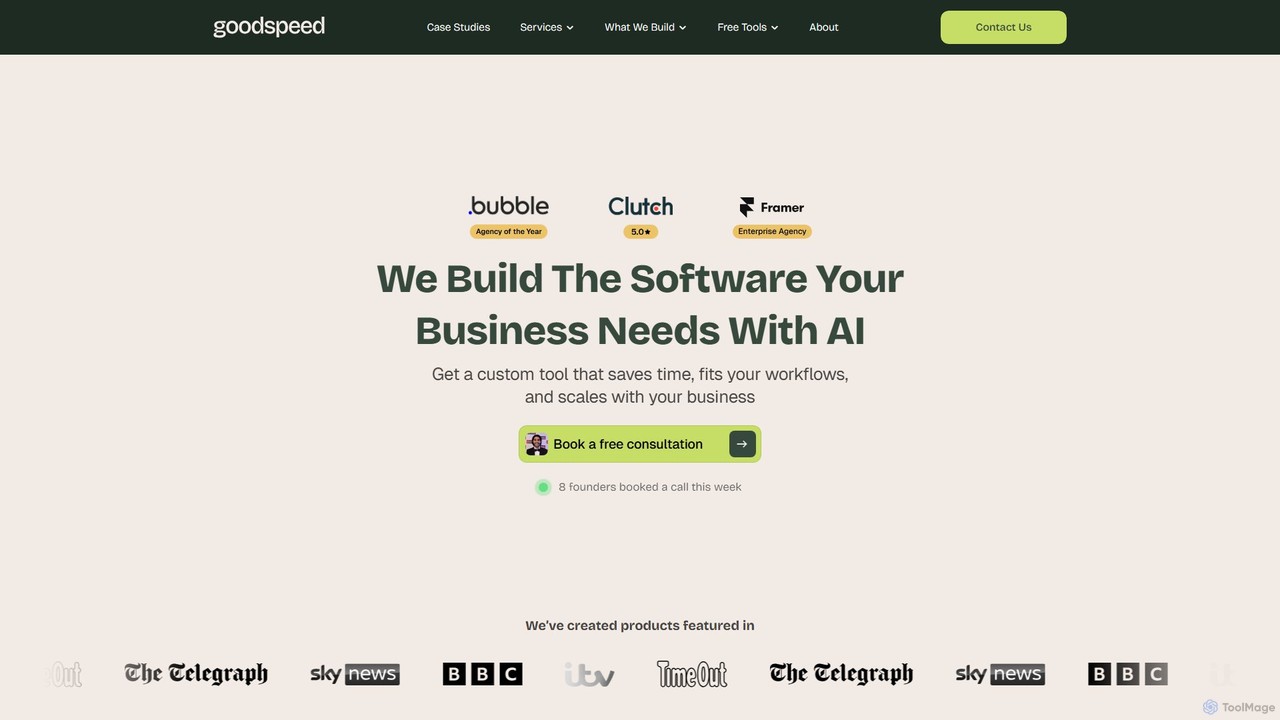
Goodspeed is a no-code and AI development agency that builds custom software, internal tools, and automated workflows for …

29.6K

About Custom Software

Custom Software refers to applications specifically designed and developed for a unique organization or user. Unlike off-the-shelf solutions, it is meticulously crafted to meet precise business requirements, workflows, and operational challenges. This bespoke approach ensures optimal functionality, seamless integration with existing systems, and a competitive edge by addressing specific market or internal needs. It empowers businesses to automate unique processes and scale efficiently within the broader business technology landscape.

Core Features

  • Tailored Functionality: Developed to exact specifications, providing features precisely aligned with unique business processes and goals.
  • Seamless Integration: Designed to integrate flawlessly with existing legacy systems, databases, and third-party tools.
  • Scalability & Flexibility: Built with future growth in mind, allowing for easy adaptation and expansion as business needs evolve.
  • Enhanced Security: Implemented with specific security protocols and compliance standards relevant to the organization's industry.
  • Full Ownership & Control: Businesses retain complete intellectual property rights and control over the software's evolution and data.

Applicable Scenarios

Businesses operating in highly regulated industries, those with unique operational models, or startups developing a core differentiating product often leverage custom software. It's ideal for companies seeking to automate complex, proprietary workflows that generic solutions cannot handle, or for enterprises needing to unify disparate legacy systems into a cohesive ecosystem.

How to Choose

Selecting a custom software solution requires a thorough needs assessment, a clear definition of project scope, and a detailed understanding of the development team's expertise. Evaluate potential vendors based on their industry experience, technological stack, communication transparency, and post-deployment support. Prioritize scalability, long-term maintainability, and a clear intellectual property agreement.

Custom SoftwareUse Cases

1

Streamlining Niche Industry Operations

For businesses in highly specialized sectors like aerospace manufacturing or bespoke financial services, off-the-shelf software often lacks critical functionalities. Custom software allows these companies to build applications that precisely manage unique regulatory compliance, complex supply chains, or proprietary data models, significantly reducing manual errors and improving operational efficiency tailored to their specific niche.

2

Integrating Disparate Legacy Systems

Large enterprises often struggle with fragmented data and inefficient workflows due to multiple legacy systems that don't communicate effectively. Custom software acts as a middleware or a unified platform, integrating these disparate systems. This enables seamless data flow, provides a single source of truth, and automates cross-departmental processes, leading to better decision-making and reduced operational overhead across the organization.

3

Developing Proprietary Competitive Tools

Startups and innovative companies can gain a significant market advantage by developing custom software that embodies their unique business model or intellectual property. This could be a specialized AI algorithm for data analysis, a novel customer engagement platform, or an internal tool that optimizes a core business function, creating a barrier to entry for competitors and fostering innovation that is difficult to replicate.

4

Automating Complex Internal Workflows

Organizations with intricate internal processes, such as custom order fulfillment, complex project management, or multi-stage approval systems, often find commercial software restrictive. Custom software can be designed to automate these specific workflows, reducing human intervention, minimizing bottlenecks, and ensuring consistency. This frees up employees to focus on higher-value tasks, boosting overall productivity and operational efficiency.

5

Creating Unique Customer-Facing Platforms

Businesses aiming to offer a distinct customer experience or provide specialized services often opt for custom-built customer portals, mobile apps, or e-commerce platforms. This allows for complete control over user interface, feature set, and branding, ensuring the platform perfectly aligns with customer expectations and business goals, fostering loyalty and driving engagement in a highly personalized manner.

6

Ensuring Data Security and Compliance

For industries with stringent data privacy regulations (e.g., healthcare, finance) or companies handling highly sensitive information, generic software might not meet specific compliance requirements. Custom software can be developed with built-in security features, encryption protocols, and audit trails tailored to meet GDPR, HIPAA, or other industry-specific standards, mitigating risks and ensuring regulatory adherence with precision.

Custom SoftwareFrequently Asked Questions