Business Best in category 1 results Customer Behavior AI Tool

Popular AI tools in the Customer Behavior field of Business include Userjam, etc., helping you quickly improve efficiency.

Userjam

Userjam

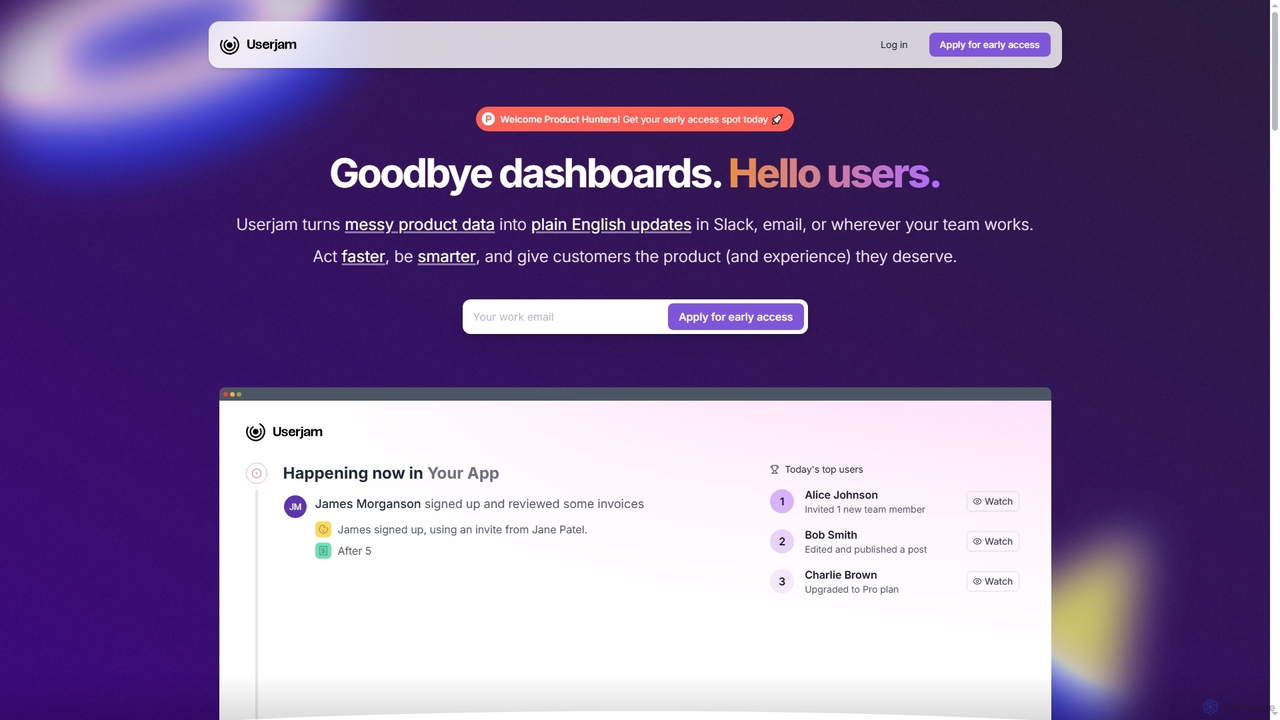
Userjam is an AI-powered tool that transforms complex product analytics data into simple, plain English updates. It delivers …

2.9K

About Customer Behavior

Customer Behavior AI tools are a sophisticated category of artificial intelligence solutions specifically engineered to analyze, interpret, and predict how customers interact with businesses, products, and services. These advanced platforms leverage machine learning algorithms, natural language processing, and statistical modeling to process vast datasets, including transactional history, website interactions, social media engagement, and customer service logs. By uncovering intricate patterns, preferences, and underlying motivations, these tools provide businesses with actionable intelligence to optimize every stage of the customer journey, from initial awareness to post-purchase loyalty, ultimately driving revenue growth and enhancing customer satisfaction.

Core Features

  • Predictive Analytics: Utilizes historical data and machine learning models to forecast future customer actions, such as purchase likelihood, potential churn, and estimated customer lifetime value, enabling proactive business strategies.
  • Sentiment Analysis: Employs natural language processing (NLP) to automatically detect and interpret the emotional tone and attitudes expressed in customer feedback, reviews, social media posts, and support interactions.
  • Customer Segmentation: Automatically groups customers into distinct, behavior-based segments using advanced clustering algorithms, allowing for highly targeted marketing campaigns and personalized product offerings.
  • Journey Mapping & Optimization: Visualizes and analyzes the complete customer path across various touchpoints, identifying friction points, conversion opportunities, and areas for improving the overall user experience.
  • Personalization Engines: Powers dynamic content delivery, product recommendations, and tailored offers by understanding individual customer preferences and real-time behavior.

Applicable Scenarios

Marketing departments deploy these tools to craft highly personalized campaigns, predict optimal timing for outreach, and identify key influencers. Product development teams gain invaluable insights into feature adoption, user engagement, and pain points, informing iterative improvements and new feature prioritization. Customer service operations leverage behavioral data to anticipate customer needs, personalize support interactions, and proactively resolve potential issues, significantly boosting satisfaction and retention rates.

How to Choose

When evaluating Customer Behavior AI tools, prioritize solutions with robust data integration capabilities that can seamlessly connect with your existing CRM, ERP, and marketing automation platforms. Assess the accuracy and explainability of their predictive models, ensuring they provide clear, actionable insights rather than just raw data. Consider the comprehensiveness of their analytics dashboards and visualization features, as well as their compliance with global data privacy regulations like GDPR and CCPA. Finally, evaluate the tool's scalability to grow with your business and the level of customization available to tailor models to your specific industry and customer base.

Customer BehaviorUse Cases

1

Predicting Customer Churn Risk

Retention teams and customer success managers utilize AI customer behavior tools to identify customers exhibiting early warning signs of churn. By analyzing historical interaction data, usage patterns, and sentiment from support tickets or social media, the AI can flag at-risk accounts. This enables businesses to proactively engage these customers with targeted offers, personalized support, or feedback requests, significantly improving retention rates and reducing customer attrition.

2

Personalizing Marketing Campaigns

Marketing professionals leverage these tools to create highly individualized campaigns that resonate with specific customer segments. By analyzing past purchases, browsing history, demographic data, and engagement with previous communications, AI can predict product preferences and optimal messaging. This allows for dynamic content delivery, tailored product recommendations, and personalized email or ad campaigns, leading to higher conversion rates and improved return on ad spend.

3

Optimizing Product Features and User Experience

Product managers and UX designers use AI customer behavior analysis to understand how users interact with their applications or websites. By tracking click paths, feature usage frequency, session duration, and conversion funnels, these tools highlight areas of friction or underutilized features. Insights gained help prioritize development efforts, refine user interfaces, and introduce new functionalities that directly address user needs and enhance overall product satisfaction.

4

Enhancing Customer Service and Support

Customer service departments integrate AI behavior tools to provide more efficient and personalized support. By analyzing a customer's past interactions, purchase history, and real-time sentiment during a call or chat, agents gain a comprehensive view of their needs and emotional state. This allows for quicker problem resolution, proactive issue identification, and the delivery of empathetic, tailored solutions, ultimately boosting customer satisfaction and loyalty.

5

Dynamic Pricing and Offer Optimization

E-commerce businesses and retailers employ AI to implement dynamic pricing strategies and optimize promotional offers. By analyzing real-time demand, competitor pricing, individual customer price sensitivity (derived from past behavior), and inventory levels, the AI can suggest optimal prices or discounts. This maximizes revenue, clears inventory efficiently, and ensures offers are compelling to specific customer segments without eroding profit margins.

6

Identifying Cross-Sell and Upsell Opportunities

Sales and marketing teams use AI customer behavior tools to uncover potential cross-sell and upsell opportunities. By analyzing a customer's current product portfolio, usage patterns, and similar customer profiles, the AI can recommend complementary products or higher-tier services. This data-driven approach ensures that recommendations are relevant and timely, increasing the average order value and strengthening customer relationships.

Customer BehaviorFrequently Asked Questions