ToolMage
Sign in

Best 3 Customer Management AI tools for Business

Popular Customer Management AI tools in Business include Cal.com, DaySchedule, and ComplyCube, helping you work more efficiently.

ComplyCube
Freemium

ComplyCube

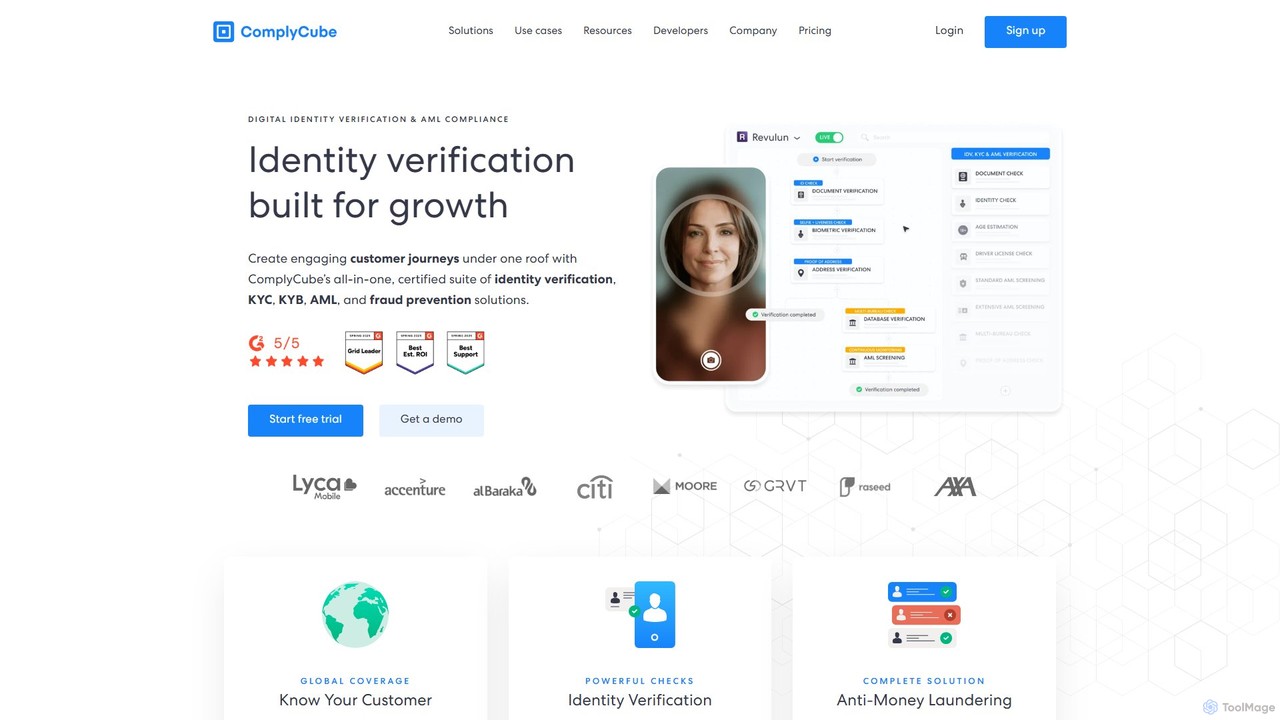
ComplyCube is an all-in-one, AI-powered platform for global Digital Identity Verification (IDV), Know Your Customer (KYC), and Anti-Money Laundering (AML) compliance. It enables businesses to securely and rapidly onboard customers, prevent fraud, and adhere to regulatory standards worldwide. With features like biometric analysis, document verification, and continuous monitoring, it offers a comprehensive solution for building trust at scale.

Customer Management
Visits 79.7KFavorites 167Likes 187
DaySchedule
Freemium

DaySchedule

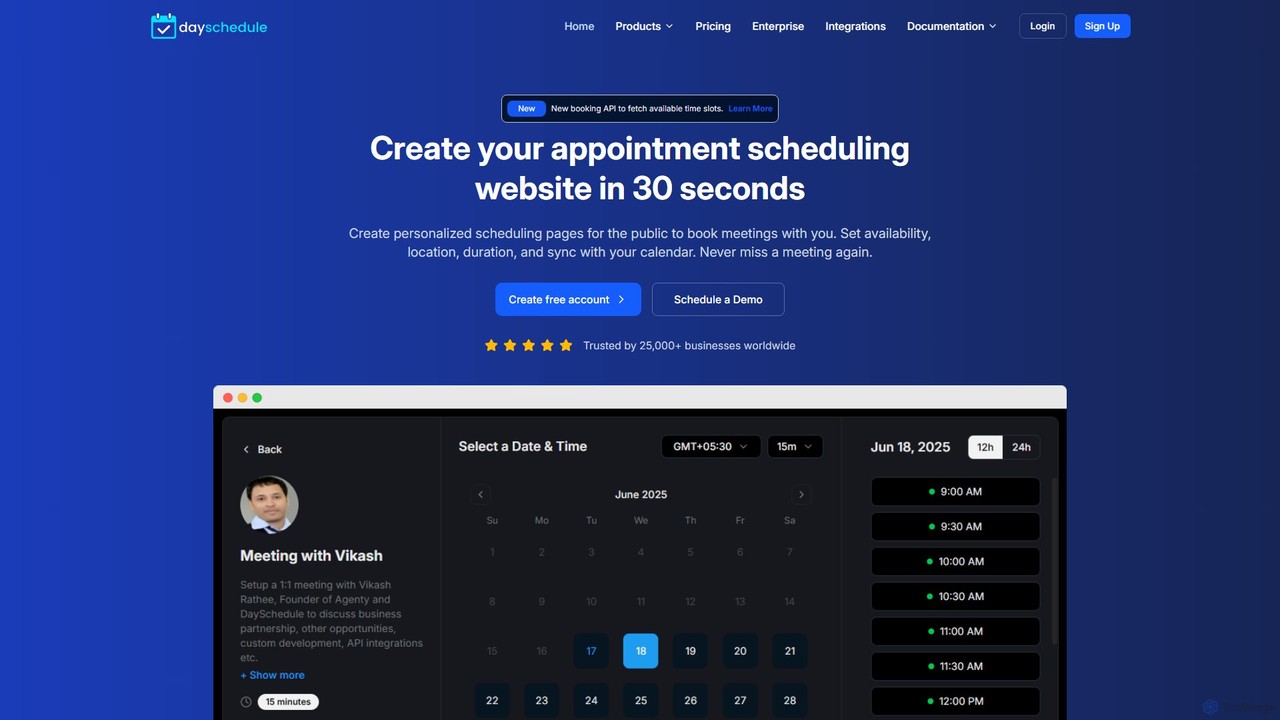
DaySchedule is a powerful appointment scheduling software for businesses and professionals. It simplifies booking by allowing you to create personalized scheduling pages, sync with Google and Microsoft calendars, manage team availability with round-robin distribution, and accept online payments. Automate reminders via email, SMS, and WhatsApp to reduce no-shows and enhance productivity.

Customer Management
Visits 196.1KFavorites 152Likes 138
Cal.com
Freemium

Cal.com

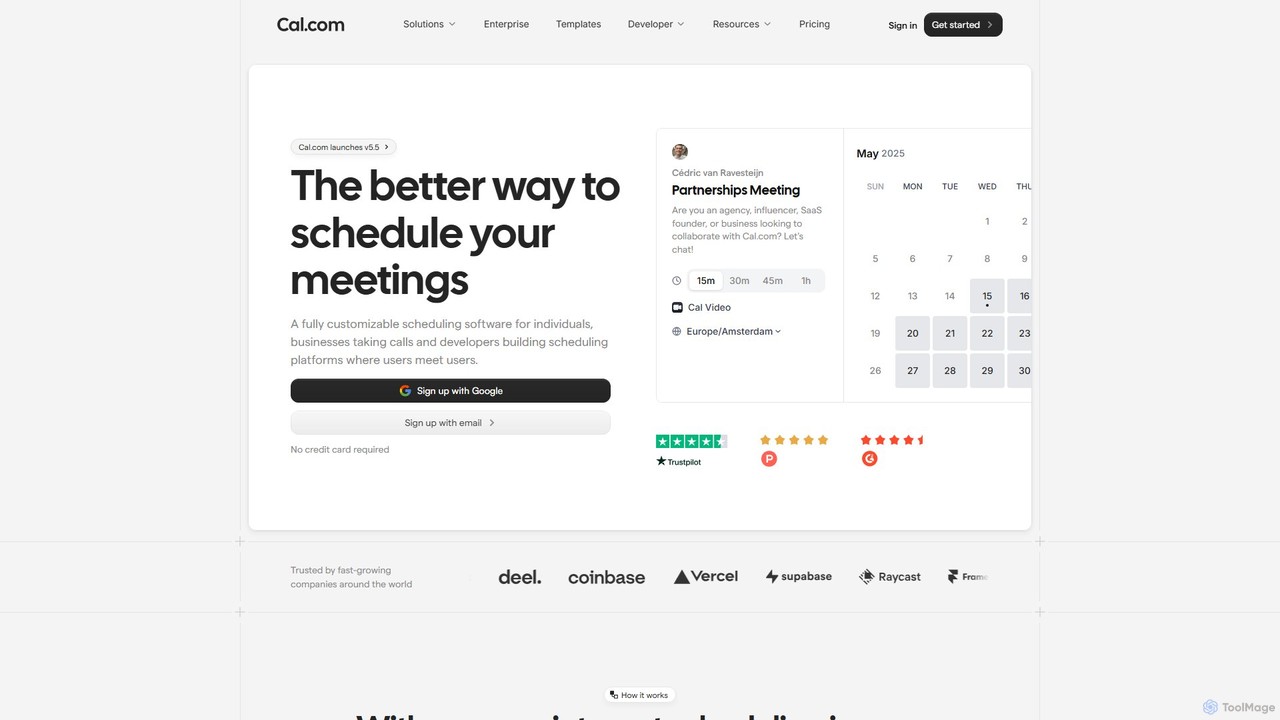
Cal.com is an open-source scheduling infrastructure designed for individuals, teams, and developers. It offers a highly customizable, privacy-first alternative to traditional scheduling tools, allowing for seamless integration, self-hosting, and white-labeling to manage meetings and appointments efficiently.

Customer Management
Visits 3.6MFavorites 134Likes 143

About Customer Management

AI Customer Management tools are a specialized category of business software that use artificial intelligence to automate and enhance customer interactions. They leverage machine learning for tasks like sentiment analysis, predictive lead scoring, and personalized communication at scale. This helps businesses understand customer needs proactively, improve retention, and optimize the entire customer lifecycle. Their key advantage over traditional CRMs is the ability to derive actionable, predictive insights from vast amounts of structured and unstructured data.

Core Features

  • Predictive Lead Scoring: Automatically analyzes and ranks leads based on their likelihood to convert, helping sales teams prioritize efforts.
  • Customer Sentiment Analysis: Processes text from emails, reviews, and support tickets to gauge customer satisfaction and identify trends.
  • Churn Prediction: Identifies customers at risk of leaving by analyzing usage patterns and interaction history, enabling proactive retention campaigns.
  • Automated Personalization: Dynamically tailors marketing messages, product recommendations, and support interactions for individual users.
  • Intelligent Customer Segmentation: Uses AI to group customers into dynamic segments based on behavior, value, and predicted future actions.

Use Cases

These tools are primarily used by sales, marketing, and customer success teams in data-driven industries like SaaS, e-commerce, finance, and telecommunications. They are ideal for businesses looking to move from reactive to proactive customer relationship strategies, manage large customer bases efficiently, and increase customer lifetime value.

How to Choose

When selecting an AI Customer Management tool, consider its integration capabilities with your existing CRM and marketing automation platforms. Evaluate the accuracy and transparency of its predictive models. Assess its data handling and compliance with privacy regulations like GDPR. Finally, consider the scalability of its features and pricing as your customer base grows.

Customer Management use cases

1

Automate Lead Prioritization for Sales Teams

A B2B SaaS company's sales team receives hundreds of inbound leads daily from various channels. Using an AI Customer Management tool, each lead is automatically enriched with firmographic data and scored based on engagement signals and ideal customer profile fit. The system assigns a priority score (e.g., 'Hot', 'Warm', 'Cold') and routes high-priority leads directly to the most appropriate sales representative's queue. This eliminates manual sorting, ensures reps focus on the most promising opportunities, and has been shown to shorten the sales cycle by up to 20%.

2

Proactively Prevent Customer Churn

A subscription-based streaming service uses an AI model to analyze user behavior, such as declining usage, failed payments, and negative support interactions. The system generates a 'churn risk score' for each subscriber. When a score exceeds a certain threshold, it automatically triggers a retention workflow. This could involve sending a personalized email with a special offer, creating a task for a customer success manager to reach out, or displaying an in-app survey to gather feedback. This proactive approach helps reduce monthly churn by identifying and addressing dissatisfaction before a customer decides to cancel.

3

Personalize Marketing Campaigns at Scale

An e-commerce retailer uses an AI customer management platform to analyze browsing history, past purchases, and demographic data for millions of users. The AI segments customers into micro-clusters based on predicted interests and purchase intent. Instead of generic email blasts, the marketing team can now launch highly targeted campaigns. For example, it can automatically send a promotion for running shoes to users who recently viewed athletic apparel and live in areas with good weather. This level of personalization increases campaign engagement, conversion rates, and overall customer lifetime value.

4

Extract Insights from Customer Feedback

A software company collects feedback through various channels: support tickets, app store reviews, and NPS surveys. Manually analyzing this unstructured text is time-consuming. They implement an AI tool that uses Natural Language Processing (NLP) to automatically categorize feedback by topic (e.g., 'bug report', 'feature request', 'UI/UX issue') and analyze its sentiment. The product team gets a real-time dashboard showing the most requested features and common pain points, allowing them to make data-driven decisions for their development roadmap without spending hours reading individual comments.

5

Optimize Customer Lifetime Value (CLV)

A financial services firm uses an AI platform to predict the future value of each client. The model considers factors like transaction history, portfolio diversity, and life events. It identifies high-potential clients who are currently under-serviced and suggests relevant cross-sell or up-sell opportunities to relationship managers. For instance, it might flag a client with a large savings balance as a prime candidate for investment products. This data-driven guidance helps managers focus their efforts on activities that maximize long-term client value and firm revenue.

6

Enhance Customer Support Agent Efficiency

A large customer support center uses an AI tool integrated with their helpdesk software. When a new ticket arrives, the AI analyzes the content and automatically suggests the three most likely solutions or relevant knowledge base articles to the agent. It also categorizes the ticket and assigns its priority. This 'Agent Assist' functionality significantly reduces the time agents spend searching for information and performing administrative tasks. As a result, average handling time per ticket decreases, and agents can handle a higher volume of more complex inquiries, improving overall support quality.

Customer Management FAQ

What are AI Customer Management tools?

AI Customer Management tools are software applications that use artificial intelligence, particularly machine learning and natural language processing, to analyze customer data and automate interactions. Unlike traditional CRM systems that primarily store customer information, these tools actively interpret data to predict future behavior, understand sentiment, and personalize communication. Their main purpose is to help businesses build stronger, more proactive relationships with their customers at scale.

How do AI Customer Management tools differ from traditional CRM?

The key difference lies in their function: traditional CRM is a 'system of record,' while AI Customer Management is a 'system of intelligence.' A CRM stores data like contact info and interaction history. An AI tool builds on that data, using algorithms to:

  • Predict: Forecast future outcomes like churn or conversion.
  • Analyze: Understand unstructured data like email content and call transcripts.
  • Recommend: Suggest the next best action for a sales or support agent.
  • Automate: Execute complex, personalized workflows without human intervention.

In short, a CRM tells you what happened, while an AI Customer Management tool tells you what is likely to happen next and what you should do about it.

Who should use AI Customer Management tools?

These tools are most beneficial for businesses that handle a large volume of customer interactions and data. Key users include:

  • Sales Teams: To prioritize leads, forecast sales, and get recommendations on the next best actions to close deals.
  • Marketing Teams: To create hyper-personalized campaigns, segment audiences dynamically, and predict customer lifetime value.
  • Customer Support & Success Teams: To predict churn, analyze feedback sentiment, and provide agents with real-time assistance.

Companies in sectors like SaaS, e-commerce, finance, and telecommunications often see the highest return on investment due to their large customer bases and data-rich environments.

What are the key features to look for in an AI Customer Management tool?

When evaluating tools, focus on features that align with your business goals. Key capabilities to consider include:

  • Predictive Analytics: Does it offer reliable lead scoring, churn prediction, or lifetime value forecasting?
  • Natural Language Processing (NLP): Can it accurately analyze sentiment and categorize topics from unstructured text like emails and reviews?
  • Integration Capabilities: How well does it connect with your existing CRM, helpdesk, and marketing automation software?
  • Automation & Workflow Builder: Does it allow you to easily create custom rules and automated actions based on AI triggers?
  • Data Security & Compliance: Does the tool adhere to industry standards like GDPR and provide robust data protection measures?
Is it difficult to implement an AI Customer Management tool?

Implementation difficulty varies depending on the tool and the complexity of your existing tech stack. Modern SaaS-based tools are often designed for easier setup, with guided onboarding and pre-built integrations for popular CRMs like Salesforce or HubSpot. The main challenges usually involve data migration and quality—the AI's performance is highly dependent on clean, well-structured historical data. It's advisable to start with a specific use case, like lead scoring, and expand to more complex functions over time. Many vendors also offer professional services to assist with implementation.