Freemium
Crowly
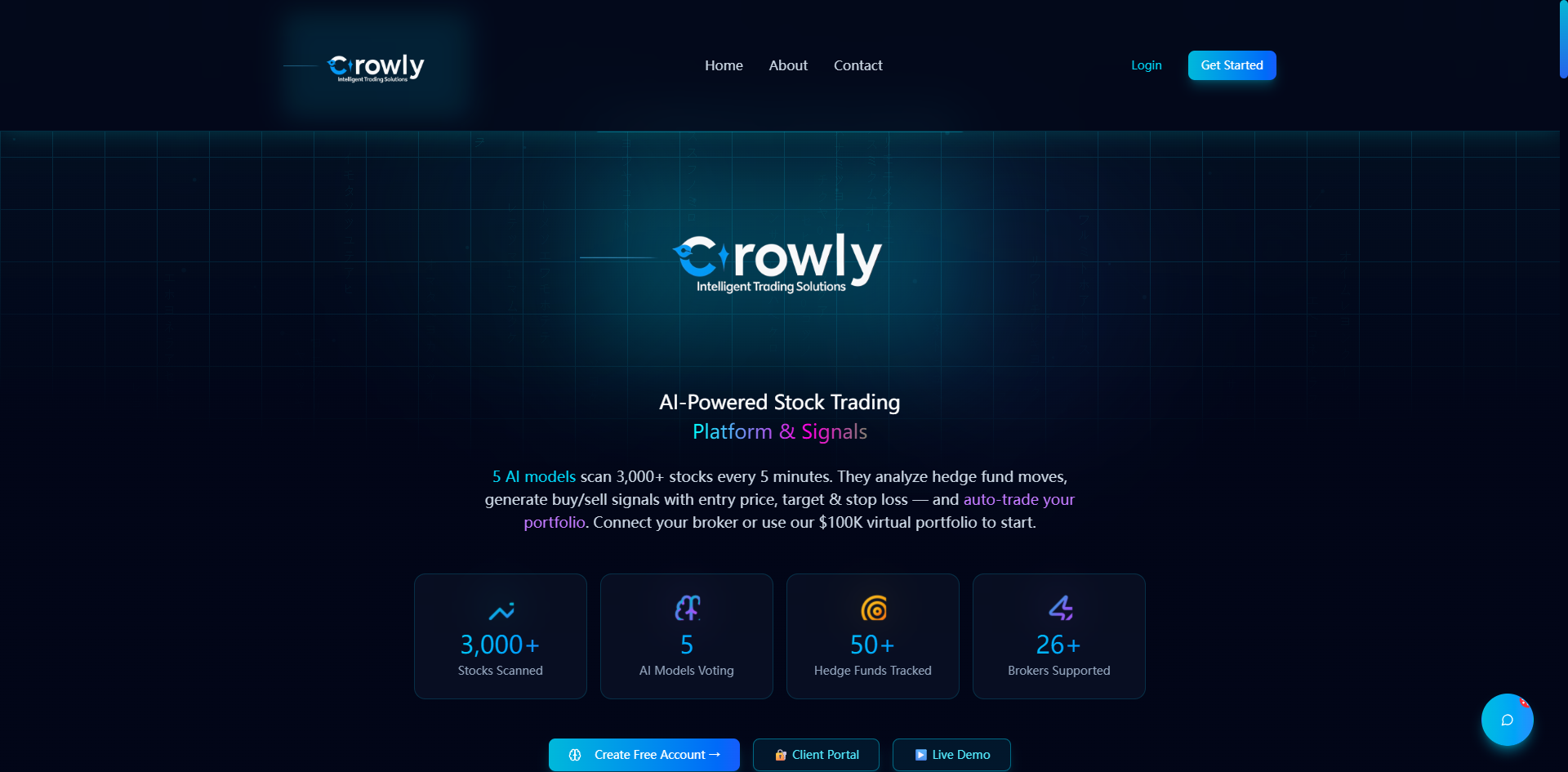
An AI-powered automated stock trading platform utilizing 5 leading AI models to analyze markets, track hedge funds, and execute trades.
Data AnalyticsVisits 7.1KFavorites 45Likes 36
Popular Data Analytics AI tools in Business include Nova Credit, OpenBB, Tredence, GALE, GrubMarket, Greyparrot, BlueCargo, Mercura, PolicyFly, and Precanto, helping you work more efficiently.
An AI-powered automated stock trading platform utilizing 5 leading AI models to analyze markets, track hedge funds, and execute trades.
Data Analytics
Reviewsenseai is an AI-powered platform that automates the analysis of customer reviews. It aggregates feedback from multiple sources, performs sentiment and thematic analysis, and generates actionable insights to help businesses improve products, enhance customer experience, and manage their online reputation effectively.
Data Analytics
An enterprise AI platform that empowers financial services and insurance companies to make better decisions. It automates complex data analysis and provides predictive insights for underwriting, claims, and risk management, driving growth and efficiency.
Data Analytics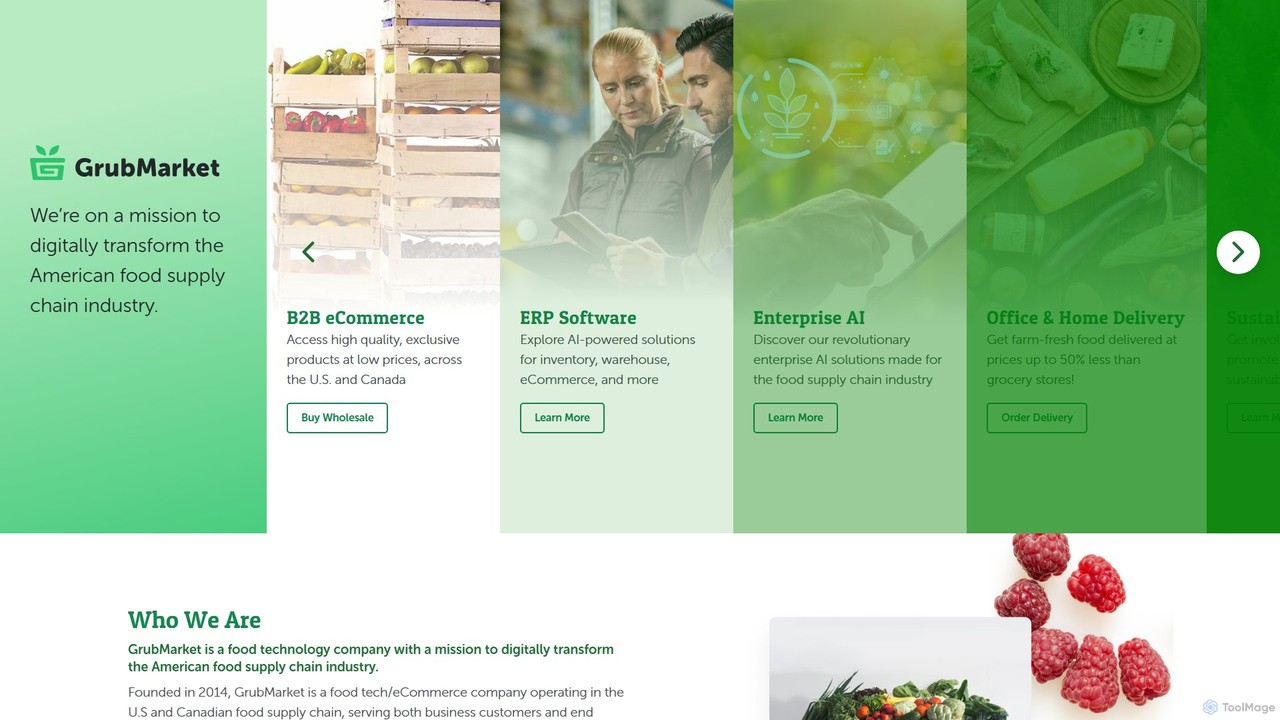
GrubMarket is an AI-powered technology platform revolutionizing the food supply chain. It provides B2B eCommerce, enterprise ERP software for inventory and logistics, and direct-to-consumer fresh food delivery. Its AI solutions offer deep insights, automate processes like order extraction, and enhance efficiency for wholesalers, distributors, and farmers across the US and Canada.
Data Analytics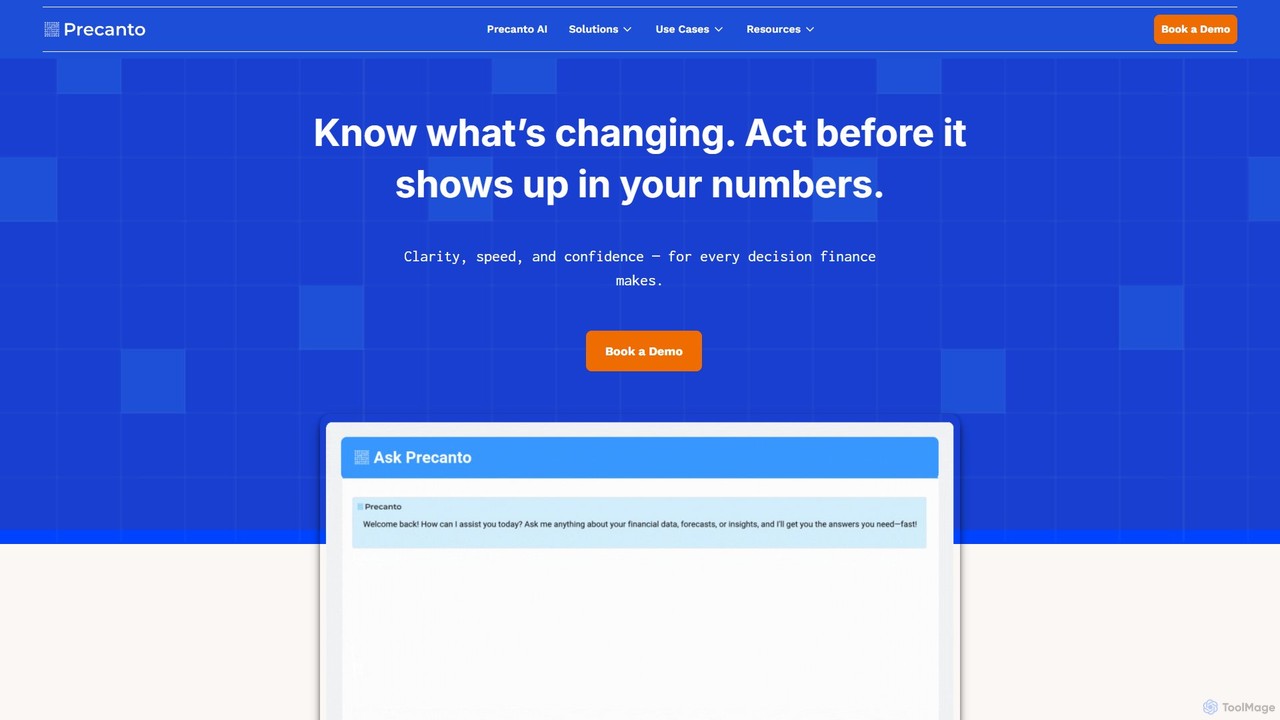
Precanto is an AI-powered financial expert and FP&A copilot designed for modern finance teams. It automates financial forecasting, particularly for headcount and expenses, using predictive analytics and machine learning to provide actionable insights, uncover trends, and streamline strategic planning.
Data Analytics
Greyparrot is an AI-powered waste intelligence platform that uses computer vision to automate waste composition analysis and sorting in recycling facilities. By deploying AI-monitoring units on conveyor belts, it provides real-time data on waste streams, helping facilities increase recycling rates, improve sorting quality, and enhance operational efficiency. This technology empowers the waste management industry to make data-driven decisions and advance the circular economy.
Data Analytics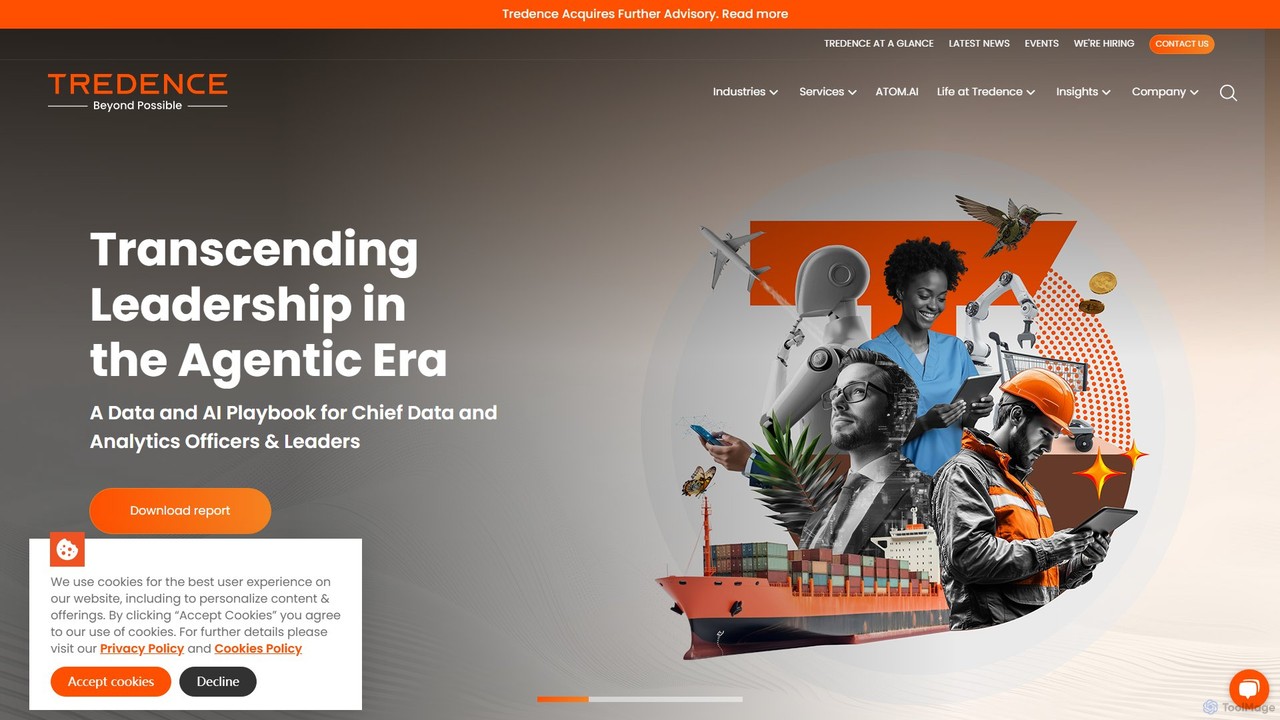
Tredence is a leading data science and AI solutions company that helps enterprises navigate their journey from insights to action. They provide custom, full-stack AI/ML solutions, AI consulting, and data engineering services across various industries, including retail, CPG, healthcare, and finance. By leveraging advanced analytics, Tredence empowers businesses to optimize supply chains, enhance customer experiences, and drive significant growth and efficiency.
Data Analytics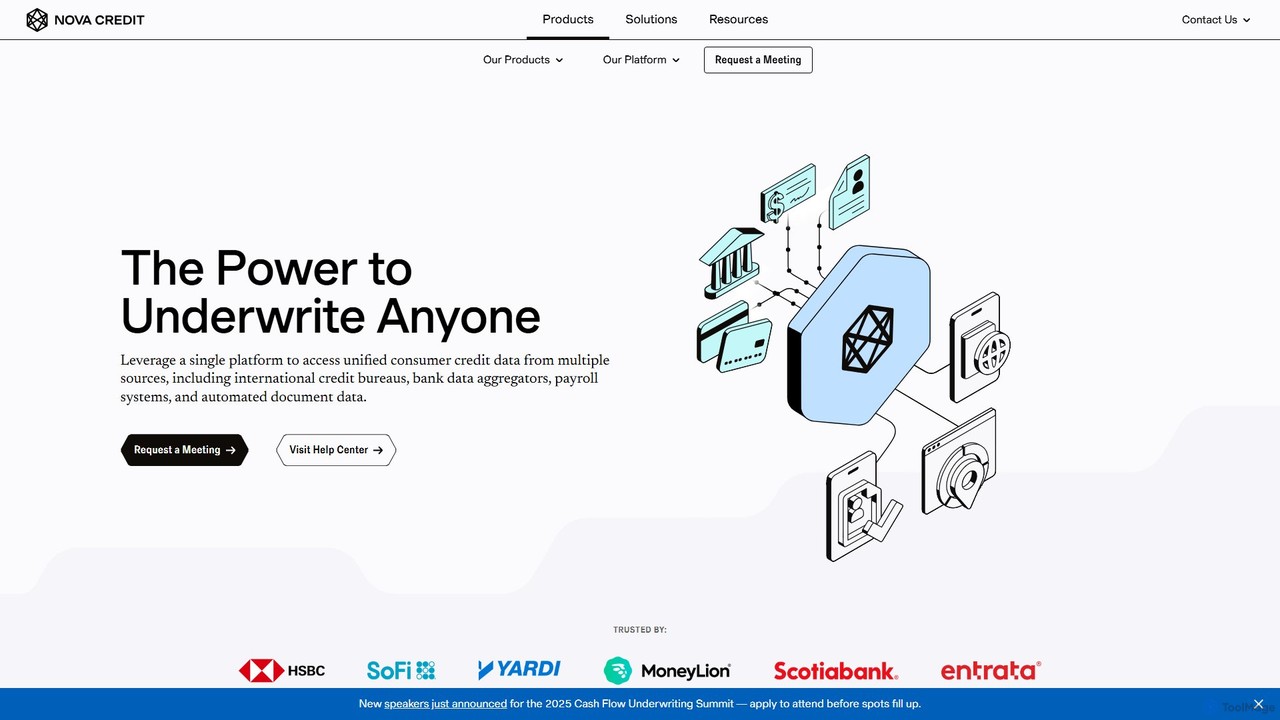
Nova Credit is a fintech platform that enables lenders and businesses to assess credit risk for underserved populations. By leveraging alternative data like international credit histories and bank transactions, it provides a more inclusive and accurate financial profile for underwriting anyone, anywhere.
Data Analytics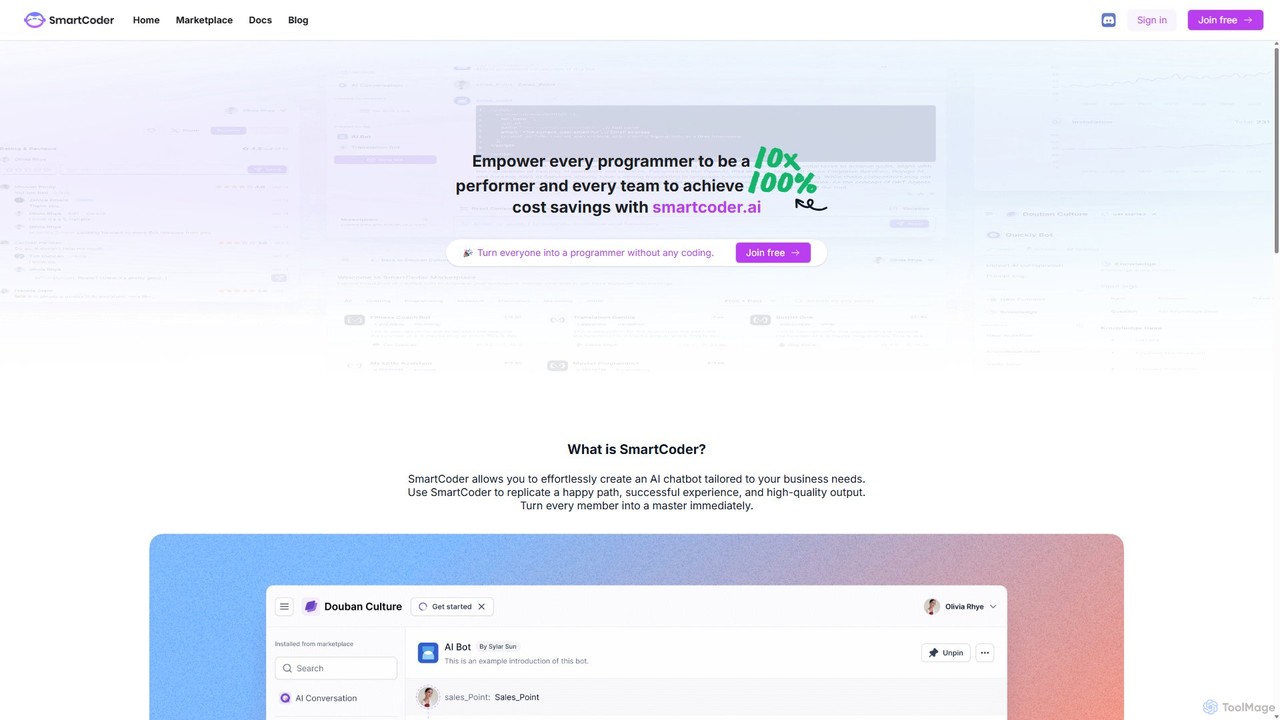
SmartCoder is a no-code/low-code platform that empowers users to build custom AI chatbots and automate complex workflows. It enables businesses to create private AI assistants trained on their own data, integrate with existing IT systems, and streamline repetitive tasks to boost productivity for both developers and non-technical team members.
Data Analytics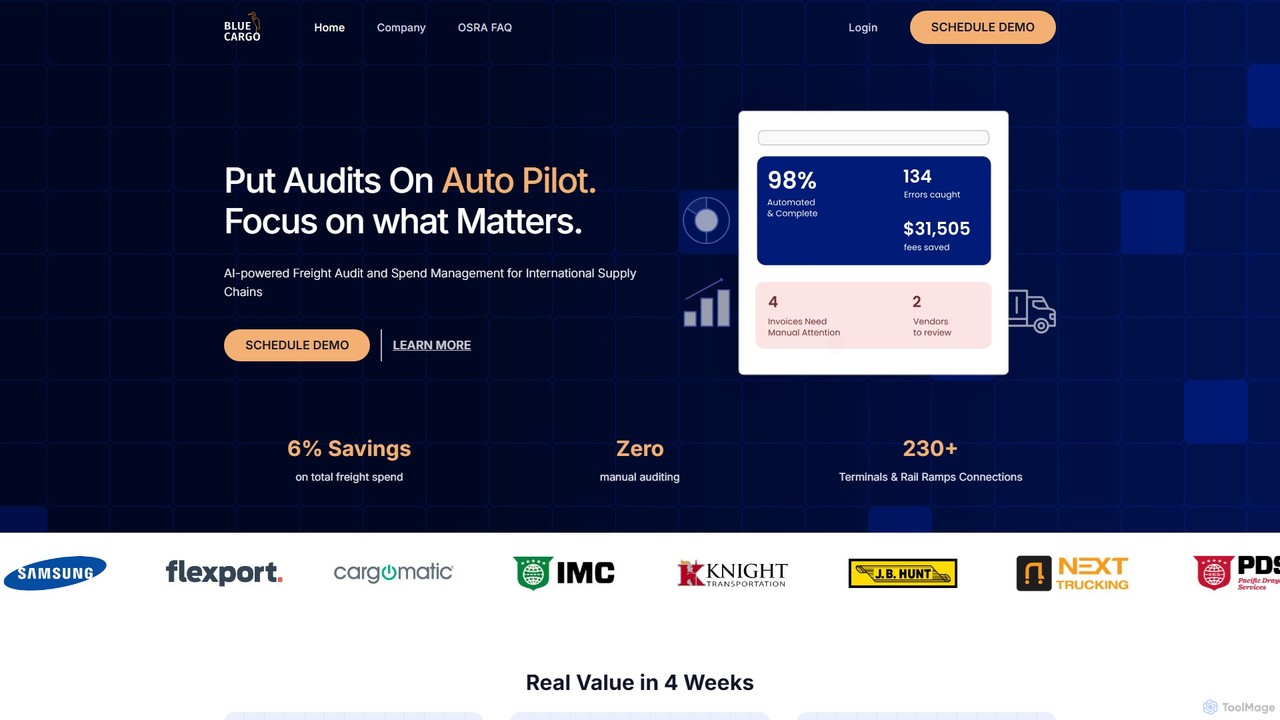
BlueCargo is an AI-powered SaaS platform for the logistics industry, designed to help carriers, shippers, and freight forwarders optimize port operations. It focuses on monitoring, forecasting, and mitigating costly detention and demurrage (D&D) charges through real-time container tracking, automated cost auditing, and streamlined scheduling, ultimately reducing operational expenses and increasing supply chain efficiency.
Data Analytics
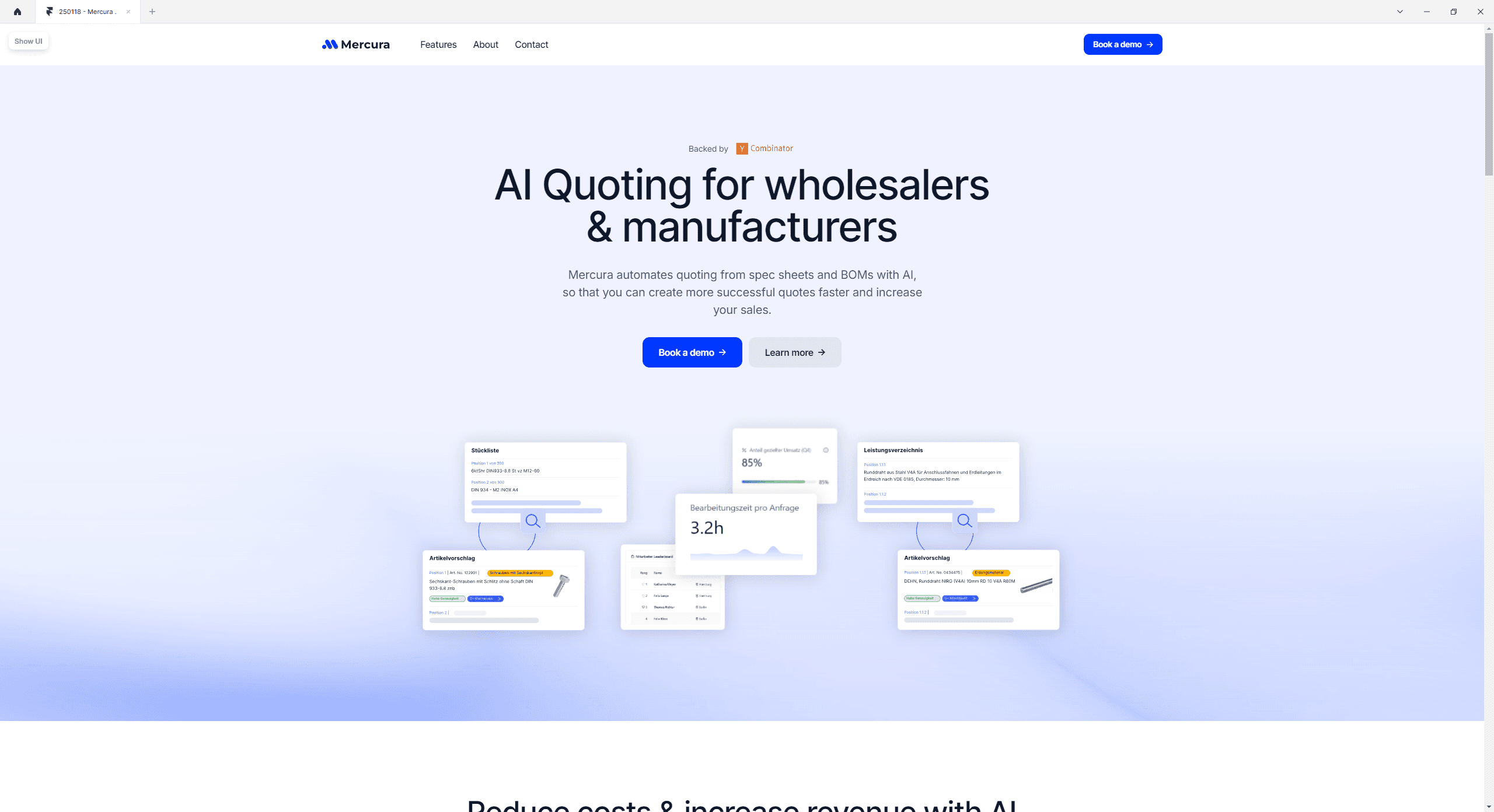
Mercura is an AI-powered platform designed for wholesalers and manufacturers to automate the quoting process. It intelligently processes Bill of Quantities (BOQ) and Bill of Materials (BOMs), instantly matching requests to inventory, reducing quote generation time by up to 80%, and increasing sales conversion rates.
Data Analytics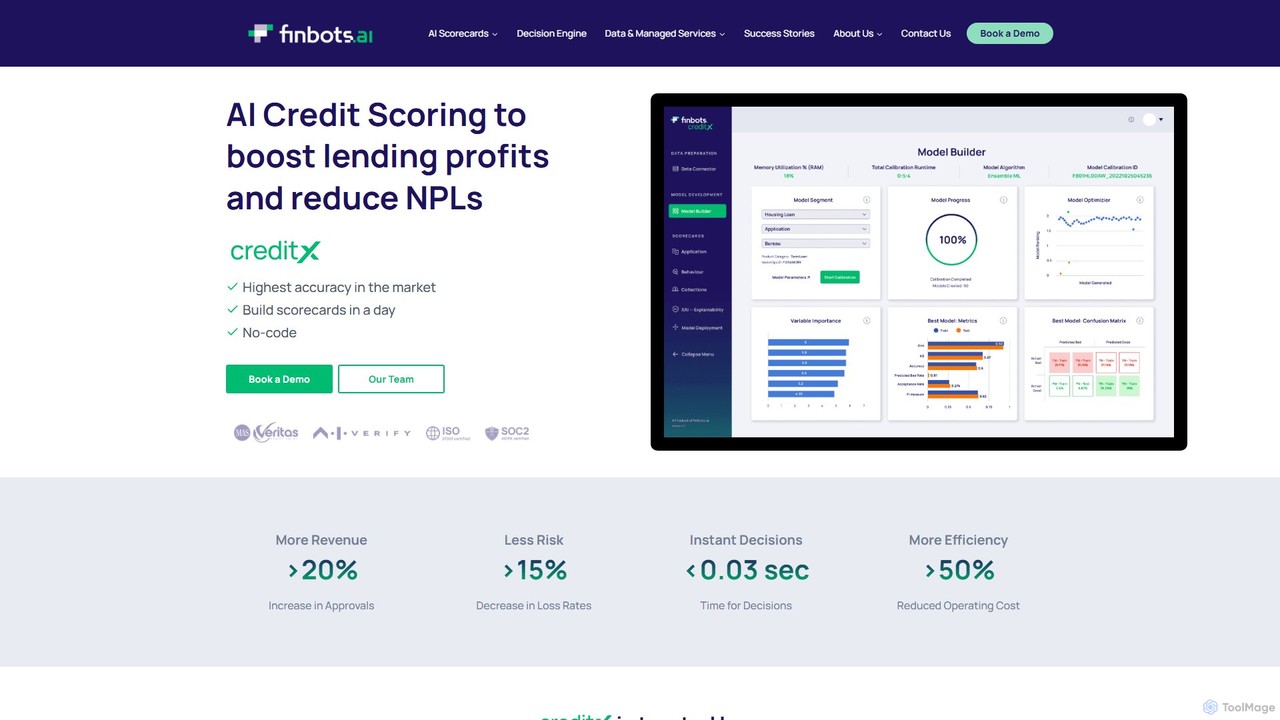
finbots.ai is an AI-powered credit risk management platform for lenders. Its core product, creditX, is a no-code SaaS solution that enables banks, fintechs, and financial institutions to rapidly build, validate, and deploy high-accuracy credit scorecards. It significantly reduces risk, increases loan approvals, and enhances operational efficiency.
Data Analytics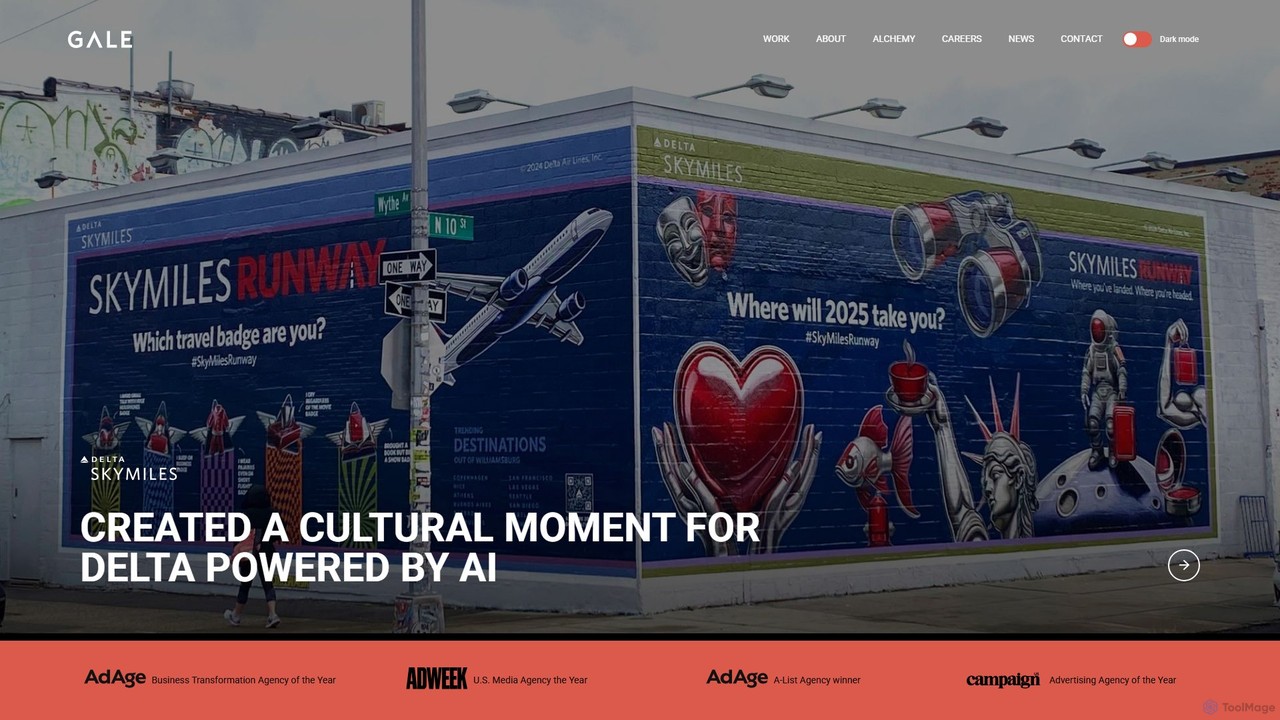
GALE is an award-winning business agency that leverages AI, data, and creativity to drive business transformation for leading global brands. It specializes in integrating brand storytelling with business insights to deliver measurable growth through services like CRM, loyalty programs, and performance marketing.
Crm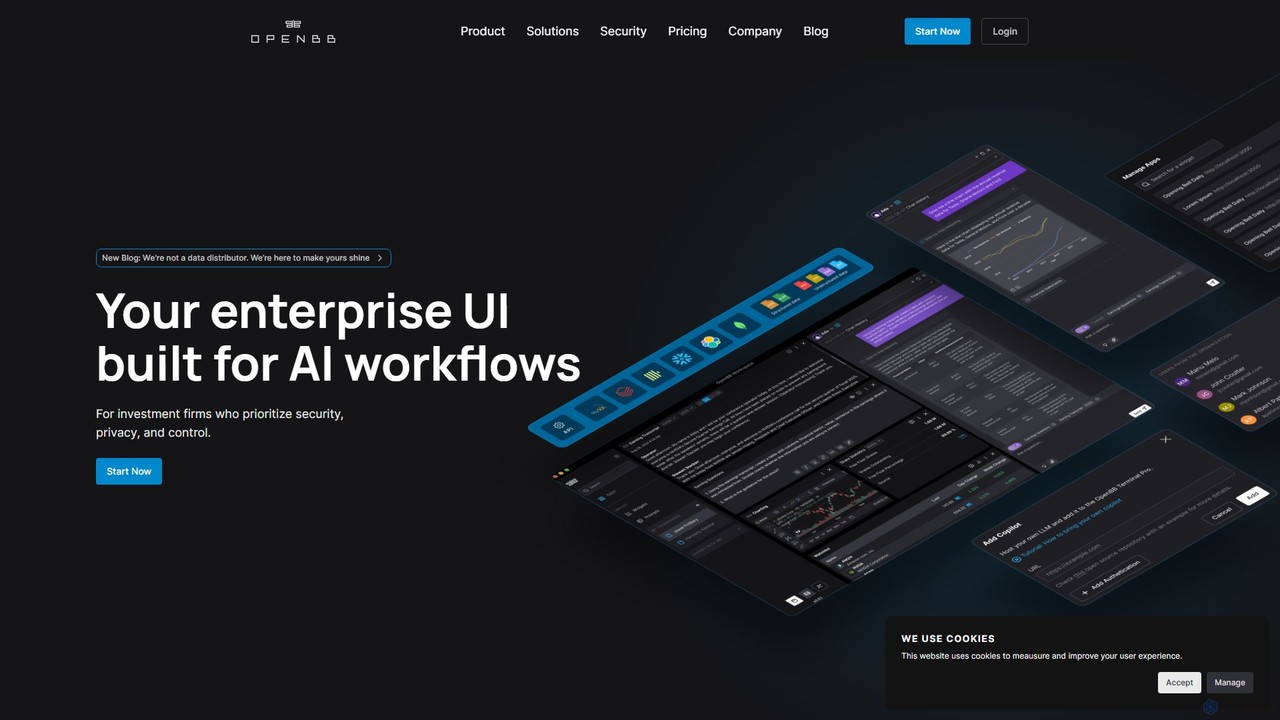
OpenBB is an enterprise-grade, open-source financial analysis platform for investment firms. It provides a secure, customizable UI for AI-driven workflows, integrating proprietary and public data. Deployable on-premise or in a private cloud, it ensures maximum data privacy, security, and control.
Data Analytics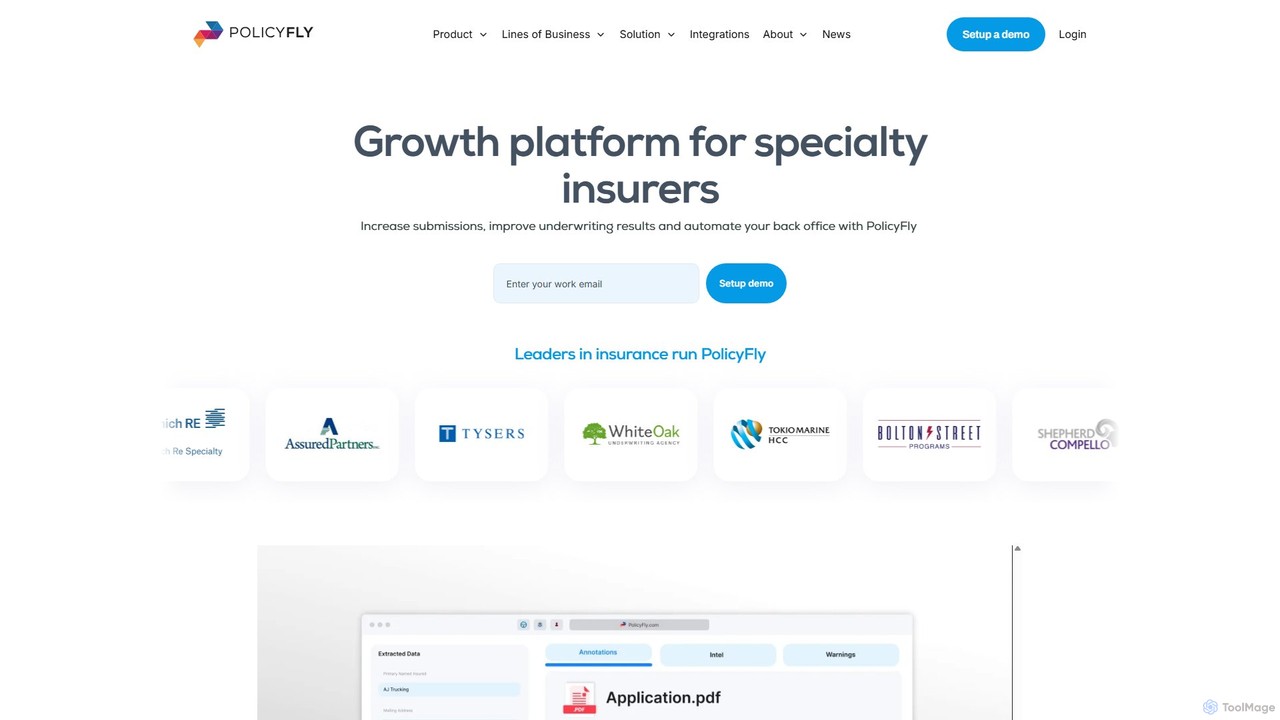
PolicyFly is an AI-powered growth platform for specialty insurers. It automates the entire insurance lifecycle, from submission intake and underwriting to policy management and analytics. By eliminating manual data entry and streamlining workflows, PolicyFly helps MGAs, carriers, and syndicates increase submission volume, improve bind ratios, and make data-driven decisions to accelerate growth and profitability in complex insurance markets.
Data Analytics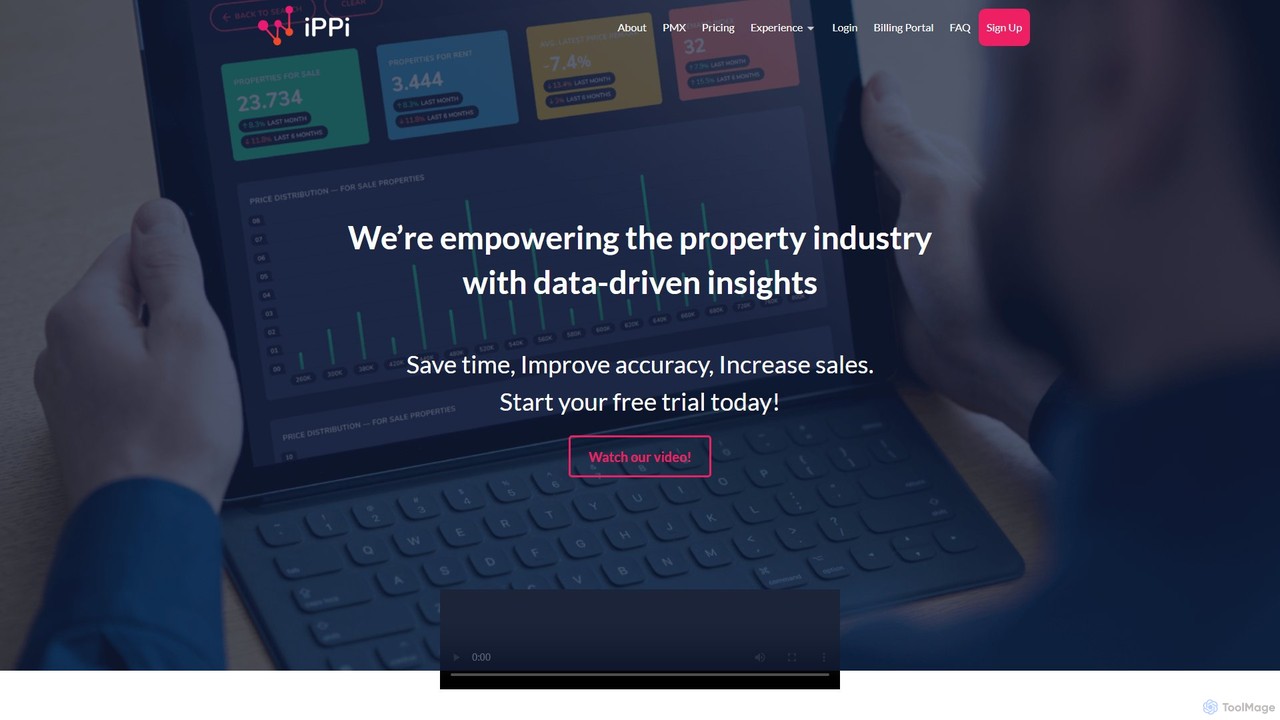
A data-driven analytics platform for the Irish property market. ippi empowers real estate agents and valuers with real-time market insights, rapid property appraisal tools, and a comprehensive database of over 1.5 million properties. It helps save time, improve valuation accuracy, and increase sales through detailed market reports and a customizable dashboard.
Data Analytics
BeeKrowd is an AI-powered platform that specializes in creating custom AI agents, advanced RAG systems, and data analytics solutions for businesses. It transforms complex data into actionable insights, automates workflows, and enables real-time, intelligent decision-making to drive business growth and efficiency.
Data AnalyticsAI Data Analytics tools are a class of software that leverages machine learning to automate the analysis of complex datasets. These tools go beyond traditional business intelligence by using predictive algorithms and natural language processing to uncover hidden patterns, forecast future trends, and generate actionable insights. They empower organizations to make faster, more accurate data-driven decisions, from optimizing marketing spend to identifying operational inefficiencies. Unlike manual analysis, AI-driven platforms can process vast amounts of structured and unstructured data in real-time, providing proactive recommendations.
AI Data Analytics tools are widely used across industries like e-commerce, finance, healthcare, and marketing. Business analysts use them to understand customer behavior, financial analysts for fraud detection and risk assessment, and marketing teams to measure campaign ROI and personalize customer experiences. They are essential for any role that relies on data to inform strategy and operations.
When selecting an AI Data Analytics tool, consider its integration capabilities with your existing data sources (e.g., databases, CRM, cloud services). Evaluate the user interface and whether it suits your team's technical skill level (e.g., no-code vs. code-based). Assess its scalability to handle growing data volumes and the specificity of its AI models for your industry needs. Finally, review the pricing model and the level of customer support provided.
A marketing manager at an online retail company uses an AI data analytics tool to reduce customer churn. By connecting data from their CRM, purchase history, and website activity, the platform's predictive model identifies customers with a high probability of leaving. The tool highlights key churn indicators, such as decreased purchase frequency or reduced engagement. Based on these insights, the manager can launch targeted retention campaigns, like offering personalized discounts to at-risk customers, ultimately improving customer lifetime value.
A digital marketing team wants to maximize their return on investment (ROI) across multiple ad channels. They use an AI analytics tool to consolidate performance data from Google Ads, Facebook, and email campaigns. The tool's automated insights feature identifies which audience segments, ad creatives, and channels are driving the most conversions. It provides clear recommendations, such as reallocating budget from underperforming campaigns to high-performing ones, enabling the team to make data-backed decisions without spending weeks on manual spreadsheet analysis.
A financial services company implements an AI data analytics platform to protect against fraudulent transactions. The tool continuously monitors millions of transactions in real-time, using anomaly detection algorithms to flag activities that deviate from a customer's normal spending patterns. For example, it can instantly detect a large transaction made from an unusual location. When a potential threat is identified, the system automatically triggers an alert for review, allowing the security team to act swiftly to prevent financial loss and protect customer accounts.
A logistics manager for a large retail chain needs to optimize inventory levels to avoid stockouts and overstocking. They use an AI analytics tool that analyzes historical sales data, seasonality, promotional events, and even external factors like weather forecasts. The tool's predictive models generate highly accurate demand forecasts for thousands of products across different regions. This allows the manager to automate purchase orders, optimize warehouse space, and ensure products are available where and when customers want them, reducing costs and improving satisfaction.
A product manager wants to understand customer sentiment about a new feature without reading thousands of reviews. Using an AI analytics tool with Natural Language Query (NLQ), they can simply ask questions like, "What are the most common complaints about the new UI?" or "Show me positive feedback from users in Germany." The tool processes unstructured text data from surveys, app store reviews, and support tickets, then presents the findings as easy-to-understand charts and summaries. This allows for rapid product iteration based on direct customer feedback.
An operations manager in a manufacturing plant uses an AI analytics tool to improve production line efficiency. The tool integrates data from various sources, including machine sensors, production logs, and quality control reports. By analyzing this data, the AI automatically identifies bottlenecks, correlates machine downtime with specific error codes, and highlights patterns that lead to defects. Instead of relying on guesswork, the manager gets a clear, data-driven view of the root causes, allowing them to implement targeted improvements and increase overall output.
AI Data Analytics tools are advanced software that use artificial intelligence (AI) and machine learning (ML) to automate the process of analyzing data. Unlike traditional tools that primarily show what happened in the past, AI-powered platforms can predict future trends, identify hidden patterns, and suggest actions. Key features often include predictive modeling, automated insight generation, and natural language query, making complex data analysis accessible to a wider range of business users.
To choose the right tool, consider these factors:
The main difference lies in their focus. Traditional BI primarily uses descriptive analytics to report on past events, answering the question "What happened?". It relies on dashboards and static reports. AI Data Analytics goes further by using predictive and prescriptive analytics to answer "What will happen?" and "What should we do about it?". AI tools automate the discovery of insights, can handle more complex and unstructured data, and often provide proactive recommendations, whereas traditional BI requires more manual exploration by analysts.
Using AI for data analysis offers several key benefits:
Not necessarily. The field of AI data analytics has evolved to cater to a wide range of users. Many modern tools are designed with a "no-code" or "low-code" approach, featuring intuitive drag-and-drop interfaces and automated insight features. While data scientists can leverage these platforms for advanced modeling and customization, business analysts, marketers, and managers can also use them effectively to get quick, actionable insights without extensive technical knowledge.