Zopmedia
Zopmedia is an all-in-one software platform for car dealerships, providing an end-to-end solution for managing inventory, sales, marketing, …
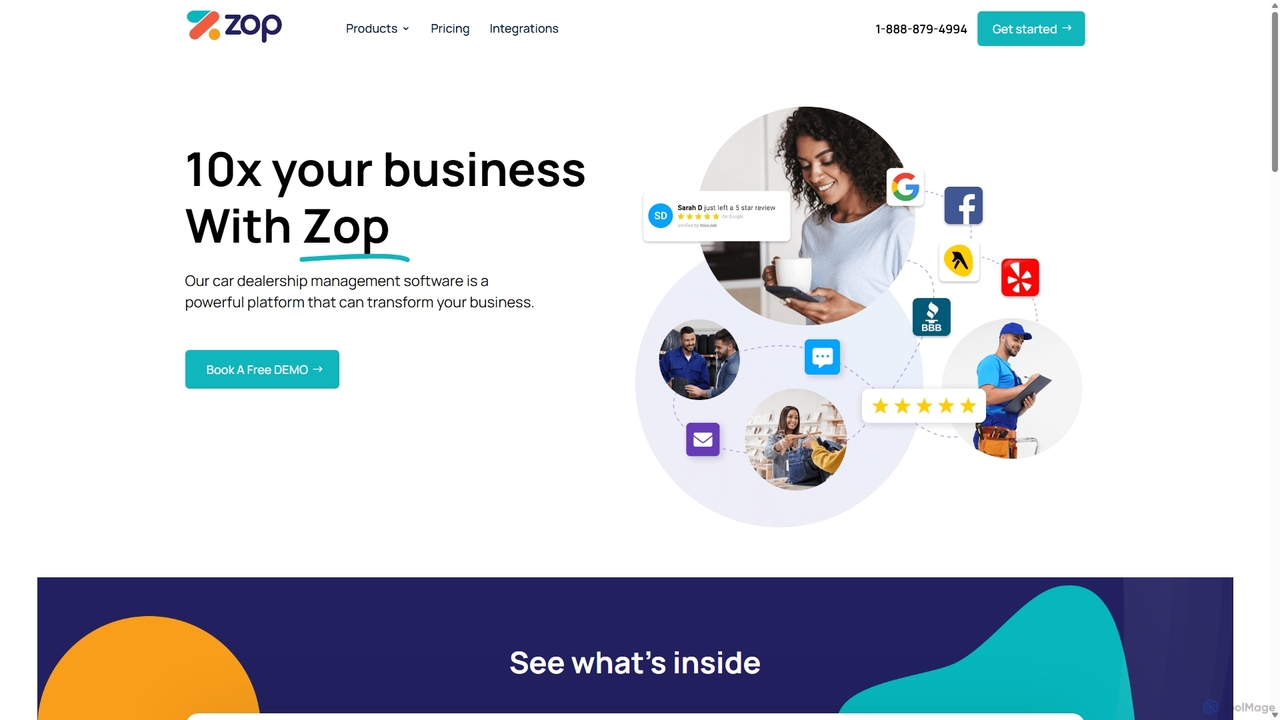
Zopmedia is an all-in-one software platform for car dealerships, providing an end-to-end solution for managing inventory, sales, marketing, and customer relationships. It integrates a website builder, a powerful Dealership Management System (DMS), CRM, inventory syndication, and social media automation to streamline operations, increase visibility, and drive business growth for auto dealers.
About Dealership Management
Dealership Management AI tools are specialized platforms designed to automate and optimize the complex operations of automotive, equipment, or marine dealerships. These systems leverage artificial intelligence to analyze vast amounts of data, enabling predictive insights for inventory, sales, and customer service. By automating routine tasks and providing data-driven recommendations, they help dealerships increase efficiency, boost profitability, and enhance the customer experience. This focused application of AI within the business sector provides a significant competitive advantage in a highly dynamic market.
Core Features
- AI-Powered Inventory Management: Analyzes market trends and historical data to recommend optimal vehicle pricing and stock levels.
- Predictive Lead Scoring: Automatically scores incoming leads based on their likelihood to convert, allowing sales teams to prioritize efforts.
- Automated Customer Communication: Manages personalized follow-ups, service reminders, and marketing campaigns via email or SMS.
- Intelligent Service Scheduling: Optimizes technician schedules and predicts parts requirements to minimize downtime and improve service bay throughput.
- Sales Forecasting: Uses historical data and market indicators to generate accurate forecasts of future sales performance.
Use Cases
These tools are essential for new and used car dealerships, heavy equipment dealers, marine and boat sellers, and powersports retailers. Roles such as General Managers, Sales Managers, F&I Managers, and Service Advisors use them to streamline daily workflows, from managing vehicle acquisition and pricing to personalizing customer outreach and optimizing service appointments.
How to Choose
When selecting a Dealership Management AI tool, first verify its integration capabilities with your existing Dealer Management System (DMS). Assess whether the tool's features are tailored to your specific dealership type (e.g., automotive vs. marine). Prioritize platforms with robust data security protocols to protect sensitive customer information. Finally, consider the tool's scalability to ensure it can support your dealership's growth.
Dealership ManagementUse Cases
Dynamic Vehicle Pricing Optimization
A used car manager at a large dealership needs to price hundreds of unique vehicles competitively. Using an AI dealership management tool, they input vehicle data (make, model, year, mileage, condition). The AI analyzes real-time market data, competitor pricing, historical sales trends, and auction values. It then recommends an optimal list price for each vehicle designed to maximize profit margin while ensuring a quick turnover. This process replaces hours of manual research and guesswork, leading to a more consistent and profitable pricing strategy.
Automated Lead Scoring and Nurturing
A dealership's sales team is overwhelmed with online leads of varying quality. An AI system integrates with their website and CRM to automatically score each new lead. It analyzes factors like the specific vehicles viewed, time spent on site, and submitted contact information. High-scoring leads are immediately flagged and assigned to a salesperson for a personal call. Lower-scoring leads are automatically enrolled in a personalized email nurturing campaign, receiving relevant content until their engagement score increases, at which point they are passed to the sales team. This ensures no lead is lost and sales reps focus on the most promising prospects.
Predictive Maintenance Reminders for Service Department
A service advisor wants to increase customer retention and service bay utilization. The dealership's AI tool analyzes customer vehicle data, including mileage, age, and past service history, combined with manufacturer recommendations. Based on this, the system predicts when a customer's vehicle is likely to need specific services (e.g., brake replacement, tire rotation). It then automatically sends a personalized service reminder via SMS or email with a convenient link to book an appointment online. This proactive approach increases service revenue and improves customer satisfaction by preventing unexpected breakdowns.
AI-Driven Marketing Campaign Personalization
A marketing manager for a multi-brand dealership wants to run more effective campaigns. Instead of sending generic offers, they use an AI tool to segment their customer database. The AI identifies customer groups based on purchase history, service records, and online behavior. For example, it can create a segment of 'families with SUVs nearing lease-end' or 'truck owners who haven't had service in 12 months'. The manager can then create highly targeted campaigns with personalized offers for each segment, such as a lease renewal special or a service discount, significantly increasing campaign ROI and customer engagement.
Optimizing Parts Inventory Management
A parts department manager struggles with balancing inventory costs and part availability. An AI management tool analyzes historical service data, seasonality, and local vehicle demographics to forecast demand for specific parts. It can predict an upcoming need for snow tires in autumn or an increase in A/C compressor sales in spring. The system recommends optimal reorder points and quantities for each part, reducing overstock of slow-moving items and preventing stockouts of critical components. This leads to lower carrying costs, improved cash flow, and higher service department efficiency.
Enhancing Finance & Insurance (F&I) Processes
An F&I manager aims to speed up the vehicle closing process while maximizing revenue from financing and insurance products. An AI tool can assist by instantly analyzing a customer's credit profile and purchase details. Based on this data, it presents the F&I manager with a ranked list of the most suitable loan, warranty, and insurance options from various lenders. This eliminates manual cross-referencing and calculations, reduces errors, and helps the manager present the best, most relevant options to the customer quickly, improving both customer experience and F&I department profitability.