contaactcard
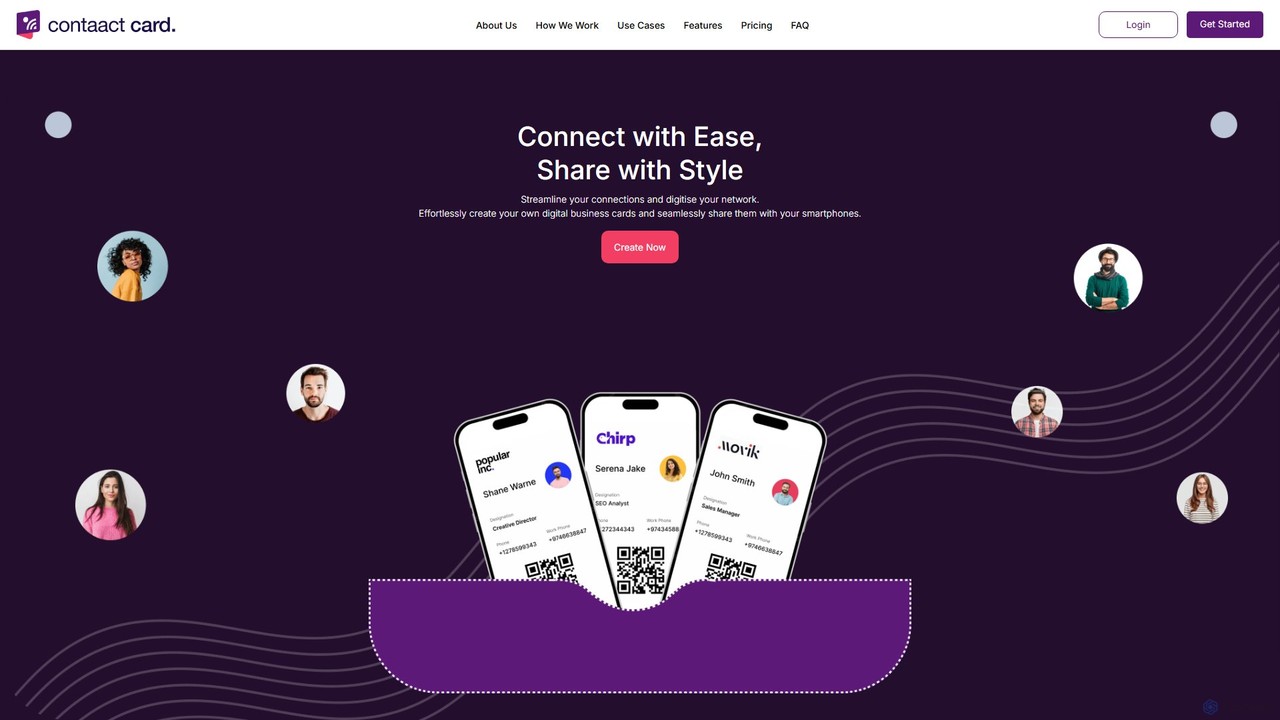
contaactcard is a digital business card generator that allows professionals to create, customize, and share stylish contact cards …
contaactcard is a digital business card generator that allows professionals to create, customize, and share stylish contact cards via smartphone wallets. For just $1, users can design an eco-friendly, secure, and modern networking tool, perfect for freelancers, corporations, and event attendees. It emphasizes privacy by not storing personal data for more than 48 hours.
About Digital Identity
Digital Identity tools are AI-powered solutions that manage and verify an individual's or entity's electronic representation for secure online interactions. These tools leverage advanced technologies like biometrics, cryptography, and distributed ledgers to ensure authenticity and protect sensitive data. They are crucial for businesses seeking to streamline user authentication, enhance security, and comply with data privacy regulations within the broader business operations context.
Core Features
- Multi-Factor Authentication (MFA): Adds layers of security beyond passwords, requiring multiple verification methods.
- Identity Verification: Confirms the authenticity of an individual's identity documents and biometrics during onboarding or transactions.
- Single Sign-On (SSO): Allows users to access multiple applications with one set of credentials, improving user experience and security.
- Decentralized Identity (DID): Empowers users with control over their personal data, reducing reliance on central authorities.
- Access Management: Defines and enforces user permissions across various systems and applications.
Use Cases
Digital Identity solutions are vital for financial institutions to prevent fraud and meet KYC/AML regulations, for e-commerce platforms to secure customer accounts and transactions, and for enterprises to manage employee access to sensitive internal systems. They enable seamless, secure interactions across diverse digital touchpoints.
How to Choose
When selecting a Digital Identity tool, businesses should evaluate its security standards (e.g., FIDO, NIST), integration capabilities with existing IT infrastructure, scalability to handle growing user bases, and compliance with relevant data protection laws (e.g., GDPR, CCPA). User experience and the level of control offered to end-users are also critical considerations.

Digital IdentityUse Cases
Streamlining Secure Customer Onboarding
Financial services and e-commerce companies utilize Digital Identity tools to securely onboard new customers. By integrating identity verification and biometric authentication, businesses can quickly confirm user identities, prevent fraud, and meet regulatory requirements like KYC (Know Your Customer) and AML (Anti-Money Laundering), reducing manual processing time by up to 70%.
Managing Employee Access to Business Systems
Enterprises deploy Digital Identity solutions to manage and secure employee access to internal applications, cloud services, and sensitive data. Features like Single Sign-On (SSO) and Multi-Factor Authentication (MFA) ensure that only authorized personnel can access specific resources, enhancing overall corporate security and simplifying IT administration.
Preventing Online Fraud and Account Takeovers
E-commerce platforms leverage Digital Identity tools to detect and prevent fraudulent activities, such as account takeovers and payment fraud. Real-time identity verification, behavioral biometrics, and risk-based authentication help identify suspicious transactions, protecting both the business and its customers from financial losses and reputational damage.
Ensuring Regulatory Compliance and Audit Trails
Organizations in regulated industries (e.g., healthcare, finance) use Digital Identity tools to maintain compliance with stringent data privacy and security regulations. These tools provide robust audit trails, granular access controls, and verifiable identity proofs, simplifying compliance reporting and demonstrating adherence to legal mandates like GDPR or HIPAA.
Empowering Users with Decentralized Identity
Innovative businesses are exploring Decentralized Identity (DID) solutions to give users more control over their personal data. Instead of relying on central authorities, users can manage their verifiable credentials, sharing only necessary information with service providers. This enhances privacy, reduces data breaches, and builds greater trust with customers.
Implementing Seamless Single Sign-On Across Platforms
For businesses with multiple internal or external applications, Digital Identity tools enable Single Sign-On (SSO). This allows users to log in once with a single set of credentials to access all authorized services, significantly improving user experience, reducing password fatigue, and enhancing security by centralizing authentication management.