
ToolMage
Sign in

Best 1 Domain Registration AI tools for Business

Popular Domain Registration AI tools in Business include Namecheap, helping you work more efficiently.

Namecheap
Freemium

Namecheap

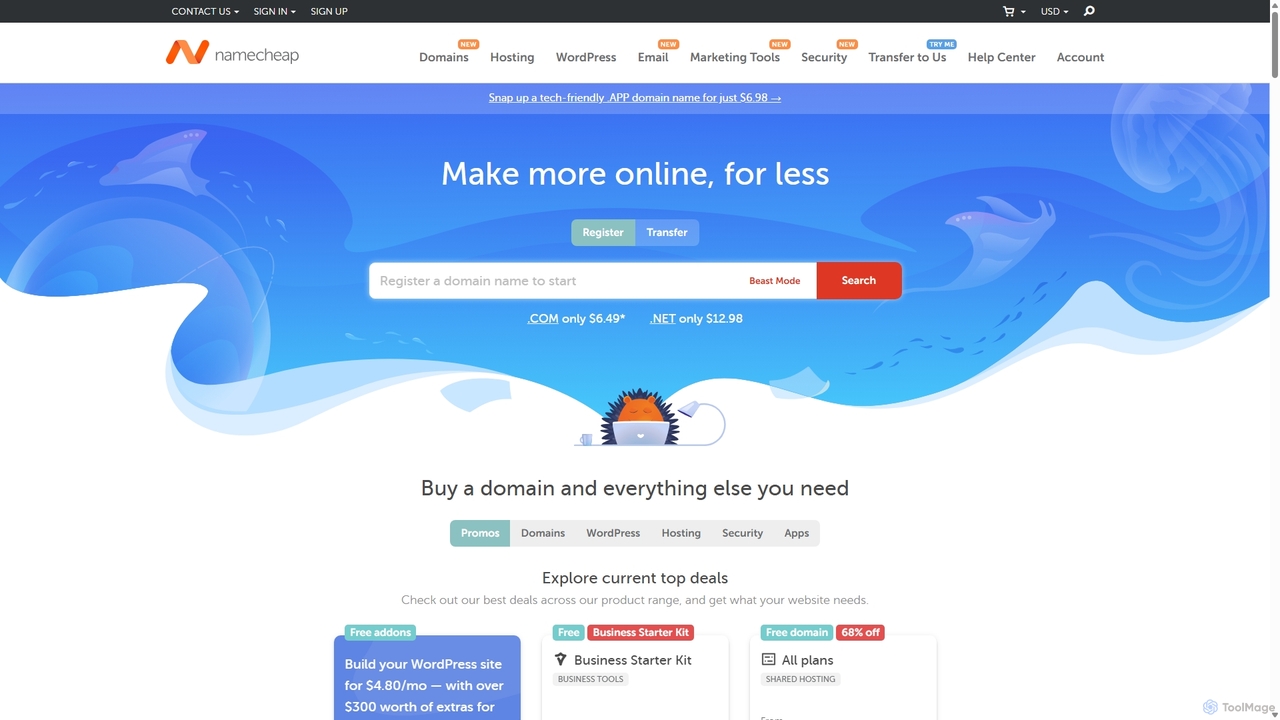
Namecheap is an all-in-one platform for establishing an online presence, offering domain registration, web hosting, and security services. It features a suite of free AI-powered tools, including a Business Name Generator, Logo Maker, and Website Builder, designed to help entrepreneurs and small businesses create and launch their brand identity quickly and affordably.

Domain Registration
Visits 12.8MFavorites 114Likes 101

About Domain Registration

Domain Registration tools are essential platforms for securing unique web addresses, serving as the digital identity for businesses and individuals. These services simplify the process of searching for, purchasing, and managing domain names, which are fundamental for establishing an online presence. They provide the crucial first step for any website, email service, or online brand, ensuring digital assets are easily discoverable and professionally represented on the internet.

Core Features

  • Domain Search & Availability: Instantly check if desired domain names and various top-level domains (TLDs) are available for registration.
  • Domain Management: Centralized dashboard for renewing, transferring, updating contact information, and managing DNS settings for registered domains.
  • Privacy Protection: Offers services to mask personal contact information in public WHOIS databases, protecting against spam and unwanted solicitations.
  • DNS Management: Tools to configure Domain Name System (DNS) records, directing domain traffic to specific web servers, email services, or other online resources.
  • Bulk Registration & Transfer: Facilitates the registration or transfer of multiple domain names simultaneously, ideal for businesses or agencies managing large portfolios.

Applicable Scenarios

Domain registration is vital for anyone looking to establish a credible online presence, from individual bloggers to large corporations. It's the starting point for launching a new website, securing a professional email address, or protecting a brand's digital identity across various online platforms.

How to Choose

When selecting a domain registration service, consider pricing transparency (initial and renewal fees), the range of TLDs offered, the ease of DNS management, and the availability of privacy protection. Reliable customer support and additional services like web hosting or email integration are also important factors for a seamless online setup.

Domain Registration use cases

1

Launching a New Business Website

A startup founder needs to establish their brand's online presence. They use a domain registration tool to search for and secure a unique domain name that reflects their business, ensuring their website is professionally branded and easily accessible to potential customers. This is the foundational step before building the actual website.

2

Protecting Brand Identity Online

A marketing team for an established company uses domain registration services to secure various top-level domains (TLDs) and common misspellings of their brand name. This proactive measure prevents cybersquatting and ensures that competitors or malicious actors cannot register similar domains to mislead customers or dilute the brand's online presence.

3

Establishing a Personal Blog or Portfolio

A freelance designer or content creator wants to showcase their work and build a personal brand. They use a domain registration tool to find an affordable, memorable domain name for their blog or online portfolio. This gives them a professional, custom web address that enhances their credibility and makes it easier for potential clients to find them.

4

Managing a Large Domain Portfolio

A web development agency or a company with multiple brands needs to efficiently manage a large number of domains. They utilize a domain registration platform that offers bulk management features, allowing them to renew, update DNS, and transfer domains for all their clients or brands from a single, centralized dashboard, saving significant time and reducing administrative overhead.

5

Setting Up Professional Email Addresses

A small business owner wants to move away from generic email addresses (e.g., Gmail) to a more professional look (e.g., [email protected]). After registering their domain, they use the domain registrar's tools to configure custom email addresses linked to their domain, enhancing their business's credibility and communication professionalism.

6

International Market Expansion

A global e-commerce company plans to expand into new country markets. They use domain registration services to acquire country-code top-level domains (ccTLDs) like .de for Germany or .jp for Japan. This strategy helps them establish a local presence, build trust with regional customers, and optimize their search engine visibility in specific geographic areas.

Domain Registration FAQ

What is Domain Registration?

Domain Registration is the process of reserving a unique name on the internet for a specific period, typically one year or more. This name, like 'example.com', becomes your website's address and digital identity. It involves registering your chosen domain with an accredited registrar, which then adds your information to the global WHOIS database, making your domain unique and accessible worldwide.

How do I choose the best domain name?

Choosing the best domain name involves several key considerations. Aim for a name that is short, memorable, and easy to spell. It should ideally reflect your brand or business, using relevant keywords if possible. Consider using a common top-level domain (TLD) like .com, but also explore newer, more specific TLDs if they align with your niche. Check for availability across social media platforms to ensure brand consistency.

What is the difference between domain registration and web hosting?

Domain registration and web hosting are distinct but complementary services. Domain registration secures your website's address (e.g., yourcompany.com), acting as its unique identifier on the internet. Web hosting, on the other hand, provides the server space where your website's files (HTML, images, databases) are stored, making them accessible to visitors. You need both a registered domain and a hosting plan for a website to be live and functional online.

Should I enable domain privacy protection?

Enabling domain privacy protection is highly recommended for most domain owners. When you register a domain, your personal contact information (name, address, email, phone) is publicly listed in the WHOIS database. Privacy protection services replace your details with those of the registrar, shielding your personal information from spammers, telemarketers, and potential identity theft. While it incurs a small additional fee, the benefits of privacy and security often outweigh the cost.

How often do I need to renew my domain name?

Domain names typically require renewal annually, though many registrars offer options for multi-year registrations (e.g., 2, 3, 5, or even 10 years). It's crucial to keep track of your domain's expiration date to avoid losing ownership. Most registrars send automated reminders, but setting your own calendar alerts or enabling auto-renewal can prevent accidental expiration, which could lead to your website going offline or your domain being purchased by someone else.

What is DNS and why is it important for my domain?

DNS (Domain Name System) is essentially the internet's phonebook. It translates human-readable domain names (like toolmage.com) into machine-readable IP addresses (like 192.0.2.1). When you type a domain name into your browser, DNS servers locate the corresponding IP address, directing your browser to the correct web server where your website is hosted. Proper DNS configuration is vital because it ensures your domain correctly points to your website, email services, and other online resources, making them accessible to users worldwide.