Business Best in category 1 results E Commerce Tools AI Tool

Popular AI tools in the E Commerce Tools field of Business include Imagetranslate, etc., helping you quickly improve efficiency.

Imagetranslate

Imagetranslate

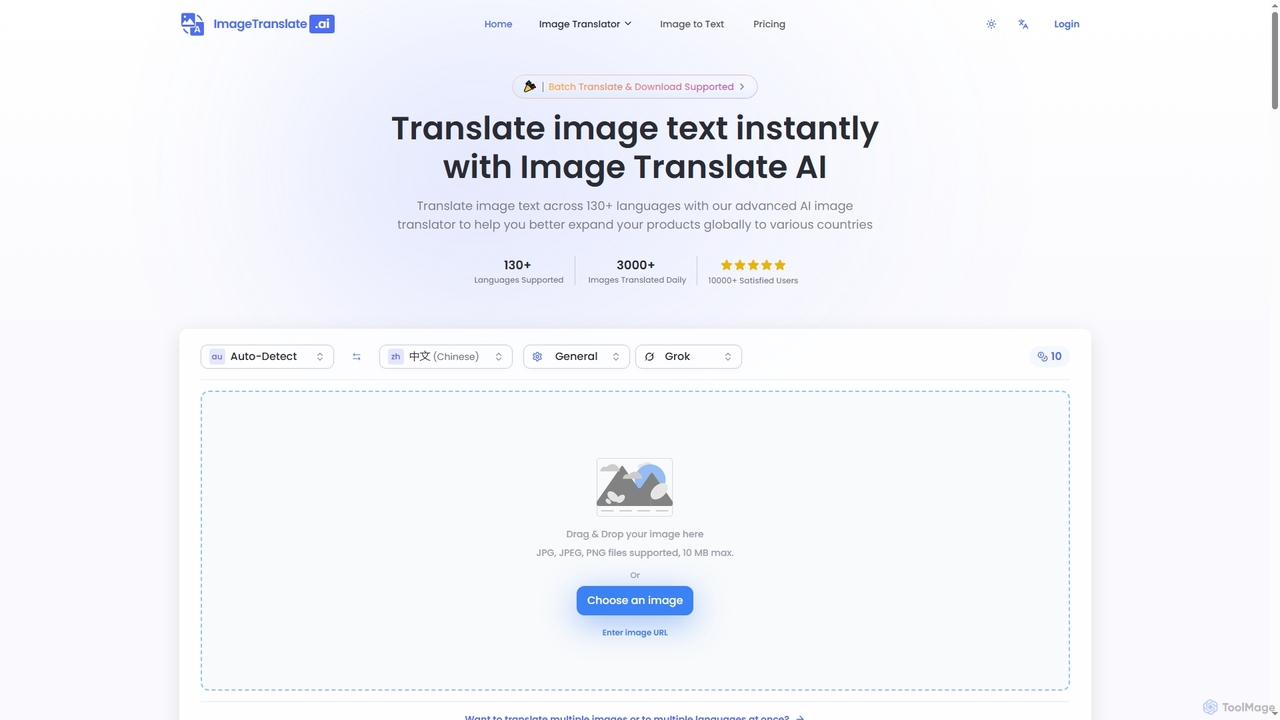
Imagetranslate is an advanced AI-powered image translator that instantly translates text within images across over 130 languages. It …

251.2K

About E Commerce Tools

E Commerce Tools are AI-powered solutions designed to optimize and automate various aspects of online retail operations. Leveraging machine learning and data analytics, these tools enhance everything from product management and marketing to customer service and sales forecasting. They empower businesses to streamline workflows, personalize customer experiences, and drive growth in competitive digital marketplaces.

Core Features

  • Automated Product Listing: AI assists in generating product descriptions, optimizing titles, and categorizing items for various e-commerce platforms.
  • Personalized Recommendations: Algorithms analyze customer behavior to suggest relevant products, increasing conversion rates and average order value.
  • Dynamic Pricing Optimization: AI adjusts product prices in real-time based on market demand, competitor pricing, and inventory levels to maximize profit.
  • Intelligent Customer Support: AI chatbots and virtual assistants handle routine inquiries, provide instant support, and guide customers through their purchasing journey.
  • Sales Forecasting & Inventory Management: Predictive analytics anticipate future sales trends and optimize stock levels, reducing overstocking or stockouts.

Use Cases

E Commerce Tools are indispensable for online retailers, dropshippers, and marketplace sellers aiming to scale their operations and improve customer engagement. They are used to automate repetitive tasks, gain deeper insights into customer preferences, and react swiftly to market changes, ensuring businesses remain agile and competitive.

How to Choose

When selecting E Commerce Tools, consider their integration capabilities with existing platforms (e.g., Shopify, WooCommerce), the specific AI functionalities offered (e.g., NLP for chatbots, computer vision for product tagging), scalability to handle growth, and the level of customization available to match unique business needs. Evaluate the data privacy policies and the tool's ability to provide actionable insights.

E Commerce ToolsUse Cases

1

Automating Product Description Generation

For e-commerce content managers, manually writing unique and SEO-friendly descriptions for hundreds of products is time-consuming. AI E Commerce Tools can automatically generate compelling product descriptions, titles, and meta tags based on product attributes, saving significant time and ensuring consistency across listings. This allows for rapid product catalog expansion and improved search engine visibility.

2

Enhancing Customer Service with AI Chatbots

Online stores often face a high volume of customer inquiries regarding orders, shipping, and product details. Implementing AI-powered E Commerce Tools, specifically chatbots, allows businesses to provide instant 24/7 support. These chatbots can answer FAQs, track orders, and even guide customers through the purchase process, freeing human agents for more complex issues and improving customer satisfaction.

3

Personalizing Shopping Experiences

E-commerce marketers leverage AI E Commerce Tools to analyze individual customer browsing and purchase history. This enables the delivery of highly personalized product recommendations, targeted promotions, and customized website layouts. By showing customers products they are more likely to buy, businesses can significantly increase conversion rates and foster customer loyalty.

4

Optimizing Pricing Strategies Dynamically

For online retailers in competitive markets, setting optimal prices is crucial. AI E Commerce Tools continuously monitor competitor prices, market demand fluctuations, and inventory levels. They then dynamically adjust product prices in real-time to maximize profit margins and sales volume, ensuring products are always competitively priced without manual intervention.

5

Streamlining Inventory and Demand Forecasting

Managing inventory efficiently is a major challenge for e-commerce businesses. AI E Commerce Tools use predictive analytics to forecast future sales based on historical data, seasonal trends, and external factors. This helps inventory managers optimize stock levels, prevent stockouts or overstocking, and reduce carrying costs, leading to more efficient supply chain management.

6

Creating Targeted Marketing Campaigns

E-commerce marketing teams utilize AI tools to segment customer bases with high precision. By analyzing demographic data, purchase behavior, and engagement patterns, AI identifies specific customer groups for highly targeted email campaigns, social media ads, and promotions. This leads to higher click-through rates, better ROI on marketing spend, and increased sales.

E Commerce ToolsFrequently Asked Questions